In the rapidly evolving landscape of healthcare, the efficient exchange of data across various systems is critical. According to a report by the Office of the National Coordinator for Health Information Technology (ONC), 96% of hospitals in the US used certified electronic health record (EHR) systems as of 2021. However, the challenge remains in ensuring that this data is mapped and transformed correctly to enable seamless integration across systems, thereby avoiding costly errors and inefficiencies. Effective data mapping practices are central to this effort. Without a solid foundation for data transformation, healthcare organizations risk jeopardizing patient care through misinformation, slow processing times, and compliance issues.
Below, we outline key steps and data mapping best practices for ensuring seamless integration in healthcare environments.
Step 1: Understand Your Data Sources
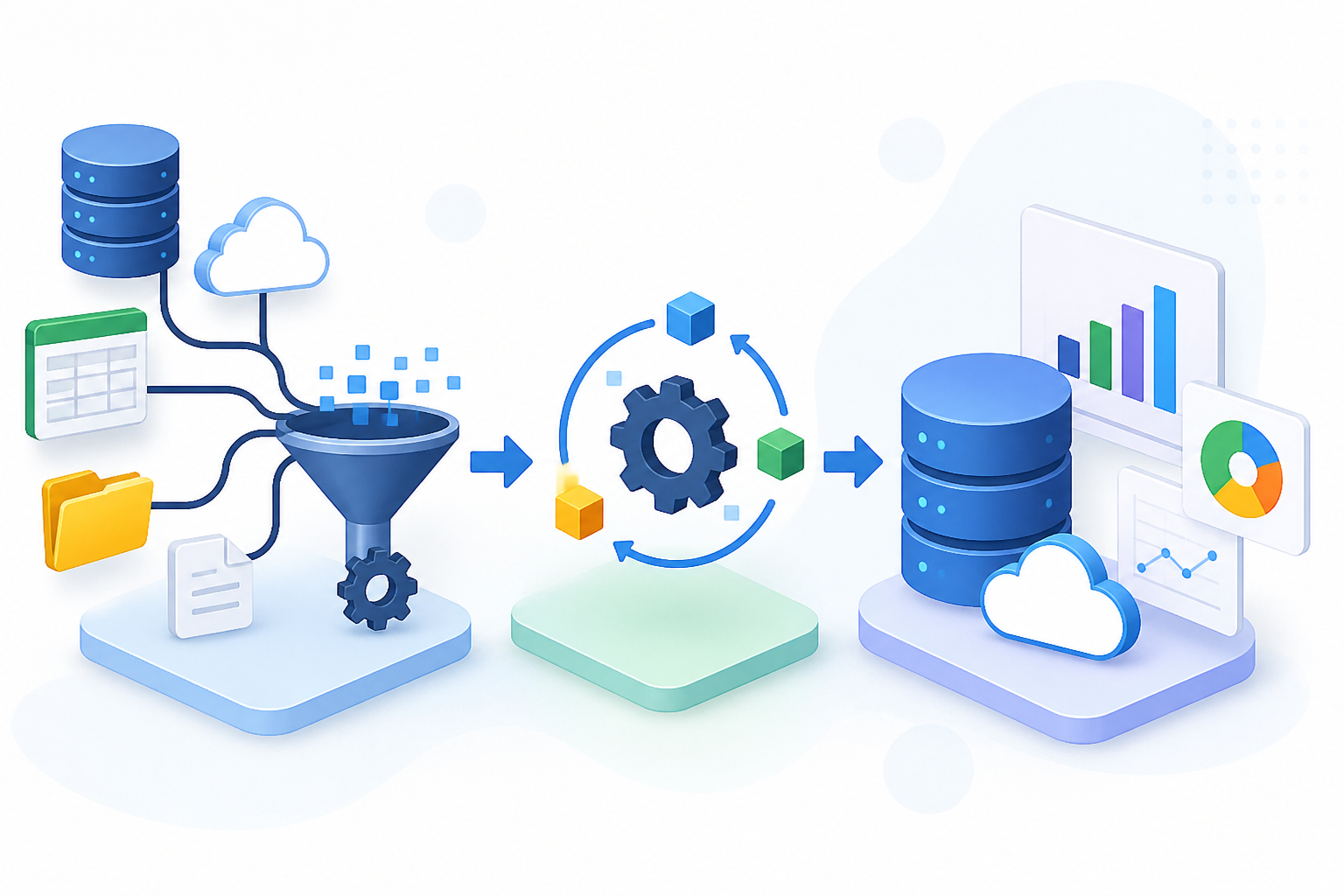
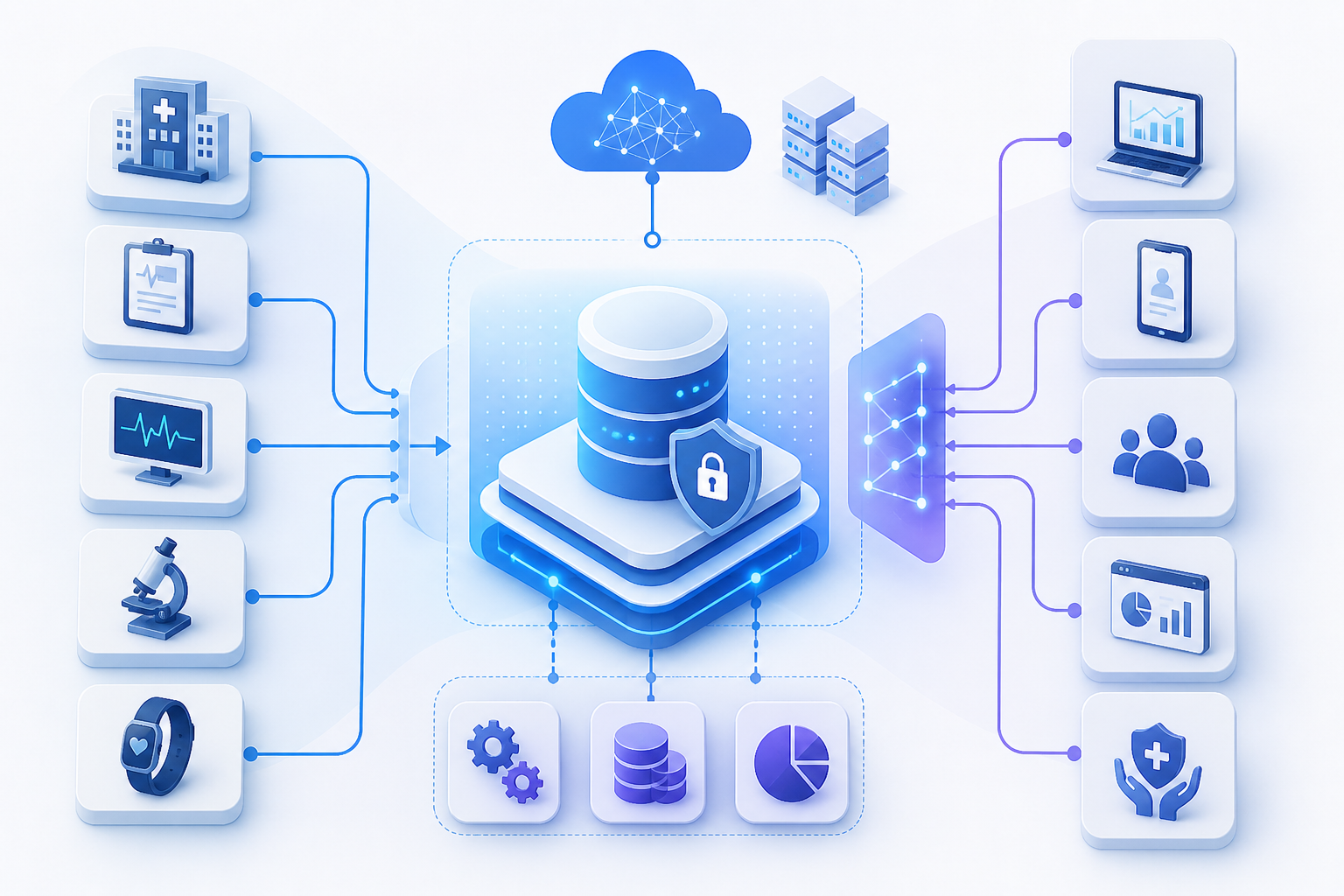
The first step in any data mapping project is understanding the various data sources involved. In the healthcare industry, data comes from a multitude of platforms such as EHR systems, billing software, lab results, and more. Each of these data sources has its own structure and format, making it essential to identify and catalog the data. This involves recognizing the different data types (structured vs. unstructured), ensuring completeness of the data, and understanding any gaps or inconsistencies.
By thoroughly analyzing your data sources, you ensure that the subsequent mapping and transformation process is accurate and effective. One data mapping best practice here is to collaborate with system administrators and data owners to ensure nothing is overlooked. When you know what you’re working with, you can start mapping the data correctly from the get-go.
Step 2: Define Data Relationships and Mapping Rules
Once you have a clear understanding of your data sources, the next step is to define the relationships between the data points in these systems. For example, how does a patient ID in one system correspond to a similar identifier in another? Creating clear rules for these relationships is essential for ensuring that data flows correctly from one system to another. The transformation rules should also account for data format differences—such as converting date formats or ensuring numerical fields are aligned.
An efficient middleware enables accurate transformation by standardizing data fields such as date format, name formats among others. This minimizes the potential for errors and ensures the data can be shared and interpreted in a meaningful way across all platforms.
Step 3: Automate the Transformation Process
Manual processes for data transformation are not only time-consuming but also prone to human error. Automating data mapping and transformation processes using specialized integration platforms ensures that healthcare organizations can handle vast amounts of data with greater speed and accuracy. Automation tools also enable the transformation of data in real-time, which is particularly valuable in time-sensitive environments like healthcare, where delays can directly impact patient outcomes.
Using an integration solution, such as Vorro’s EiPaaS (Enterprise Integration Platform as a Service), allows for efficient and error-free data transformation. These platforms are designed to automate data transformation and simplify the management of complex healthcare data, ensuring seamless integration between systems.
Step 4: Validate and Test
After defining the mapping rules and automating the transformation process, the next step is to validate the accuracy of the transformed data. Testing is crucial to identify potential discrepancies or errors in the mapping process. Start by conducting small-scale test runs, focusing on key data points, and gradually expand to larger datasets. The goal is to ensure that the data transformation aligns perfectly with your organization’s needs.
A valuable data mapping best practice here is to involve a team of data engineers, analysts, and healthcare experts during the validation process to ensure that the data transformation complies with industry standards and best practices.
Step 5: Monitor and Optimize
Once your data mapping and transformation processes are live, ongoing monitoring is necessary to ensure continued success. Regular audits of the transformation process help identify areas where adjustments may be needed. Additionally, leveraging insights from data analytics can help identify any inefficiencies in the data flow, enabling continuous optimization.
Conclusion
Efficient data mapping and transformation are essential components of healthcare IT infrastructure, ensuring the seamless integration of data from multiple sources. By following these data mapping best practices—understanding your data, defining clear relationships, automating processes, validating accuracy, and optimizing for efficiency—healthcare organizations can ensure that their data systems work together seamlessly, improving patient outcomes and operational efficiencies.
For more insights into integration best practices, check out our recent blog on The Power of Enterprise Integration Platform as a Service (EiPaaS).