In today’s digital era, large enterprises are constantly looking for efficient ways to streamline their application processes and integration strategies. This is where Enterprise Integration Platform as a Service (EiPaaS) and API Management become crucial. They are key in improving the agility and efficiency of businesses in handling the increasing demands of digital transformation.
This blog explores the heart of EiPaaS and API management, examining their importance in large enterprises and how they change API integration. EiPaaS, also known as Integration Platform as a Service, provides a comprehensive solution for large enterprises to connect and integrate various applications and systems smoothly. It offers a centralized platform that simplifies the complexity of integrating multiple APIs, allowing businesses to save time and resources. Additionally, API management plays a crucial role in ensuring secure and controlled access to APIs, enabling enterprises to effectively manage their API ecosystem and enforce governance policies. Together, EiPaaS and API management enable large enterprises to achieve faster time-to-market, improve customer experiences, and drive innovation in the digital field.
Understanding EiPaaS
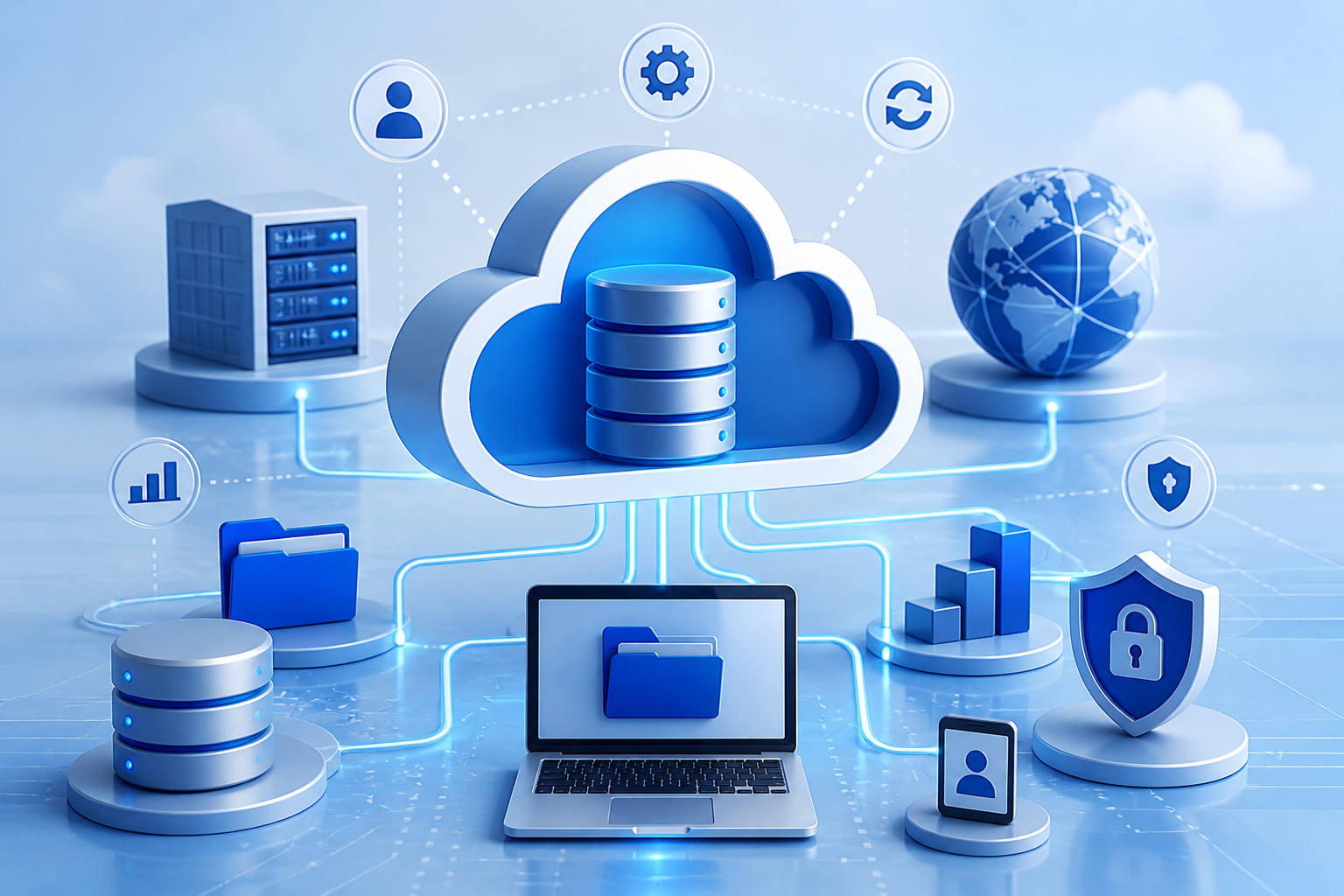
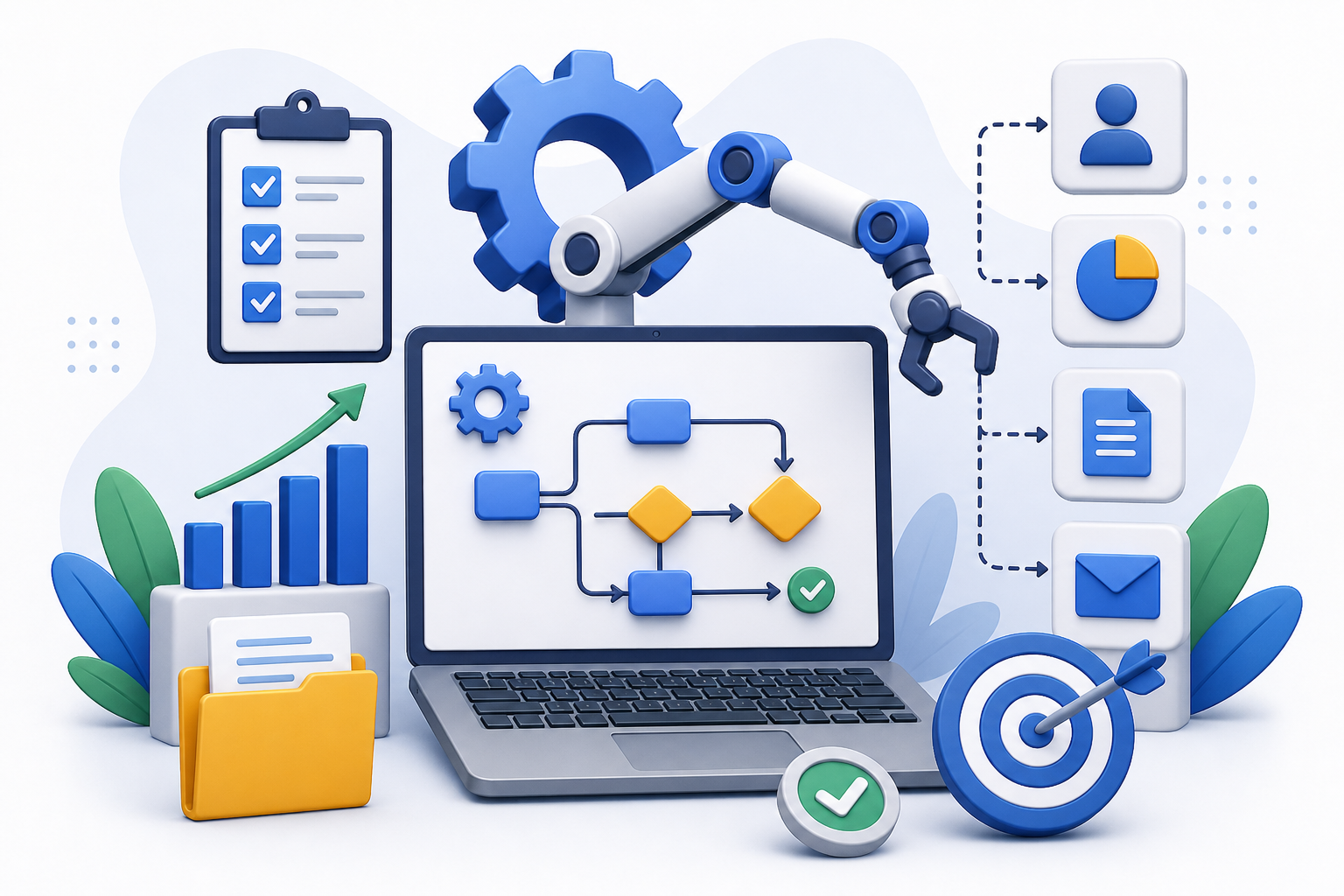
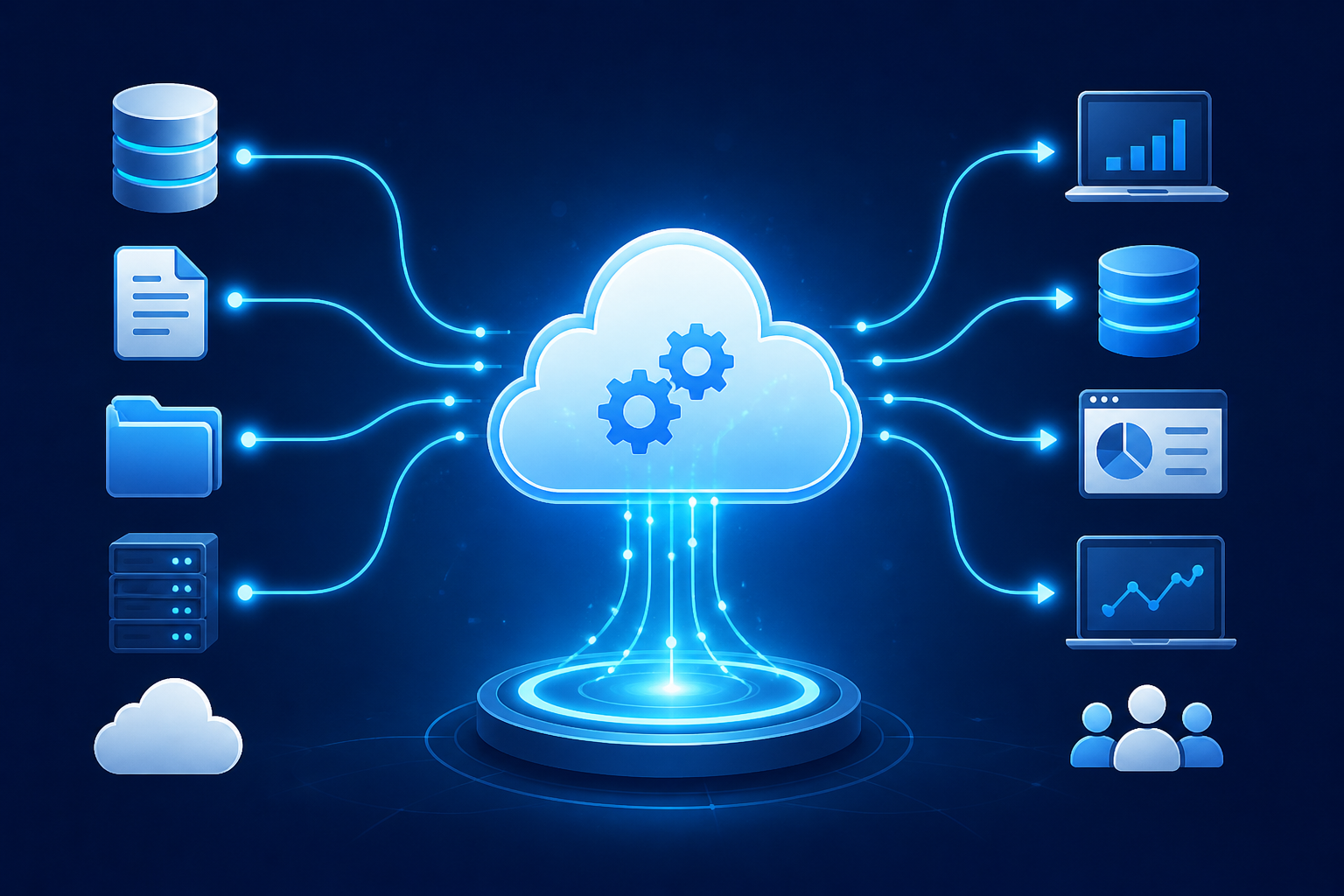
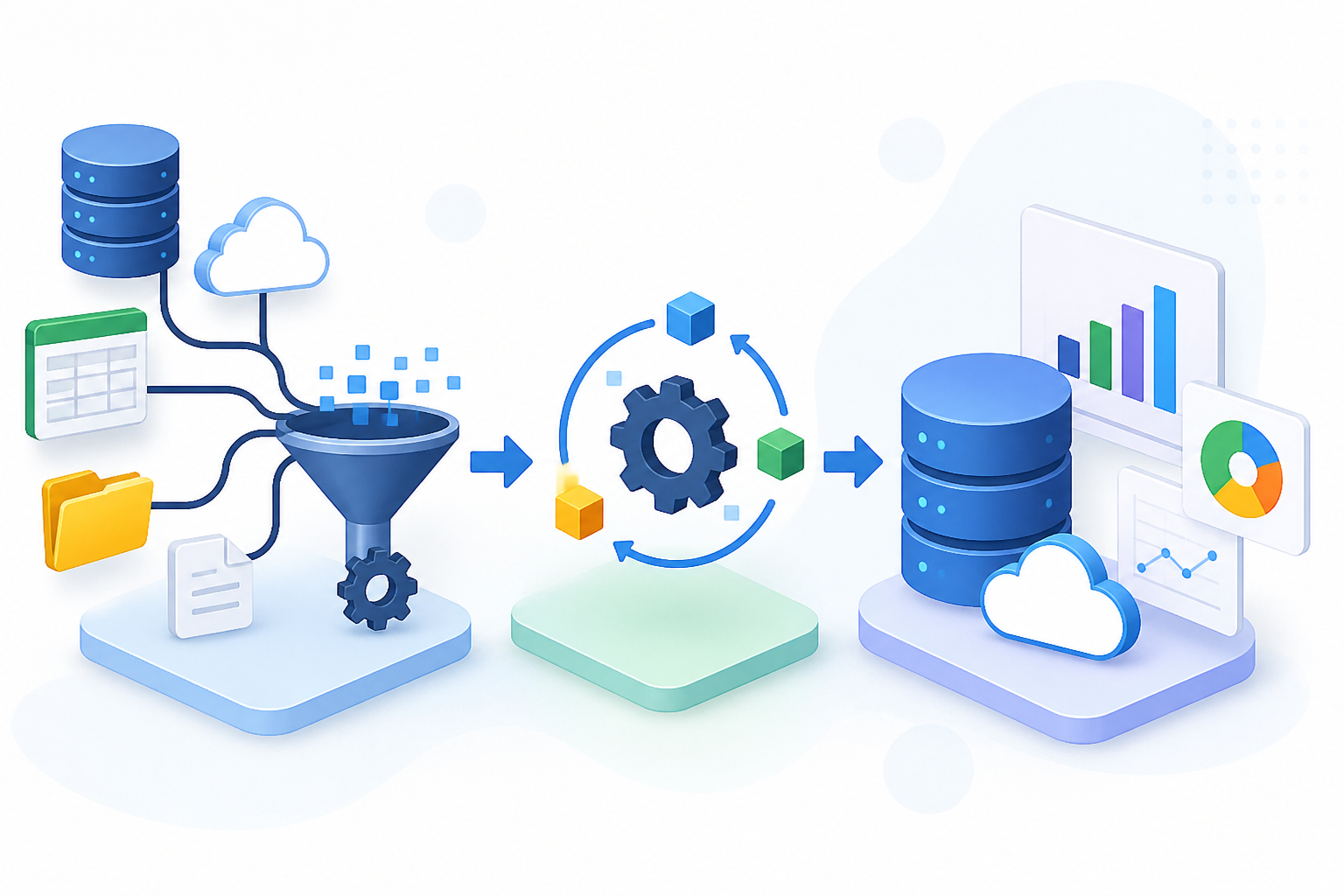
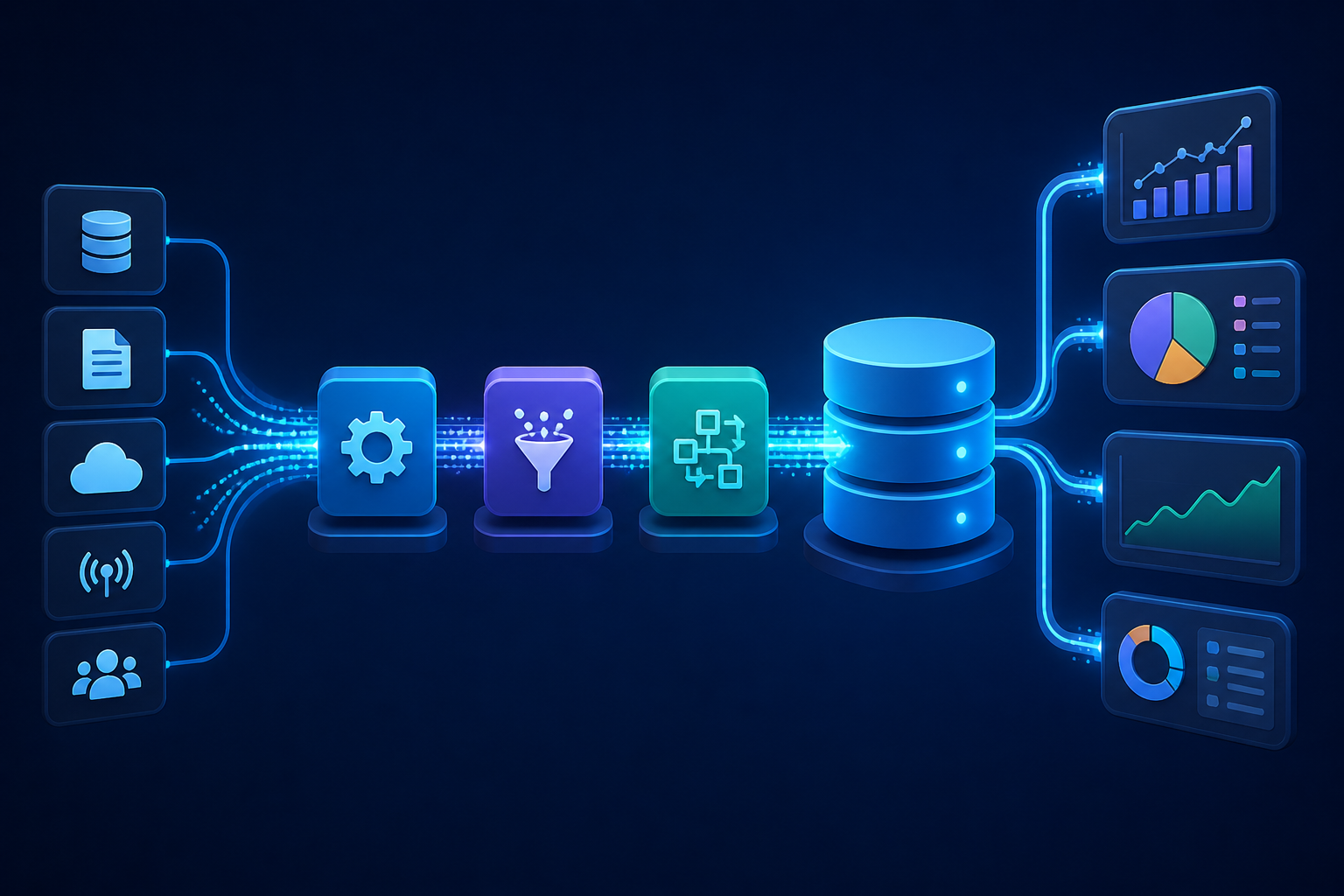
EiPaaS stands for Enterprise Integration Platform as a Service. It is a cloud-based platform that provides a suite of tools and services designed to integrate various applications, data, and processes across multiple environments. EiPaaS offers a complete approach to integration, providing scalability, flexibility, and advanced capabilities that are essential for large-scale businesses. This platform allows businesses to streamline their operations by connecting different systems and applications, enabling smooth data flow and communication. With EiPaaS, organizations can automate workflows, improve efficiency, and improve collaboration between teams. Additionally, EiPaaS offers strong security measures to protect sensitive data and ensure compliance with industry regulations.
Key Features of EiPaaS:
- Cloud-Native Integration: Offers tools for integrating cloud-based and on-premises applications smoothly. This allows businesses to make the most of both environments and easily transfer data between them. EiPaaS also provides scalability, allowing businesses to handle increased data volumes and user demands without compromising performance. Furthermore, it offers real-time monitoring and analytics capabilities, giving businesses valuable insights into their operations and helping them make informed decisions.
- Real-Time Data Processing: Supports the real-time exchange of data across different systems. This enables businesses to make immediate decisions based on up-to-date information, improving their agility and responsiveness. Additionally, real-time data processing improves customer experiences by enabling personalized and timely interactions, ultimately driving customer satisfaction and loyalty.
- Scalability and Flexibility: Easily grows to meet increasing business demands. This allows businesses to expand their operations without experiencing any limitations in data processing capabilities. Furthermore, the flexibility of real-time data processing enables businesses to quickly adapt to changing market conditions and implement new strategies effectively.
- Advanced Security: Ensures secure data transmission and compliance with industry standards. This helps businesses protect sensitive customer information and maintain trust. Additionally, strong security measures help businesses stay ahead of potential cyber threats and reduce risks associated with data breaches.
The Role of API Management
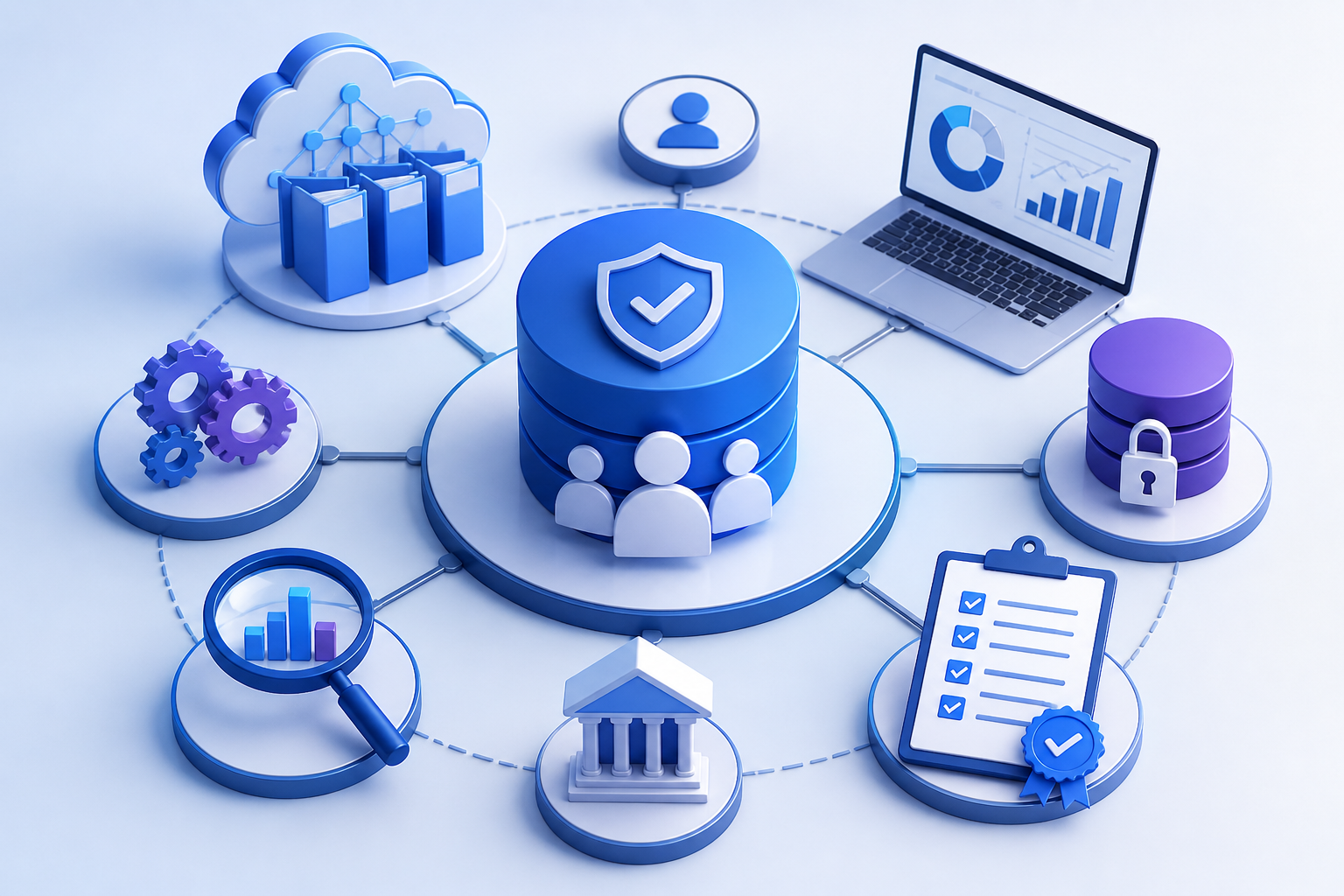
API Management is the process of overseeing and controlling APIs in a secure, scalable environment. This involves the creation, publication, maintenance, and analysis of APIs in a secure and scalable environment. The main goal of API management is to ensure that the APIs are accessible, reliable, and secure. API management plays a crucial role in enabling organizations to effectively manage and govern their APIs. It provides a centralized platform for developers to create, publish, and monitor APIs, allowing for smooth integration with various applications and systems. Additionally, API management helps organizations improve their API performance, track usage metrics, and enforce security measures such as authentication and authorization.
Key Components of API Management:
- API Gateway: A tool that acts as an intermediary for API requests and responses. It handles tasks such as request routing, rate limiting, and caching to ensure efficient and secure communication between clients and APIs. API Developer Portal: A self-service platform where developers can access documentation, sample code, and other resources to understand and use the APIs effectively. It also provides a way for developers to register their applications and obtain API keys for authentication purposes.
- API Developer Portal: A platform for API developers to create, document, and test APIs. It allows developers to define the endpoints, methods, and parameters of their APIs, as well as generate documentation automatically. Additionally, the API Developer Portal provides a sandbox environment where developers can test their APIs before deploying them to production.
- API Analytics: Tools for monitoring API usage and performance. These tools provide insights into how APIs are being used, including information on the number of requests, response times, and error rates. API analytics can help developers identify bottlenecks and optimize their APIs for better performance. Additionally, they can also track usage patterns and identify potential security threats or misuse of the APIs.
- API Security: Measures to protect APIs from unauthorized access and threats. API security measures can include authentication and authorization protocols, such as OAuth or API keys, to ensure that only authorized users can access the APIs. It may also involve implementing encryption and data privacy measures to protect sensitive information exchanged through the APIs. Regular security audits and vulnerability assessments can further enhance the overall security of the APIs.
Streamlining API Integration in Large Enterprises
Integrating EiPaaS with API management can significantly streamline API integration for large enterprises. This integration allows for easy communication between different systems and applications, reducing the complexity and time required for integration projects. Additionally, EiPaaS provides advanced features such as data mapping and transformation, ensuring compatibility and consistency across various APIs. Here’s how:
Simplified Integration Processes
EiPaaS platforms provide pre-built connectors and integration templates that make the process of connecting various systems and applications easier. This reduces the complexity and time involved in API integration. These pre-built connectors and integration templates are designed to be easily customizable, allowing businesses to tailor their integrations to their specific needs. This flexibility ensures that enterprises can efficiently connect and exchange data between different systems without the need for extensive coding or development resources.
Enhanced Scalability
With EiPaaS, enterprises can quickly scale their integration efforts to meet the demands of their growing businesses. The cloud-based nature of EiPaaS allows for easy expansion without significant infrastructure investments. This scalability is particularly useful for businesses experiencing rapid growth or those that need to quickly adapt to changing market conditions. Additionally, EiPaaS offers the ability to handle large volumes of data and support high transaction rates, ensuring that businesses can integrate and exchange information smoothly as their operations expand.
Improved Data Consistency
EiPaaS ensures consistent data flow across different systems. This consistency is critical for large enterprises, where data is a key asset. In addition, EiPaaS provides real-time data synchronization and integration, ensuring that all systems have access to the most up-to-date and accurate information. This not only improves decision-making processes but also enhances overall operational efficiency by reducing errors and minimizing data discrepancies.
Centralized Management
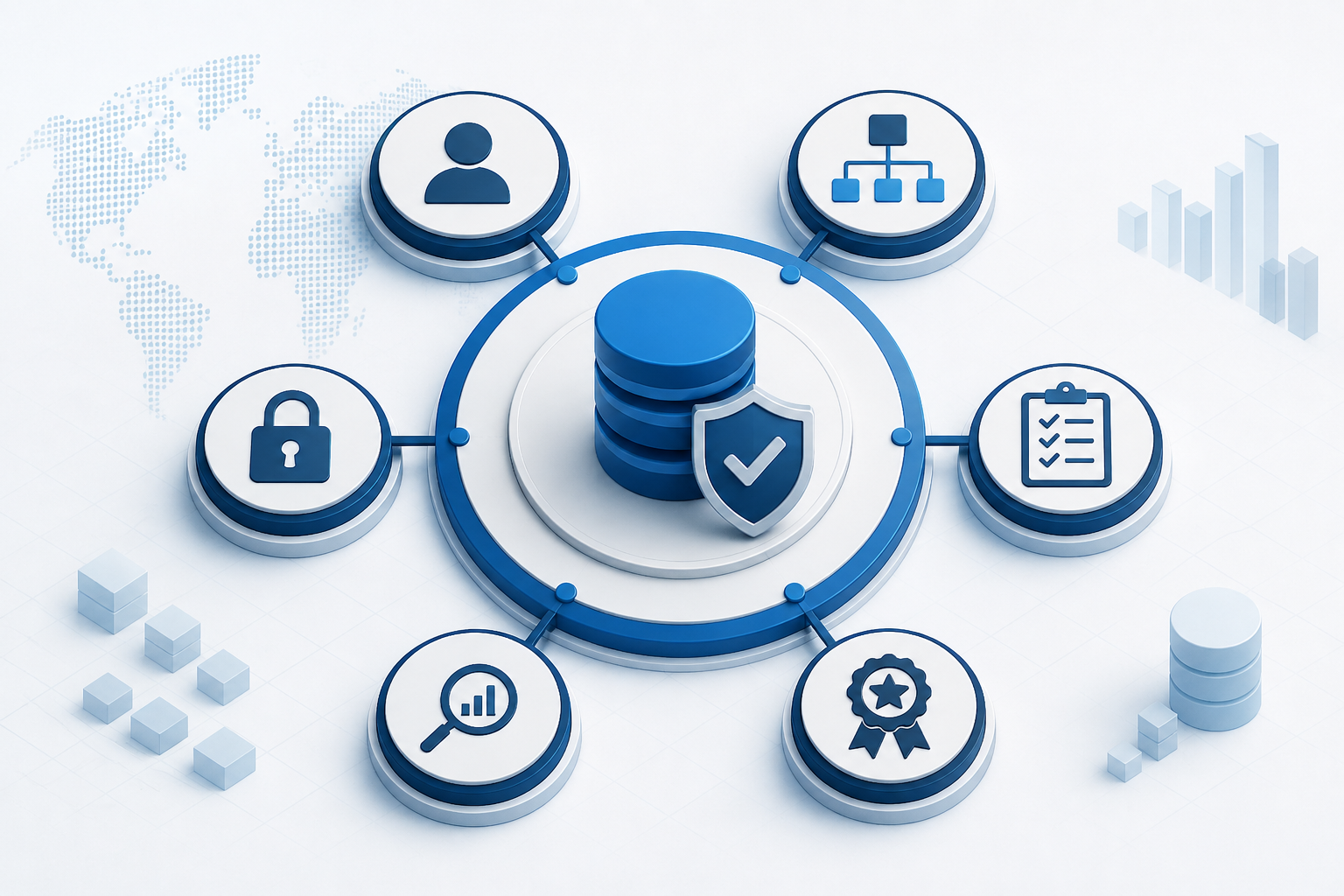
API management tools offer a centralized console for managing all APIs. This centralization makes it easier to monitor, secure, and analyze APIs, leading to better control and governance. Furthermore, EiPaaS enables easy connectivity between different applications and systems, allowing for smooth data flow and collaboration across the organization. This promotes agility and flexibility in adapting to changing business needs and facilitates the implementation of new technologies or processes. Ultimately, EiPaaS helps large enterprises to optimize their operations, drive innovation, and stay competitive in today’s rapidly changing digital environment.
Better Security
Integrating EiPaaS with API management enhances security. EiPaaS offers secure data transmission, while API management provides robust authentication and authorization mechanisms. These security measures ensure that only authorized users have access to the data and prevent any unauthorized access or data breaches. Additionally, EiPaaS and API management also enable the monitoring and tracking of data usage, allowing organizations to identify and address any potential security vulnerabilities in real-time. This comprehensive security framework ensures that sensitive data remains protected throughout its lifecycle, giving organizations peace of mind when it comes to their data integrity and compliance with regulatory requirements.
Real-World Applications
To understand the impact of EiPaaS and API management, let’s explore some real-world applications:
Banking and Financial Services
Banks use EiPaaS and API management to integrate different banking applications, ensuring secure and real-time data exchange. This integration is vital for services like online banking, mobile apps, and real-time transaction processing.
Healthcare
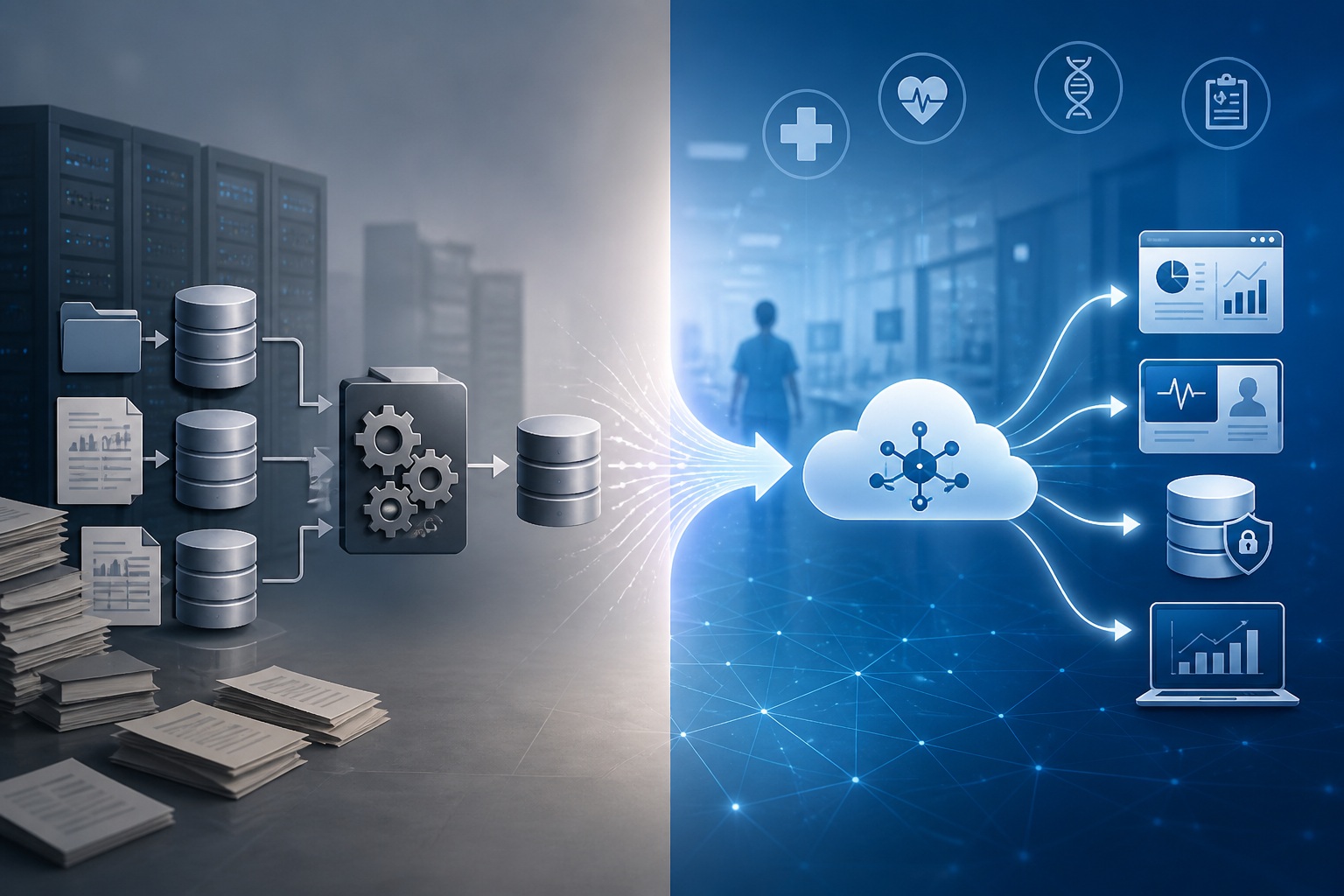
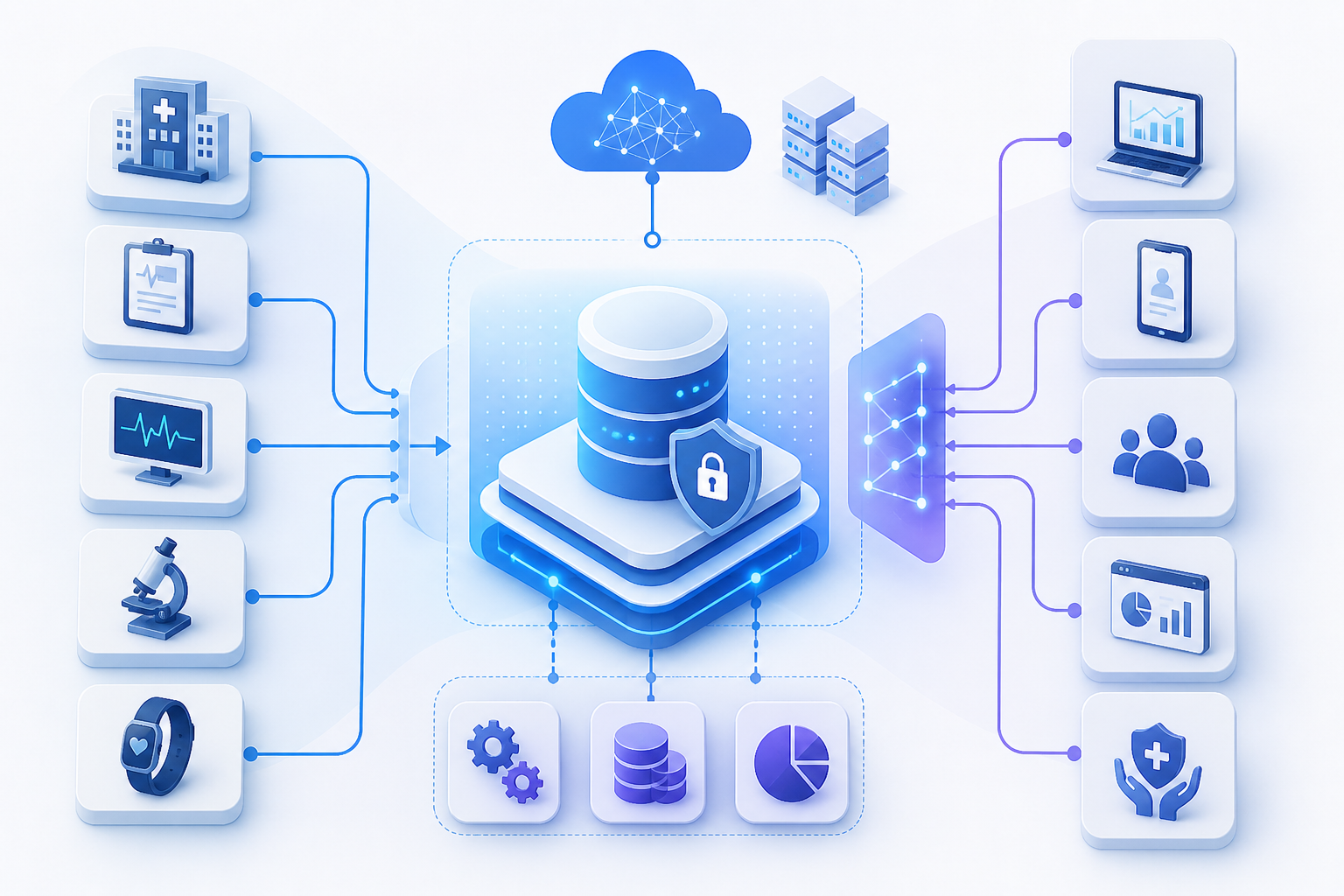
In healthcare, EiPaaS and API management help join together various healthcare systems. This integration is crucial for patient data management, telemedicine, and healthcare analytics.
Retail
Retail businesses use EiPaaS and API management for integrating e-commerce platforms, inventory management systems, and customer relationship management (CRM) systems. This integration improves the customer experience and streamlines operations.
Challenges and Best Practices
While EiPaaS and API management offer many benefits, there are challenges that enterprises must manage:
Security Concerns
As APIs expose business functionalities, they can be vulnerable to attacks. It’s essential to implement strong security protocols and regularly update them.
Managing Complexity
With the increase in the number of APIs, managing them can become complex. Adopting standards and best practices in API design can help in managing this complexity.
Ensuring Performance
High volumes of data and requests can impact API performance. Regular monitoring and optimization are necessary to maintain performance.
Conclusion
EiPaaS and API management are transforming how large enterprises handle API integration. By making processes more efficient, enhancing scalability, and ensuring security, these technologies are essential in today’s fast-paced digital environment. As enterprises continue to evolve, the adoption and efficient management of EiPaaS and API management will be crucial in maintaining a competitive advantage and achieving digital transformation goals.
Vorro’s platform, BridgeGate, exemplifies the principles of EiPaaS with features like Any-to-Any integration technology, enabling seamless, codeless integration. It underscores the importance of a centralized, scalable, and secure integration environment, aligning with key aspects of EiPaaS and API Management. Such a platform is crucial for large enterprises, offering time and cost efficiencies, and an average of 80% reduced integration time. For a more comprehensive understanding, visit our website.