Transforming Healthcare Software Integration: The Power of Healthcare Integration Platforms
Seeking some sort of assurance before a big decision is a familiar ground for most people in life. When it comes to healthcare, which can be highly costly, assurance comes in the form of healthcare insurance. This entire industry was created to offer financial protection to those needing expensive medical services. This industry needs to be integrated appropriately by healthcare providers, which is where the evolution of software integration and healthcare integration platforms has emerged.
The entire industry has been digitized to provide healthcare insurance to people better, and it has revolutionized software integration and healthcare integration platforms that invariably enhance efficiency, communication, and overall service delivery within the healthcare sector.
The Evolution of Healthcare Integration Platforms
Traditional Models and Challenges with Software Integration
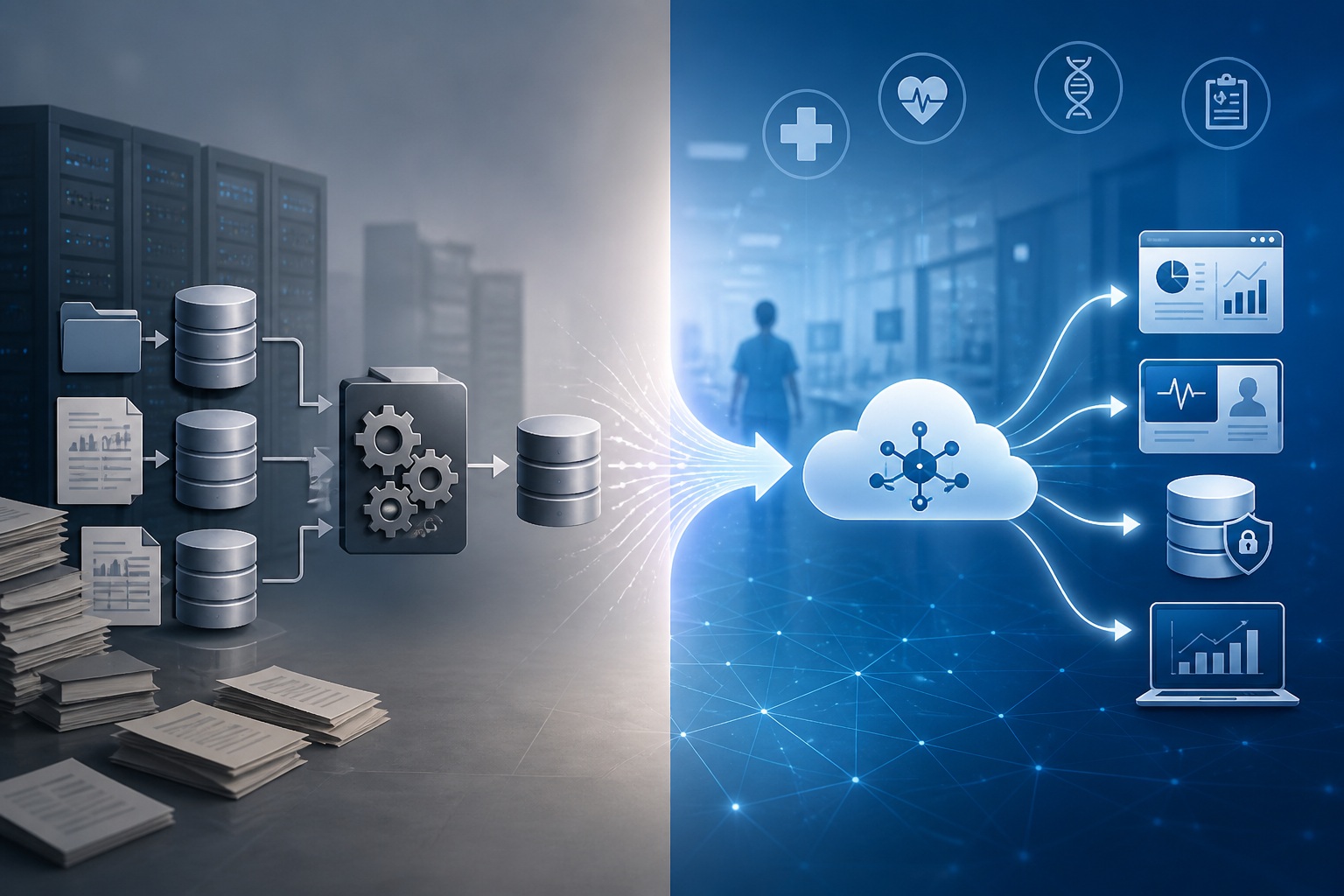
Almost all traditional healthcare insurance models had to battle unnecessary paperwork, slow claims processing rates, and limited accessibility due to the lack of proper healthcare integration platforms. This led to timely procedures that kept patients from acquiring their insurance on time and sometimes even having to opt out of it. Many healthcare providers still rely on manual methods, leading to inefficiencies due to a lack of software integration. This has been thwarted at last with solutions like BridgeGate that render immediate and successful data integration for healthcare companies.
Introduction of Healthcare Integration Platforms for Better Health Insurance
Software integration has finally begun addressing these challenges, with insurers adopting new-age digital solutions with better healthcare integration platforms for processes such as claims processing, policy management, and robust communication. However, fragmented systems and interoperability issues still persist, rendering this industry in a convoluted space.
Digital Transformation Trends with Software Integration Programs
There has certainly been a need for digitized solutions, which has led to the much-needed digital transformation in healthcare insurance. This is marked by a considerable shift towards streamlined healthcare integration platforms that ease procedural work and nullify any time-consuming paperwork, resulting in faster insurance claims and more satisfied patients. According to a report by Deloitte, many healthcare executives believe that such a digital transformation is their top strategic priority, emphasizing the need for more accessible and interconnected systems.
The Role of Healthcare Integration Platforms in Today’s World
What are Healthcare Integration Platforms?
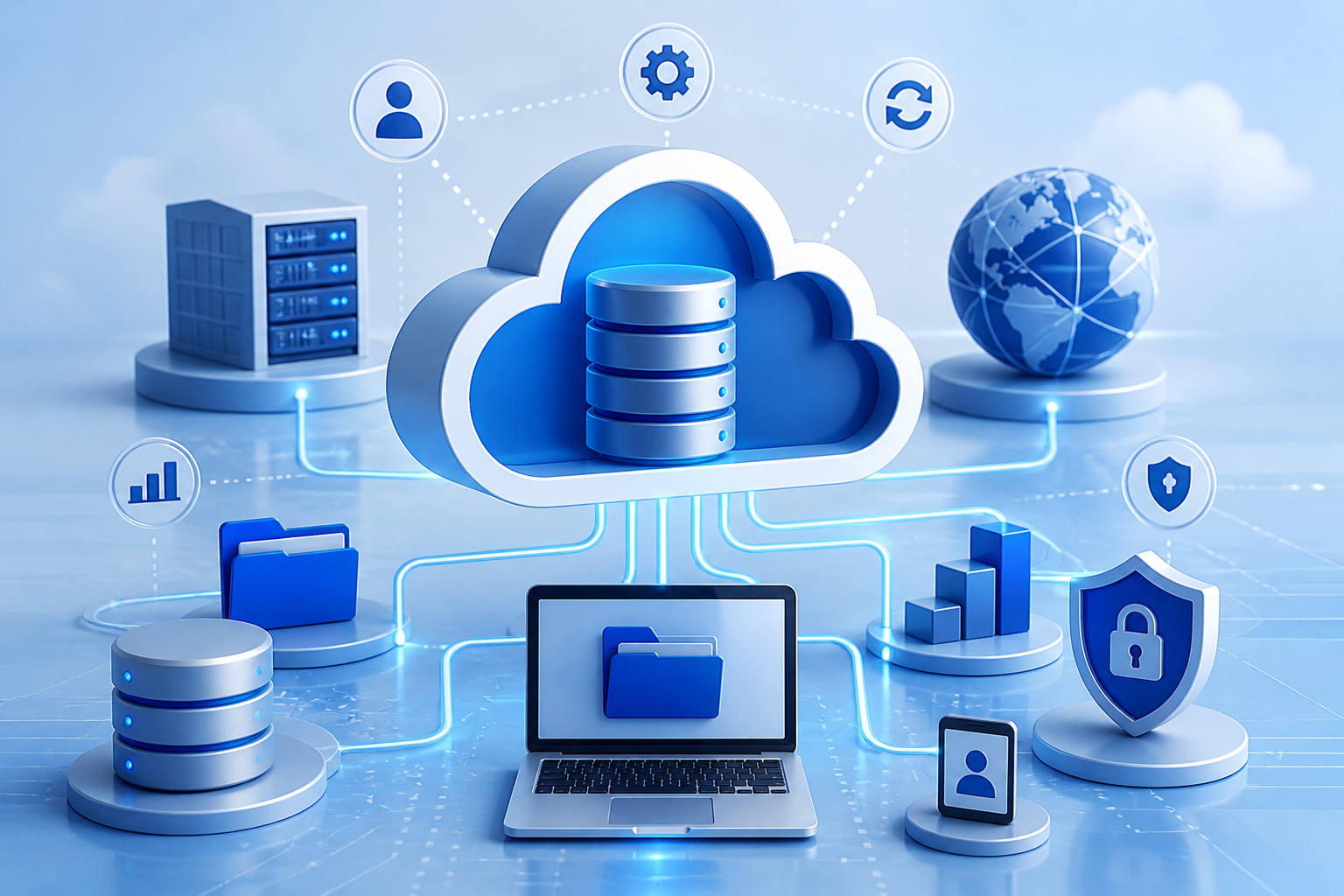
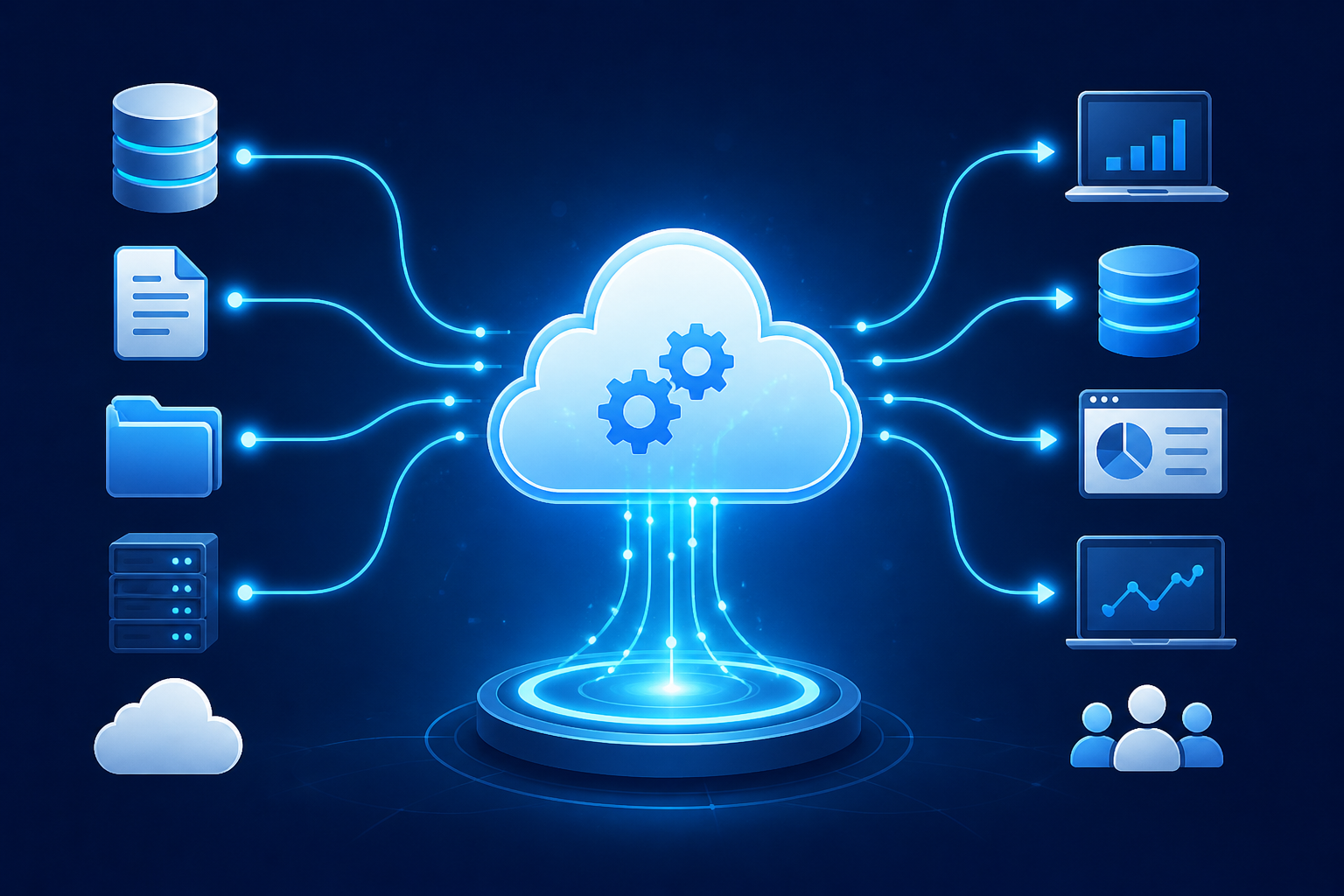
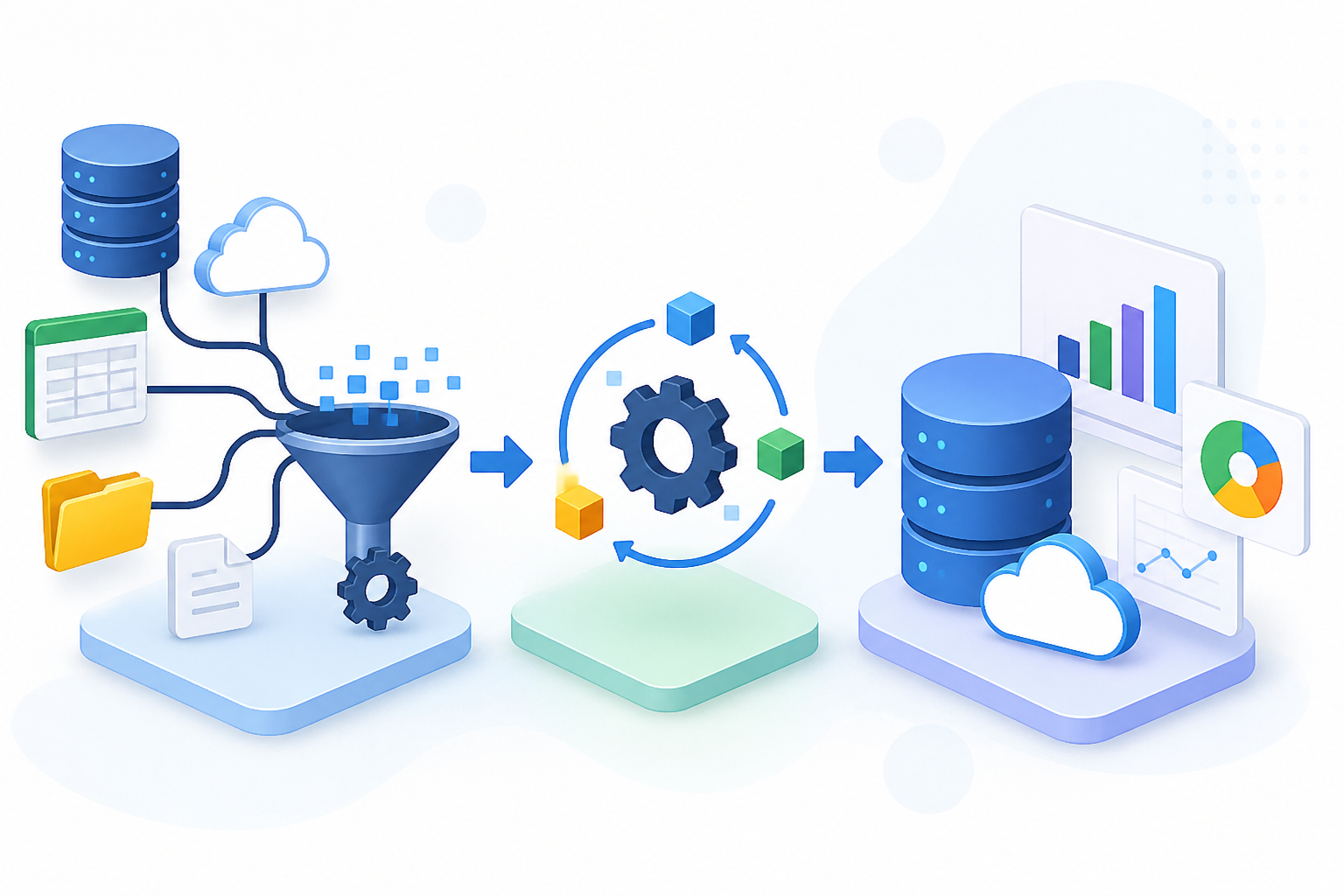
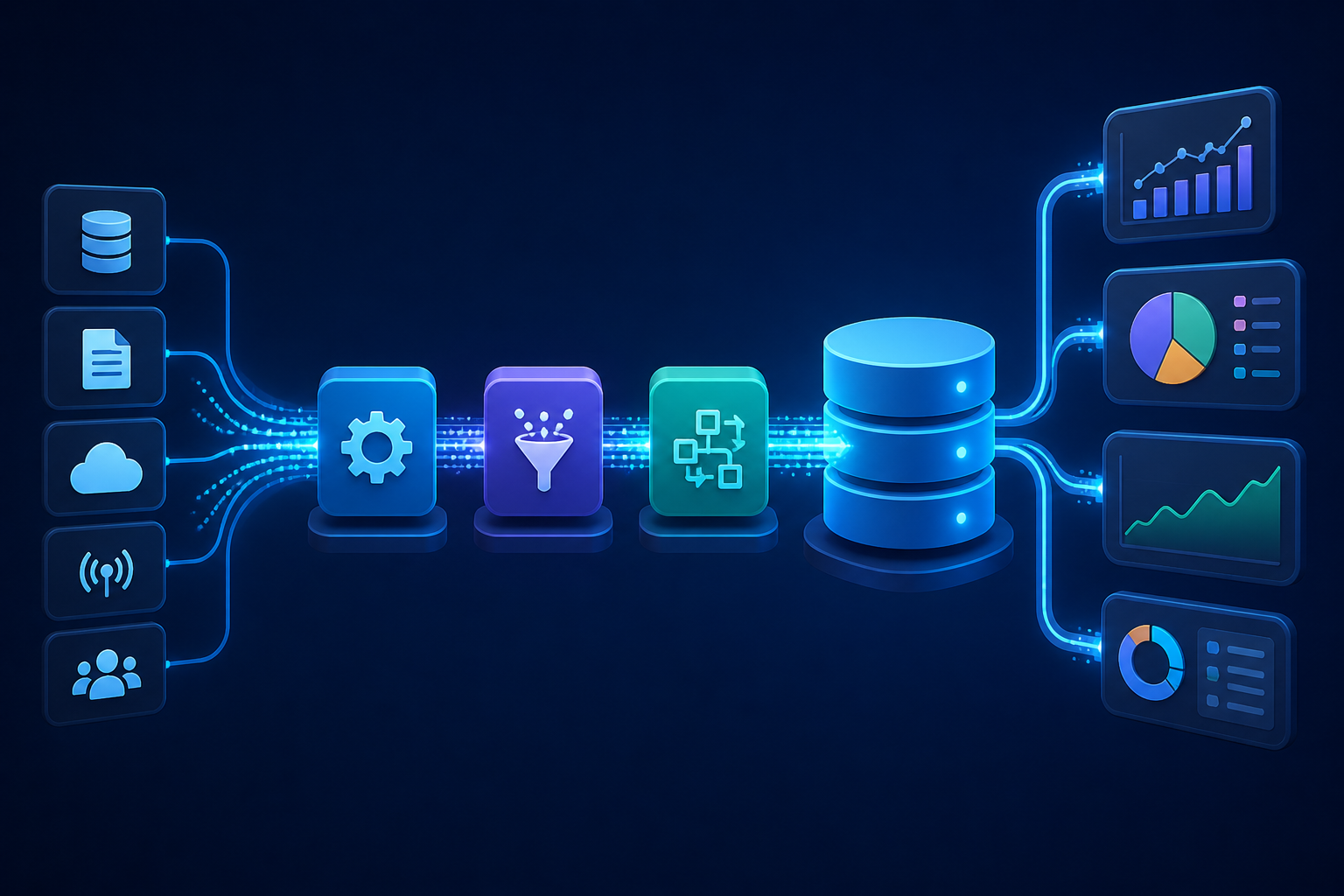
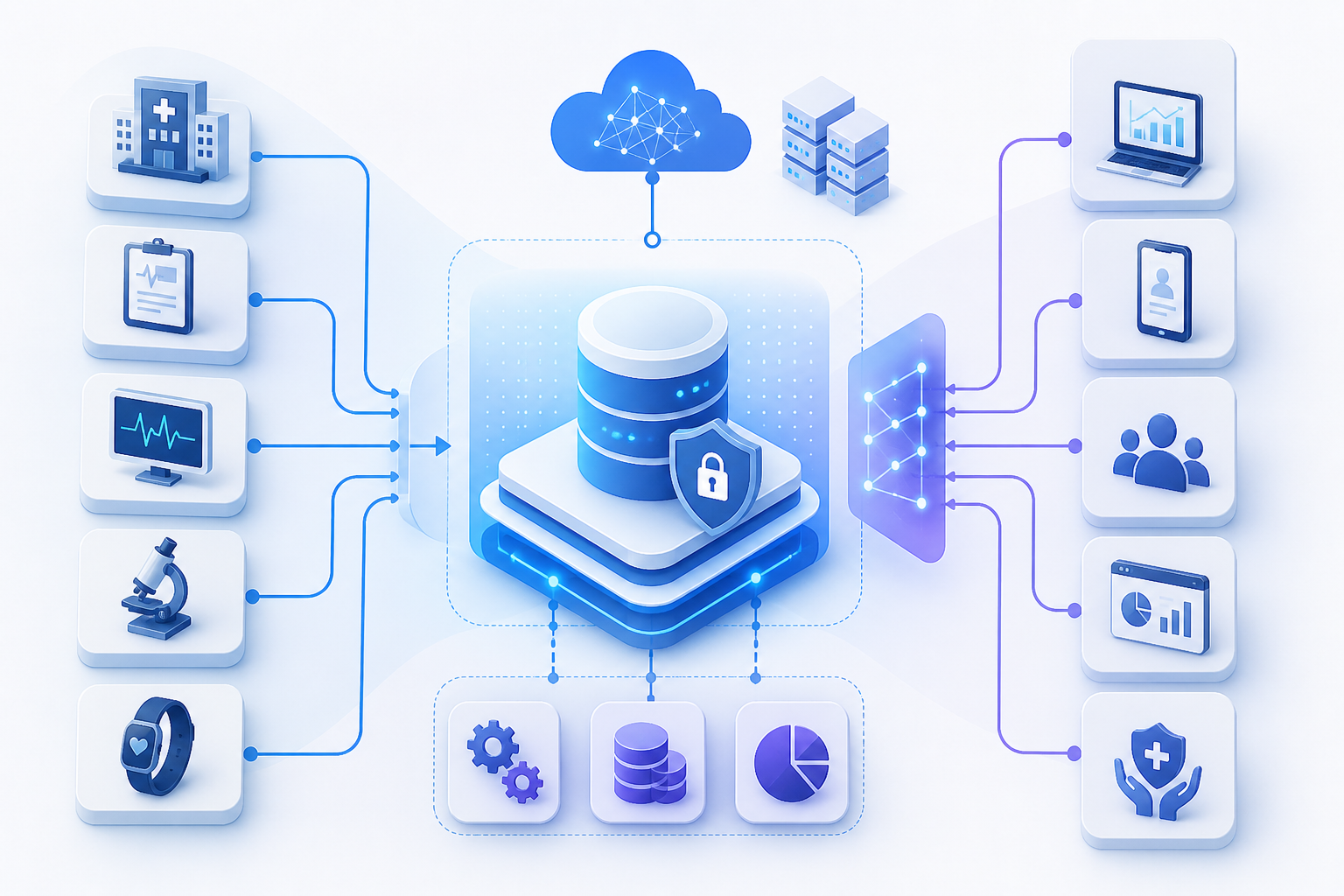
Healthcare integration platforms are simply new-age digital solution providers that ease the previously manual task of delivering health insurance to patients. They fasten the delivery and processing of insurance, particularly for emergent needs. Software integration solutions such as the BridgeGate healthcare integration platform are central hubs connecting disparate systems, applications, and data sources within the healthcare insurance ecosystem. In turn, they enable adequate data flow and communication between stakeholders and the end consumer.
Healthcare Integration Platforms in the Context of Health Insurance
Healthcare integration platforms play the most vital role when it comes to providing patients with health insurance on time. Ever wondered why so many patients suffer or even opt out of much-required medical procedures? This is due to the cumbersome and time-consuming insurance acquisition process. Vorro’s BridgeGateHealth Integration Solution plays a vital role in bridging the gaps between insurers, healthcare providers, and policyholders. To create a cohesive and efficient ecosystem, they facilitate effective software integration of diverse systems, including Electronic Health Records (EHRs) and claims processing systems. This helps healthcare providers offer insurance in a timely and effective manner without compromising on quality.
Key Features and Functionalities of Software Integration Platforms
Software integration platforms are basically systems that make it easier to process data and provide timely solutions by simplifying integration processes so as to enable healthcare providers to offer solutions in a timely and fixed manner. Healthcare Integration Solution offer robust features, including real-time data exchange, protocol translation, and data mapping. These features ensure that information flows quickly across different platforms, improving operational efficiency and data accuracy, thereby helping healthcare providers accelerate the process of offering services such as insurance to people in need.
Benefits of Software Integration Platforms in Healthcare Insurance
Improved Data Management
- Efficient data sharing and exchange
Have you ever wondered why the healthcare sector receives so much flak for lack of cooperation and too much paperwork? It is because of the lack of integration tools used by healthcare insurance providers. It is no surprise that most people run away from seeking essential medical health and resort to other means. However, with efficient Software integration platforms that enable healthcare insurers to share and exchange data efficiently, reducing the time required for information retrieval, healthcare providers can impact the industry in a profound manner. Such software integration platforms assure quicker decision-making processes and enhanced customer service.
- Enhanced data accuracy and security
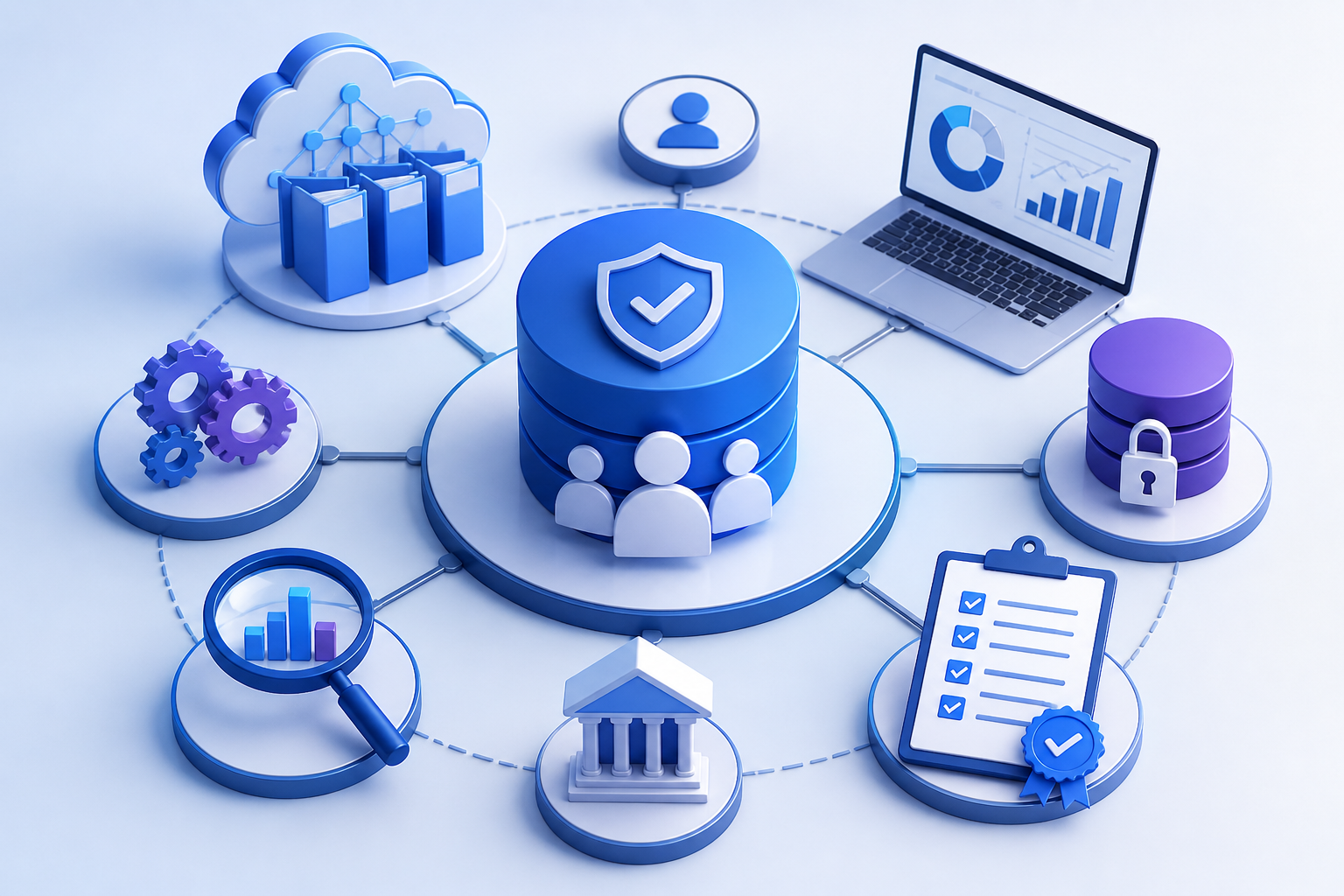
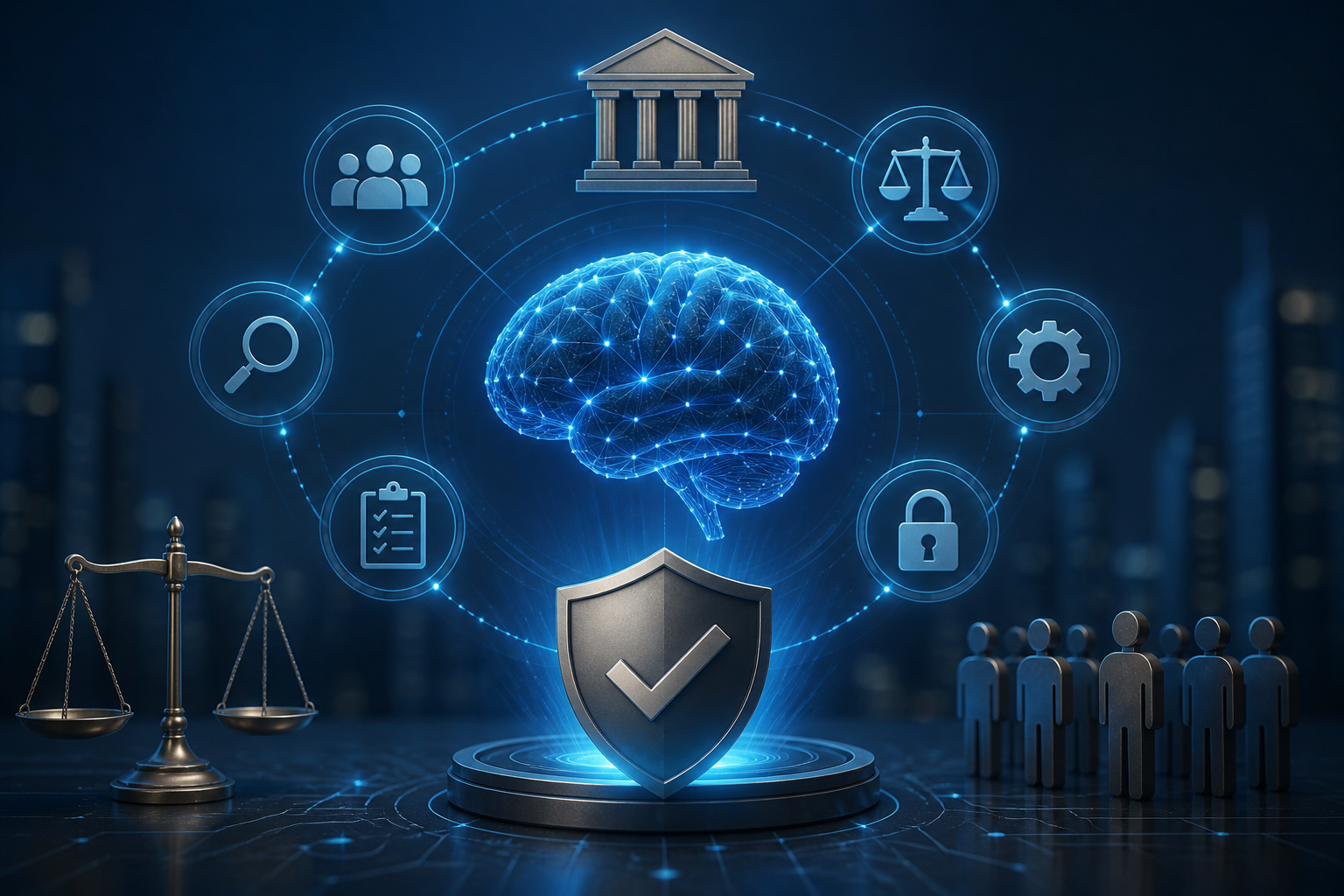
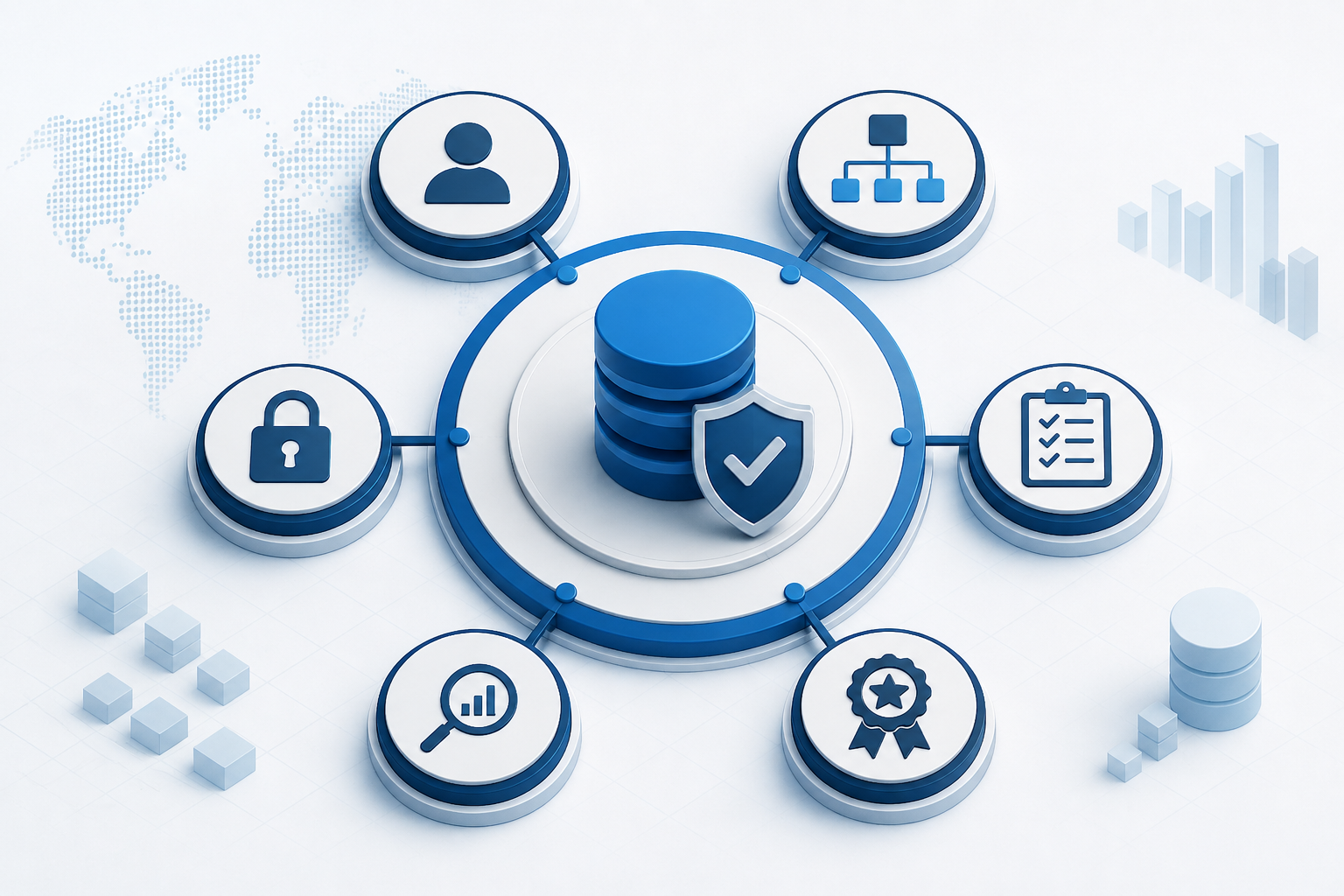
When we talk about the technical aspects of data integration within the healthcare insurance sector, aspects like data mapping and translation capabilities offer proactive solutions to ensure that information is accurately transferred between systems that reduce the risk of errors. Additionally, robust security measures safeguard sensitive healthcare data, aligning with industry compliances and regulations as well.
Enhanced Customer Experience
- Personalized services and communication
With more and more unique needs and requirements arising among patients and end-users of healthcare insurance, healthcare platforms must pay greater attention to detailed and personalized services. Software integration platforms enable healthcare insurers to leverage customized data for tailoring services and communication to all stakeholders. This personalized approach enhances customer experience and fosters stronger relationships with policyholders, who otherwise get a poor name in the industry.
- Real-time access to information for policyholders
By enabling such streamlined integration solutions, policyholders can gain real-time access to their insurance information. This, in turn, improves customer satisfaction and enables individuals to make wise decisions about their healthcare coverage and not opt out of essential medical treatments.
Increased Operational Efficiency
- Automation of processes
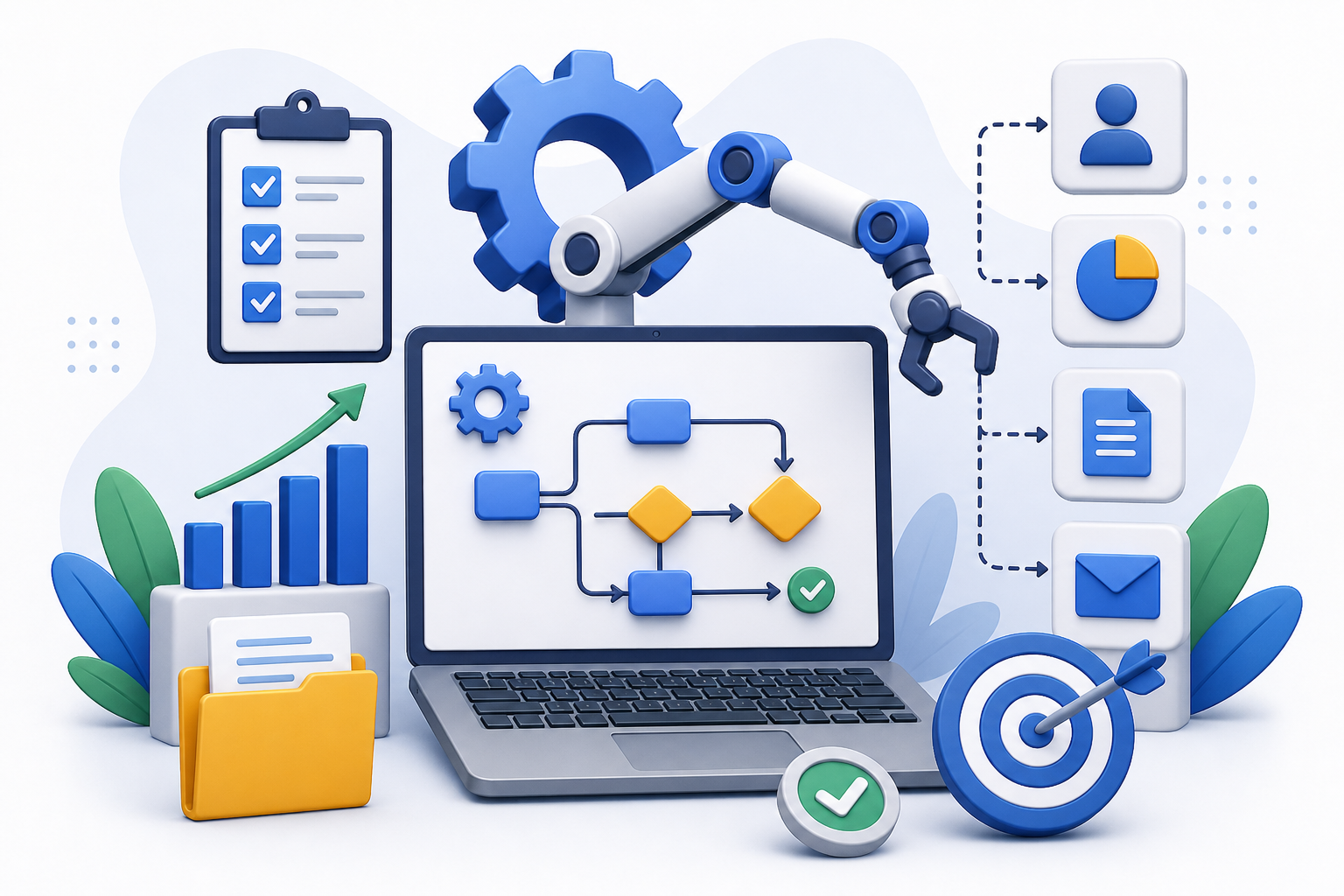
One of the most impactful aspects of these data integration services is the fact that they use automation tools that process data quickly in order to deliver their services in a timely manner. These integration platforms automate manual processes, reducing the administrative burden on healthcare insurers. Such automation increases operational efficiency and allows organizations to focus on delivering better services.
- Reduction in manual errors and administrative costs
Another pain point amongst healthcare insurance providers is the time and effort it takes to manually integrate data. This has now been eradicated entirely with the help of data integration solutions that automate key processes. By minimizing manual data entry and processing errors, automated solutions significantly reduce administrative costs as well. They also free up resources for more strategic initiatives within the organization.
Key Takeaways
The transformative journey of healthcare insurance through effective digitization and automation of necessary data processes and by utilizing integration platforms such as Healthcare Integration Solution has resulted in a promising picture for the future of healthcare across the globe. As we’ve explored the profound impact of streamlined data management, enhanced communication, and improved customer experiences, it becomes evident that embracing digital integration is not just a choice but a necessity for insurers looking to thrive in an ever-evolving landscape.
The success stories of healthcare insurers leveraging Vorro’s solutions serve as beacons, paving the path toward operational efficiency, heightened data accuracy, and significant cost reductions.
Schedule a demo with Vorro today to learn more about our healthcare integration platform.