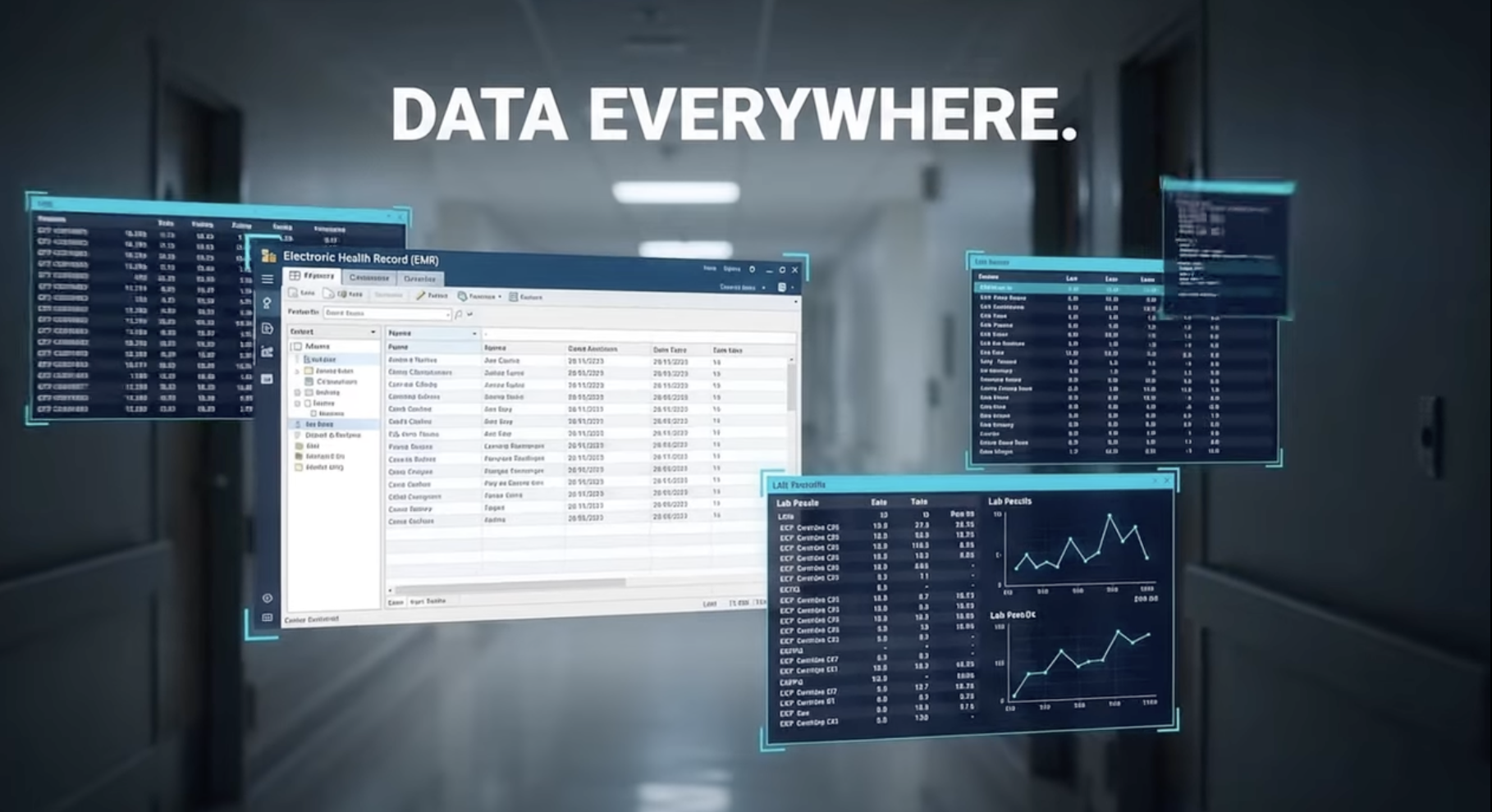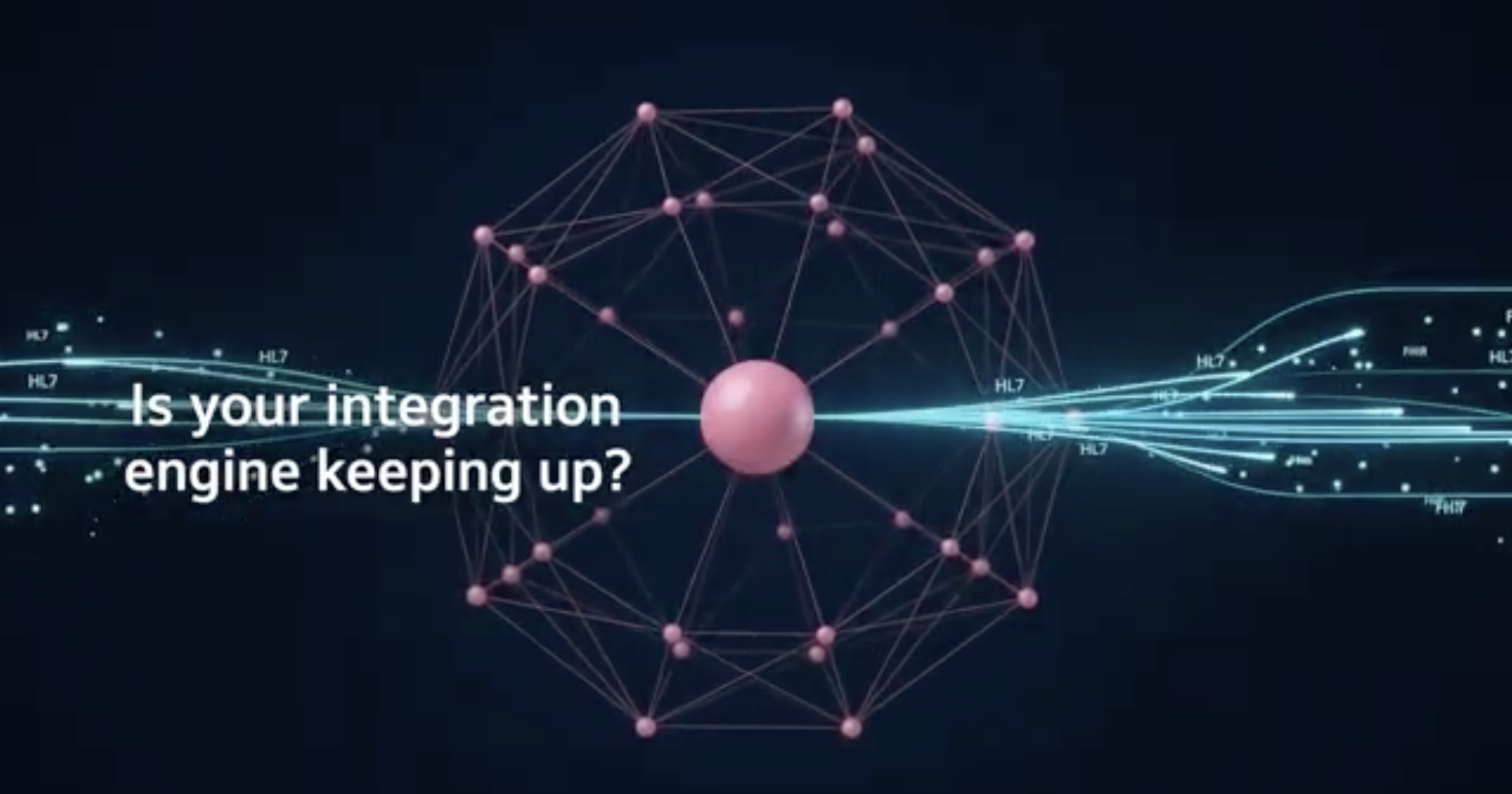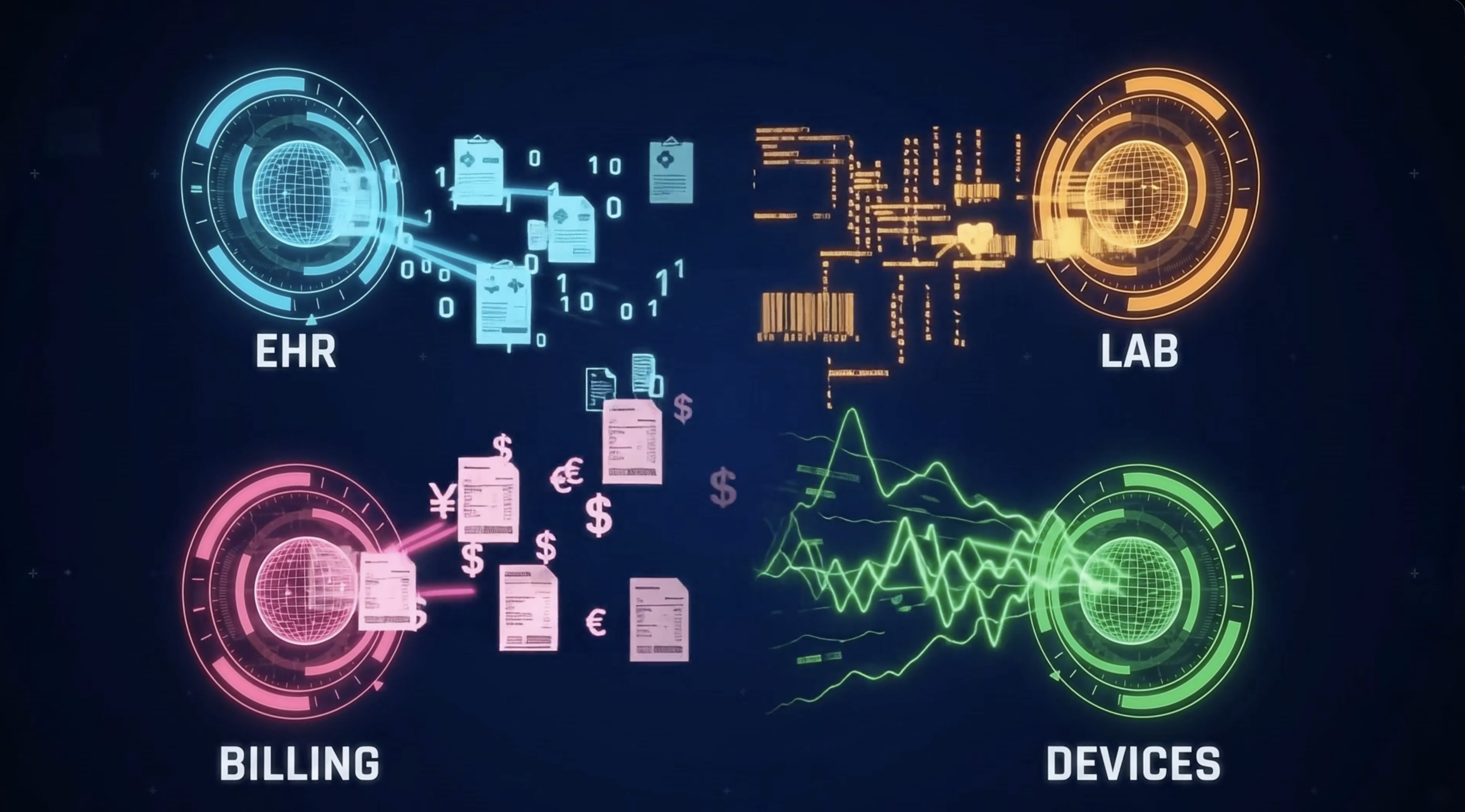
You sit on large volumes of clinical, operational, and financial data. Most of it resides in isolated systems, built at different times by different vendors for different purposes. You feel the pressure to connect it, use it, and trust it. The future of healthcare data integration will decide whether you deliver connected, insight driven care or stay locked in slow, manual processes that block progress.
The future of healthcare data integration is not only about moving data from point A to point B. It is about building a resilient digital backbone that keeps pace with evolving regulations, care models, payment structures, and patient expectations. To get there, you need healthcare data integration platforms that reduce complexity, not add to it.
This article walks through what these platforms are, how they are changing, and what you should prepare for next. You will see the healthcare data integration trends that matter and how next-generation healthcare integration supports your strategy today and tomorrow.
What Are Healthcare Data Integration Platforms
Healthcare data integration platforms connect data across your clinical, financial, and operational systems. They collect, standardize, transform, and route information so that your teams and applications see a consistent, reliable view.
A modern platform supports:
- Electronic health records and ancillary systems
- Claims and revenue cycle applications
- Laboratory, imaging, pharmacy, and device data
- Patient engagement tools, portals, and mobile apps
- Population health, analytics, and reporting solutions
Strong healthcare integration solutions do more than pass messages. They apply rules, validate data quality, enforce security, and monitor flows in real time. The future of healthcare data integration turns these platforms into strategic control centers for your enterprise data.
Evolution of Healthcare Data Integration Platforms
Earlier integration tools focused on point-to-point connections. Interfaces were custom, brittle, and hard to maintain. Each new application required a separate set of one-off integrations. You carried growing risk with each upgrade or vendor change.
Over time, interface engines and shared hubs replaced many of these links. Vendors standardized more around HL7 and other messaging formats. Integration teams gained better monitoring and control, but complexity stayed high. Each new use case still needed custom work.
Today, the future of healthcare data integration moves beyond interface engines. You see cloud healthcare data integration, API-based connectivity, reusable services, and low-code configuration. Healthcare data integration platforms now support bi-directional flows across on-premise and cloud systems, with shared models that scale across sites and business units.
Why the Future of Healthcare Depends on Advanced Data Integration
Advanced integration is not an IT luxury. It supports your core mission. When data flows accurately and securely, you:
- Give clinicians a complete view of the patient in context
- Support coordinated care across facilities and partners
- Improve throughput for registration, scheduling, coding, and billing
- Feed quality, risk, and performance programs with trusted data
- Reduce manual work, rework, and data correction
The future of healthcare data integration also influences your readiness for new care models. Value-based contracts, remote care, and partnerships with nontraditional players all rely on timely, accurate, and interoperable data flows. Without advanced healthcare integration solutions, those strategies stall.
Key Trends Shaping the Future of Healthcare Data Integration
Several healthcare data integration trends now shape your options and your roadmap. The most important include:
- Shift from on-premise engines to cloud healthcare data integration platforms
- Use of API-first integration and FHIR-based services
- Growth in AI-driven healthcare data integration for mapping and anomaly detection
- Real-time and event-driven patterns for alerts and care coordination
- Greater focus on zero-trust security and regulatory alignment
- Closer link between integration fabric and analytics environments
Each trend affects how you plan investments, structure teams, and manage vendor risk. When you look at the future of healthcare data integration, you should evaluate platforms based on how well they support these shifts without locking you into rigid architectures.
Role of Cloud-Native and API-First Integration Platforms
Cloud native integration brings elasticity, resilience, and global reach to your data strategy. Rather than focusing on physical capabilities, you think about configuration and governance. The cloud-based healthcare data integration platform helps you easily scale your connected systems as needed-increasing facilities, partners, and/or regions.
API first design complements the approach. You provide standard services for patient information, orders, results, scheduling, billing, etc. Applications, both internal and external, can then use APIs to communicate instead of direct feeds. This helps to eliminate redundancy and increase control.
In the future of healthcare data integration, API based connectivity will sit alongside HL7 and batch interfaces. You will need platforms that support both legacy and modern patterns in one place. Strong healthcare data integration platforms provide a unified view of interface health, routing, retries, and transformations, regardless of transport.
When you select next-generation healthcare integration solutions, look for:
- Cloud native deployment options and flexible hosting models
- API gateways and developer-friendly tools
- Unified monitoring for APIs, messages, and events
- Support for hybrid architectures during transition periods
AI and Machine Learning in Next-Generation Data Integration
AI-driven healthcare data integration enables faster, more reliable decisions about how data should flow and what it should look like. Instead of building every mapping and rule by hand, you gain assistance that spots patterns and suggests transformations.
For example, AI can:
- Recommend field mappings between new and existing systems
- Flag outliers or suspicious data values in real time
- Suggest normalization rules for codes and vocabularies
- Prioritize integration incidents based on business impact
In the future of healthcare data integration, these capabilities will shorten project timelines and raise data quality. Your teams will focus more on strategy and less on repetitive configuration. Next-generation healthcare integration platforms will embed AI into workflows rather than offering it as a separate layer.
When you review healthcare data integration platforms, evaluate how they apply AI in practical ways. Look for auditability, explainability, and strong controls so that AI enhances governance rather than bypassing it.
Interoperability-First Architectures and Standards (FHIR, HL7)
Interoperability-first design starts from standards, not from one vendor’s preferred format. HL7 and FHIR play a central role in this shift. HL7 supports long-standing messaging patterns, while FHIR focuses on granular, API friendly resources.
The future of healthcare data integration will rely on both. You will continue to exchange HL7 messages with multiple systems while expanding FHIR-based APIs for patient access, care coordination, and analytics.
Strong healthcare interoperability platforms help you:
- Translate between HL7, FHIR, and proprietary formats
- Apply consistent terminology and code sets across flows
- Expose FHIR endpoints while still serving legacy consumers
- Maintain compliance with interoperability regulations
When you adopt interoperability-first architectures, you lower the cost of connecting new partners and solutions. You also strengthen your foundation for continuous change, which is central to the future of healthcare data integration.
Real-Time and Event-Driven Healthcare Data Integration
Tradition integration relied heavily on batch jobs. Data might be available hours or days after the fact. Current requirements, including clinical, financial, and operational use cases, demand timely access to data.
Event-driven integration patterns meet these needs. Your systems do not need to wait for a full file to be available; they communicate by sharing discrete events such as admissions, discharges, orders, results, or care plan changes, and subscribed applications respond to these events as they occur.
The future of healthcare integration is composed of a combination of:
- Real-time streaming for alerts and decision support
- Near real-time feeds for operational dashboards
Batch transfers for archival and bulk analytics
Effective data integration platforms should offer tools for event modeling, routing, and monitoring. These tools can help determine service-level settings based on use cases and maintain system resilience when downstream systems become unresponsive or slow.
Data Security, Privacy, and Compliance in Future Platforms
As integration patterns grow more complex, your risk surface grows with them. Every connection, API, and event stream must comply with privacy and security rules. Patients and regulators want the same level of security throughout the data lifecycle.
In the future of healthcare data integration, the best platforms will:
- Implement fine-grained access control schemes for all interfaces
- Encrypt data both at rest and during transit, even in the cloud
- Enabling Audit Logging and Traceability from Source to Consumer
- Offer policy-driven de-identification and masking
- Alignment with regional regulations and internal governance models
The RFP for the integration solutions should expect the solutions to integrate security into the workflow, not as an afterthought. Consistent controls across on-premise and cloud healthcare data integration reduce blind spots and improve your overall risk posture.
How Future Integration Platforms Support Value-Based Care
Value-based care programs depend on your ability to track outcomes, costs, and experiences across time and settings. That requires integrated data from EHRs, claims, pharmacy systems, care management tools, and community partners.
The future of healthcare data integration enables:
- Longitudinal patient records across venues and organizations
- Timely sharing of care plans and interventions
- Reliable attribution and risk stratification inputs
- Closed-loop communication for referrals and follow-up
When healthcare data integration platforms align with value-based strategies, you gain a consistent data foundation for quality reporting and contract performance. You reduce manual data gathering and reconciliation for each payer program.
Next-generation healthcare integration should support flexible cohort definitions, shared identifiers, and consistent metrics to keep pace with new contract terms and partnerships.
Impact on Healthcare Analytics and Decision-Making
Advanced analytics and decision support systems rely on integrated, trusted data. If integration is fragmented or late, your dashboards, models, and reports lose value.
The future of healthcare data integration will further tighten the link between transactional systems and analytics platforms. This includes:
- Standardized data models that feed analytics with less transformation
- Event-based feeds that update key metrics throughout the day
- Data quality checks before information reaches analytic stores
- Feedback loops from analytics to operational workflows
Cloud healthcare data integration brings additional flexibility. You can route data to data lakes, warehouses, and specialized engines while retaining control over lineage and access. Healthcare interoperability platforms coordinate these flows to lower duplication and errors.
With modern healthcare integration solutions, clinical and operational leaders gain more accurate, timely insight. Decisions depend less on manual spreadsheet extracts and more on shared, governed data assets.
Challenges and Best Practices for Adopting Future-Ready Platforms
Shifting to a future-ready integration model is not just about changing technology. The reality is you have to deal with real-world constraints, such as legacy systems, financial constraints, and a lack of skilled people for integrations. Common challenges include:
- Large numbers of existing interfaces and brittle connections
- Vendor lock-in with proprietary formats and tools
- Limited visibility of existing data flow and ownership
- Cycles of urgent, reactive integration requests
In order to move forward, some practical steps can be taken:
- Assess current integration inventory and rationalization where appropriate
- Prioritize use cases aligned to key strategies, like value-based care and digital front door
- Implement standards, including HL7 & FHIR in new work
Introduce the integration of cloud healthcare data in phases, beginning with lower-risk domains.
- Invest in governance and data stewardship, not just technology
Partnering with healthcare integration solution providers with extensive experience reduces risk. Expert teams can help you safely migrate, architect around interoperability first principles, and choose the right mix of API-based patterns for traditional patterns.
What Healthcare Organizations Should Prepare for Next
The integration of healthcare data will continue to accelerate. You should expect:
- Increased API calls and FHIR-based exchanges with external partners
- More cloud native applications requiring hybrid integration models
- Increased demands of patients regarding access to data and digital services
- More interoperability regulations, more privacy regulations, more reporting regulations
- More sources of data: devices, remote monitoring, and social data
- Defines your target integration architecture and standards
- Identifies high-value use cases for AI-driven healthcare data integration
- Aligns integration priorities with enterprise analytics and digital strategies
- Clarifies roles among IT, clinical, and business stakeholders
Next-generation healthcare integration is less about individual projects and more about a sustained program. With the right healthcare data integration platforms and practices, you can respond to new demands without rebuilding from scratch each time.

Conclusion
The future of healthcare data integration depends on your ability to combine cloud-native architectures, API-first design, AI-enabled capabilities, and strict data interoperability. Legacy interface engines alone will not support the reach, speed, and resilience you need.
By focusing on modern healthcare data integration platforms, real-time and event-driven patterns, and interoperability-first standards like FHIR and HL7, you position your organization for value-based care, stronger analytics, and more coordinated patient experiences.
Vorro helps you reach that future with healthcare interoperability platforms designed for complex environments. Vorro delivers cloud healthcare data integration, next-generation healthcare integration patterns, and expert services tailored to healthcare’s realities, so your teams gain a secure, reliable data backbone that supports mission-level outcomes.
Ready to align your integration roadmap with the future of healthcare data integration and move from fragmented interfaces to a unified, future-ready integration fabric? Connect with Vorro and build a healthcare data integration strategy that matches your vision for care and performance.
FAQs
What is the future of healthcare data integration?
The future of healthcare data integration centers on cloud-native, API-first, interoperability-driven platforms. These solutions support a wide range of legacy and modern systems; use AI to accelerate configuration and monitoring; and drive real-time, event-driven data flows supporting clinical, operational, and financial use cases.
How do healthcare data integration platforms support interoperability?
The healthcare information integration platform enhances interoperability with standard information formats such as HL7, FHIR, and user-defined formats. It also includes common data access APIs, code set management services, vocabulary services, and translation and routing services in the data integration platform. This can be used to share information across multiple sources and partners without maintaining individual connections.
Why is cloud healthcare data integration important?
Cloud healthcare data integration offers scalability, dependability, and adaptability. You can accelerate new connectivity, manage hybrid solutions, and adapt data integration to modern analytics and digital technologies. It also offers easier management because upgrades and improvements happen quickly for the entire system.
What role does AI play in next-generation healthcare integration?
Healthcare data integration driven by artificial intelligence supports data mapping, data quality, and anomaly detection. This enables suggesting data transformations, pinpointing potentially suspicious records, and assigning incident priorities. AI-driven healthcare data integration reduces the workload for integration staff and improves the quality of the data entering different systems.
How should healthcare organizations begin modernizing their integration strategy?
To modernize, the first step is to identify the existing interface and key use cases. For new projects, standards should be used, testing should be performed for cloud- and API-based integration in key areas, and governance should be improved. It should be noted that engaging a healthcare integration solutions company, such as Vorro, can help you develop a plan that addresses your technological, legal, and operational requirements.

Akshita is a Senior Content Writer and Marketer with over a decade of experience crafting narratives that convert, rank, and build lasting brand authority. She has worked across SaaS, FinTech, HealthTech, and Education spaces, delivering everything from HIPAA-compliant medical content to multilingual campaigns for the International Labour Organization, United Nations. Her content has reached audiences across the globe, and she has worked for Fortune 500 brands, global agencies, and startups alike. Fluent in English, Spanish, and German, Akshita brings a rare cross-cultural edge to brand communication. A literature graduate from Delhi University, she balances strategic thinking with a storyteller's instinct, but when she isn’t architecting content roadmaps, she channels her creativity into poetry and painting or dedicates her time to caring for stray animals - pursuits she credits for making her a more empathetic and perceptive communicator.