
Precise medical data is extremely valuable within the healthcare setting as it offers a thorough understanding of patient health and treatment. This data’s precision and accessibility are crucial for all patient engagements, assessments, and therapies. The surge in the global healthcare data integration market, which is projected to reach $7.1 billion by 2026 at a compound annual growth rate (CAGR) of 12.4%, highlights the importance of implementing healthcare data integration platforms. Interoperability standards, cloud computing, and the growing use of electronic health records (EHRs) are the main drivers of this expansion.
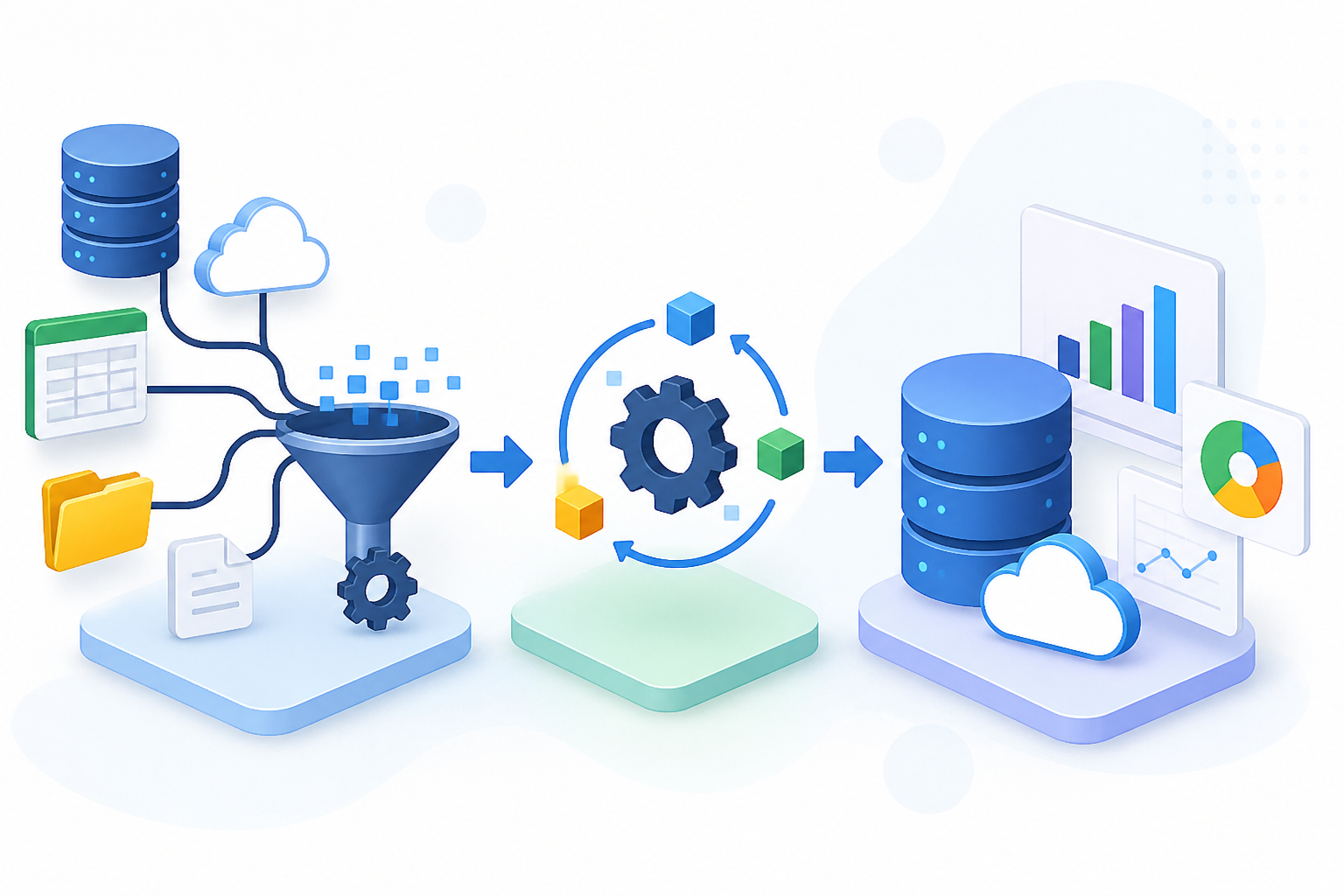
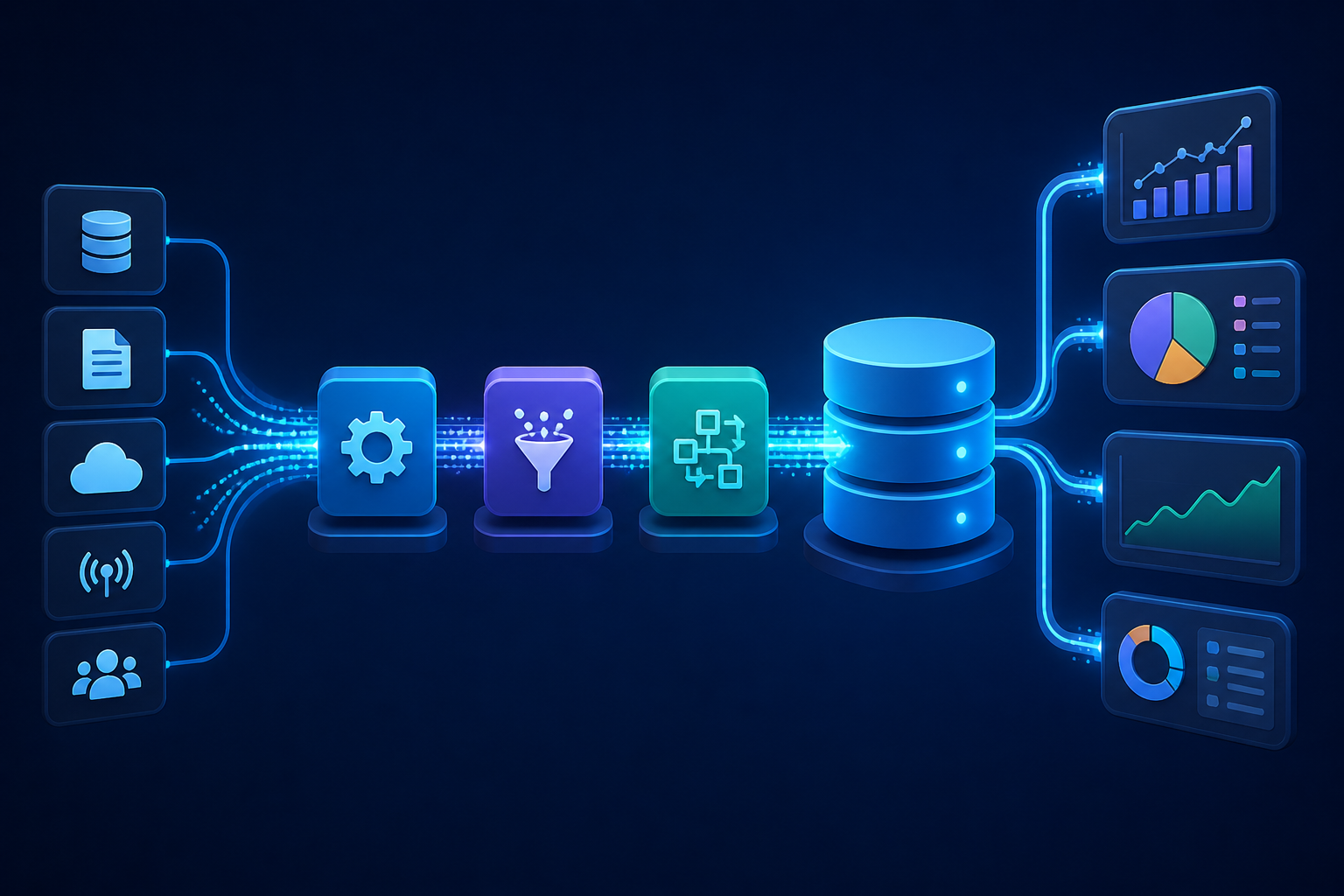
A healthcare data integration platform can combine multiple data sources to guarantee a consistent, current view of patient information across healthcare systems. resulting in enhanced decision-making, more effective workflows, and—above all—a discernible reduction in the amount of time that healthcare professionals must spend on their tasks.
Continue reading to discover the deep influence and importance of incorporating data integration platforms in the future of patient care and the healthcare field as a whole, covering use cases, advantages, challenges, and best practices for effective data integration.
Healthcare Data Integration Use Cases
Healthcare data integration platforms provide various applications within the healthcare system. Below are a few important utilization scenarios:
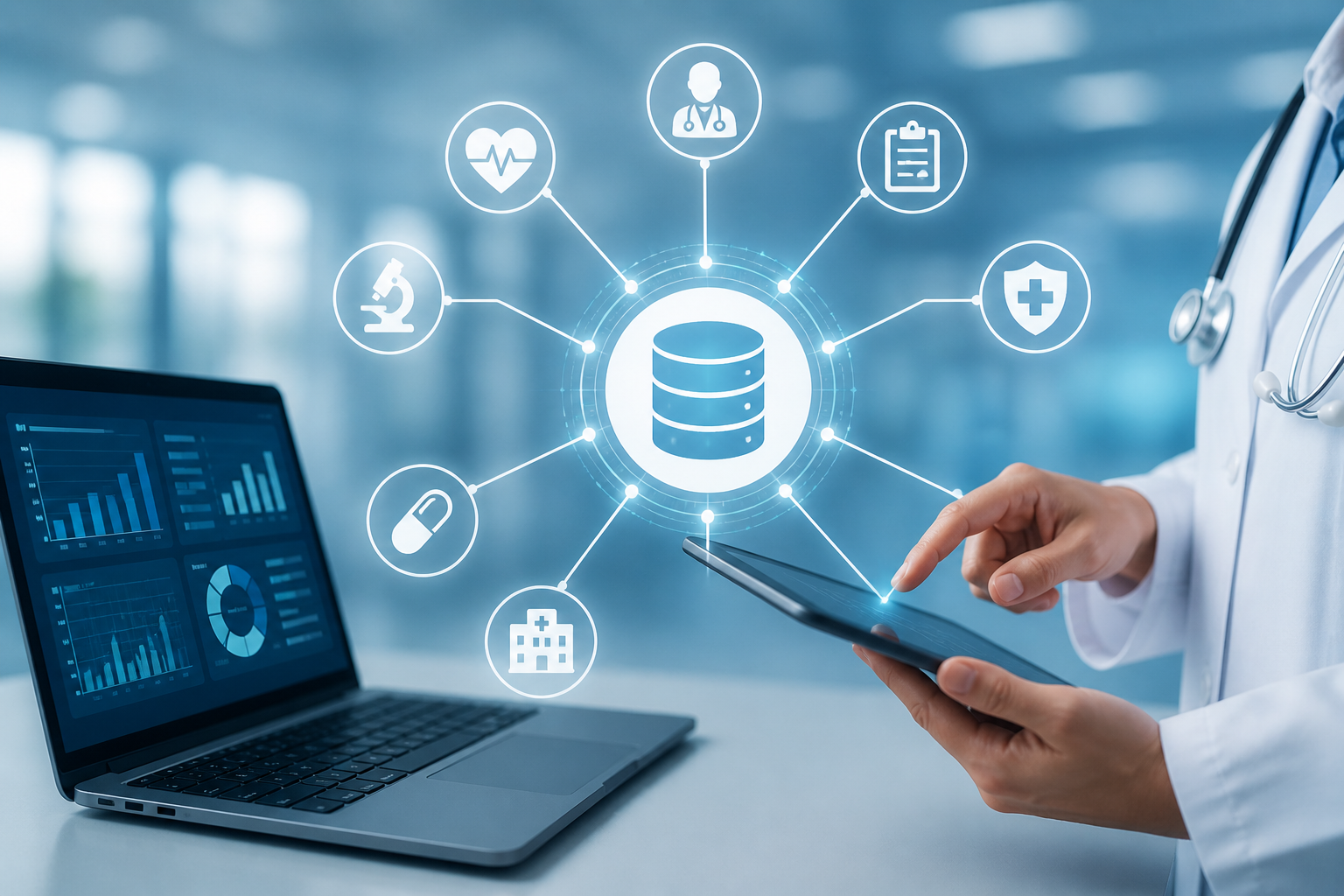
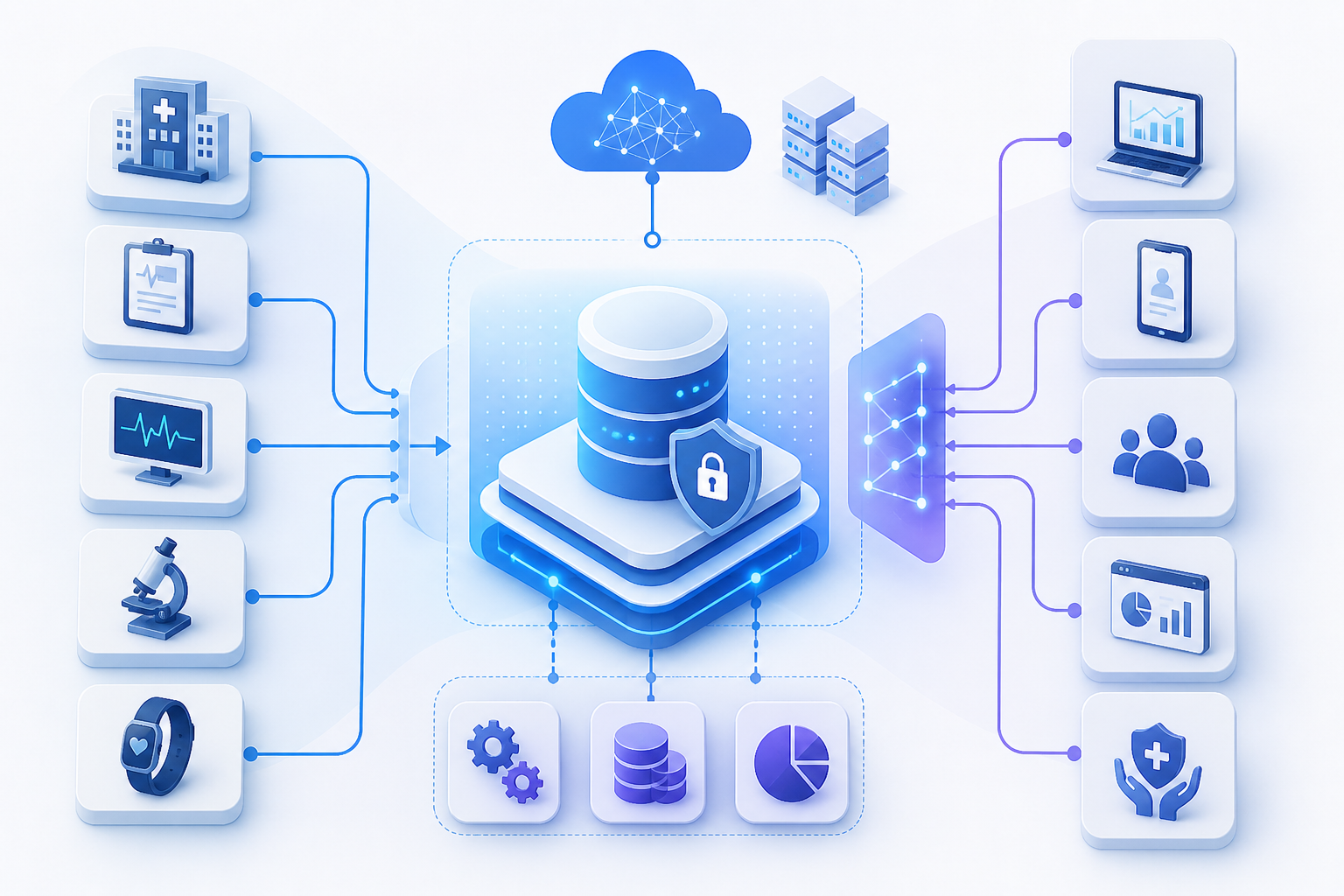
Patient-360 View
A key advantage of integrating healthcare data is the capability to develop a complete perspective of patient information, commonly known as the “Patient-360 View.” This complete viewpoint includes a patient’s past medical background, electronic health records (EHRs), insurance claim details, demographic data, lab findings, and imaging system information.
Crisis Response
One significant use case of data integration in healthcare was the implementation of Geographic Information Science and Technology (GIS&T), which facilitated the tracking and modeling of COVID-19 spread based on various socioeconomic and environmental factors. GIS&T helped identify geographic hotspots and patterns of transmission, allowing for targeted interventions and resource allocation, such as deploying testing and vaccination centers in high-risk areas​ With integrated data, healthcare providers could:
- Rapidly detect vulnerable groups and monitor virus transmission.
- Develop a strategy for efficient vaccine distribution and collaborate with other entities to manage urgent scenarios efficiently.
- Make sure that the required resources are accessible and distribute them effectively through the use of immediate data analysis.
Fraud Detection
The National Health Care Anti-Fraud Association (NHCAA) estimates that healthcare fraud costs the United States about $68 billion annually, a conservative estimate of 3% of the nation’s total healthcare spending.
The Centers for Medicare & Medicaid Services (CMS) use the Fraud Prevention System (FPS), which integrates multiple data sources to screen claims in real time, saving approximately $1.5 billion in fraud prevention annually.
A healthcare data integration platform offers one central source of accurate information, allowing companies to use data mining methods to efficiently identify and stop fraud.
Real-World Benefits of Healthcare Data Integration Platforms
Healthcare data integration platforms provide many practical advantages that can transform patient care, simplify operations, and enhance decision-making in the healthcare system.
Enhanced Patient Care

Healthcare professionals have the ability to utilize data integration platforms in order to analyze patient information from various origins, providing them with a thorough insight into a patient’s medical past. These options allow for more precise identification of conditions and personalized plans for treatment.
Furthermore, having real-time access to consolidated patient data facilitates timely interventions in critical care scenarios.
Operational Streamlining
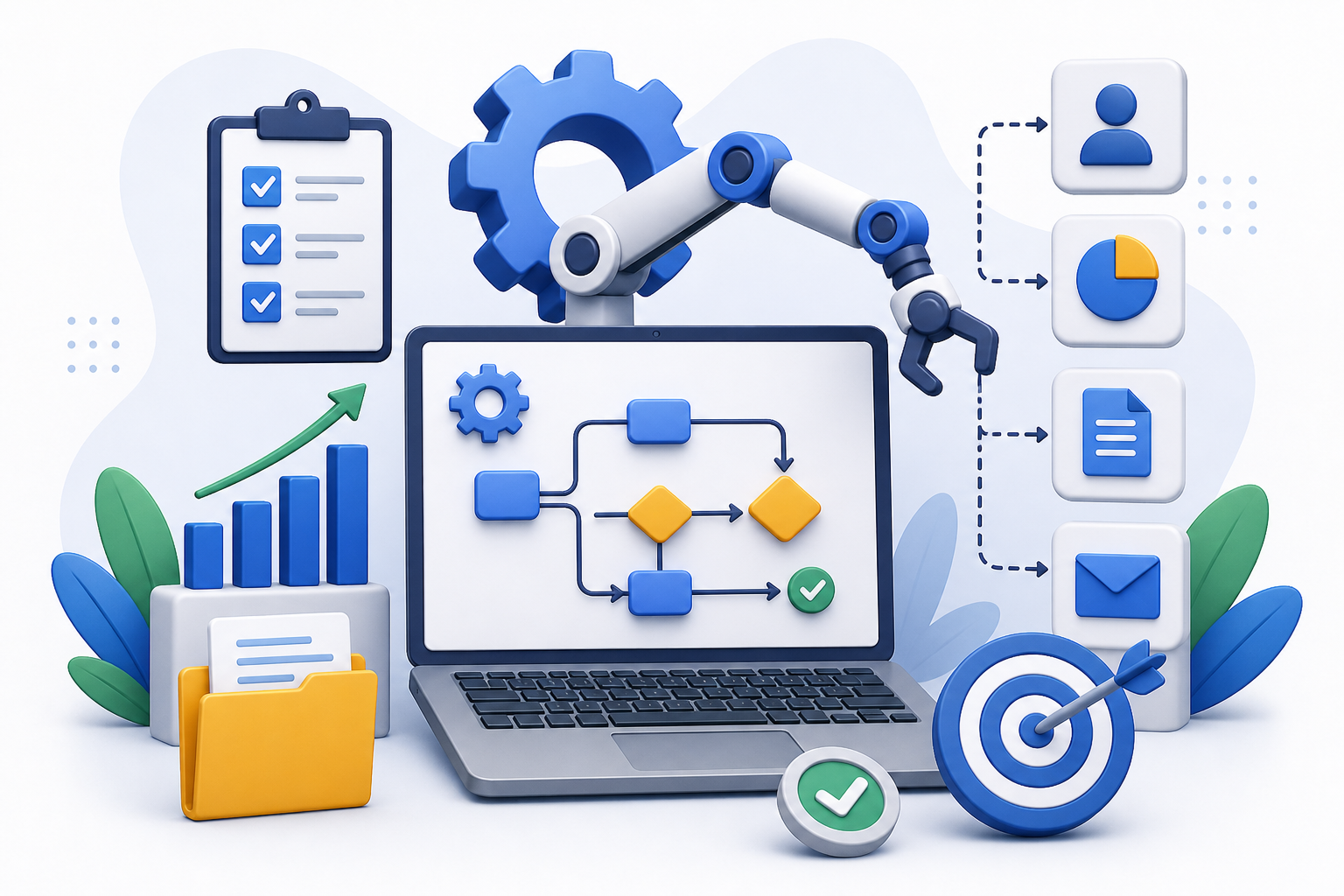
By integrating healthcare data platforms, medical operations can be made more efficient through reduced manual data entry, the elimination of redundant tasks, decreased error risk, increased productivity, and a greater focus on preventative care.
Cost Reduction
Healthcare data integration platforms help organizations leverage advanced analytics and predictive modeling techniques. Thanks to this, healthcare providers can identify trends, forecast future healthcare costs, and personalize contract terms, ultimately leading to better resource allocation and cost optimization.
Common Challenges in Healthcare Data Integration
Lack of Data Standardization
Healthcare data comes from a variety of sources, such as various collection locations. These sources use varied data models, schemas, and formats to gather clinical data. Standardizing units of measurement, terminologies, and health codes among these various systems can be challenging, particularly when working with data from diverse organizations and regions.
Integration of Various Data Types
Medical facilities must constantly manage large volumes of data, including unstructured data such as clinical notes, photos, and videos, as well as structured data such as lab results, and organizing so much unstructured data into searchable databases can be a costly and error-prone process that frequently requires human data entry or specialized machine learning algorithms.
Data Silos and Lack of Interoperability
Data silos are present in healthcare organizations, with distinct systems for lab tests, pharmacy records, and health records all existing independently. The absence of compatibility among these isolated systems worsens the gaps in information, resulting in incomplete or incorrect patient data, burned-out providers, restricted clinical perspectives, higher expenses, and possible non-compliance problems.
Data Privacy and Security Concerns
Data privacy and security during the data integration process are non-negligible and must be prioritized to avoid compromising sensitive patient information while enabling seamless data access. Balancing all the necessary data partitions for privacy and protection with sufficient communication between systems to enable data availability is a significant challenge.
Solutions to Data Integration Challenges
In order to tackle the challenges of integrating healthcare data, organizations can utilize the solutions outlined below:
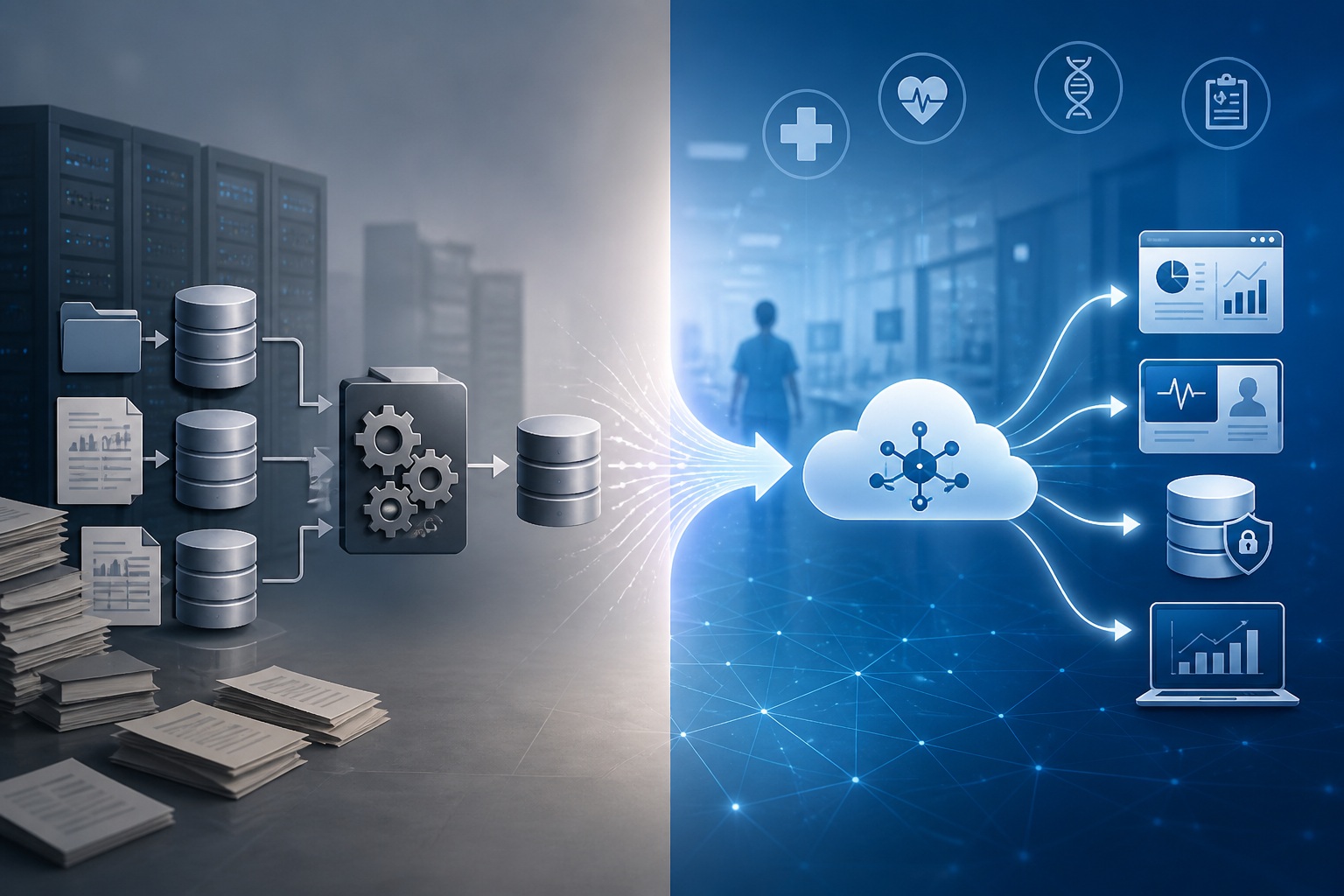
Implementing Cloud-based Data Lakes
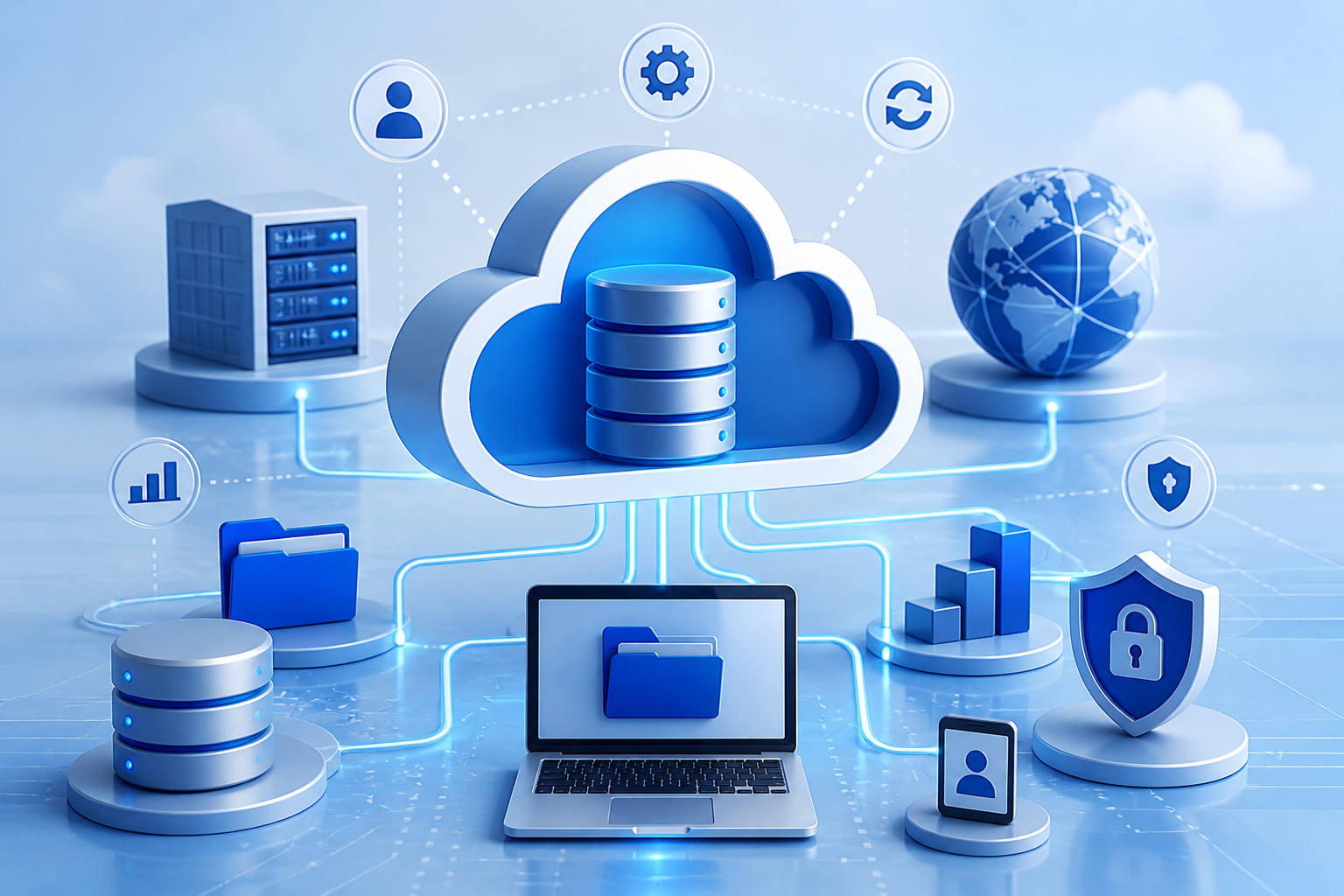
Healthcare data from different sources can be safely and legally combined in data lakes, eliminating the requirement for expensive internal infrastructure. Implementing a data lake strategy enables the gathering and merging of data from different sources like clinical data, patient registries, claims, structured and unstructured data, electronic health records (EHRs), and electronic medical records (EMRs).
Utilizing Real-time Data Pipelines
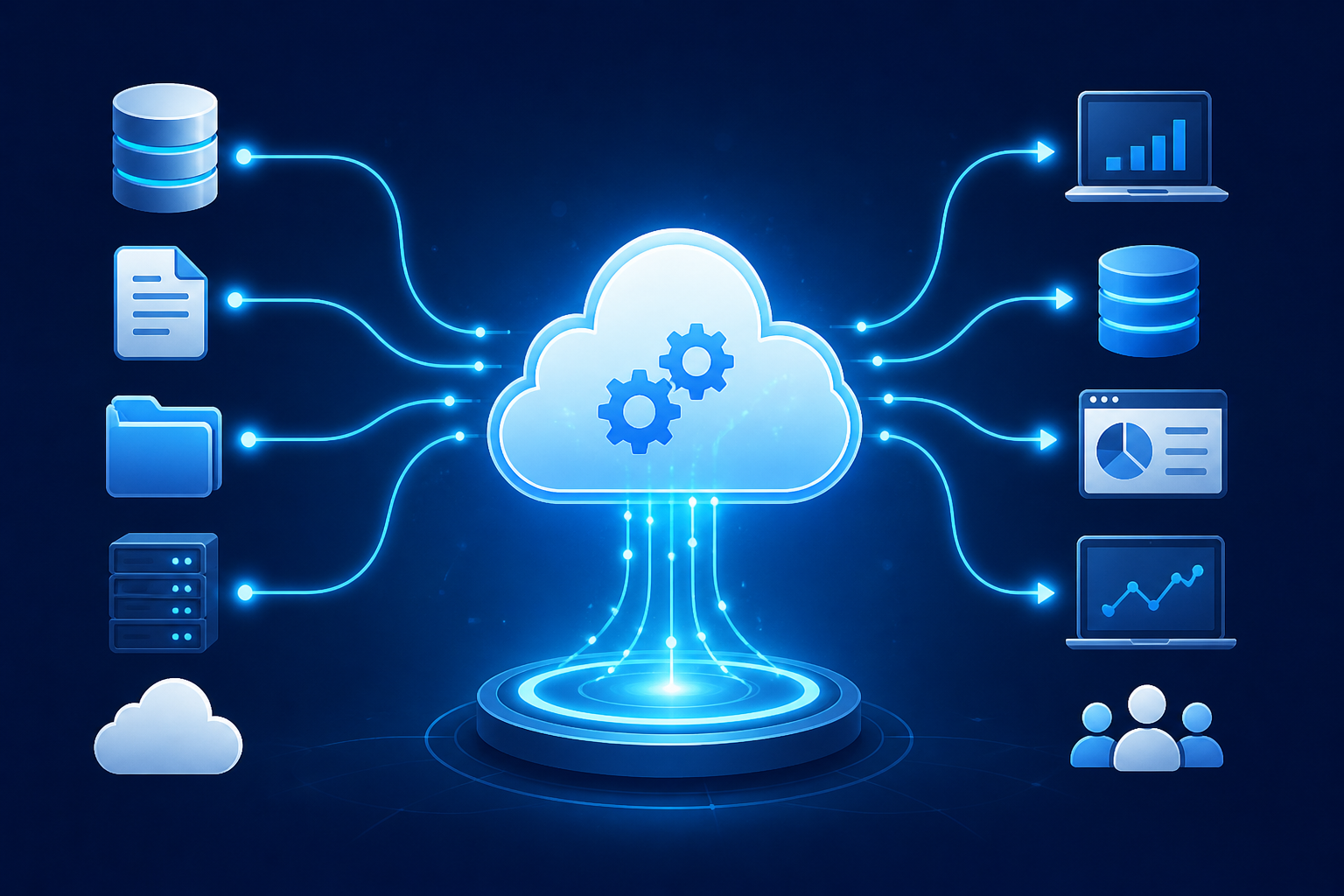
Real-time data pipelines help healthcare organizations analyze and manage data instantly, facilitating real-time interventions and timely decision-making. They also enable patient portals for accessing medical records and communicating with their providers.
Adopting Data Governance Practices
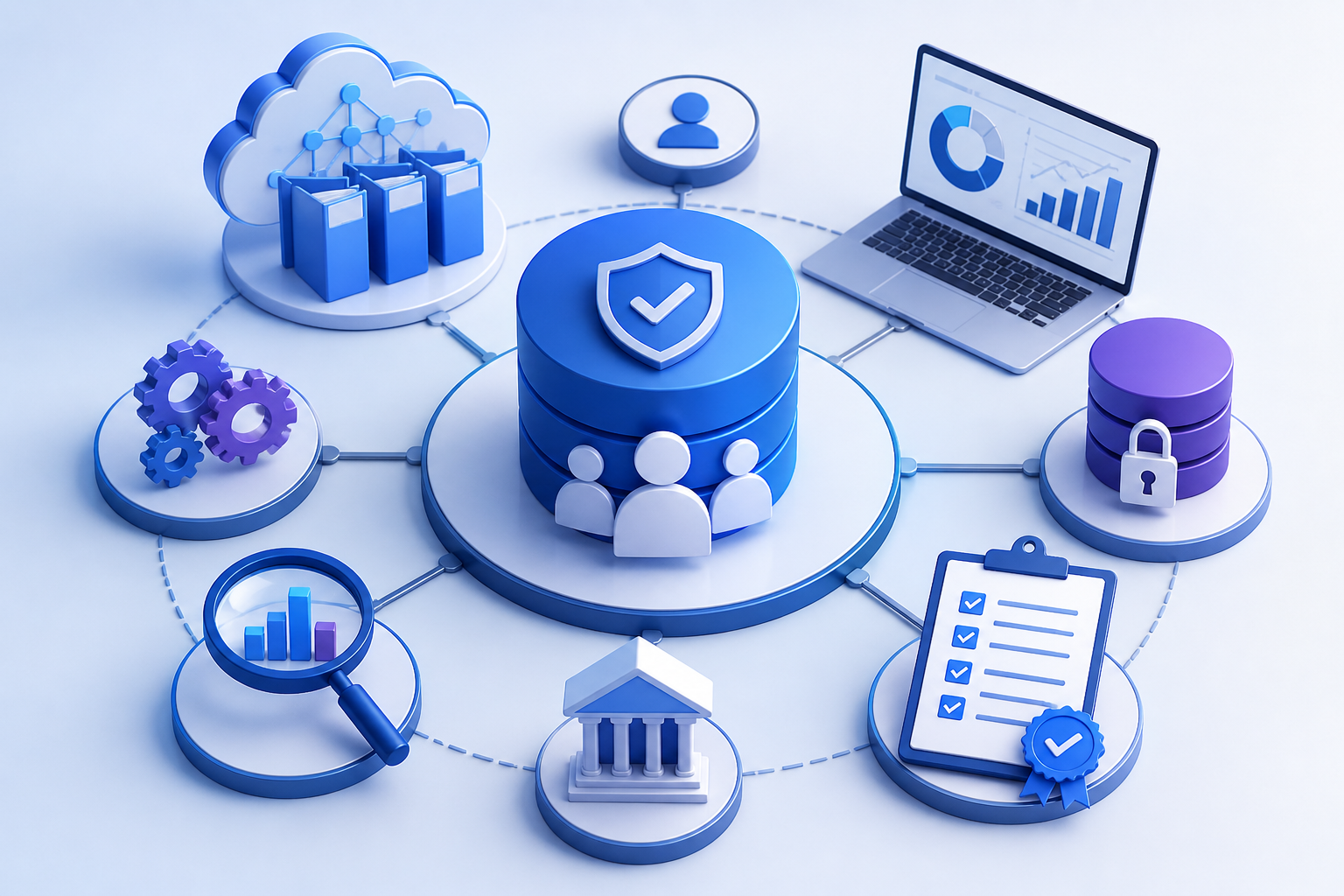
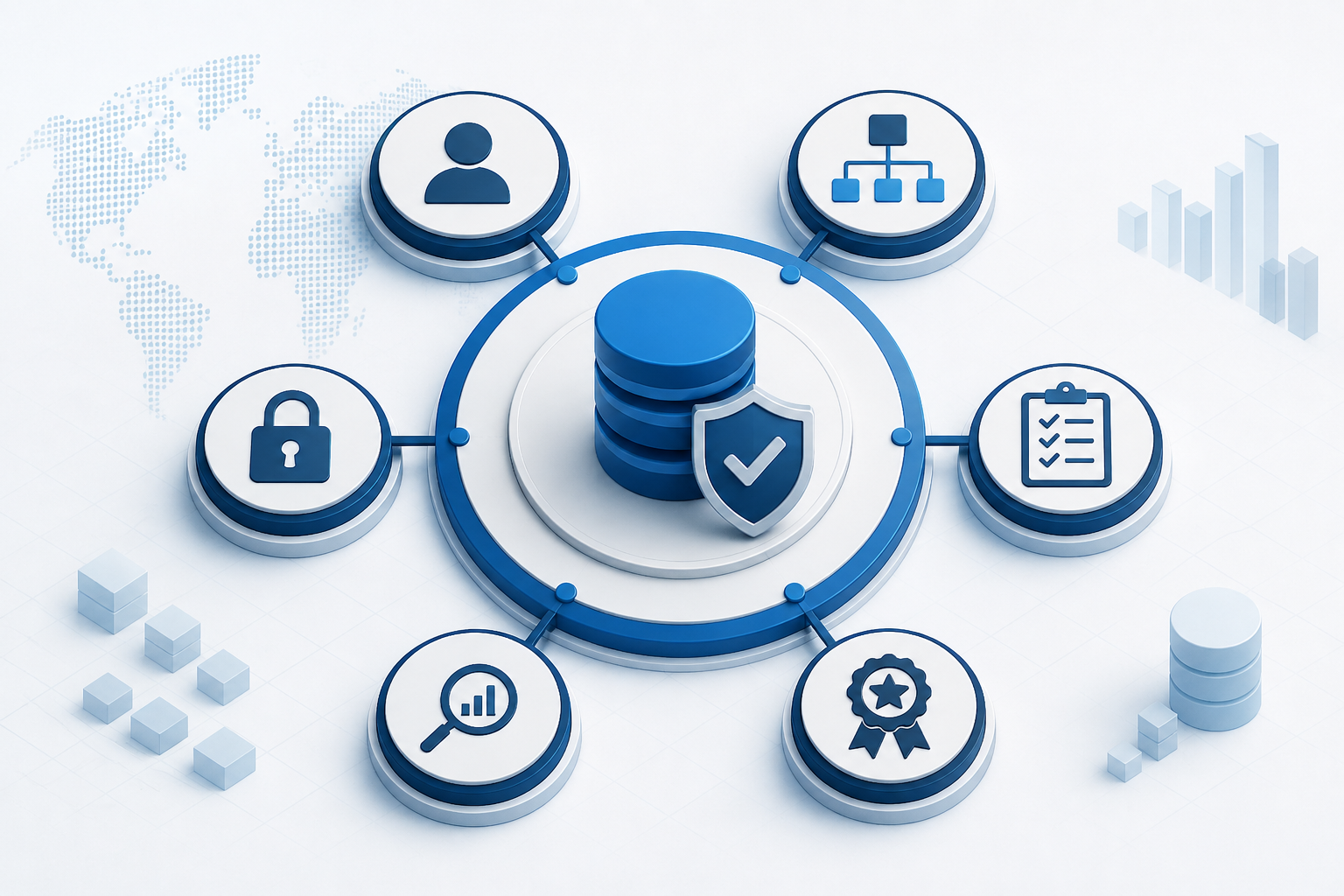
Data governance removes isolated data, establishes guidelines, and enables seamless data merging to enhance compatibility and care coordination, ultimately resulting in holistic patient care.
Implementing Standards such as FHIR and HL7
HL7 International has standardized healthcare data interchange through the FHIR standard, enabling different computer systems to communicate seamlessly regardless of data storage format. FHIR improves security by implementing measures to safeguard sensitive health information, such as incorporating OAuth2 and OpenID Connect support.
Try BridgeGate: The Future of Healthcare Data Integration
Vorro’s BridgeGate Connect solution represents a revolutionary advancement in universal data management technology, built on an extensible and platform-independent architecture designed for heterogeneous system interconnection and data interchange. With BridgeGate, mapping and transformation of virtually any data format can occur over any transport protocol, ensuring true any-to-any data integration.
BridgeGate empowers healthcare organizations to overcome software barriers and integrate diverse data formats seamlessly, without the need for expensive development costs or complicated IT systems. Some of its key integration capabilities include the following:
- Connect to REST-based APIs: BridgeGate enables seamless integration with REST-based APIs.
- Integrate any data format: Whether it’s EDI, HL7, CSV, JSON, or proprietary formats, BridgeGate can handle and transform data across various formats.
- Employ Any EHR Using the Latest FHIR Standard: BridgeGate supports the Fast Healthcare Interoperability Resources (FHIR) standard.
- Regulatory Compliance: BridgeGate adheres to industry regulations and standards, such as HIPAA and HITECH.
- Deployment Options: Vorro understands that one size does not fit all, which is why BridgeGate offers fully managed solutions, cloud-based EiPaaS, and self-hosted options.
- Shared or Dedicated Environments: Healthcare organizations can choose from a shared environment with capped virtual CPU usage or a dedicated environment with unlimited use cases and dedicated resources.
- Fully Managed Services: Vorro’s fully managed services include dedicated project managers and integration engineers, ensuring that healthcare systems run smoothly and efficiently.
By leveraging efficient data processing, machine learning, assisted automation, self-service data preparation, and intelligent data discovery, a new care culture can be developed where insights are gleaned from acquired data and relevant care interventions are deployed quickly. So, go ahead, schedule a demo, and take the next step with BridgeGate Connect! Vorro’s BridgeGate Connect represents the future of healthcare data integration.