There is a pressure on you to deliver better results, make it easier for clinicians, and maintain financial performance at a stable level.
Value-based care models are said to offer a match between quality and cost; however, your data is isolated, stored in different formats, and the systems do not communicate with each other. Healthcare data transformation provides you with a method of converting unorganized data into dependable, actionable insight that helps every decision, every workflow, and every patient contact.
What is Value-Based Care in Healthcare?
Value-based care is a system that ties the payment more closely with quality health outcomes, rather than volume of services.
You concentrate on prevention, coordination, and measurable improvements in care quality.
Besides satisfying the payers who want data showing that the care meets the set quality standards, patients expect a well, orchestrated healthcare experience with less frequency of avoidable complications.
Therefore, seeing the entire patient journey becomes the determining factor of your success under a value, based care.
You should have comprehensive patient data, such as longitudinal records, risk profiles, social factors, and care gaps, accessible at one glance.
Whereas fee-for-service models allowed fragmented data, value-based contracts reveal the operational risk of working with incomplete, delayed, or inaccurate information.
You handle risk arrangements, quality metrics, and shared savings. These necessitate data that is in agreement across providers, payers, and partners.
Healthcare data transformation is about converting raw data inputs into reliable information that you can use for value-based care analytics, tracking the performance of your program, and quickly responding when outcomes deviate from the targets.
Role of Healthcare Data Transformation in Value-Based Care
The transformation of healthcare data is the method of changing raw clinical, claims, and operational data into standardized, high-quality information that is analysis and workflow-ready. It is the intermediary between your source systems and the daily tools used by clinicians and leaders.
A robust healthcare data transformation plan is centered around three main outcomes. Firstly, consistent definitions for major entities like patient, provider, and encounter are agreed upon. Secondly, formats and codes are normalized so that data from various systems becomes compatible. Thirdly, data is enriched with context, for example, by grouping diagnoses or attributing patients to providers.
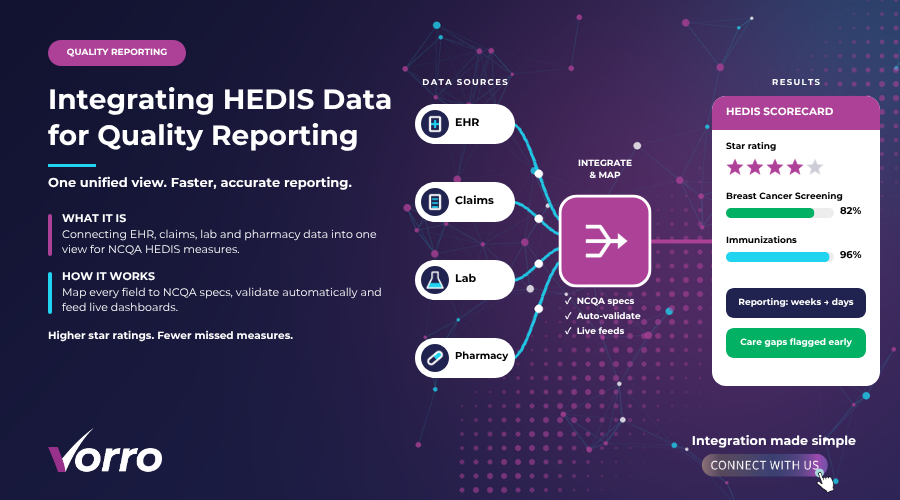
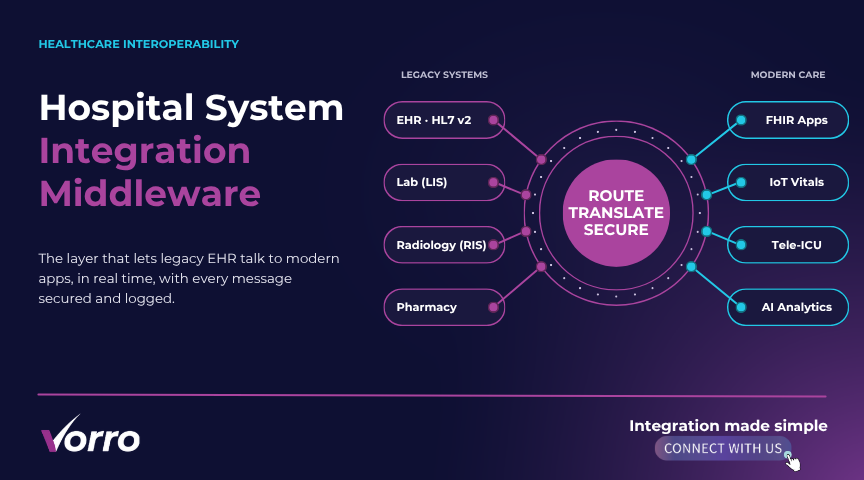
When this is achieved effectively, value-based care data integration is facilitated through EHRs, claims platforms, labs, pharmacies, remote monitoring tools, and customer engagement systems. Rather than reconciling spreadsheets, your teams depend on curated, governed data sets. Care managers identify correct risk scores. Finance teams obtain contract performance on time. Leaders get an unambiguous picture of population health trends.
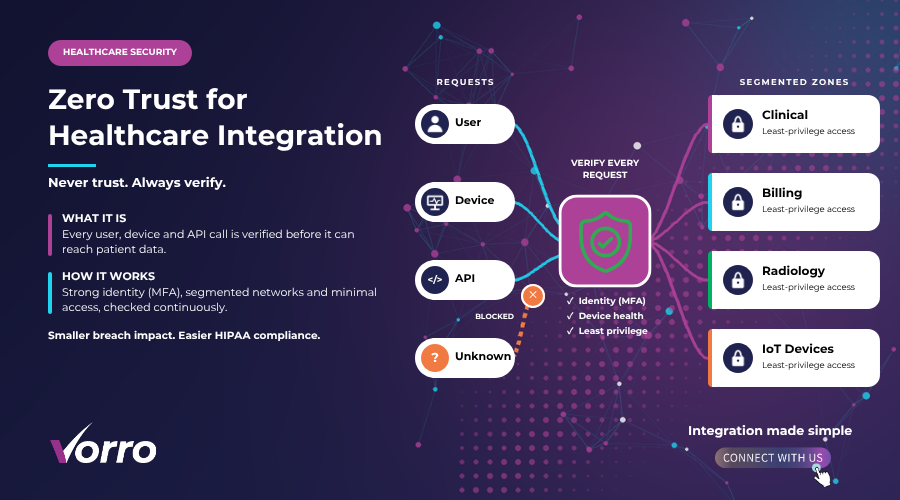
Healthcare data transformation additionally aids compliance and security. Standardized rules for masking, de-identification, and consent allow you to safeguard patient privacy while still enabling analytics and data sharing for value-based programs.
Data Integration Challenges in Value-Based Care Models
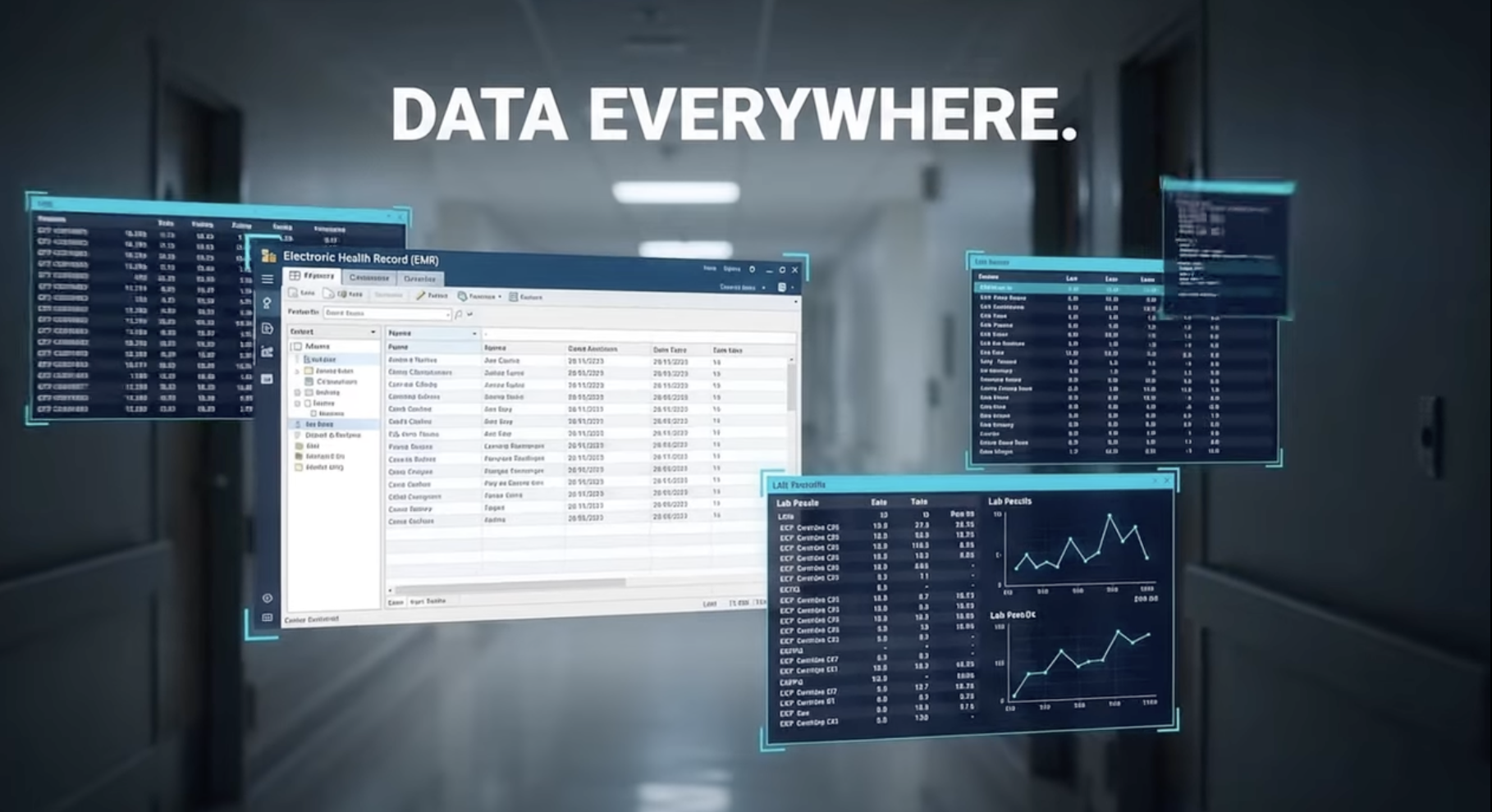
Value-based care significantly raises the quantity, diversity, and speed of data you need to handle. Each new initiative brings more feeds and formats. You require almost real-time data for patient outreach and program interventions; however, a number of source systems still depend on batch exports.
Typical data integration challenges in value, based care consist of:
- Diverse EHR systems for affiliated providers and partners, each featuring distinct data models and workflows.
- Claims data is delivered after long delays, contains very little clinical information, and is coded differently from provider systems.
- Device and remote monitoring data that rely on streaming protocols and have nonstandard structures.
- Third-party data, such as social determinants or community services, have inconsistent quality.
- There are manual operations for file transfers, validation, and reconciliation.
Such integration barriers hinder your progress in coordinating care. Unknown data results in missed outreach, unnecessary testing, and inconsistent quality reports. When clinicians see different values in different tools or reports, they lose trust in the analytics.
An articulated healthcare data transformation strategy aims at resolving these integration problems by using standard connectors, reusable mappings, and automated validation. You don’t have to craft new integrations for each contract or program as you ascertain the patterns that you can apply across different payers, populations, and geographies. This allows for growth without creating additional obstacles for the teams.
Healthcare Data Interoperability for Value-Based Care
Interoperability goes beyond simple data exchange between systems. In the context of value-based care, interoperability is about data being available in a usable, consistent, and timely manner to facilitate shared workflows and outcomes. Access to healthcare data interoperability is what enables providers, payers, and partners to operate on a single version of the truth.
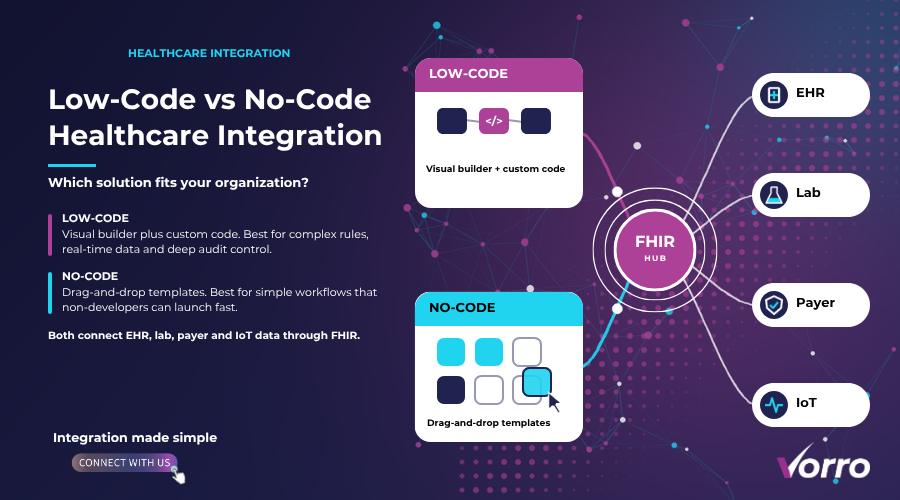
To some extent, standards like HL7, FHIR, X12, etc., have a significant role to play. However, these do not eliminate differences in the ways organizations implement them. You will still encounter variations in code sets, optional fields, and local extensions. Healthcare data transformation bridges this divide by mapping, translating, and validating data to conform to the shared business rules.
Strong healthcare data interoperability underpins:
- Accurate patient matching across different care settings and partner networks.
- Immediate availability of medication lists, allergies, and problem lists at the point of care.
- Seamless sharing of quality measures and care gap data between payers and providers.
- Referrals and patient care coordination that are effectively closed-loop across organizations.
When healthcare data interoperability advances, your teams eliminate wasted effort and waiting. Care plans are based on full information. Patients are spared from repeating histories or undergoing tests again. Performance reports are in sync with what clinicians observe in their daily work, hence it raises their engagement with value-based program goals.
Using Analytics to Improve Patient Outcomes
Patient outcome analytics tell you exactly where patient care processes are going well and where they are failing. You monitor readmissions, chronic disease control, medication adherence, and a whole range of other indicators. These measurements have significance only if they are based on accurate and properly transformed data.
Value-based care analytics demand uniform definitions of episodes, risk categories, and populations. Such uniformity will be achieved through your healthcare data transformation layer. When you standardize data, you can create sophisticated models that spot patients with escalating risks, predict demand, and help decide on interventions.
Patient outcome analytics can be used for:
- Determining patients who require contact to prevent an unnecessary emergency room visit or hospital stay.
- Keeping an eye on chronic diseases so that the care plans can be changed if the patient’s control measures go off track.
- Allowing for z performance, tracking of a provider and clinic level for smooth coaching and resource planning.
- Spotting care gaps, such as patients missing screenings or follow-up visits. When you integrate outcome analytics into the workflows, you change the retrospective reporting to an ongoing management of the care.
Care coordinators get lists of the patients that need their attention first. Doctors find out about the patients at risk through their daily working routines. Management performs value, based care analytics to make sure that the incentives and resources they give out are in line with the actual needs of the population.
Healthcare Data Platforms Supporting Value-Based Care
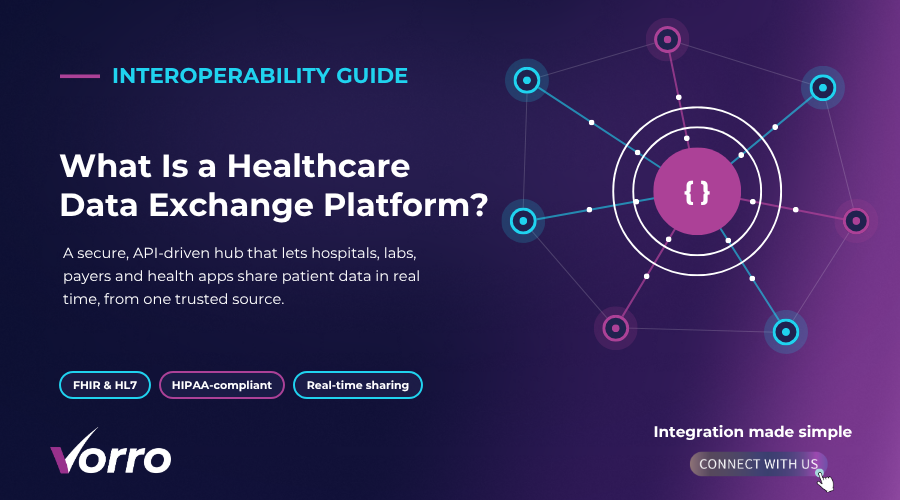
A healthcare data platform for value-based care lays the groundwork for integration, transformation and analytics. The platform brings together data from several sources, applies standardized transformation logic, and makes reliable data sets and services available to your downstream applications.
A good platform should enable:
- Real-time and batch ingestion of clinical, claims and operational data.
- Configurable transformation pipelines that carry out mapping, validation, enrichment and quality checks.
- Excellent governance, lineage, and auditing features so that you can track the origin of each value.
- APIs and data services that supply data to dashboards, care management tools, and external partners.
Using a healthcare data platform for value-based care helps you to greatly reduce dependence on the custom scripts and local workarounds issues. Your teams are more focused on generating insights rather than spending their time on file wrangling. You have the assurance that every metric in your value-based contracts is based on the same logic regardless of which department runs the report.
The platform further facilitates scaling to new contracts and models. When you bring in new payers or programs, you get to reuse existing connectors, mappings, and transformation rules. This not only shortens the time to value but also lowers the integration risk during contract negotiation and program launch phases.
Benefits of Data-Driven Value-Based Care Models
Data, driven value, based care depends on the ongoing use of healthcare data transformation, integration, and analytics to direct decisions. If you decide to use data as your basis, you bring together clinical priorities, operational execution, and financial performance by pointing to the same clear, measurable goals.
Benefits of data, driven value, based care models include:
- Improved recognition of population health trends, thus enabling highly, focused interventions for certain groups or conditions.
- Better harmonization between payer and provider organizations through shared metrics and data sets.
- Lesser administrative hurdles as data quality problems are detected early on in transformation workflows.
- Clinicians being more passionate, as they rely on the data supporting the scorecards and decision, making tools.
- Enhanced patient experiences resulting from timely outreach, no repetitions, and more consistent care plans.
Data, driven value, based care is a great way to support continuous improvement. You determine the effect of each program, make comparisons of performance in different care settings, and alter your healthcare data transformation strategy to best meet new needs. The process of measure, learn, and adjust is part of the regular operations rather than a special project.
Future of Value-Based Care with AI and Data Intelligence
With the maturing of value-based care models, there is a growing expectation that AI and data intelligence will be increasingly instrumental.
Risk, disease progression, and resource utilization predictive models require a continuous stream of harmonized data. AI results become unreliable or skewed without robust healthcare data transformation.
AI can be instrumental in unearthing the hidden patterns in patient outcome analytics, for instance, how certain combinations of conditions, medications, and social factors contribute to increasing a person’s risk.
It can facilitate the use of clinical decision support systems that recommend the next best actions in the right context.
Moreover, it can be utilized in automating the tasks related to coding, documentation, and quality reporting, thereby lessening the workload of clinicians and staff.
In order to get ready for the upcoming time, you require a healthcare data transformation plan that centers on:
- Standard templates and vocabularies to help with consistent feature engineering among AI projects.
- Strong data governance so that you can keep track of model performance and fix model drift or bias.
- Versatile data platforms that allow both the old-fashioned reporting and advanced analytics from the same reliable sources.
- Unambiguous integration of AI results with frontline workflows so the insight becomes the action.
People’s judgment in healthcare will always be necessary and AI cannot substitute that. It would rely on the high-quality, interoperable data that truly represent the circumstances of patients, both in terms of their usual living environment and care. The steps you’ve taken to make healthcare data interoperable, integrating value-based care data, and creating a scalable healthcare data platform for value-based care are the things that lay the foundation of safe and effective AI applications.
Vorro is all about healthcare data transformation, interoperability, and integration so that you can have no doubts in supporting data, driven value, based care models. Should you wish to make your data infrastructure less complex, upgrade value, based care analytics, and construct a healthcare data platform for value-based care that is aligned with your plan, work with Vorro to bring your data base and your value-based care targets into harmony.