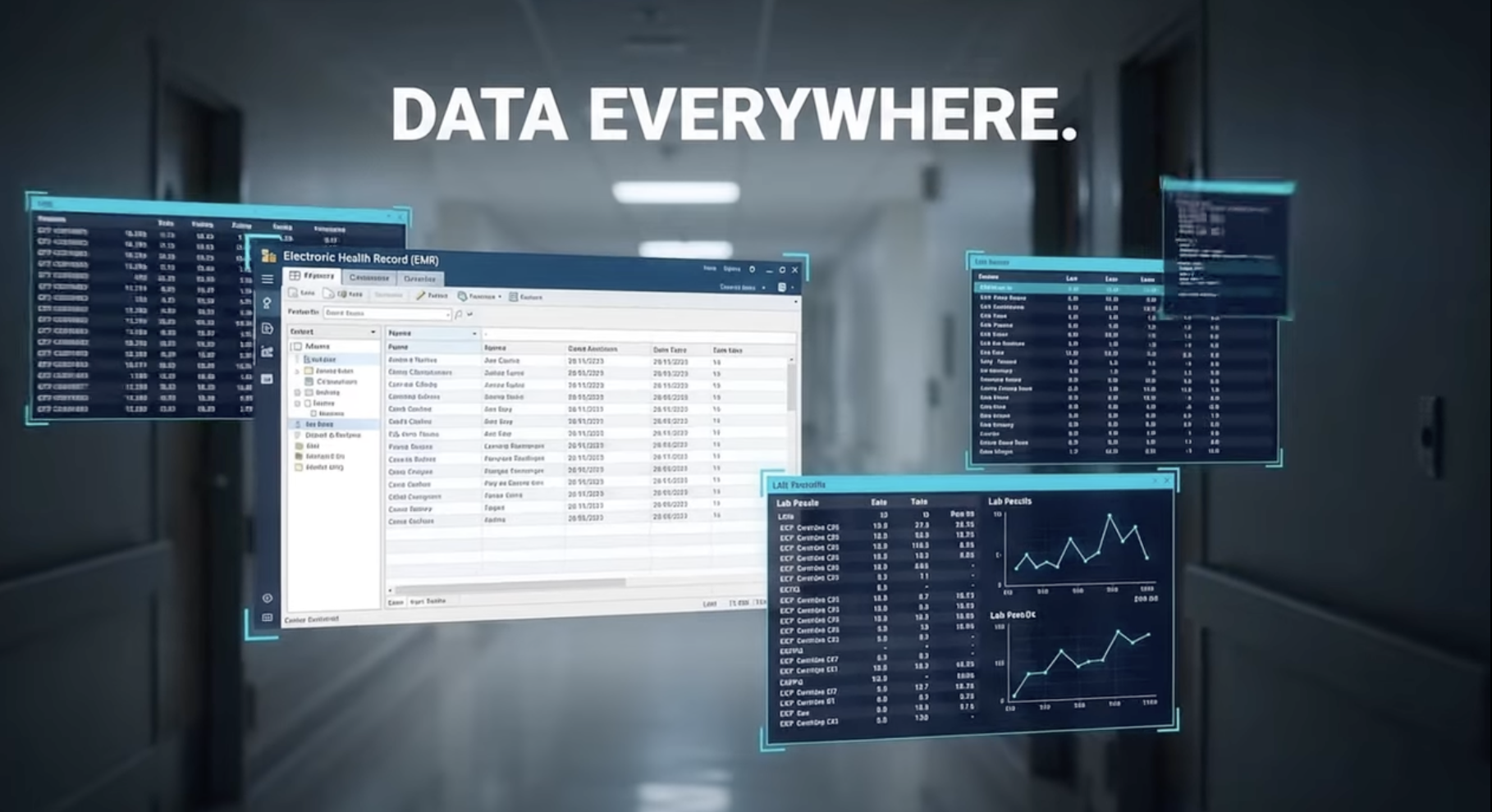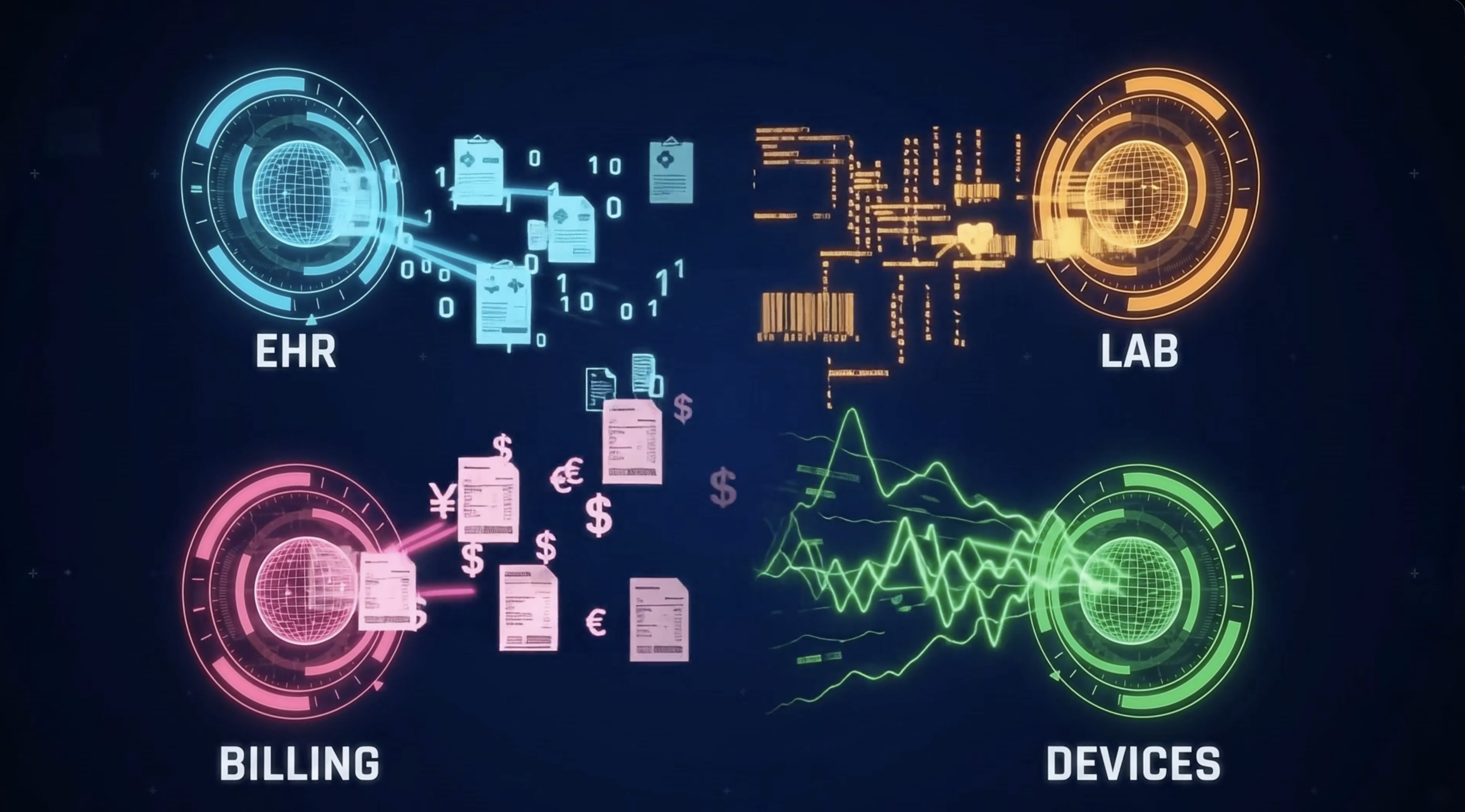

Data duplication is a quiet problem that most healthcare organizations ignore until it’s too late. Whether it’s duplicate patient records, billing codes, or test results, these issues quietly drain resources, delay care, and risk patient safety.
The Ripple Effect of Duplicate Data
On the surface, duplicate records may seem like a minor inconvenience, but over time, they lead to major operational and financial headaches:
- Inconsistent patient information †’ Leads to missed diagnoses and unnecessary procedures.
- Conflicting billing data †’ Results in claim denials and rework.
- Fragmented care coordination †’ Care teams end up working off outdated or inaccurate information.
In fact, one hospital we worked with found that duplicate records alone were costing them over $500,000 a year in unnecessary rework, missed claims, and delays in patient care.
Why Duplication Happens
Data duplication often stems from disconnected systems or manual data entry, both of which create opportunities for errors. Common causes include:
- Multiple EMRs used across departments with no centralized syncing.
- Manual data entry errors where staff create new records rather than searching for existing ones.
- Incomplete or inconsistent data sharing between systems that creates gaps for duplicates to form.
The Impact on Healthcare Providers
The financial impact of data duplication can’t be overstated:
- Wasted resources: Staff spending time fixing data errors rather than providing patient care.
- Claim denials: Providers can face hefty fines or lose out on reimbursement due to inaccurate records.
- Delayed care: Critical patient information isn’t available when needed, slowing down diagnosis and treatment.
How to Fix It
Eliminating duplication starts with centralized data management and automated validation. Here’s how:
- Unified patient records: Integrate all systems to ensure a single, accurate view of each patient.
- Automated checks: Use AI-powered validation to catch duplicates in real time.
- Data cleaning processes: Regularly clean up your data to eliminate any redundancies and gaps.
One healthcare provider reduced its duplicate records by 85% by adopting a real-time validation system integrated across all their platforms.
The Takeaway
Data duplication isn’t just an operational nuisance, but it’s a significant financial and patient safety risk. By eliminating duplication with smart integration solutions, healthcare organizations can save time, money, and, most importantly, improve patient care.
Who We Are
We help healthcare tech teams crush integration complexity.
Each week, we unpack the mess behind the scenes-so you can launch faster and scale smarter.
Fully managed EiPaaS. Built for healthcare.
👉 vorro.net

Akshita is a Senior Content Writer and Marketer with over a decade of experience crafting narratives that convert, rank, and build lasting brand authority. She has worked across SaaS, FinTech, HealthTech, and Education spaces, delivering everything from HIPAA-compliant medical content to multilingual campaigns for the International Labour Organization, United Nations. Her content has reached audiences across the globe, and she has worked for Fortune 500 brands, global agencies, and startups alike. Fluent in English, Spanish, and German, Akshita brings a rare cross-cultural edge to brand communication. A literature graduate from Delhi University, she balances strategic thinking with a storyteller's instinct, but when she isn’t architecting content roadmaps, she channels her creativity into poetry and painting or dedicates her time to caring for stray animals - pursuits she credits for making her a more empathetic and perceptive communicator.