Businesses and customers in today’s digital world need easy access to all forms of data-for everything from payments to healthcare. Physical data may still have a small role, but digital data has become the preferred method for storing and handling sensitive information. Organizations throughout the world rely on digital data interchange. In this context, understanding the relevance of interoperability is crucial. First, let’s examine what it means to say that two systems can interoperate.
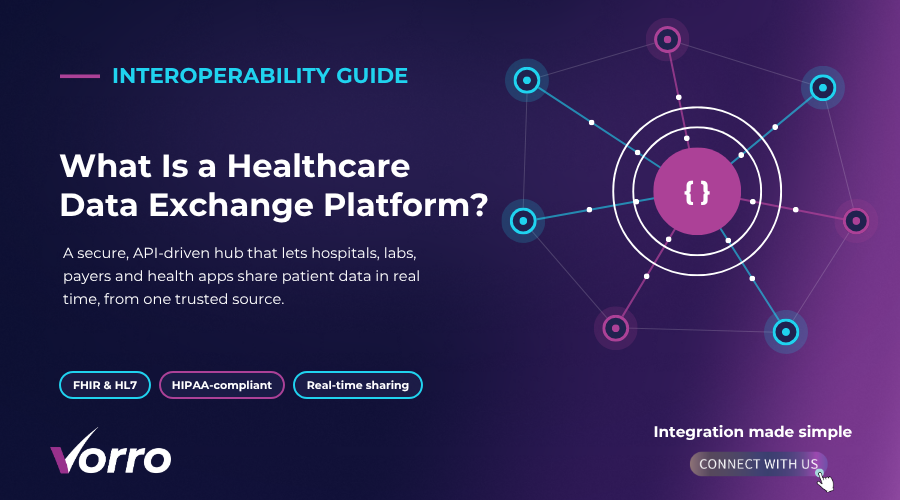
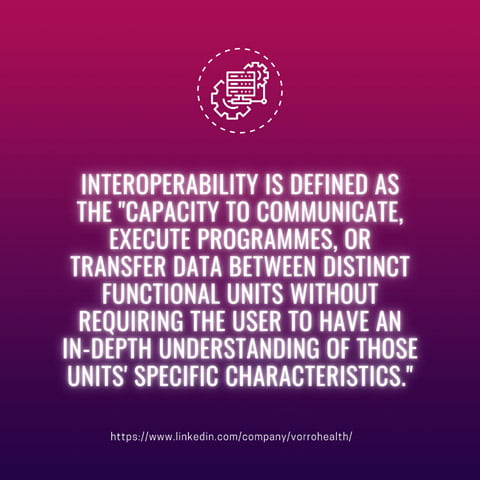
The term “interoperability” refers to the ability of disparate software, hardware, goods, and systems to exchange data and perform computations without the intervention of end users. Basically, interoperability enables different information systems to communicate and understand one another’s information automatically.
Why Is Interoperability So Important?
Interoperability is critical to the smooth flow of information between computer systems. Organizations in a wide range of industries can take advantage of this essential feature. Interoperability has many benefits, including:
Responsiveness: Information-gathering business systems can link and distribute the data with the appropriate parties quickly and automatically.
Productivity: An increase in productivity is possible because all essential systems and parties have access to the data they need. When opposed to waiting for critical information, this is a considerably more efficient method.
Data Unity: Interoperability enables data unity, which is critical for organizations to control and obtain data from diverse platforms and vice versa.
Improved Data Security: Data security is a must-have for any company and interoperability essentially safeguards sensitive information. Instead of manually and repetitively entering personal information, businesses can access data through shared records provided by interoperability completely securely.
Reduced Errors: Connected information systems tend to produce better data, which means fewer errors. It is a much better alternative to disconnected systems, which are more likely to include redundant and obsolete data.
Lower Costs: Coordinated systems lower costs by allowing information to be exchanged naturally. They use fewer resources, which results in lesser expenses than non-operational systems, which must manually seek data from each other.
What does interoperability mean for different sectors?
1. In the government
Implementing interoperability can benefit government organizations by removing typical roadblocks such as language hurdles, incompatible technologies, and poor network connectivity. It could facilitate better communication overall and fight the overhang of traditional or legacy systems greatly.
2. In healthcare
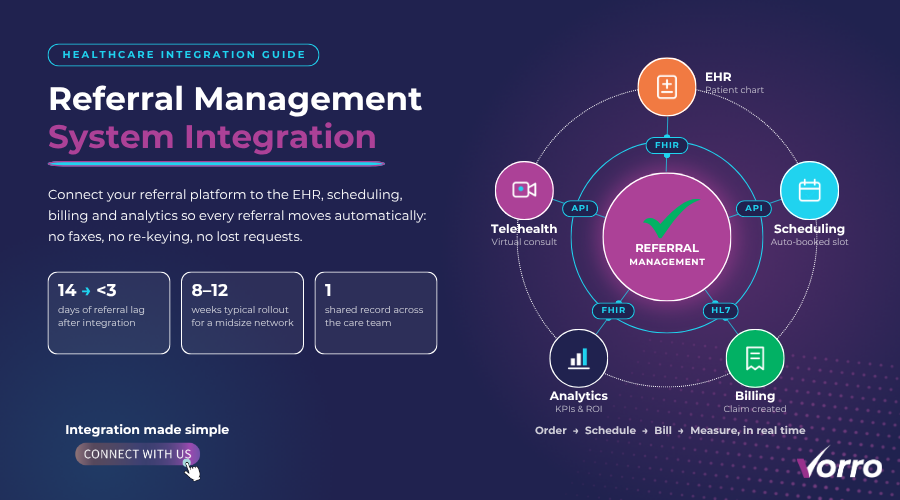
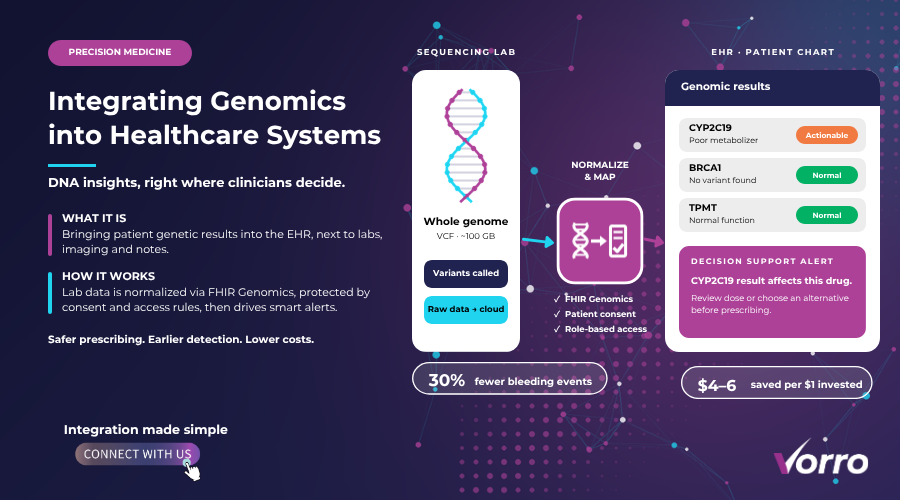
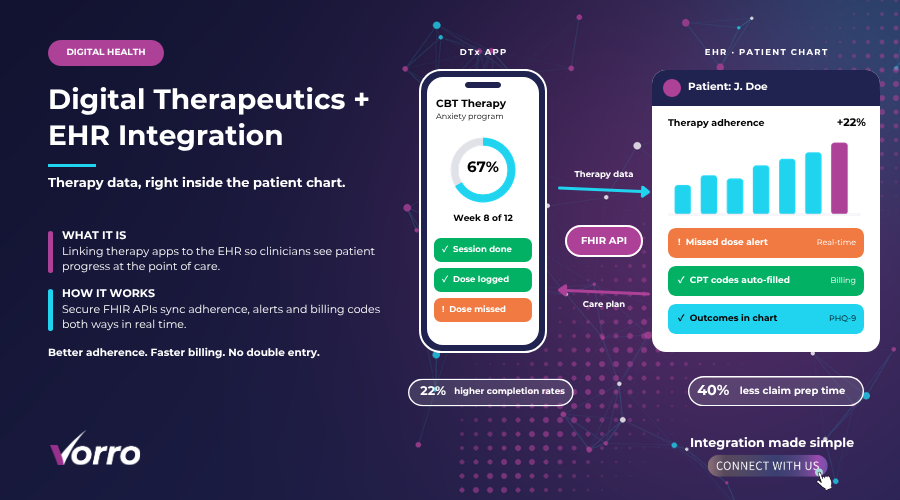
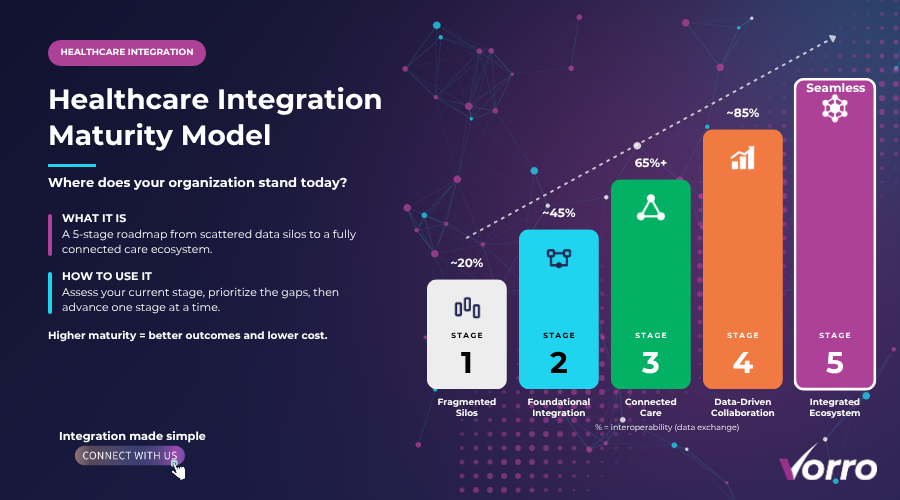
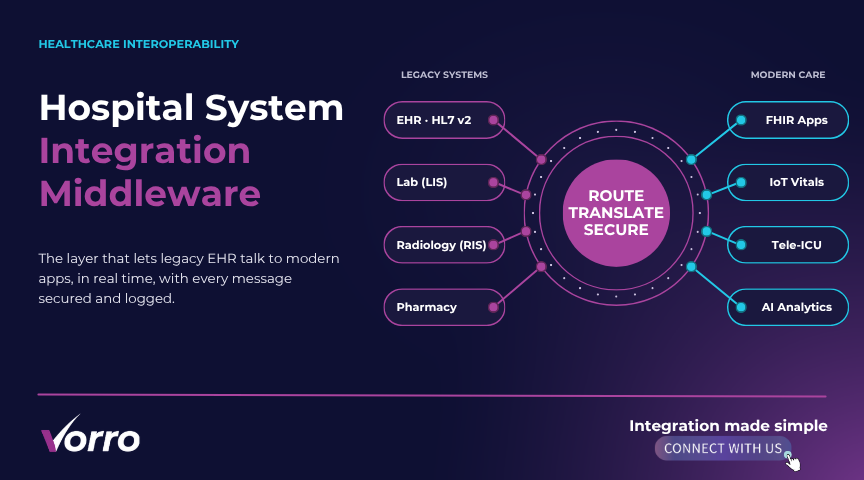
Interoperability can help healthcare systems manage, receive, and transfer updated medical records through electronic networks more efficiently. It can allow healthcare managers to find anything and everything from test results to credit card statements easily and speedily. Even if the patient’s medical information is not stored in the organization’s internal systems, interoperability allows healthcare practitioners to access it immediately. This access is available whether the information is from out-of-state or from another country.
3. In Telecom
Telecommunications companies can use interoperability to send and receive essential information from various systems in real time. Specifically, interoperability enables service providers to transmit equipment changes, frequencies, network size, and signal accessibility (e.g., radio signals) duly and timely.
4. In Safety
EMS, fire departments, police departments, and other emergency service providers can connect with one another in real-time. This connectivity is possible regardless of their location or the type of system they use, thanks to interoperability. This can mean the difference between a life saved and a life lost.
5. In Business
A proper interchange of information and rules is critical to any business’s ability to operate effectively. Interoperability means that independent of the programming language or the sort of system it’s getting data from, it will be easy for software businesses to exchange information. In fact, inoperable software is more likely to function as planned, which is critical for software companies.
When it comes to data, all enterprises and businesses need it to be able to accomplish their goals, scale, and communicate with all their internal as well as external systems efficiently. Interoperability is a crucial answer to their success in this regard.
The number of interconnected devices and the data that is exchanged between them have both grown exponentially as a result of the proliferation of mobile smartphones. Today, businesses and enterprises across all industries are dealing with an expanding amount of relevant data.
Consider this: In 2018, global mobile data traffic amounted to 19.01 exabytes per month. By the end of 2022, mobile data traffic is expected to reach 77.5 exabytes per month worldwide – at a compound annual growth rate of 46 percent. Mobile accounts for approximately half of web traffic worldwide. How does this data become organized?
Companies receive a plethora of data from various sources, much of which is presented to them in a disorganized manner. This obstructs their efficiency and ability to achieve stated objectives. To overcome this challenge, arrange all of the information, and transform it into something beneficial for the businesses, they can employ a unique concept: interoperability.