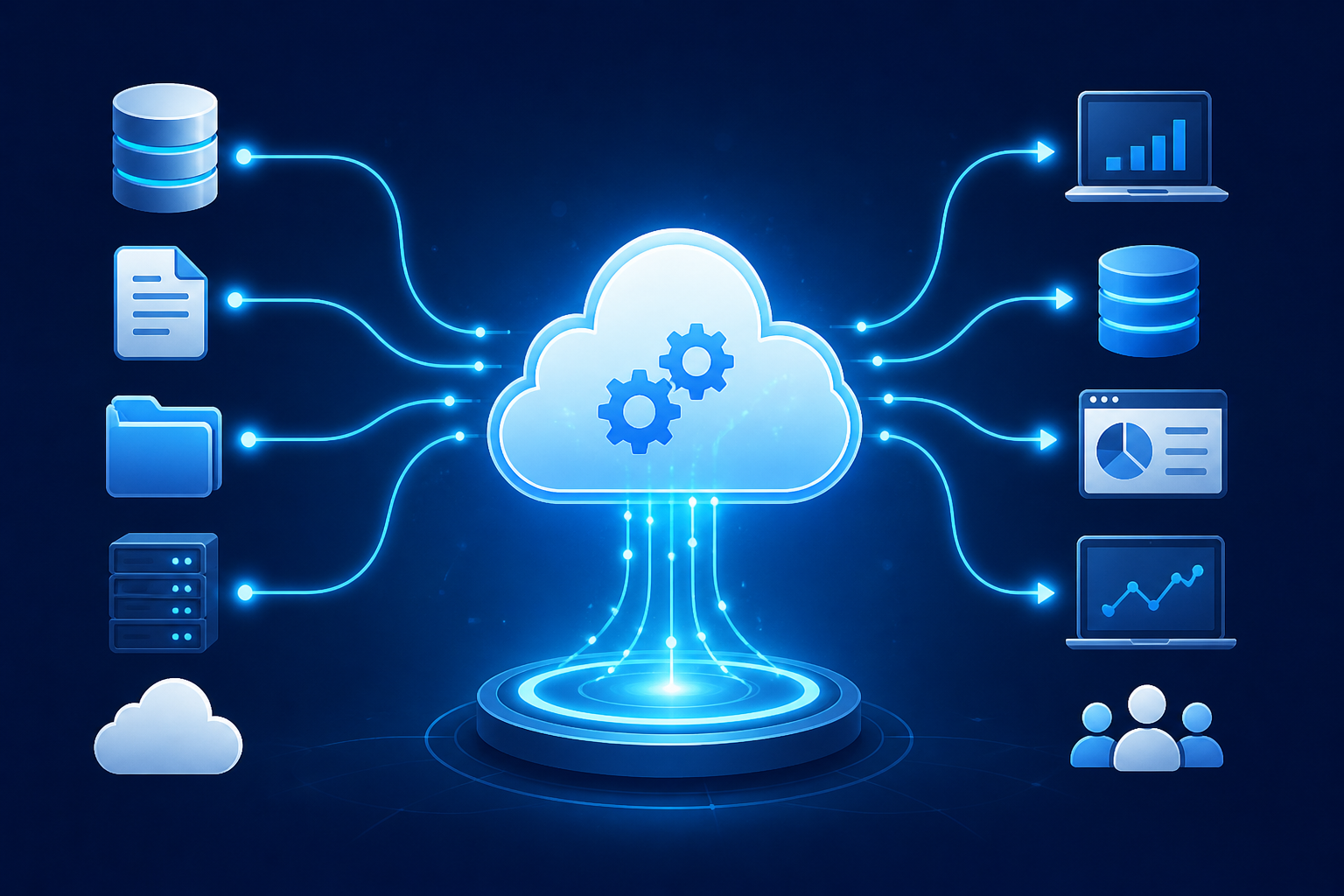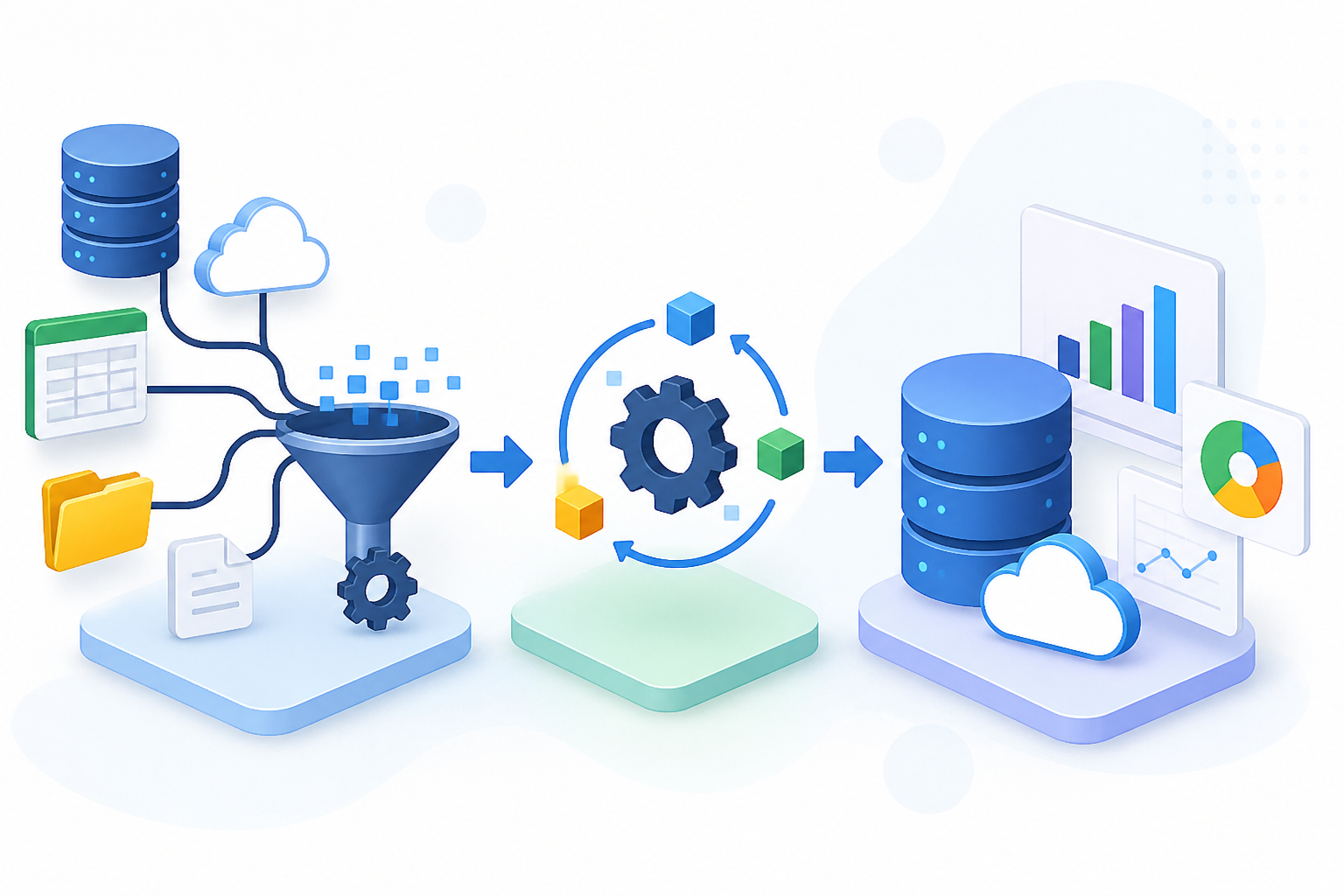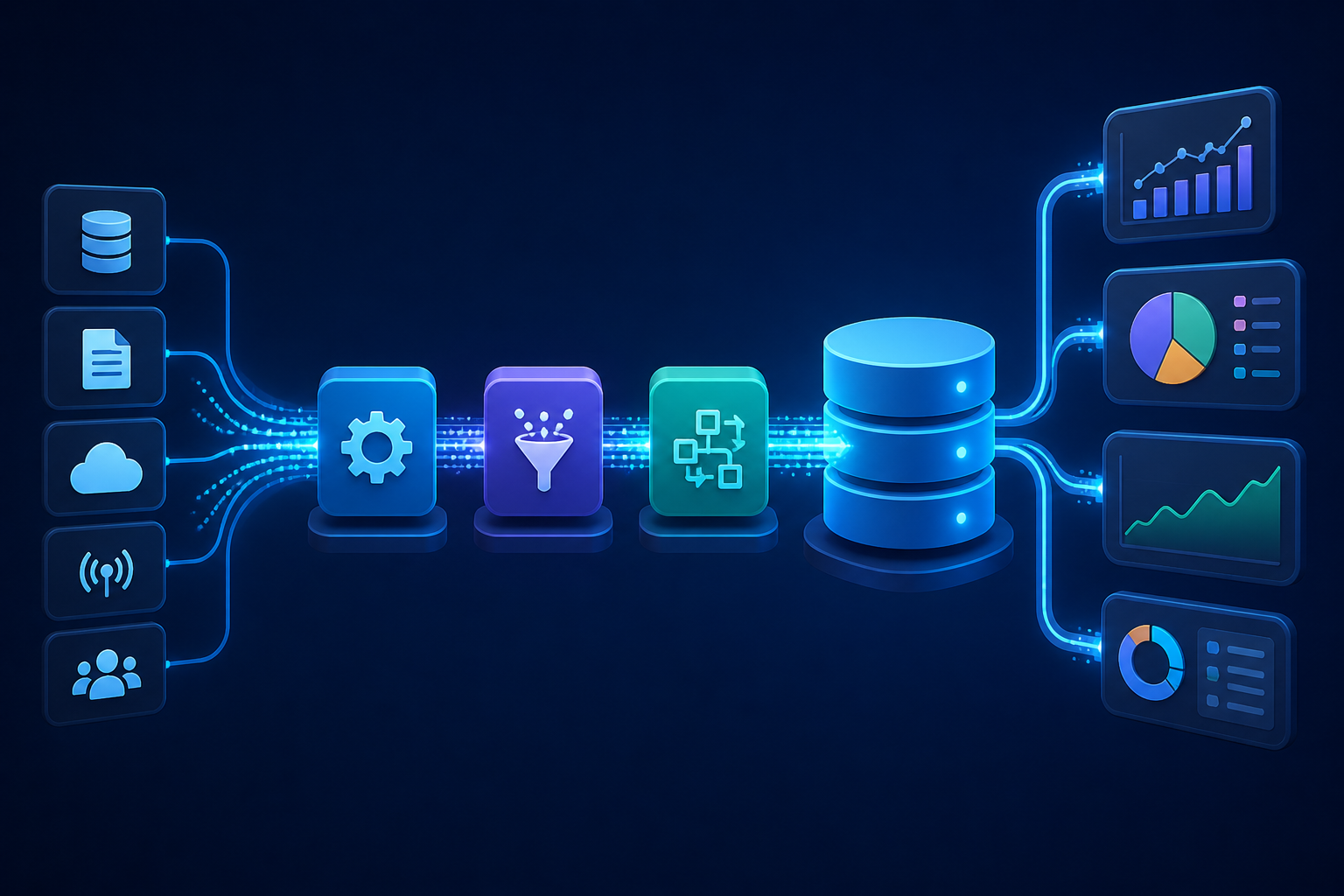
The world of constantly evolving technology means that business data from multiple systems needs to be integrated for enhanced efficiency. Integration Platform as a Service (iPaaS) is a crucial technology tool for connecting disparate systems, applications, and data sources across the cloud and on-premise hosted applications.
According to Data Bridge Market Research, the global Integrated Platform as a Service (iPaaS) market is projected to grow from USD 4.88 billion in 2022 to USD 48.80 billion by 2030, with a compound annual growth rate (CAGR) of 33.35% during the forecast period from 2023 to 2030. iPaaS solutions are now more prominent than ever in keeping businesses connected to the latest technology to encourage operational efficiency.
What makes iPaaS more advanced than other integration solutions? We will explain the key features of iPaaS that benefit businesses. We will also explore how Enterprise Integration Platform as a Service (EiPaaS) improves operational advantages for your company.
1. Comprehensive Connectivity
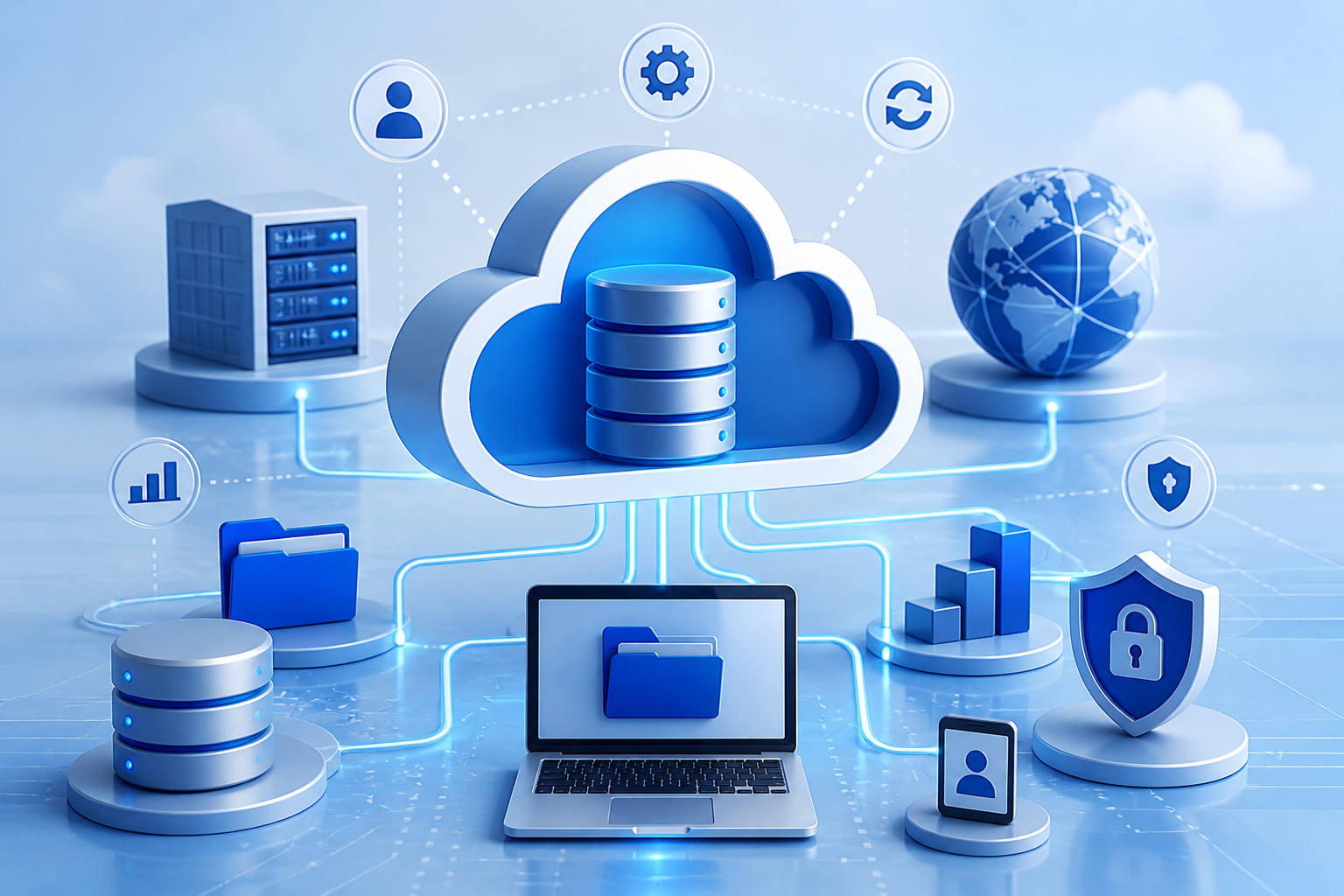
iPaaS can connect many applications, systems, and data sources. It can be done for the cloud and on-premise hosted applications. The system provides pre-built templates and custom APIs for seamless integration. This connectivity level allows businesses to achieve streamlined workflows, decrease manual data entry, and unify systems to seamlessly work together.
2. Scalability and Flexibility
iPaaS platforms are flexible in their integration practices, whether conducting a simple data transfer or implementing complex multi-step workflows. iPaaS’s adaptability measures can improve the integration process of any business throughout multiple industries.
3. Real-Time Data Integration
Data integration in real-time is important for ensuring timely data flow across multiple systems and keeping the information updated. Data access is important in industries like retail, healthcare, and finance so these data integration solutions are critical for timely data transfer and accessibility.
4. Intuitive Interface
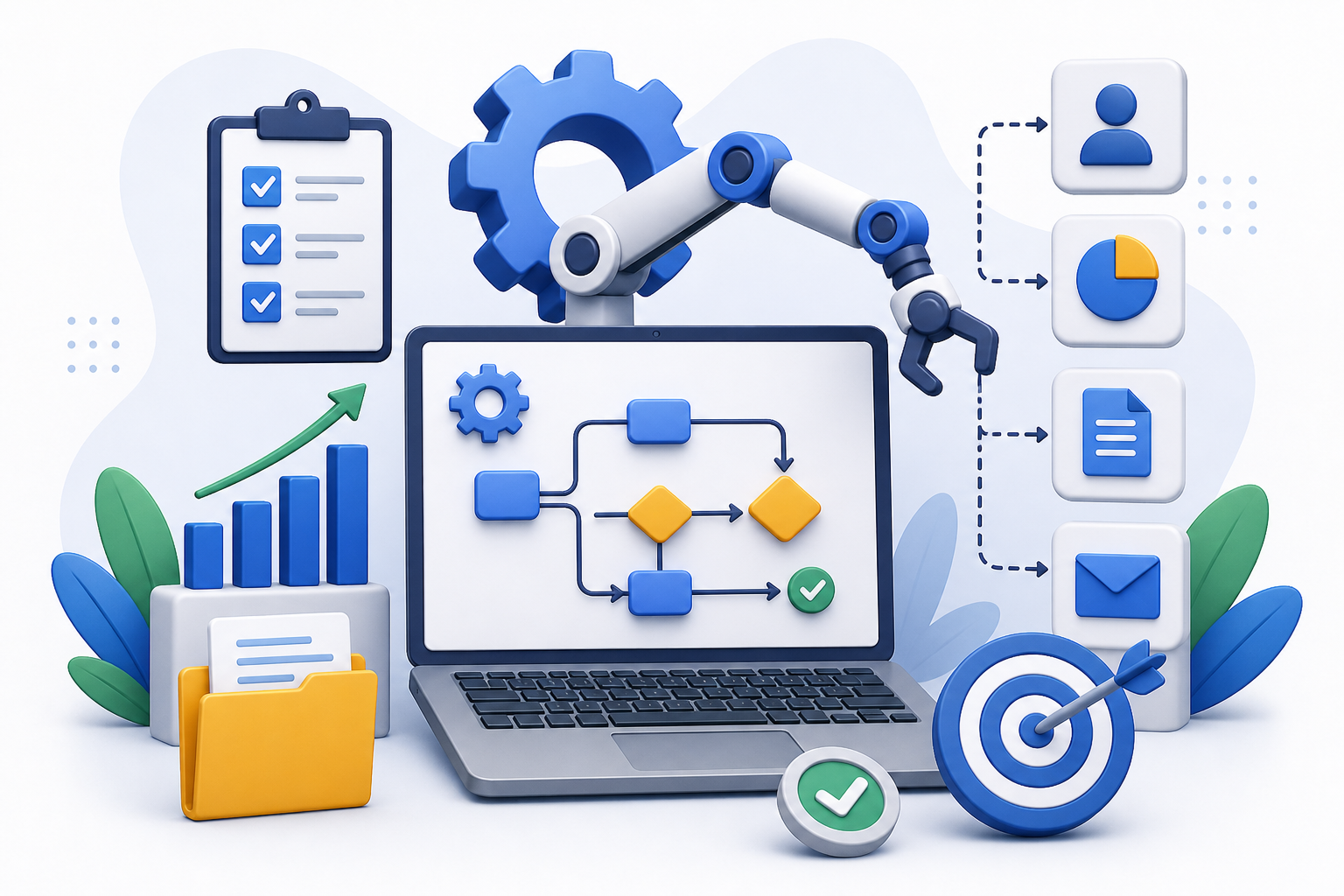
Integration platforms offer an intuitive interface, enabling even non-technical users to easily manage integrations. With drag-and-drop functionality and pre-built templates, users can quickly implement and control integrations without needing to code. These user-friendly features streamline the integration process, improving workflows and reducing the burden on IT teams.
5. Security and Compliance
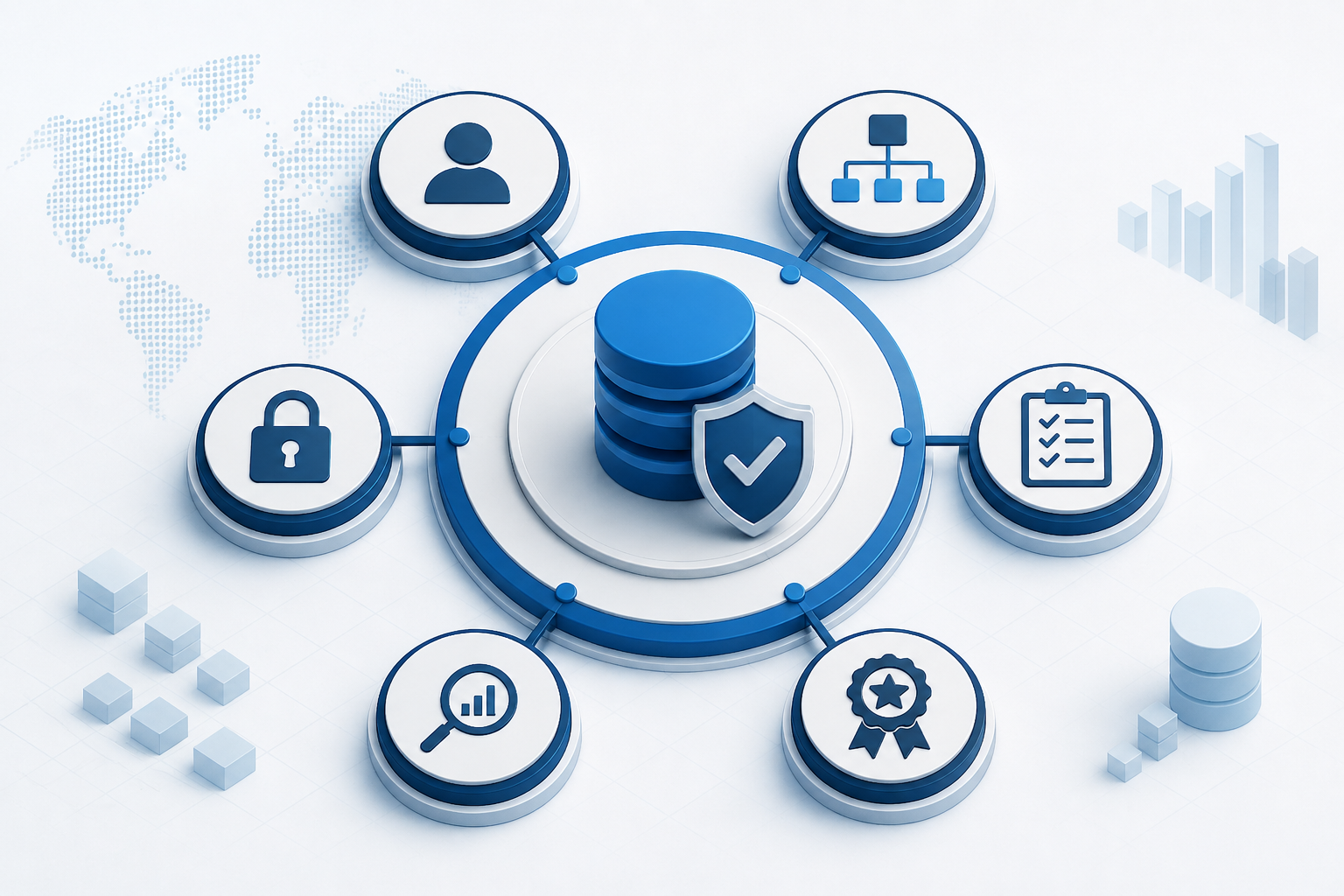
Every organization attempts to achieve peak data security. iPaaS platforms offer a wide range of security features for sensitive information protection. Security features like encryption, authentication, and access control mechanisms ensure secure data transfer and arrival to its destination. iPaaS solutions have compliance features so organizations can follow industry regulations such as ISO, HIPAA, and SOC 2.
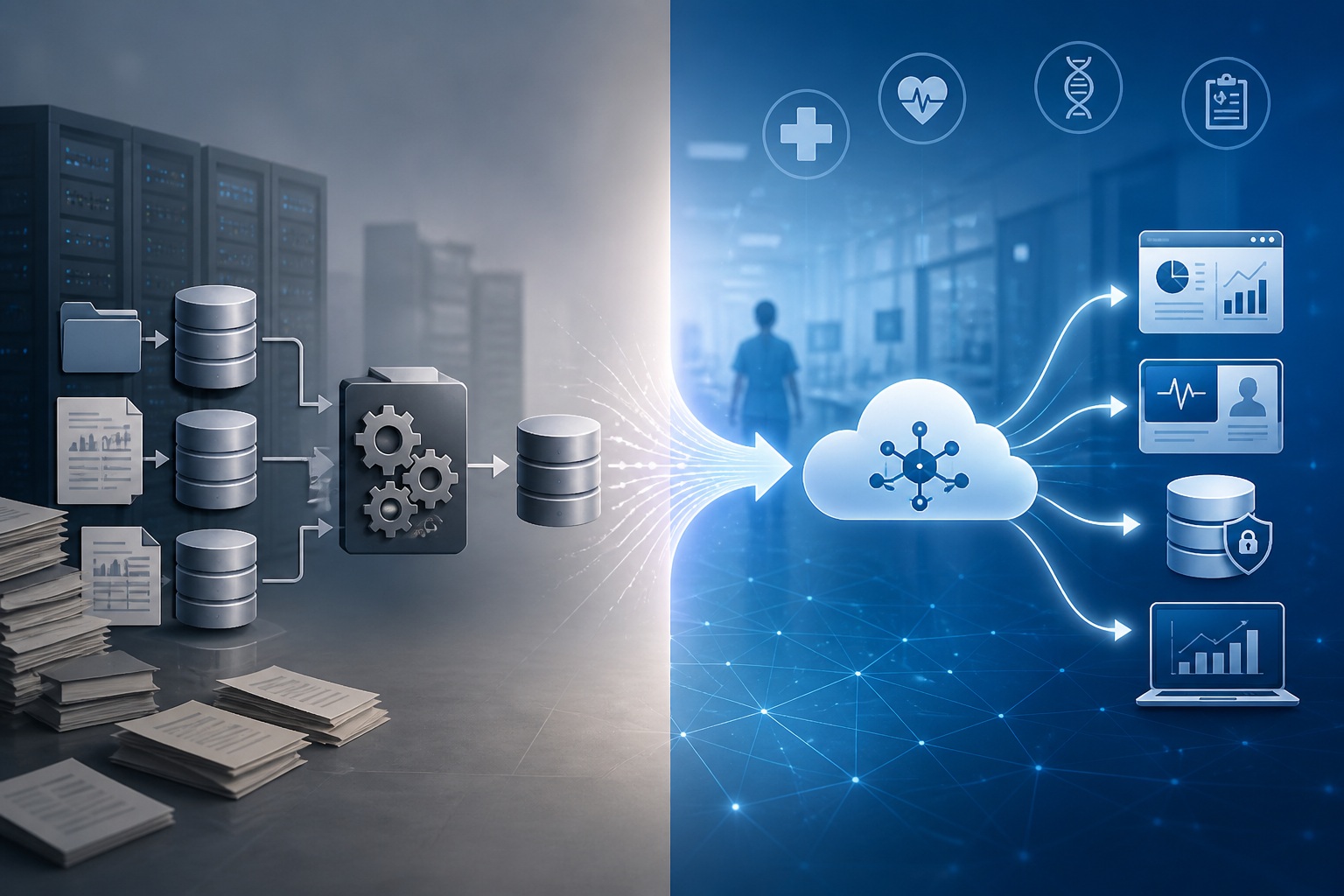
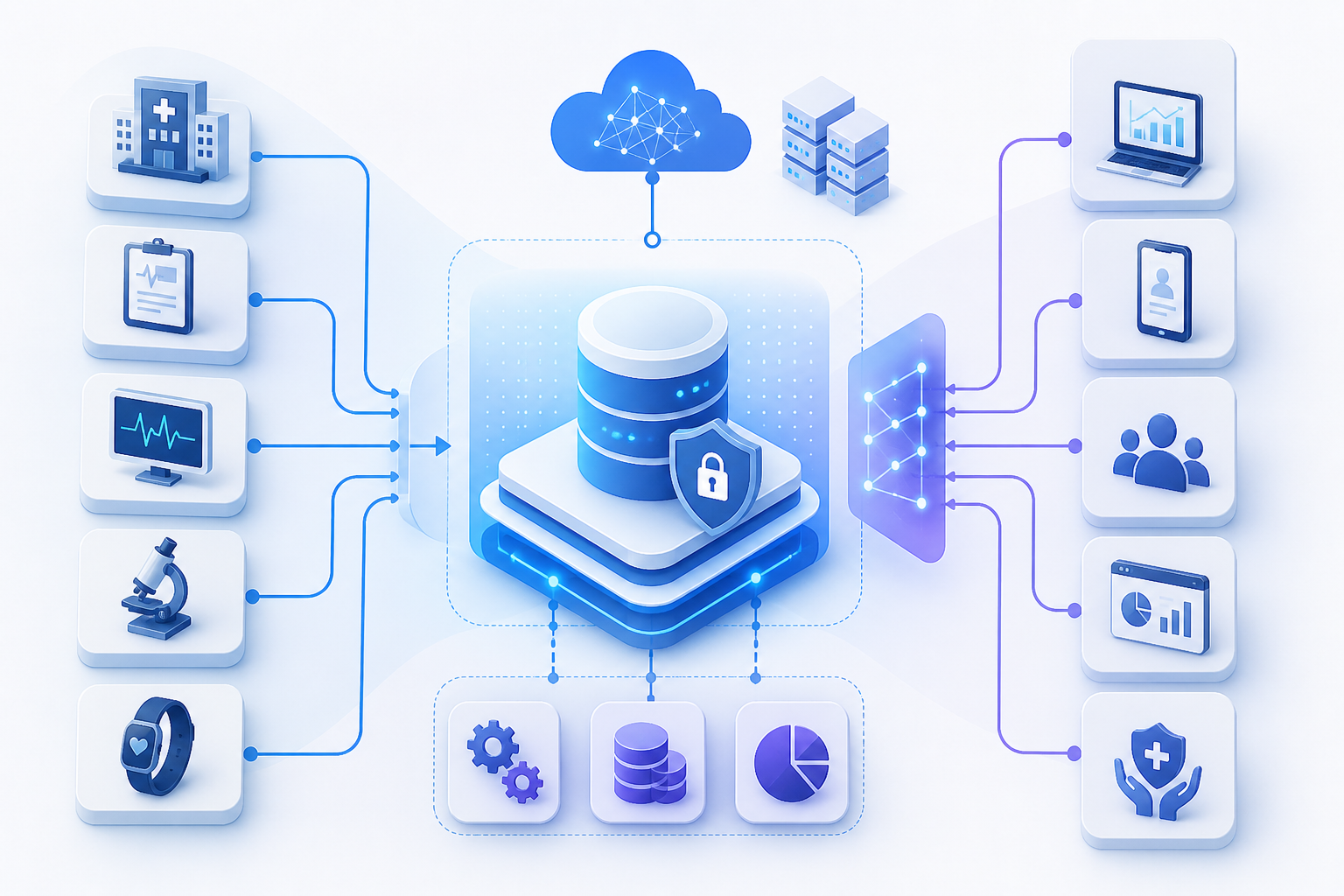
For instance, healthcare organizations utilize iPaaS to securely transfer patient data to different systems, to comply with HIPAA during patient care. Seamless communication between electronic health records (EHR), billing software, and other applications is possible because of iPaaS.
6. Analytics and Monitoring
Advanced analytics and monitoring tools give insight into the integration process on an iPaaS platform. Organizations can track integration performance, identify issues in the process, and conduct workflow optimization to enhance efficiency. Leveraging these drawn conclusions can help organizations to optimize integration strategies for smoother operations.
Conclusion
The key features of iPaaS—including comprehensive connectivity, scalability, real-time data integration, user-friendly interfaces, security, and analytics—are crucial for organizations looking to streamline operations and enhance their technological connectivity.
Vorro provides solutions with a custom-made plan for your organization. Learn more about integration solutions by checking out our blogs on Unlocking the Potential of EiPaaS in 2024 and The Power of Enterprise Integration Platform as a Service (EiPaaS).