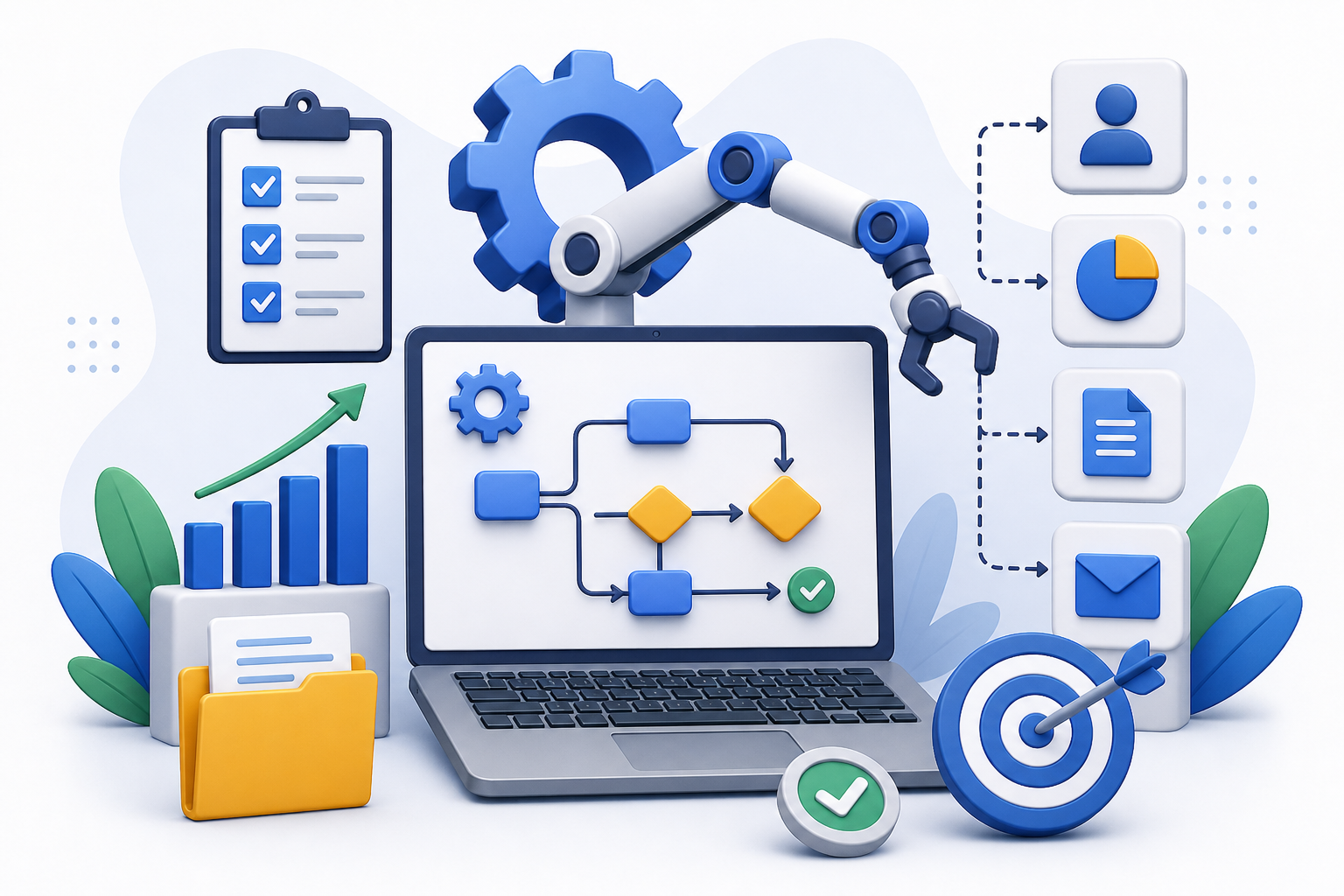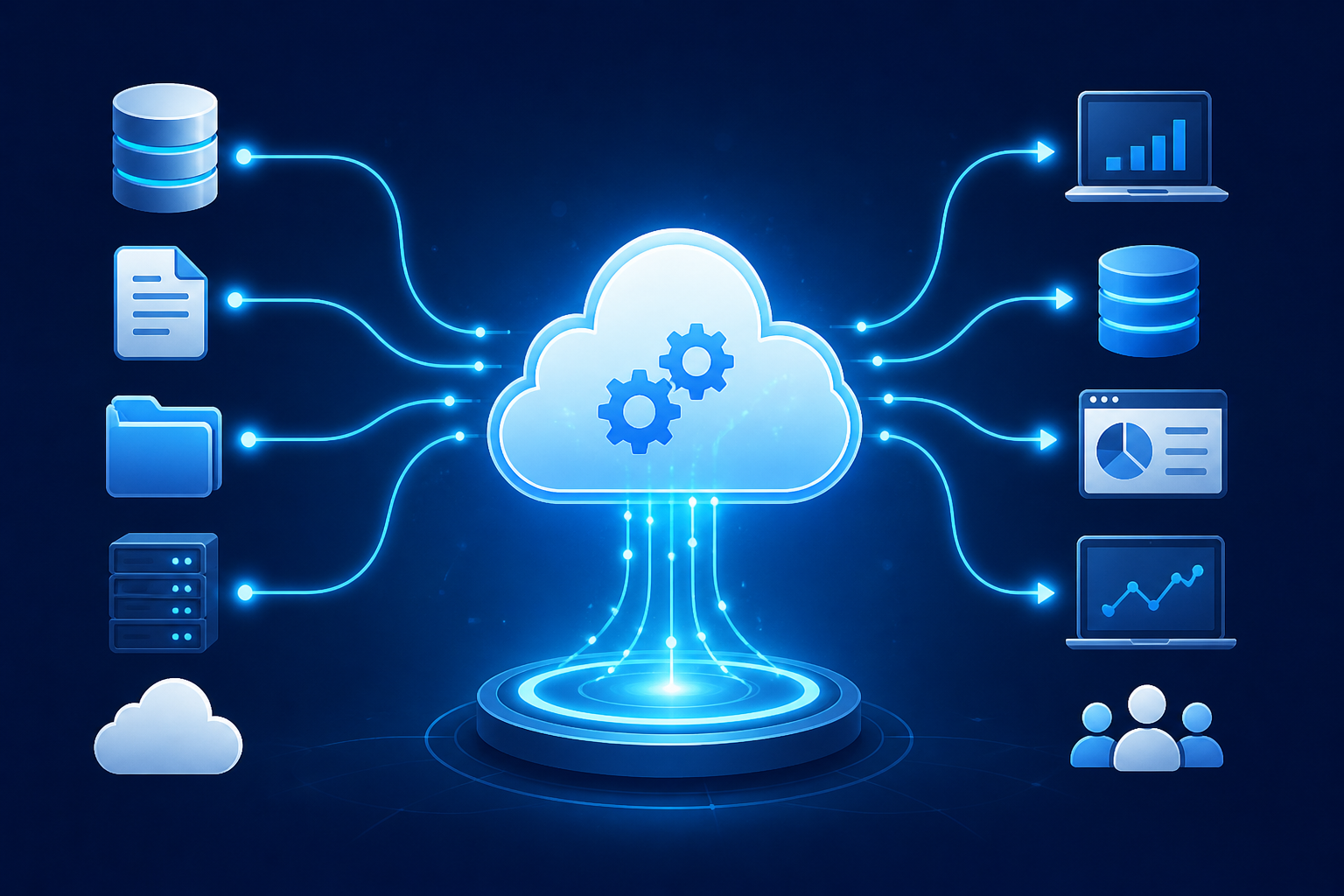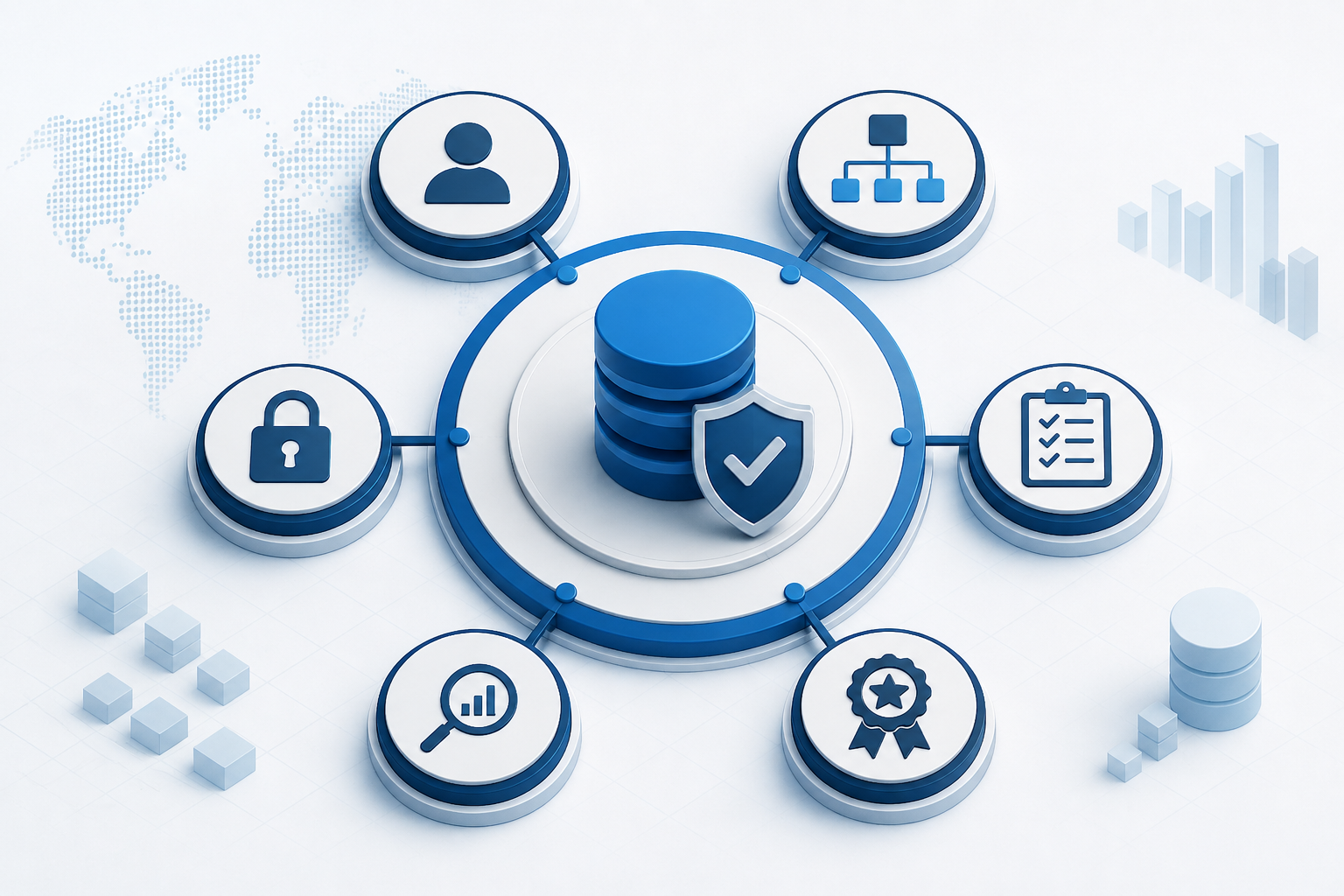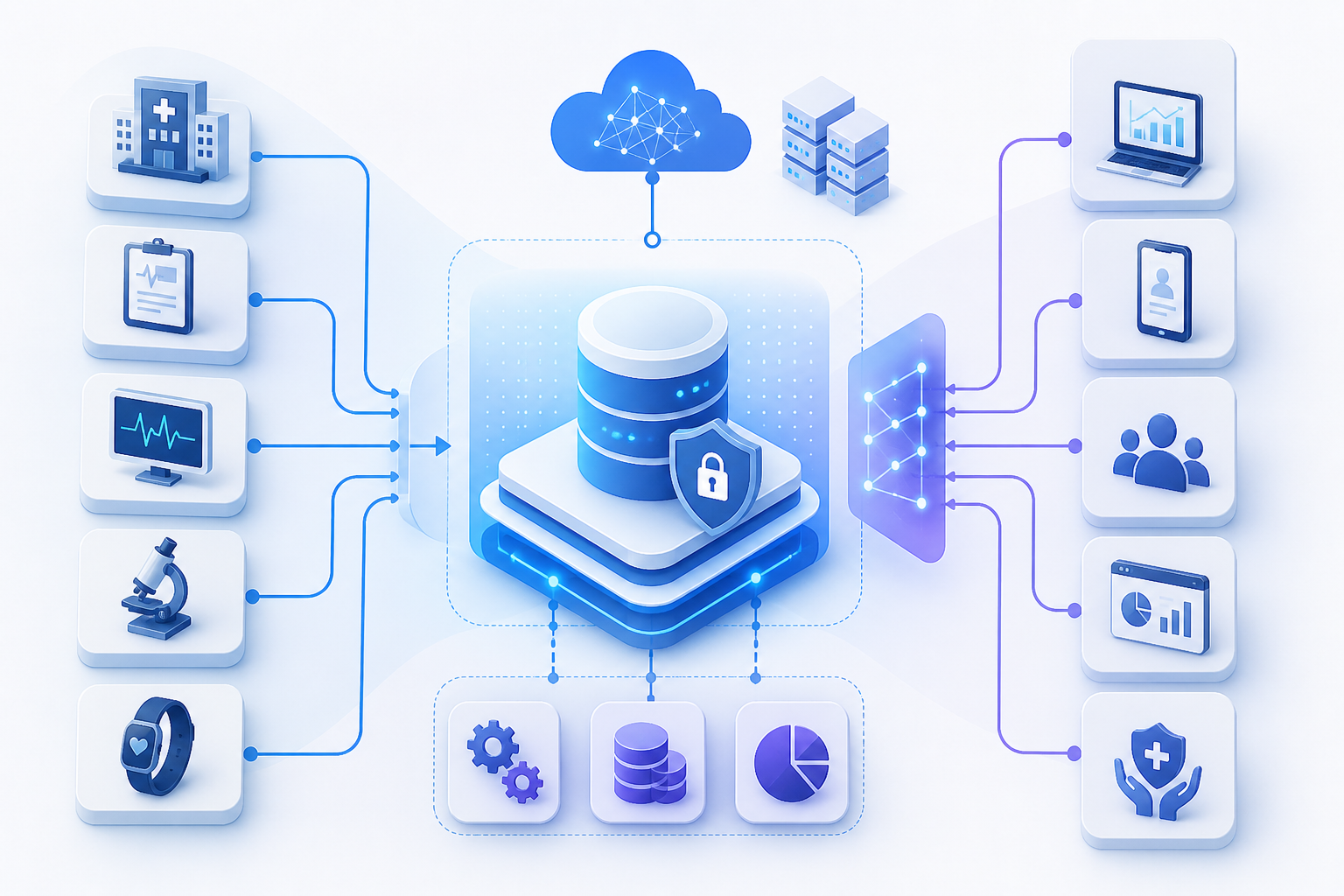
Master Data Management is the discipline of creating and maintaining trusted, shared business entities like customers, products, suppliers, and locations across your systems. If that sounds abstract, here’s the plain-English version: MDM is how you stop arguing about whose customer record is “right” and start operating from a single, governed truth.
And yes, it’s both a data problem and a people problem. The tech can match and merge records all day, but without clear ownership and rules, you’ll just generate cleaner chaos.
I’ve seen MDM succeed when teams treat it like an operating model, not a one-time integration project. So let’s walk through what it is, how it works, and how you can evaluate approaches and tools without getting sold a fantasy.
What Is Master Data Management
Master Data Management is a set of processes, governance practices, and enabling technology that ensures your core business data is accurate, consistent, and controlled across the enterprise. It’s not a database. It’s not just data quality. It’s the system of record strategy for the entities your business runs on.
Now, if you’re thinking, “We already have CRM and ERP,” you’re not wrong. But those systems weren’t designed to reconcile conflicting definitions, resolve duplicates across channels, and enforce shared standards across dozens of apps. That’s where MDM earns its keep.
Master data vs transactional data vs reference data
These terms get mixed up constantly. Here’s the clean separation I use with stakeholders.
- Master data: Core entities that stay relatively stable and are reused across processes. Think customer, product, supplier, employee, location.
- Transactional data: Events that happen to master data. Orders, invoices, shipments, support tickets, claims, payments.
- Reference data: Controlled code sets and classifications. Country codes, currency codes, product categories, reason codes, status values.
And there’s a fourth term that matters in real life: metadata. That’s data about data, like definitions, lineage, owners, and sensitivity labels. Metadata won’t fix duplicates by itself, but it’s how you keep everyone aligned on meaning and accountability.
The golden record single source of truth explained
The MDM promise is the golden record: a mastered, governed representation of an entity, assembled from multiple sources. It’s not “whatever is in Salesforce.” It’s the best-known version of a customer or product, based on matching, survivorship rules, and stewardship decisions.
So what’s the “single source of truth” part? It doesn’t always mean a single physical database. In many MDM architectures, the “truth” is a curated record that can be published back to operational systems, analytics platforms, and downstream apps.
One practical example: a B2B company with 14 systems might have “Acme Inc.” as 6 different accounts, 3 billing addresses, and 2 tax IDs. MDM resolves that into one mastered entity, with relationships to subsidiaries and sites, plus lineage showing where each attribute came from.
Also Read: Key Features to Look for in Healthcare Data Integration Software
Why Master Data Management Matters
MDM matters because bad master data quietly taxes everything: revenue, service, compliance, analytics, even morale. People waste hours reconciling spreadsheets because they don’t trust what’s in the system. That cost is real, even if it never shows up as a line item.
But here’s the kicker: as you add SaaS tools, marketplaces, and data products, the “duplicate truth” problem gets worse, not better. More systems means more drift.
Business outcomes revenue CX efficiency
When Master Data Management is working, you see outcomes that executives actually care about.
- Revenue lift: Better account hierarchies improve territory planning and cross-sell. Cleaner product data reduces cart abandonment and returns.
- Customer experience: Service agents stop asking customers to repeat information. Marketing stops sending three emails to the same person.
- Operational efficiency: Fewer manual corrections, fewer failed integrations, fewer “why is this report wrong” meetings.
I once worked with a team where duplicate customers were driving double shipments about 0.5% of the time. That sounds small. But at 200,000 shipments a month, that’s 1,000 problems monthly, plus refunds, plus angry calls. MDM paid for itself fast.
Risk and compliance drivers auditability privacy lineage
Now the unsexy part. MDM is a risk control.
Regulated industries care about auditability, lineage, and consent. If you can’t explain where a customer attribute came from, when it changed, and who approved it, you’re exposed.
Privacy rules also push you toward better mastered entities. You need to know which records represent the same person to honor deletion requests, retention policies, and data minimization. And you need access control that respects sensitivity, not just “everyone can see everything.”
Common MDM Domains
MDM isn’t one-size-fits-all. You pick a domain based on business pain, value, and feasibility. The best programs start narrow, prove value, then expand.
Customer CDM Product PIM Supplier Location Employee
- Customer data: Often called Customer Data Management. Focuses on identity resolution, householding, account hierarchies, and consent-aware profiles.
- Product data: Closely related to Product Information Management. Focuses on attributes, classifications, digital assets, and channel-ready product content.
- Supplier data: Vendor onboarding, risk scoring, payment details, and duplicate supplier prevention.
- Location data: Store, site, facility, ship-to, bill-to, and geo hierarchies.
- Employee data: Useful when HR data is fragmented across HRIS, IAM, and finance systems.
So where do most teams start? Customer or product. They’re high-impact and highly visible. Supplier is a sleeper hit when procurement is serious about spend control.
Cross-domain vs single-domain MDM
Single-domain MDM is exactly what it sounds like: master one entity type well. It’s simpler. Faster. Less political.
Cross-domain MDM connects entities and relationships across domains, like customer-to-product entitlements, supplier-to-location shipping lanes, or org structures tied to cost centers. It’s more powerful, but you’ll need stronger governance and a clearer operating model.
How MDM Works: Core Capabilities
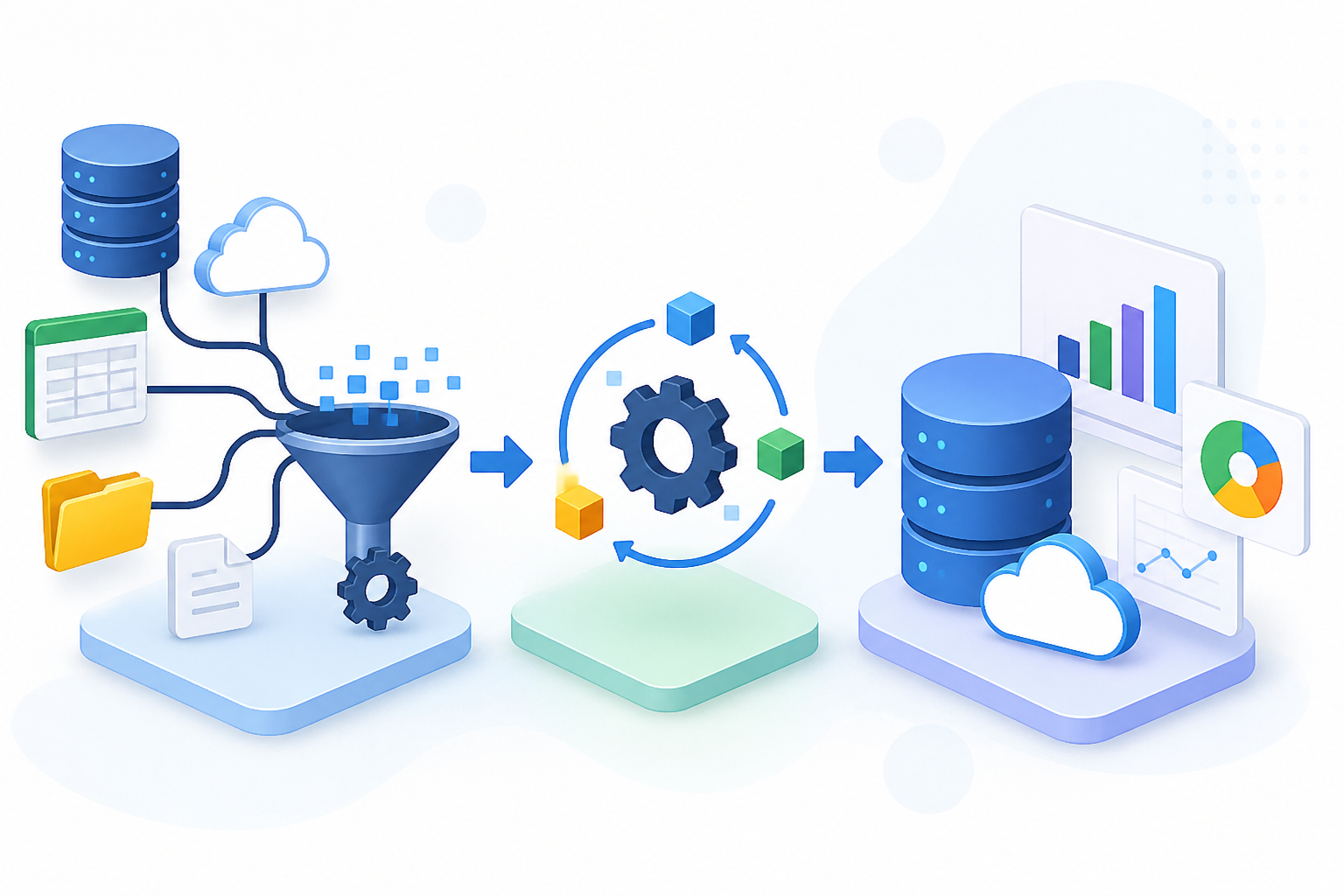
MDM works by ingesting data from source systems, identifying which records refer to the same real-world entity, applying standardization and survivorship rules, and publishing mastered data back out. That’s the loop.
But the devil is in the details. Let’s get practical.
Data matching and deduplication identity resolution
Matching is the engine. You’re trying to answer: “Are these two records the same thing?”
Good MDM supports deterministic rules like exact tax ID matches, plus probabilistic or fuzzy matching like name similarity, address proximity, and email patterns. Identity resolution is where you’ll spend time tuning thresholds, blocking rules, and exception handling.
And you’ll need to plan for false positives and false negatives. If you merge two different “John Smith” records incorrectly, you can create a privacy incident. If you fail to merge duplicates, you keep paying the duplicate tax.
Standardization enrichment survivorship rules
Standardization makes data consistent: casing, address formats, phone normalization, date formats, unit conversions. It’s basic. It’s also where many programs win quick credibility.
Enrichment adds missing context, sometimes from third parties: firmographics, address validation, geo-codes, product taxonomy mappings. But don’t get carried away. Enrichment without governance becomes expensive noise.
Survivorship rules decide which attribute value “wins” when sources conflict. For example:
- Prefer ERP for legal name and tax ID
- Prefer CRM for contact email and opportunity owner
- Prefer verified third-party for address standardization
So yes, survivorship is political. That’s why governance matters.
Hierarchies and relationships households org structures BOM
MDM isn’t just flat attributes. Relationships are where value explodes.
- Customer hierarchies: Parent-child accounts, subsidiaries, global ultimate, buying groups.
- Households: Individuals linked by address or relationship logic for consumer use cases.
- Org structures: Cost centers, departments, reporting lines.
- Product structures: Bills of materials, kits, bundles, variants.
And when hierarchies are wrong, everything is wrong: credit exposure, pricing eligibility, segmentation, and reporting rollups.
Stewardship workflows and approvals
Automation handles the obvious matches. Humans handle the messy edge cases.
Stewardship workflows route exceptions to the right people, with context: match scores, conflicting attributes, source history, and suggested merges. Approvals matter because you want a controlled trail, not random edits.
In strong programs, stewards have SLAs. Not “when I have time.” Real SLAs like 24 hours for high-risk merges and 5 business days for low-impact corrections.
MDM Architecture and Implementation Styles
There are multiple MDM architecture styles, and each one fits different constraints. If a vendor tells you there’s only one right way, thats a red flag.
Registry Consolidation Coexistence Centralized
- Registry: MDM stores identifiers and links across systems, but source systems keep the attributes. Great when you need rapid entity resolution without heavy process change.
- Consolidation: MDM aggregates data into a master hub for analytics and downstream use, but operational systems may still author changes.
- Coexistence: A mix. Some attributes are mastered centrally, others remain in source apps. Synchronization is key.
- Centralized: MDM becomes the system where master data is created and maintained, then distributed to other apps. Strong control, bigger change management.
So which should you choose? If your business can’t pause operations to redesign processes, start with registry or consolidation. If you’re harmonizing after a merger and need strict control, centralized can be worth the pain.
Integration patterns ETL ELT APIs event streaming
Integration is where timelines go to die, unless you plan it upfront.
- Batch ETL or ELT: Nightly loads are common for product and supplier mastering. Simple, predictable, but not real-time.
- APIs: Great for operational lookups and create-update flows. Also where you enforce validation rules at the edge.
- Event streaming: Useful when changes must propagate quickly, like customer updates that affect fraud checks or entitlement decisions.
My opinion: don’t chase real-time everywhere. Pick 2 or 3 flows where latency actually matters, then keep the rest sane with batch.
MDM data warehouse lakehouse data catalog
Teams adopting a modern data stack often ask, “If we have a lakehouse, do we still need MDM?” Yes, if your goal is trusted operational entities, not just analytics tables.
Here’s how I map it:
- MDM: Defines and governs entities, matching logic, survivorship, hierarchies, and stewardship workflows.
- Data warehouse or lakehouse: Optimizes analytical querying and historical reporting. It can store mastered data, but it usually doesn’t manage stewardship or operational publishing.
- Data catalog: Documents definitions, owners, lineage, and sensitivity. It makes MDM outputs findable and understandable.
- Reverse ETL: Pushes curated data from analytics environments back into operational tools. It can distribute mastered attributes, but it doesn’t replace mastering logic.
And if you’re event-driven, MDM can publish “golden record changed” events so downstream systems stay aligned without brittle point-to-point integrations.
Master Data Governance
Governance is how you keep MDM from becoming a fancy duplicate generator. You need decisions, not just dashboards.
But don’t overdo it. I’ve seen governance teams write 40-page standards no one reads. Keep it enforceable. Keep it tied to workflows.
Roles data owners stewards custodians
- Data owners: Accountable for definitions, policies, and business outcomes. They resolve conflicts between departments.
- Data stewards: Day-to-day quality management, exception handling, approvals, and monitoring.
- Data custodians: Technical teams responsible for platforms, integrations, security, and performance.
Now, here’s the real-world truth: if you can’t name a data owner for “Customer,” you don’t have governance. You have meetings.
Policies definitions standards SLAs change control
At minimum, you need:
- Business definitions: What counts as an active customer? What is a product variant?
- Data standards: Required attributes, allowed values, formatting rules.
- SLAs: Time to resolve duplicates, time to approve new products, time to correct critical attributes.
- Change control: How data model changes are requested, reviewed, tested, and deployed.
And yes, privacy and security policies belong here too: access control by role, retention rules, and minimization guidelines so you don’t collect sensitive data “just because.”
Data quality KPIs and monitoring
If you can’t measure it, you can’t manage it. So I like to define a simple MDM KPI dashboard early, even before the tooling is perfect.
- Duplicate rate: Percent of entities with at least one suspected duplicate.
- Match rate: Percent of incoming records automatically matched above threshold.
- Steward SLA compliance: Percent of exceptions resolved within SLA windows.
- Attribute completeness: For example, 12 required fields at 98% completion for active products.
- Attribute accuracy: Sample-based audit results or verified-vs-source comparisons.
- Hierarchy accuracy: Percent of entities correctly assigned to parent, household, or org node.
- Time to publish: From change request to mastered record available downstream.
So what numbers should you aim for? It depends. But if your duplicate rate drops from 18% to 6% in a quarter, people will notice. And they’ll start trusting the program.
Benefits of Master Data Management with Examples
MDM benefits are easiest to understand when you tie them to specific workflows. Not vague “data is better” claims. Actual moments where teams feel the difference.
Customer 360 product accuracy supplier rationalization
Customer 360 becomes possible when you can reliably link identities across CRM, billing, support, and marketing. That means one customer view, consistent segmentation, and fewer awkward service calls.
Product accuracy improves when attributes are standardized and governed. Think fewer incorrect dimensions, fewer wrong compatibility claims, and fewer channel listing errors. If you sell on marketplaces, bad product data becomes a direct revenue leak.
Supplier rationalization is another big one. I’ve seen procurement teams discover that “ABC Industrial,” “A.B.C. Industrial LLC,” and “ABC Ind.” were the same supplier, splitting spend across three vendor IDs. Once mastered, negotiations change. Fast.
Better analytics and AI outcomes via trusted entities
Analytics teams love MDM because it reduces entity chaos. Your BI layer stops reinventing matching logic in every dashboard. Your metric definitions stop drifting between departments.
And for AI? Garbage entities produce garbage predictions. If your churn model thinks the same customer is three different accounts, your features are wrong and your labels are messy. Mastered entities make training data cleaner, and that usually means fewer surprises in production.
Challenges and Pitfalls and How to Avoid Them
MDM projects fail in predictable ways. The tech rarely collapses first. The scope does.
Scope creep weak ownership poor source data
Scope creep happens when you try to master customer, product, supplier, and location in one go. Don’t. Pick one domain, one region, or one business unit, then expand.
Weak ownership is the silent killer. If Sales and Finance won’t agree on what “active customer” means, your golden record becomes a compromise no one trusts. Name an owner. Give them decision rights.
Poor source data is also real. If upstream systems allow free-text country names and unvalidated addresses, MDM will spend its life cleaning up messes. Fix the inputs where you can, not only the hub.
Over-customization integration debt adoption issues
Over-customization makes upgrades painful and slows delivery. I’m not saying “never customize.” I’m saying customize only when it changes outcomes, not when it matches a legacy screen pixel-for-pixel.
Integration debt shows up when you build too many point-to-point feeds. It works until it doesn’t. Prefer shared APIs, reusable pipelines, and event patterns where it makes sense.
Adoption issues are usually training and incentives problems. If stewards aren’t allocated time, SLAs become theater. If teams can bypass MDM to “get it done,” they will.
Also Read: The Role of Automation in Healthcare Data Workflows
How to Choose an MDM Tool Solution
Choosing an MDM solution is part capability fit, part architecture fit, part organizational fit. You’re not just buying software. You’re buying a way of working.
So ask hard questions. Early.
Evaluation checklist domain fit matching workflow integration scalability
- Domain fit: Does it handle your domain deeply, like product variants and attributes or customer hierarchies and identity resolution?
- Matching quality: Can you tune rules, thresholds, and explain match decisions? Can stewards override safely?
- Workflow and stewardship: Are approvals, queues, and exception handling actually usable, or just “technically possible”?
- Integration: Batch, APIs, event support, connectors, and how painful it is to publish mastered data back to core apps.
- Scalability: Records, concurrency, latency, and multi-region needs. Ask for numbers, not promises.
- Security: Role-based access, field-level controls, audit logs, and retention support.
- Modeling: How flexible is the data model, and how governed are changes?
And don’t skip the demo homework: bring 200 messy records from your real sources. If a tool looks great only on perfect sample data, you’re watching marketing, not engineering.
Build vs buy considerations
Could you build MDM yourself with a lakehouse, dbt, and a bunch of matching code? Sure. Many teams do a version of it.
But here’s what you’ll end up building anyway: stewardship UI, workflow, survivorship logic, audit trails, hierarchy management, and safe publishing patterns. If you’re not prepared to own that product long-term, buying is often cheaper in year 2 and year 3.
My rule of thumb: build when your mastering logic is a true differentiator and you have a platform team that can support it. Buy when you need proven workflows and governance fast.
Typical pricing cost drivers users records environments
MDM pricing varies wildly, but the cost drivers are pretty consistent:
- Number of records: Total mastered entities and sometimes matched source records.
- Users: Named users for stewards and business users, plus API usage in some models.
- Environments: Dev, test, staging, prod, and sometimes sandbox costs.
- Modules: Matching, workflow, hierarchy management, enrichment, connectors.
Now, don’t ignore services. Many implementations spend 1.5x to 3x the first-year license on integration, modeling, and change management. That’s not always bad. It’s just reality.
MDM Implementation Roadmap 90-Day to 12-Month Plan
MDM needs momentum. If you spend 9 months modeling without shipping value, people will tune out. So I like a phased roadmap with visible wins.
Discovery and domain selection
In the first 30 to 45 days, focus on clarity:
- Pick the domain with the clearest pain and sponsor support
- Inventory source systems and data flows
- Define the golden record attributes and required fields
- Agree on success metrics like duplicate rate reduction or completeness targets
And ask the awkward question: who will own decisions when teams disagree? If you can’t answer that, pause and fix governance before you build.
Data model matching rules governance setup
Days 45 to 90 is where the real work starts:
- Design the entity model and hierarchies
- Define matching rules, blocking keys, and survivorship policies
- Set up stewardship queues, approval flows, and audit requirements
- Establish data quality KPIs and monitoring routines
So keep it tight. A model that covers 80% of use cases is better than a perfect model that ships next year.
Pilot rollout operating model
From month 3 to month 12, you scale what works:
- Run a pilot with one business unit or region
- Publish mastered data to 1 to 3 downstream systems
- Train stewards and business users with real scenarios
- Expand domains, sources, and integrations based on measured value
Now, here’s the missing piece competitors rarely spell out: the operating model.
Operating model template I’ve used successfully looks like this:
- Data owner: Accountable for definitions, conflict resolution, and KPI targets
- Lead steward: Runs daily queues, triages issues, manages steward training
- Domain stewards: Handle exceptions, approve merges, manage hierarchy changes
- Platform custodian: Owns integrations, releases, access control, performance
- Change manager: Drives adoption, comms, training, and “no bypass” enforcement
And yes, you need a simple RACI. If “Approve survivorship change” has five people Responsible, nobody is.
FAQs About Master Data Management
Is MDM the same as data governance
No. Data governance is the broader set of decision rights, policies, and accountability across data. MDM is a specific practice and set of capabilities focused on mastering core entities. Good MDM requires governance, but governance can exist without MDM tooling.
MDM vs PIM vs CRM vs ERP
CRM manages customer interactions and pipeline. ERP runs finance and operations. PIM focuses on product content for commerce and channels.
MDM sits across them, resolving duplicates, enforcing shared definitions, managing hierarchies, and publishing trusted entities. Sometimes PIM is the product domain MDM. Sometimes it’s integrated with a broader MDM hub. The right answer depends on your domain complexity and governance maturity.
Do small and mid-size companies need MDM
Sometimes. If you have 3 systems and 50,000 customers, you might get by with good CRM hygiene and lightweight dedupe. But if you’re scaling fast, acquiring companies, selling across channels, or dealing with compliance requirements, MDM becomes relevant earlier than most leaders expect.
A practical trigger: if your team is spending more than 10 hours a week reconciling “who is this customer really,” you’re already paying for the problem. You’re just paying in labor instead of a program.
Master Data Management is how you turn messy, duplicated, politically contested entity data into a governed foundation your business can actually trust. The core ideas are simple: define the golden record, match and merge intelligently, apply survivorship rules, manage hierarchies, and run stewardship workflows with real accountability.
But the win comes from execution. Pick the right domain. Choose an architecture style that matches your reality. Measure what matters with a clear KPI dashboard. And build an operating model where owners can decide, stewards can act, and teams can’t bypass the process when it’s inconvenient.
Do that, and MDM stops being a buzzword. It becomes the quiet system behind better revenue decisions, cleaner analytics, smoother operations, and fewer data fires at 4:45 pm on a Friday.