
Healthcare is a challenging market to operate in, mostly because data holds significant importance in improving hospital operations and providing excellent patient care with the necessity of electronic health records (EHR). The US healthcare system, infamous for its complexity and size, serves a population of over 331 million people. Data management and integration were significant factors in the $4.1 trillion healthcare spending in 2020, as reported by the Centers for Medicare and Medicaid Services (CMS).
As healthcare organizations grow and evolve, one major obstacle they face is ensuring that their electronic health record (EHR) systems can handle larger amounts of data while maintaining performance. This is when Scalable EHR integration solutions become crucial.
Understanding the Need for Scalable EHR Integration Solutions
More data than ever before is being collected and analyzed by healthcare establishments. The proliferation of telemedicine, patient portals, and mobile health apps is mostly accountable for the rise in the gathering, storing, and sharing of patient data. 86% of doctors’ offices and nearly 96% of hospitals, according to the Office of the National Coordinator for Health Information Technology (ONC), have certified EHR systems in place. Still, the more these systems grow, the more these integration skills are needed.
Scalable EHR integration solutions help health systems handle increasing data volume without compromising performance. These solutions enable organizations to smoothly incorporate new applications, databases, and services to meet technological advancements and patient expectations.
Strategies to Ensure Scalability in EHR Integration
- Embrace Modern Integration Platforms
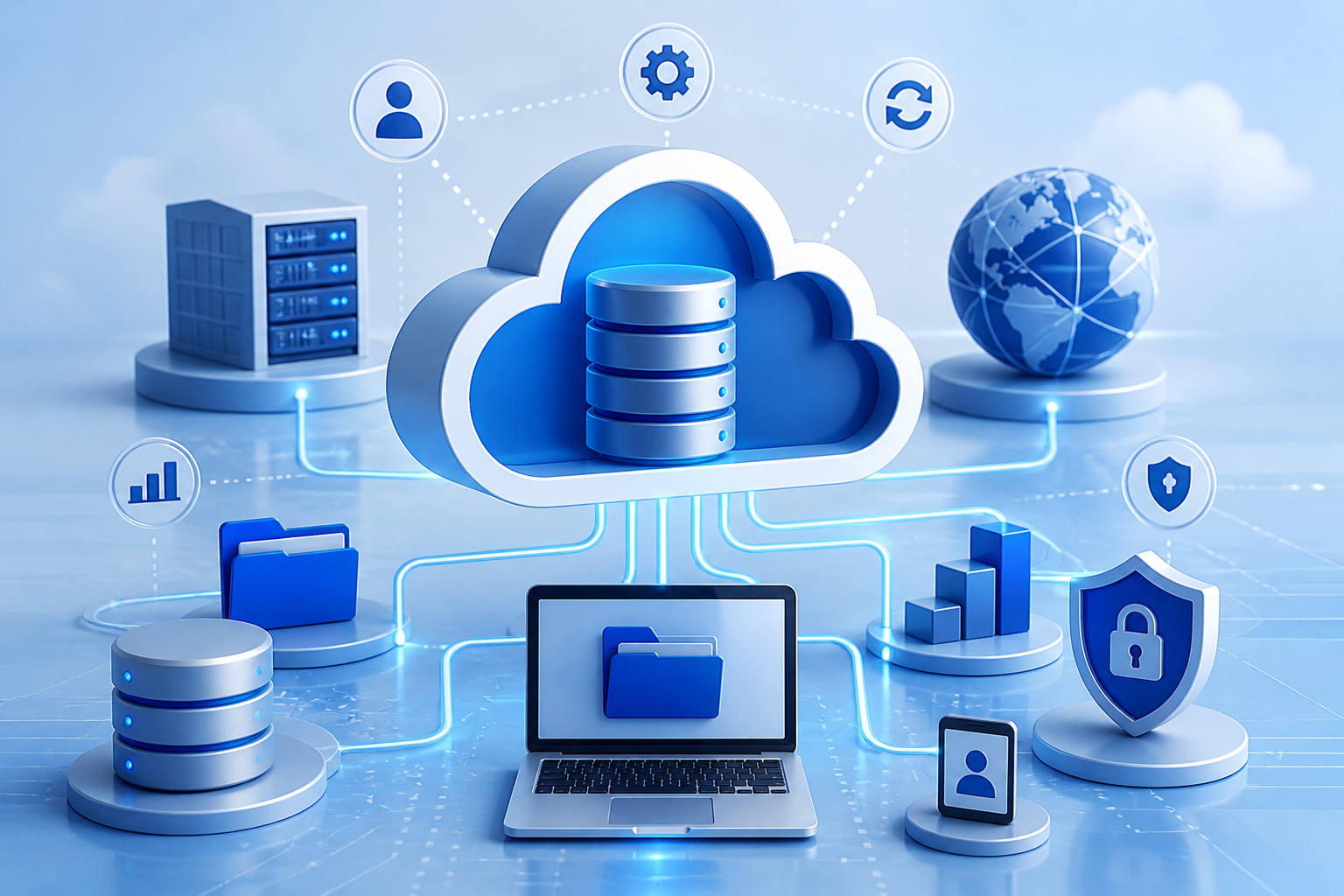
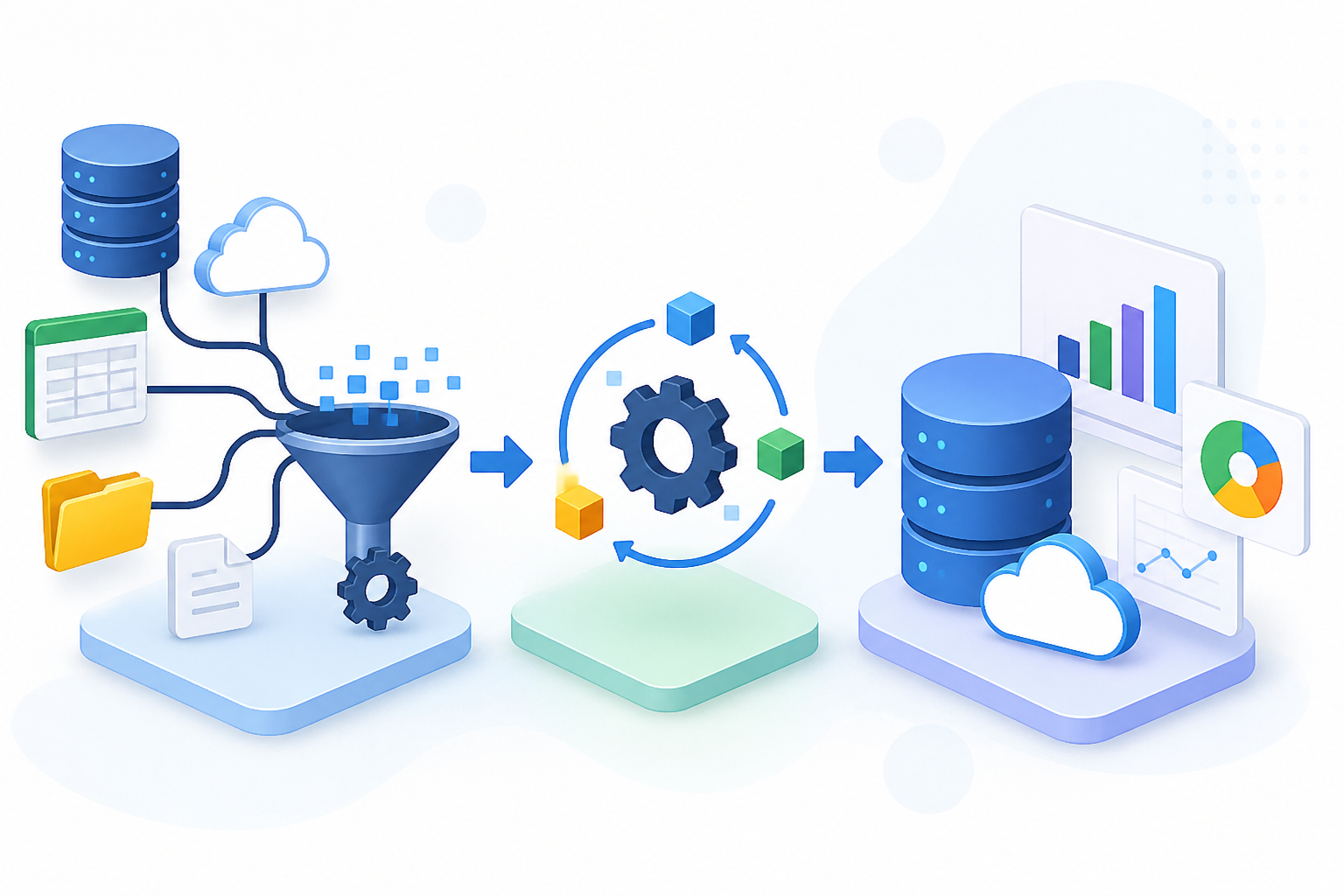
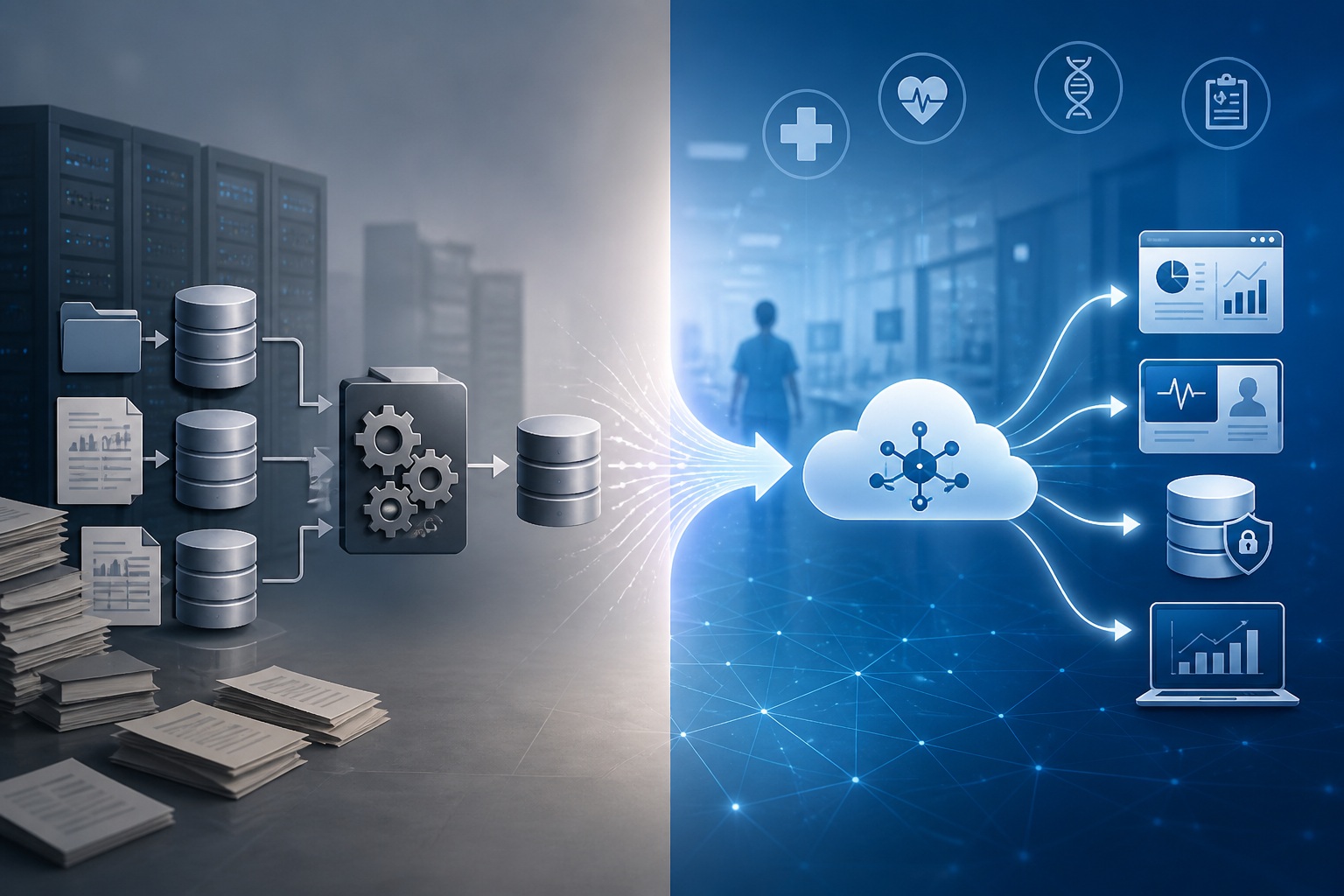
Conventional integration systems sometimes struggle to satisfy the new expectations of healthcare technology.As businesses expand, the need for integration platforms that can manage cloud-based apps, hybrid environments, and real-time data processing grows. In order to meet evolving needs, healthcare providers need modern technologies like Enterprise Integration Platform as a Service (EiPaaS) to be flexible and scalable. By switching to cloud-based or hybrid models, healthcare organizations can make sure that their integration systems may grow without necessitating significant changes to their infrastructure.
2. Leverage APIs for Interoperability
APIs have become a crucial tool for healthcare interoperability. APIs enable various healthcare systems to communicate and share data in a standardized way, promoting scalable integration. By utilizing APIs, companies can decrease dependency on old integration protocols and enhance data communication among various departments, locations, and platforms. The 21st Century Cures Act in the US, which supports patient access to health information, has highlighted the importance of scalable, API-driven integration.
3. Pay attention to Real-time Data Processing
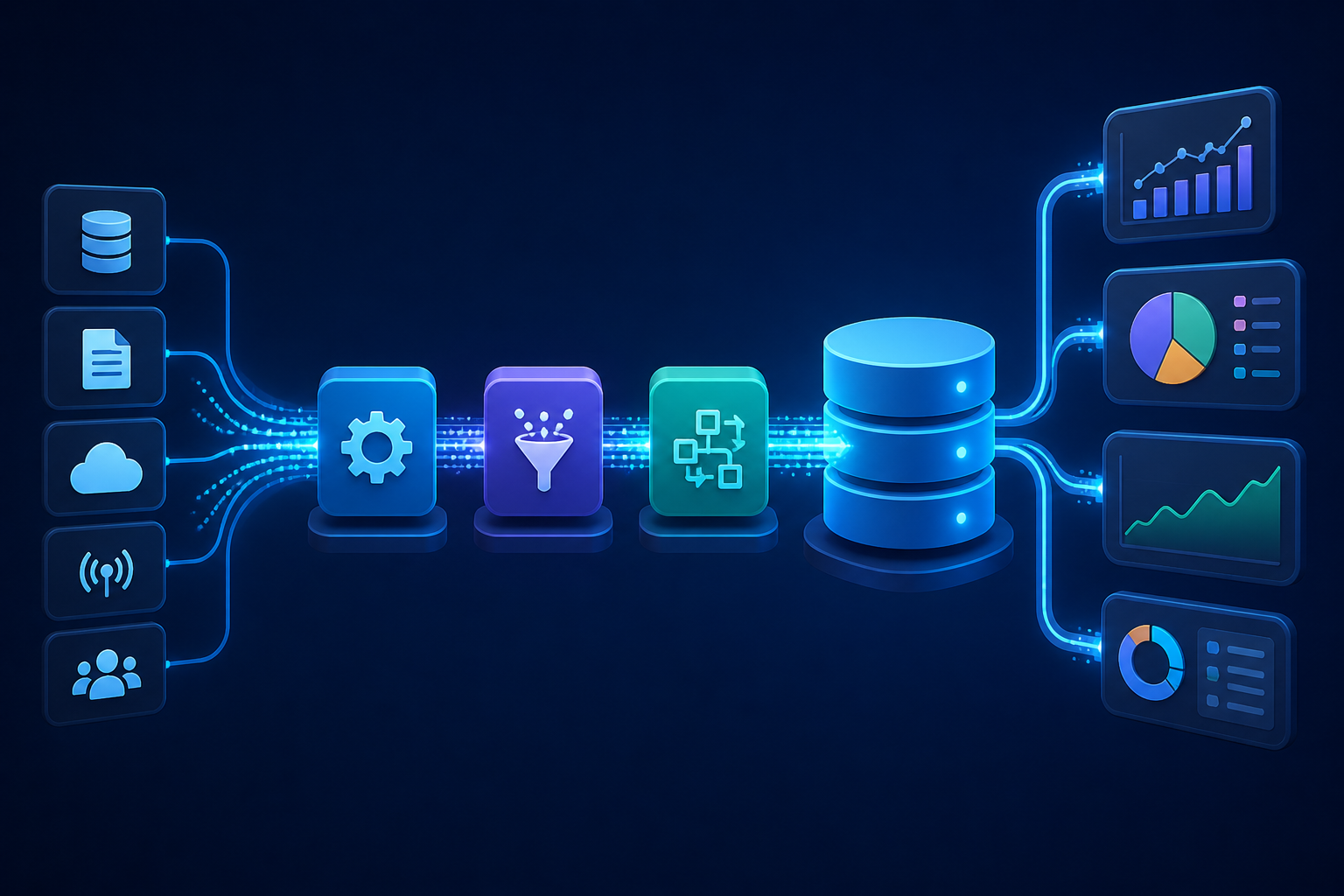
With healthcare becoming increasingly data-focused, processing data in real-time is essential. Instant access to critical patient information supported by real-time data processing leads to improved decision-making and patient outcomes. Efficient EHR integration solutions need to prioritize enhancing the flow of real-time data, enabling healthcare providers to address patient needs promptly. This additionally lessens the chance of data bottlenecks that may arise with the growth of data volumes.
4. Mitigate Integration Scalability Challenges
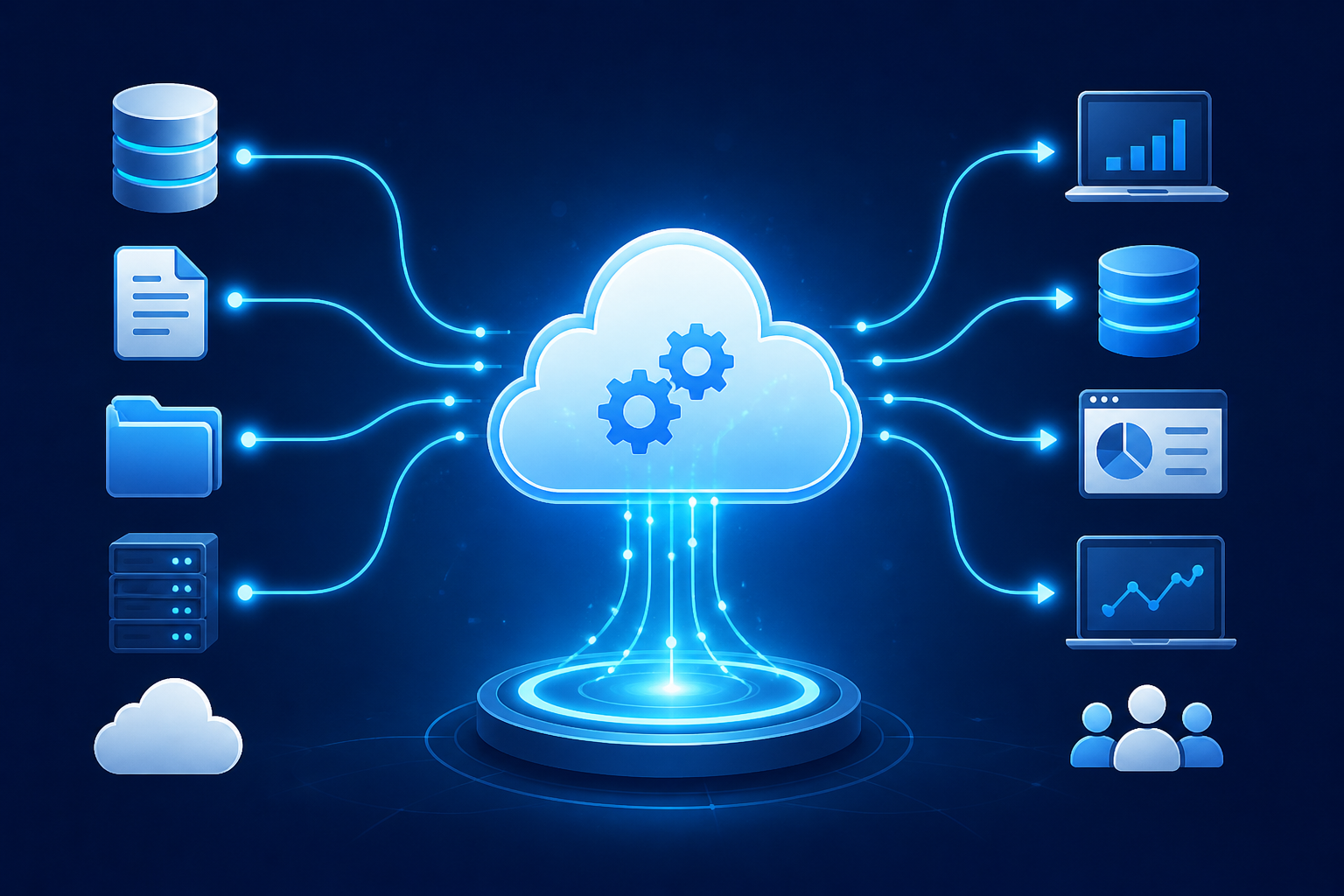
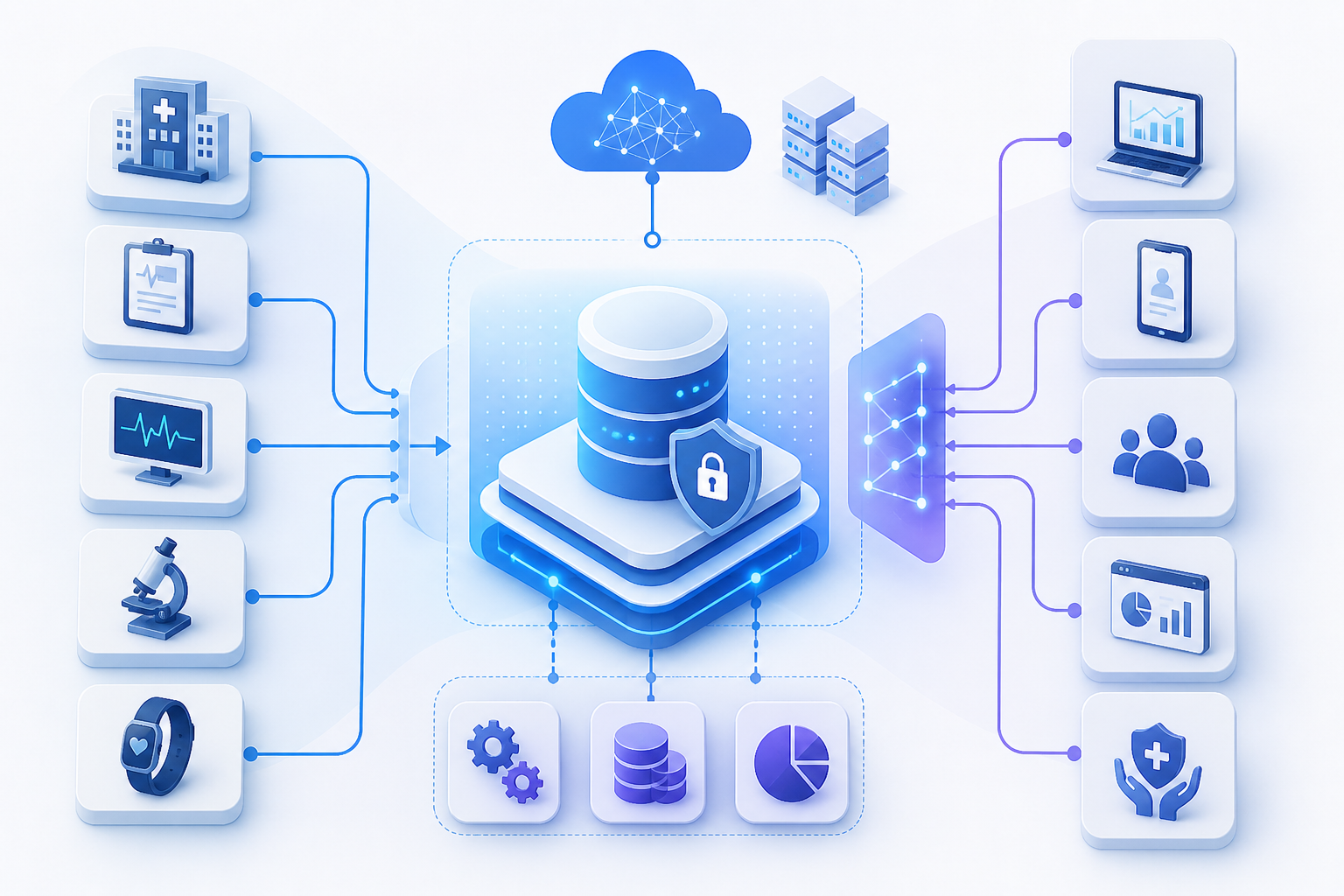
Healthcare organizations face several challenges when scaling their integration solutions, including excessive data volumes, diverse data formats, and inefficient data transfer methods. EiPaaS helps mitigate these challenges by offering a scalable, cloud-based platform that addresses interoperability and real-time data exchange. It eliminates data silos, providing a seamless flow of information across multiple systems.
To further ensure smooth scalability, Vorro’s platform integrates several advanced features, such as intelligent alerting systems and the ability to leverage auto-scaling capabilities of the cloud service provider. These features ensure that as data volumes increase, the integration pipelines can automatically adjust to handle the load, maintaining consistent performance. Vorro’s solution also tracks data flows in real-time, identifying potential issues before they escalate and ensuring proactive resolution.
Benefits of Future-Proofing EHR Integration
Healthcare organizations can experience numerous advantages by implementing Enterprise Integration Platform as a Service (EiPaaS) for their EHR integration. These include:
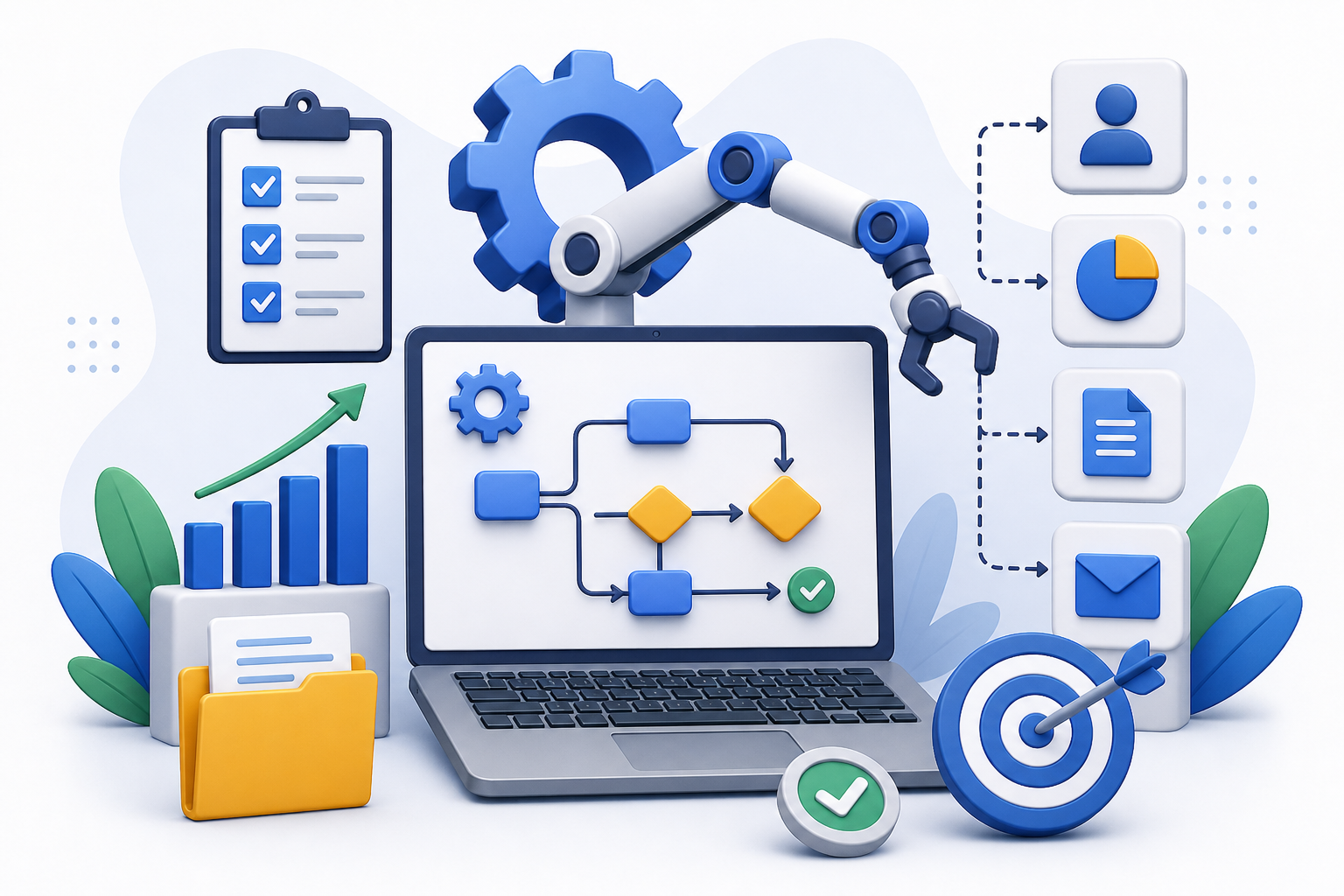
- Improved productivity: EiPaaS enables healthcare providers to streamline workflows, reducing the time and effort required for managing complex data integrations and system updates.
- Enhanced patient care: Real-time access to critical patient data through seamless integration allows healthcare professionals to make informed decisions faster, ultimately improving patient outcomes.
- Cost savings: EiPaaS reduces the need for constant infrastructure upgrades, helping healthcare organizations save on operational costs while maintaining an efficient integration process.
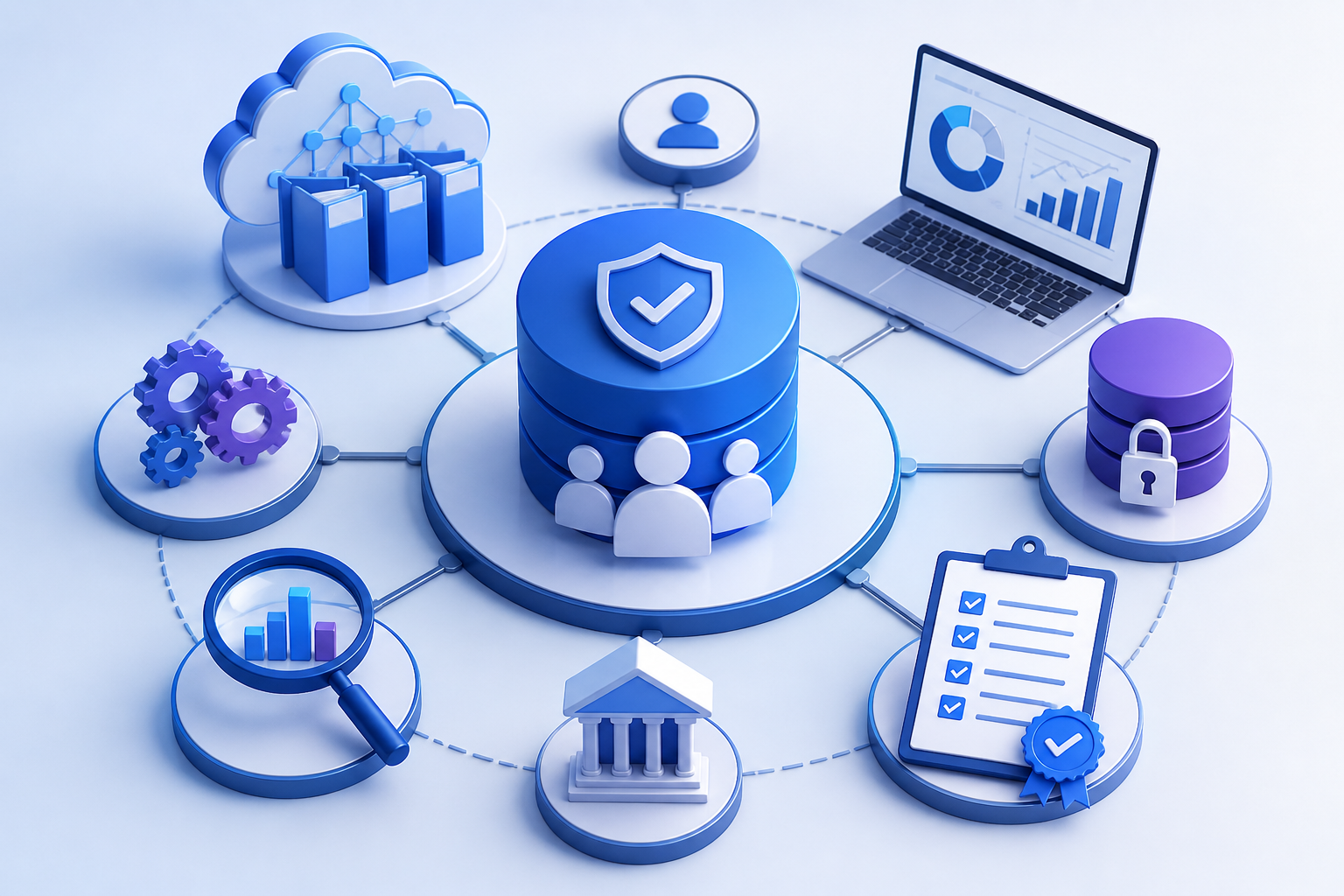
- Increased security: Advanced security protocols embedded within EiPaaS ensure patient data remains secure during integration meeting compliance requirements like HIPAA.
Conclusion
As the healthcare integration solutions in the US develops, healthcare institutions need to put resources into EHR integration solutions that can grow with larger amounts of data and changing technology needs. By confronting Integration scalability challenges directly, organizations can protect their systems for the future, guaranteeing strong performance and adherence to regulatory standards. They will improve operational effectiveness and raise the bar for future patient care by taking this action.
Visit our associated blog, The Power of Enterprise Integration Platform as a Service (EiPaaS), for additional information on how contemporary integration platforms are transforming the healthcare industry.