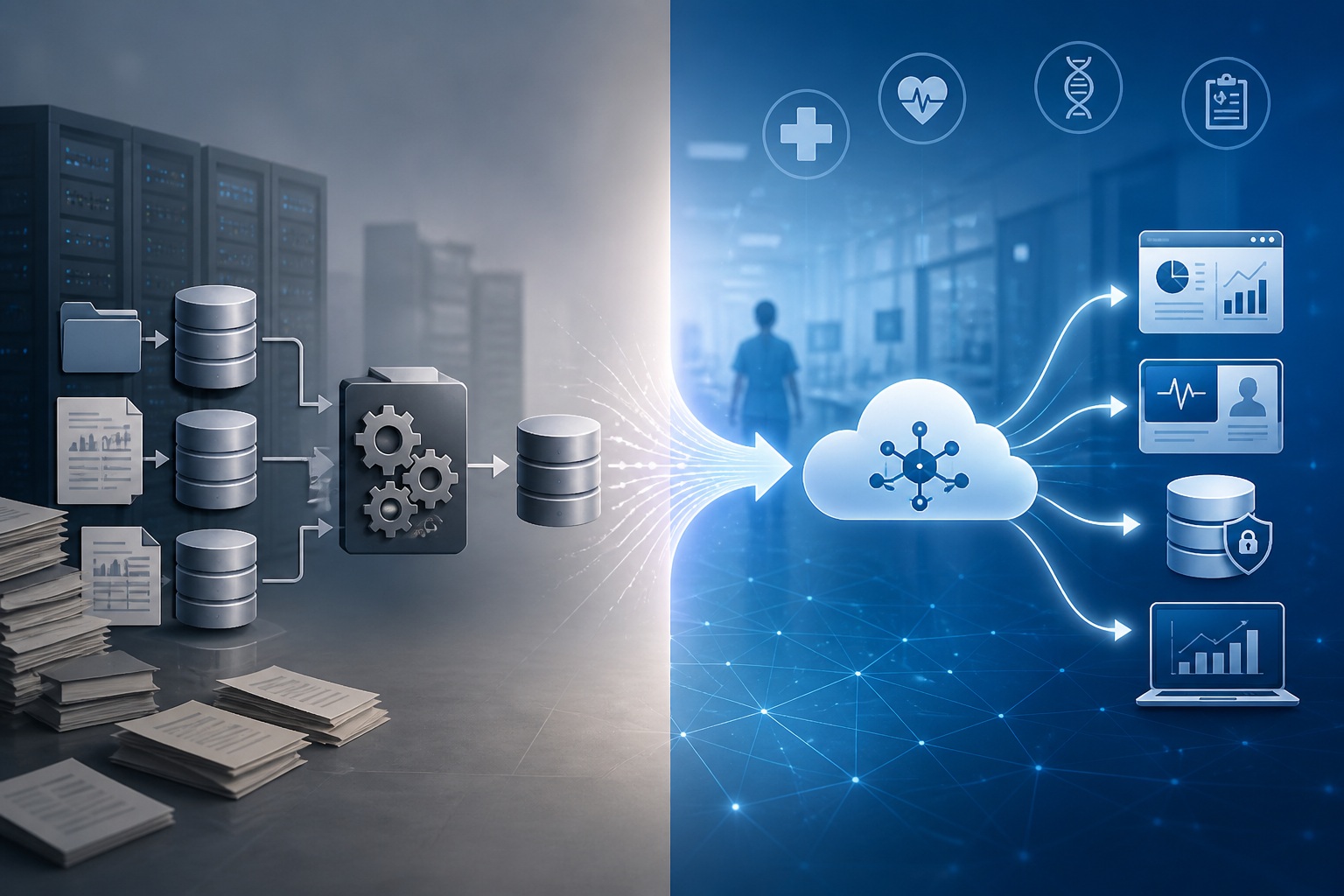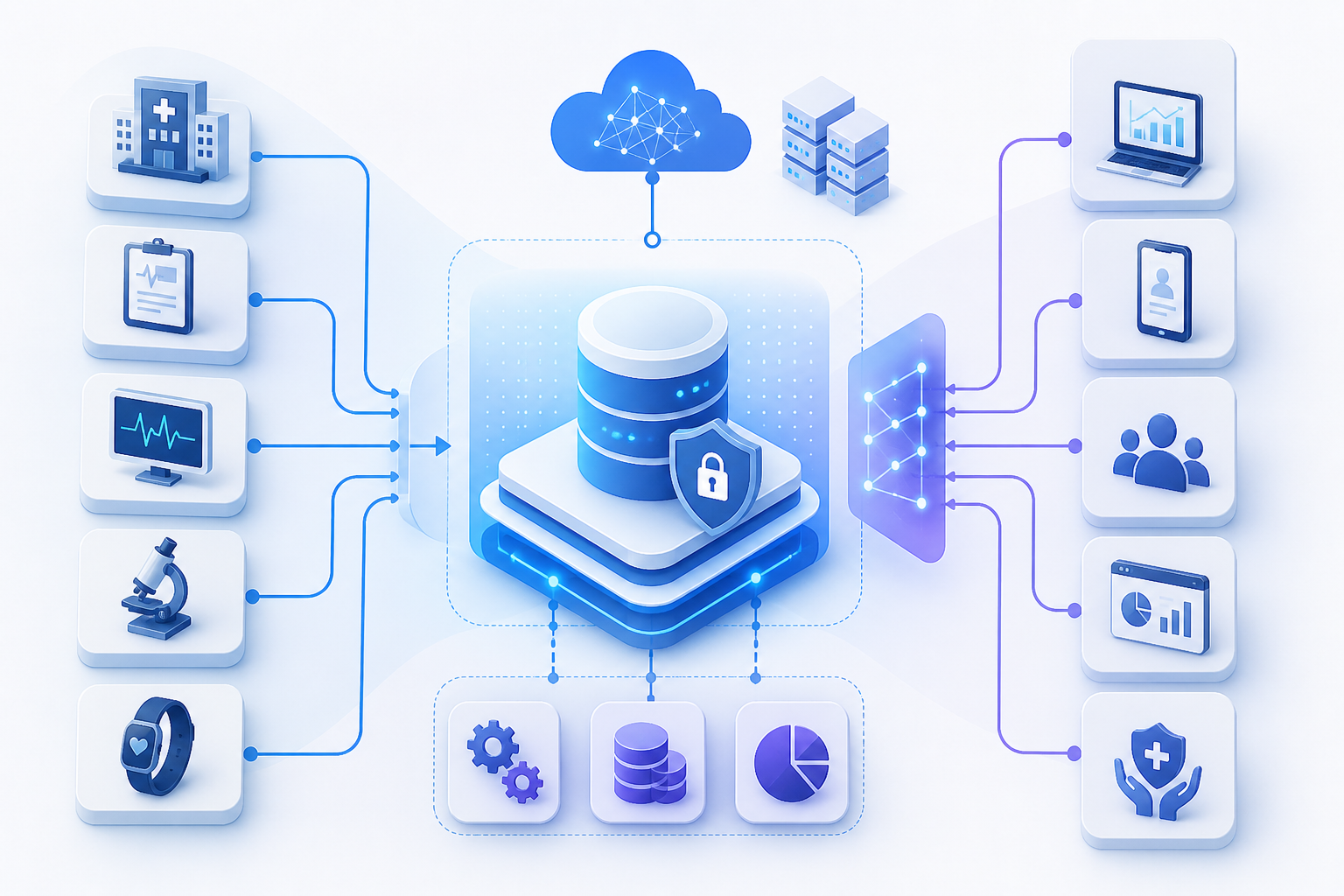
You have a lot more healthcare data at your disposal than before, yet it rarely transfers smoothly from one system to the other. Teams get slowed down, risks get created, and better care decisions get blocked due to manual staff working around the system. By automating healthcare data workflows, you get a chance to seamlessly connect different data sources, standardize data, and simply move it to the right place with less effort but greater control.
If your role involves leading teams in operations, technology, or clinical data, the pressure is bound to be evident to you. The number of your systems keeps increasing, your integrations become obsolete, and your teams are confined to working inside spreadsheets and doing swivel, chair tasks. Automating properly means that you might get rid of unstable and labor, intensive tasks by introducing trusted workflows that are capable of scaling both with your business and your partners.
This guide explains healthcare data workflows, the importance of automation, how it is being implemented, and what it takes to integrate automated healthcare data management in an actual company.
What Are Healthcare Data Workflows
Healthcare data workflows refer to sequences of actions regularly followed to move data from one place to another. Every step has a goal, a person responsible, and the system involved. These workflows help to link clinical, financial, and operational activities not only to your organization but also to your partner network.
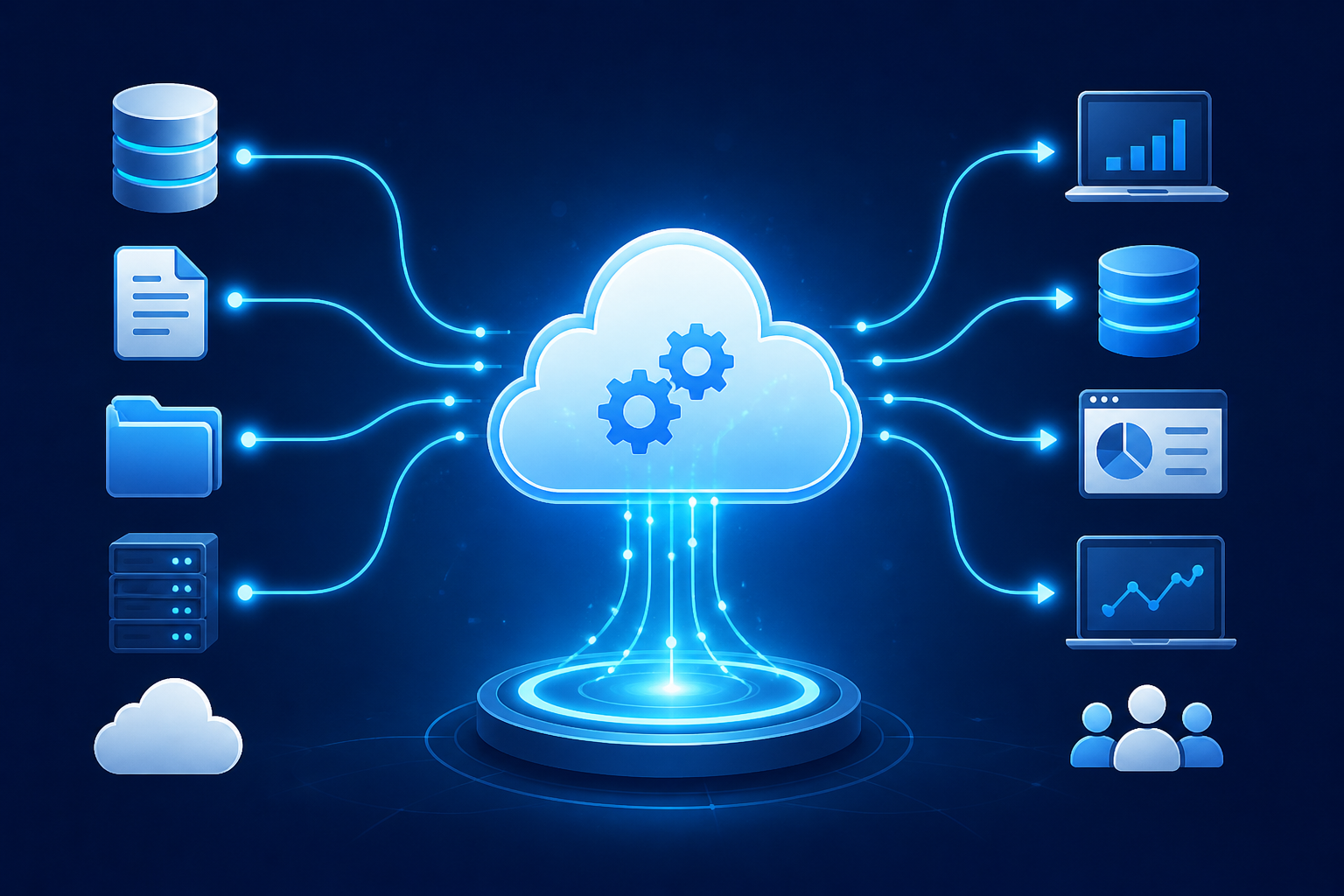
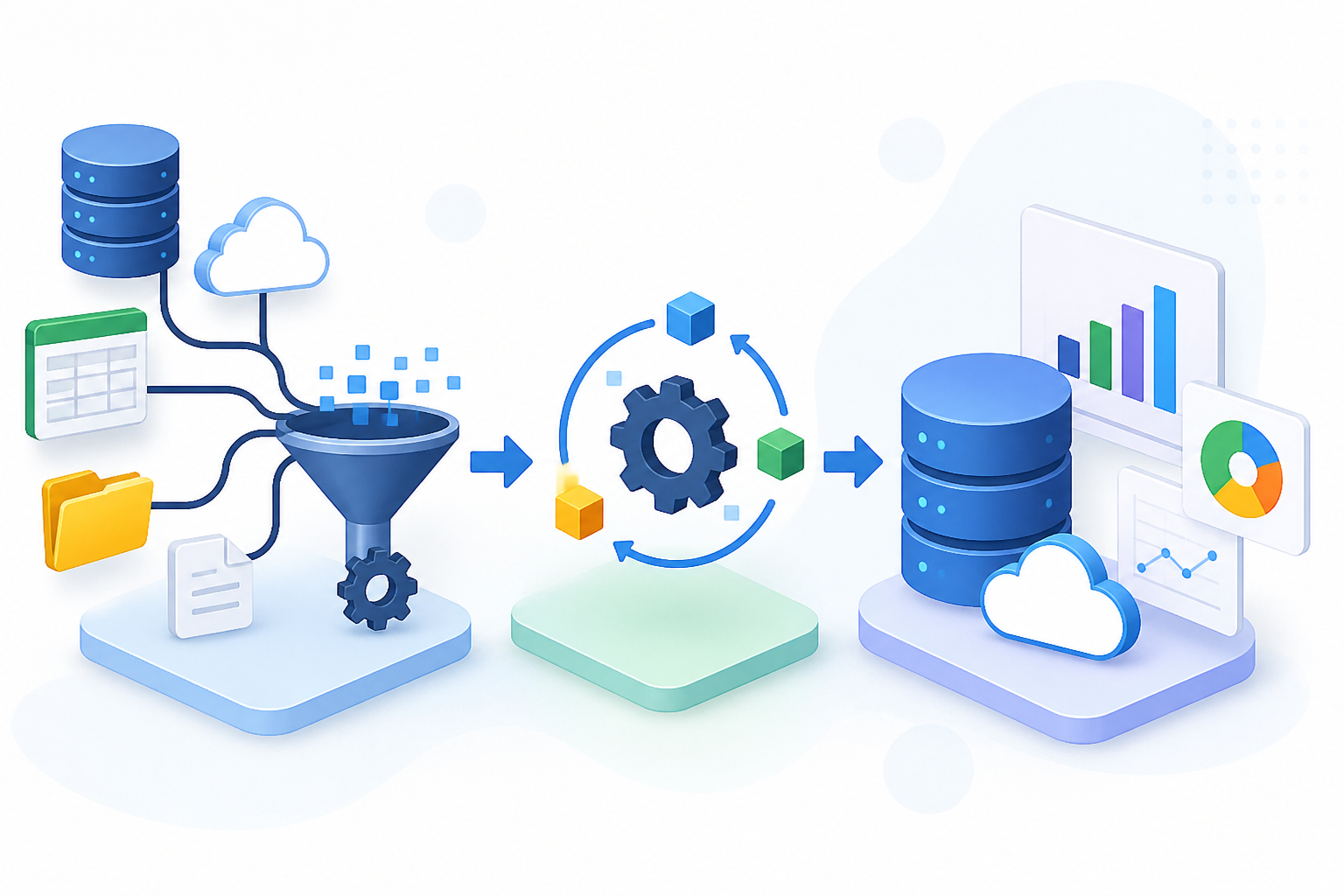
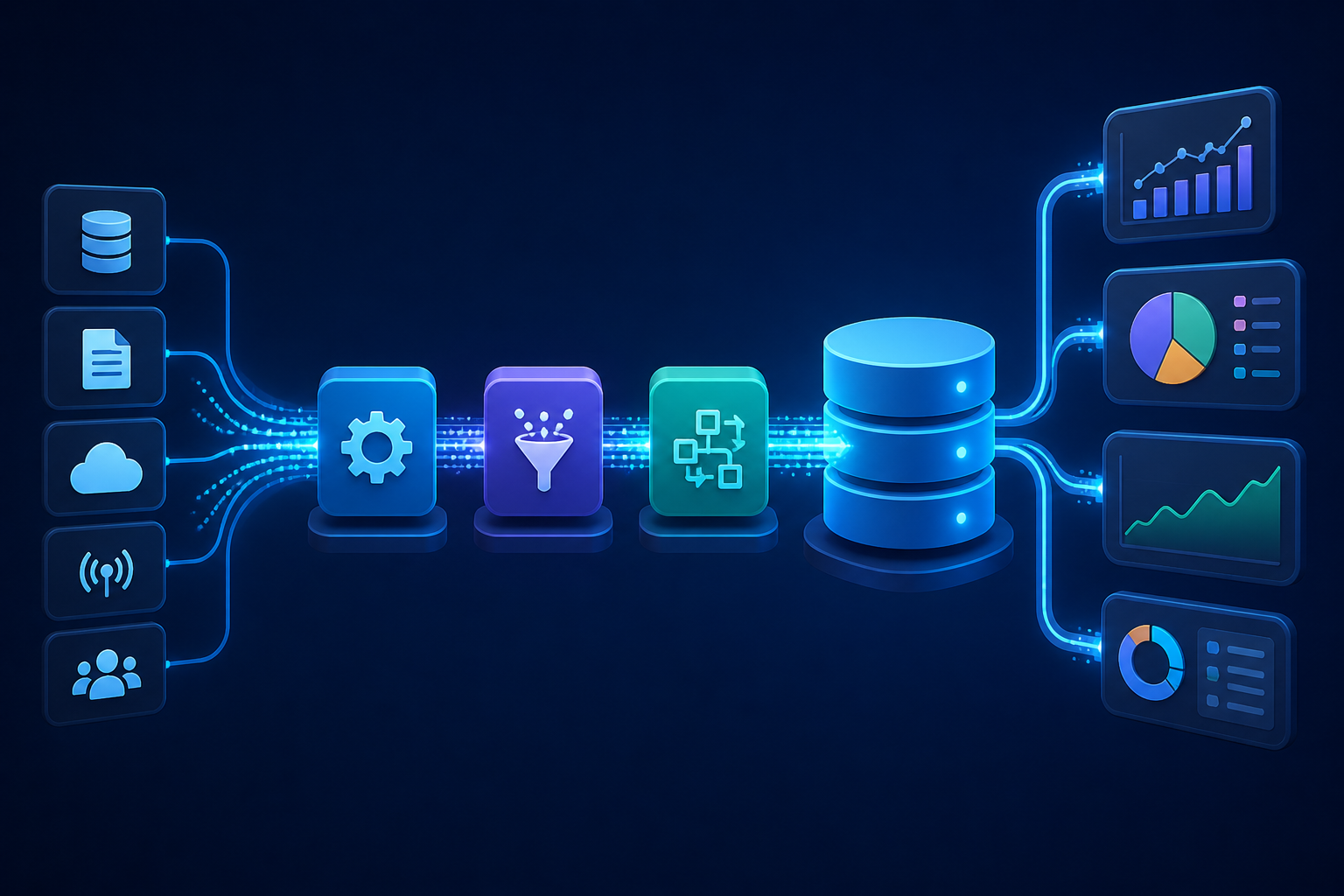
Quite simply, a healthcare data workflow consists of:
- Extracting data from source systems, for example from EHRs, billing platforms, labs, devices, and CRM tools.
- Checking data for completeness, correct format and quality before it is used in downstream systems.
- Changing and matching data to uniform structures and terminologies that different systems know.
- Sending data to various ends, such as analytics platforms, care management systems, payers, partners, and internal applications.
- Keeping track of, auditing, and issuing alerts concerning workflow performance, errors, and exceptions.
Older type of healthcare workflows mostly involve manual steps. Analysts take out files, clean columns, remap codes, upload flat files, and reconcile mismatches. Employees locate missing fields and fix failed transfers one at a time. The more you add partners and programs, the more this method will exhaust every team.
Healthcare workflow automation transforms manual steps into rule, based, system, initiated processes. Rather than depending on individuals to transfer data from one system to another, you determine the logic once and allow an automation layer to carry it out.
Why Automation Is Important in Healthcare Data Management
Automating healthcare data workflows is less about speed and more about control, consistency, and safety. Your clinical, financial, and operational results are based on the reliability of your data. Whenever manual handling is involved, variability is introduced at every step.
You have a few clear pressures to deal with:
- The volume and variety of data from EHRs, devices, apps, and partner platforms continue to grow.
- The regulatory requirements for privacy, security, and reporting keep increasing.
- More complex care models demand that you have the right insights at the right time and coordinate your actions accordingly.
- There are not enough technical and operational resources available to you for managing integrations at scale.
Without automating healthcare workflows, each new data source always ends up as a separate project. You end up with custom scripts and point-to-point integrations that are rapidly getting outdated and broken with changes. Teams are forced to spend their time dealing with problems instead of developing processes.
Automated healthcare data management radically brings a change in the equation.
You develop data standards, validation criteria, routing logic, and escalation channels only once, and then reuse them across multiple programs. This reduces the operational friction and facilitates more predictable results.
The more AI and automation in healthcare data penetrate the market, the more the excellence of your fundamental workflows will count. AI models are dependent on complete, up to date, and consistent data. If your workflows are unstable, your AI initiatives will have those weaknesses.
How Automation Enhances Healthcare Data Workflows
Automation in healthcare data management processes contributes to the improvement of every stage of the data lifecycle. You gradually leave behind the era of using ad hoc scripts and manual checks, and step into the world of orchestrated processes which are characterized by clear rules and observability.
Automated ingestion and normalization
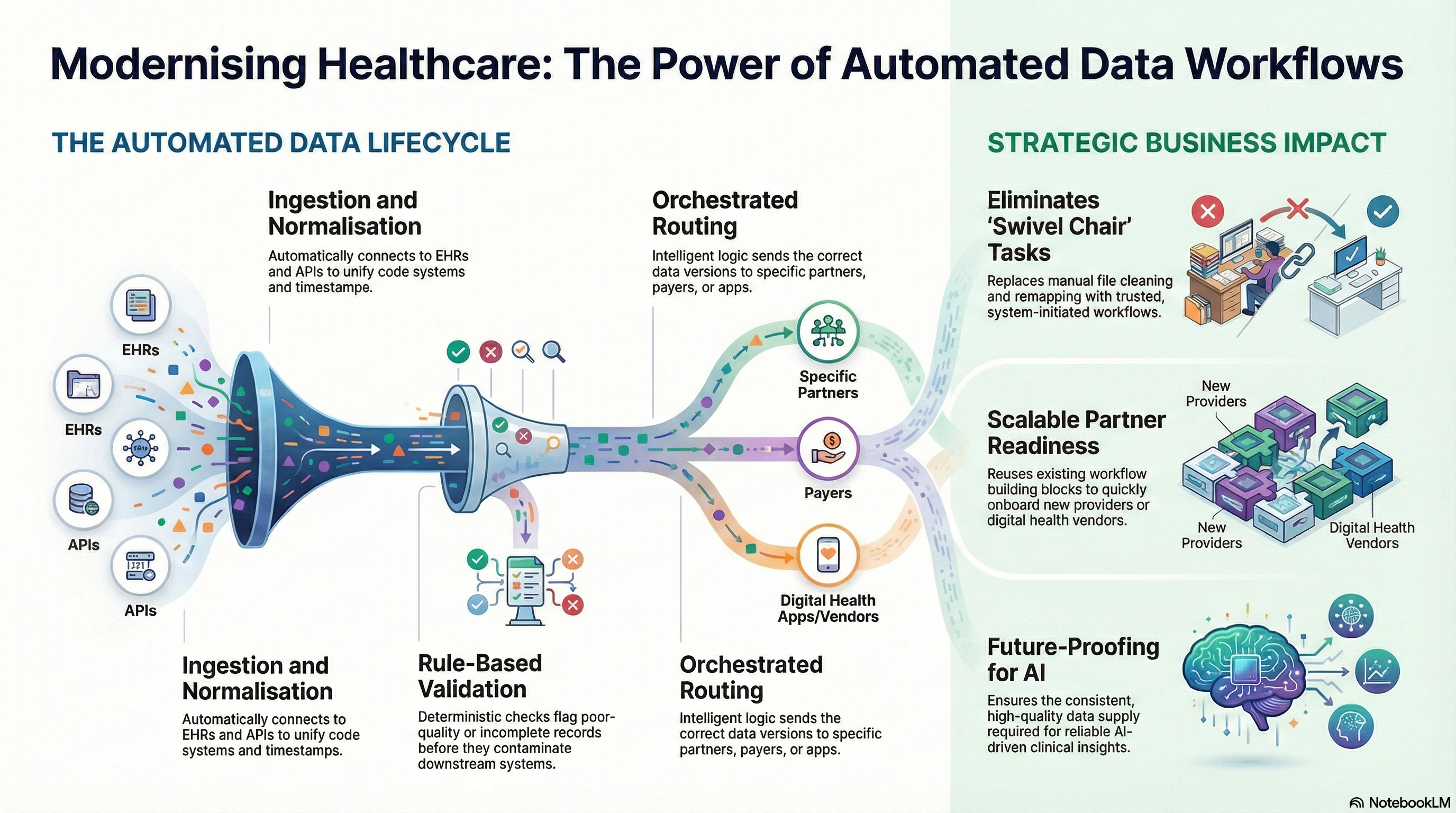
Through incorporating healthcare data automation, you establish connections to source systems via standardized interfaces. These may be APIs, file drops, FHIR endpoints, HL7 feeds, and other kinds of structured exchanges. An integration layer can automatically ingest data for a given schedule or event trigger without the need for human involvement. Healthcare data process automation subsequently transforms data into standardized formats. As an example, it changes timestamps, standardizes identifiers, unifies code systems, and aligns field names. Such normalization diminishes downstream complexity and helps keep your models and reports in sync.
Rule based validation and quality checks
Automation, based systems introduce deterministic checks throughout the process. You set validation rules for things like completeness and structure. Any records that do not meet the criteria get automatically flagged by the system for review, rather than being allowed to contaminate your downstream systems silently, without anyone noticing.
You could also introduce more sophisticated checks. For instance, you might implement consistency rules over related fields or pass the data through an AI model that identifies anomalies. AI and automation in healthcare data complement each other in this case. Automation manages the flow while AI enables more intelligent checks to be carried out wherever you require them.
Automated transformation and mapping
Often times, healthcare data workflows require mapping source fields and values into destination schemas and vocabularies. Doing it manually across multiple partners is likely to cause mistakes.
Healthcare workflow automation consolidates these mappings. You assign transformation rules to each integration and reuse the same components across different workflows. When a coding system is changed or a partner updates their format, you only need to modify a single ruleset rather than going through dozens of scripts.
Orchestrated routing and delivery
Once data is verified and formatted, automation manages the delivery to the target systems. Besides the type of record, the facility, the payer, the line of service, or the partner contract, you can routing can be based on other rules.
Integrated healthcare data automation knows exactly which destinations require which version of a record and the best transport way to use. It also keeps track of the delivery status and thus, reconnects automatically any failed transmissions, so your staff are not disturbed by the file transfers.
Monitoring, alerts, and audit trails
Automation in healthcare data workflows also makes observability more reliable. Each step might produce logs, metrics, and alerts. You get dashboards for the throughput, latency, and error rates, as well as detailed analyses for finding the error.
Audit trails record who changed which rule, when the data moved, and how it was transformed. This helps to ensure compliance, internal governance, and partner trust.
Key Benefits of Automated Data Workflows
Switching to automated healthcare data management, the advantages become evident throughout different teams and scenarios. They also accumulate over time as you integrate more workflows into the same platform.
Greater reliability and consistency
Manual processes are reliant on the habits and knowledge of individuals. Changes in staff, tiredness, and dealing with different tasks all have an impact on results. Automation applies the same rules without variation every time, thus decreasing the inconsistency of your healthcare data.
Furthermore, healthcare data process automation uncovers and eliminates hidden one, off steps that only some staff are aware of. That know, how is captured in the system rather than in a persons memory.
Faster time to insight and action
Automation of workflows accelerates the movement of data from source to destination, thus enabling quicker reporting, care management, prior authorization, and the like.
The collaboration of AI and automation in healthcare data aids in significantly reducing the path from data to insight to action. Automation supplies clean and time, efficient data to models and applications, which results in teams spending less time waiting and more time engaging in purposeful activities.
Reduced operational burden and cost
Healthcare workflow automation helps to reduce manual, low value, repetitive tasks that are performed by analysts and operational staff. Consequently, these people have more time available for higher value work activities, like creating better rules, partner onboarding, or data model refining.
Besides, you cut down on the long tail of manual fixes, such as one, off data corrections, ad hoc exports, and emergency patches. Less mistakes and less rework mean a reduction in operational charges over time.
Improved compliance and security posture
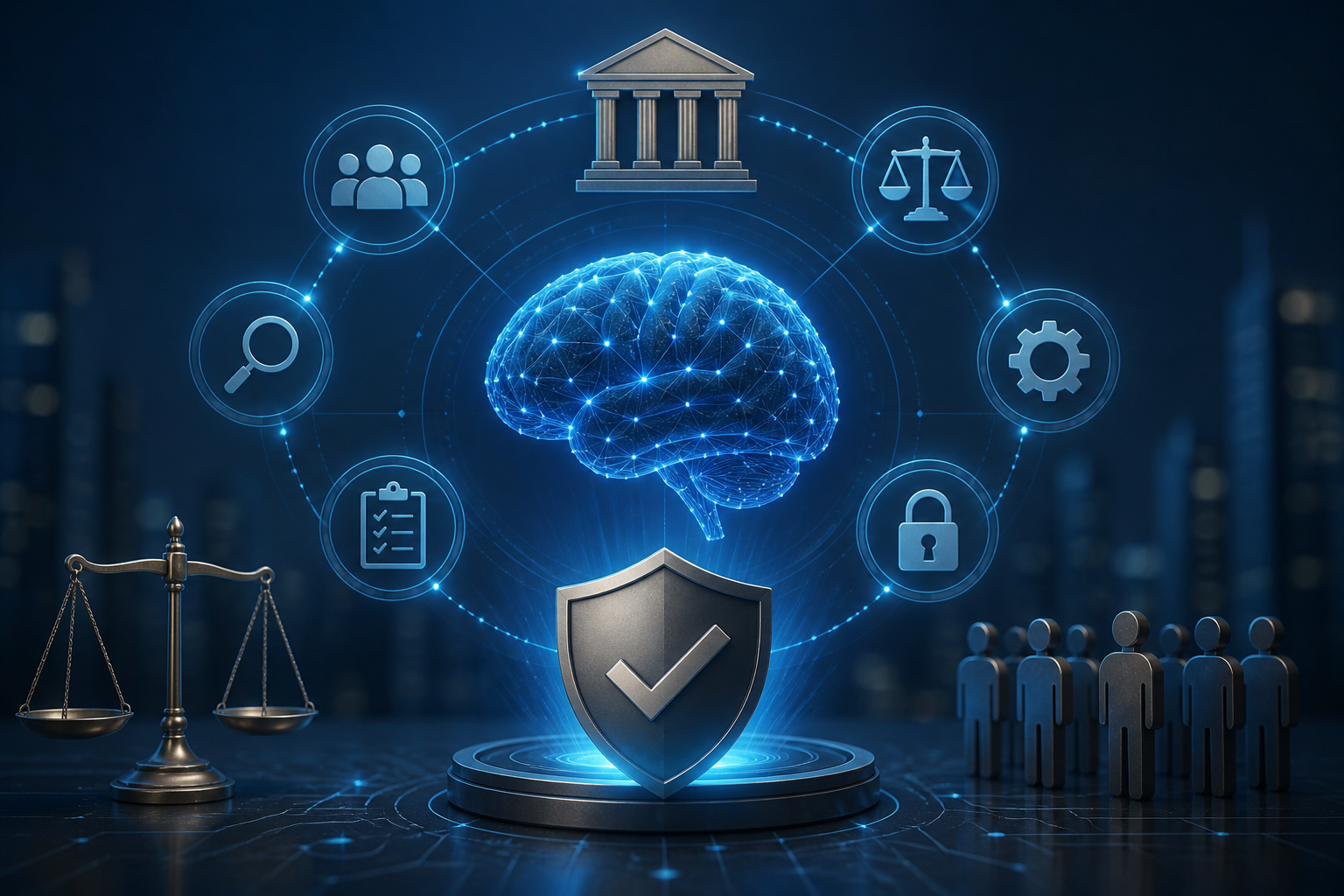
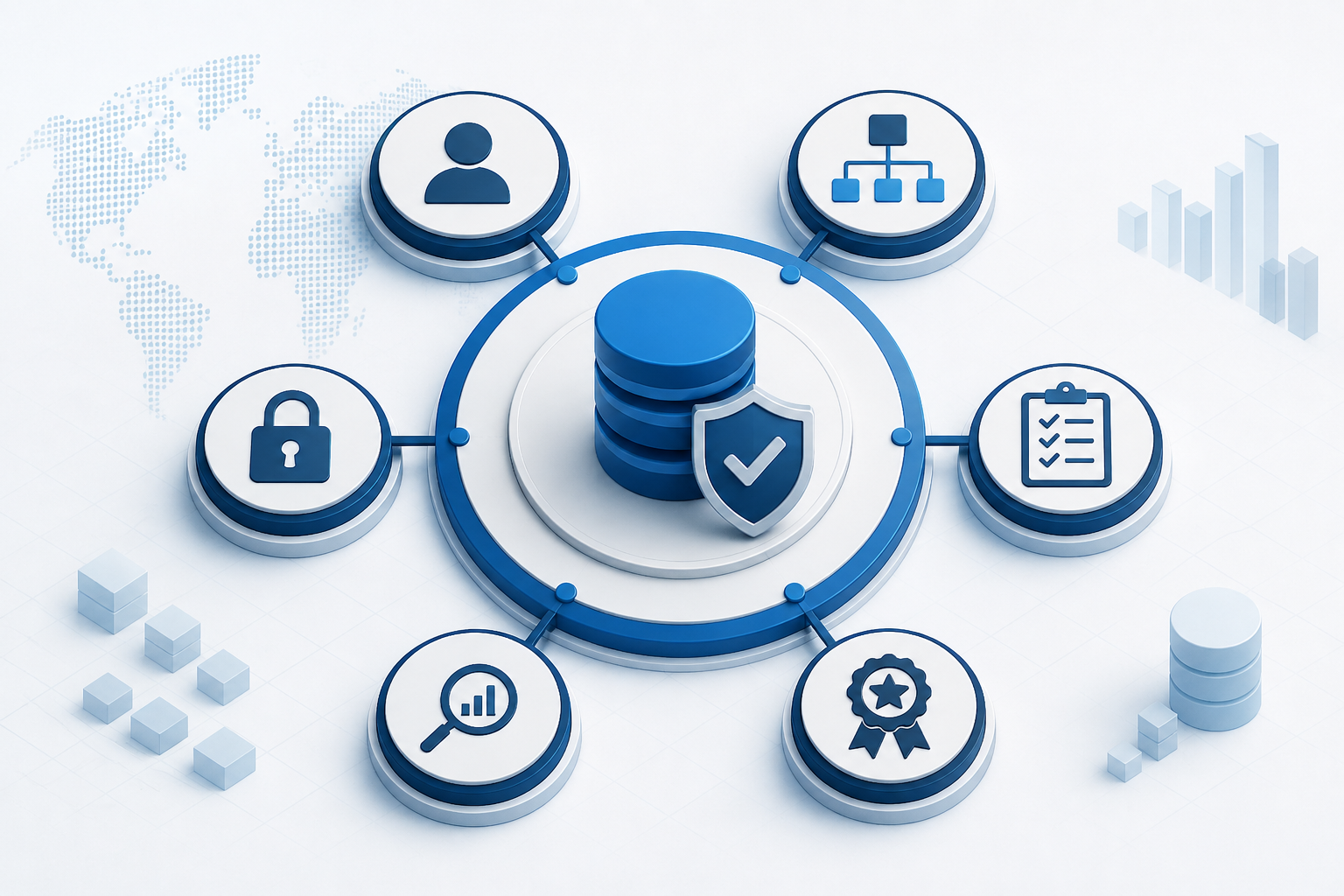
Automated workflows ensure that the handling of protected health information is done in a regulated manner across different systems. You have the possibility of standardizing encryption, access controls, retention rules, and redaction logic all at once and from one location.
Audit logs are great if you want to be prepared for a regulatory review or a partner assessment. If you automate and make processes traceable, you significantly lessen the risk of accidentally exposing or mishandling data.
Greater scalability and partner readiness
With automation, you have a scalable base when expanding your network of providers, payers, or health tech partners. Its like reusing your existing workflows and adapting rules to new formats rather than doing everything from scratch every time.
Moreover, integrated healthcare data automation is an enabler of more flexible business models at its core. You can facilitate new initiatives, like value based contracts or remote healthcare services, without having to restructure your data backbone over and over.
Challenges and Best Practices for Implementing Automation
Automation in healthcare data workflows only produces a return on investment if you see it as a strategic capability rather than a collection of one, off scripts. You have real problems, but with clear practices, you can solve them.
Challenge 1: Fragmented systems and data standards
Most organizations have a mix of different EHRs, billing systems, registries, and point solutions. Each of them uses its own data models and interfaces. If you build automation in such a setting without a plan, you will only add to the complexity.
Best practice: First, implement an integration and data standardization layer that can adapt to different protocols and formats. Consider a common internal model and vocabularies as your anchor. Then carry out healthcare data process automation to the extent that external systems are mapped into it.
Challenge 2: Limited internal expertise and bandwidth
Sometimes the teams don’t have the integration engineering capacity and workflow design skills to develop strong automation independently. Also, they are so involved in their daily operations that they cannot stop the work to redesign the processes.
Best practice: Initially concentrate on high impact workflows, for instance, those that relate to revenue, regulatory reporting, or core clinical operations. Work with experts who are familiar with healthcare data standards as well as automation platforms. Capitalize on early successes to generate internal time and create momentum.
Challenge 3: Change management and stakeholder alignment
Automation changes the ways in which people work. Employees may be concerned about changes in their roles or be afraid of losing control. Executives may be reluctant to trust systems rather than manual checks that they understand.
Best practice:Get the stakeholders involved right from the start. Along with the teams that run the front line, outline the present workflows. Demonstrate how healthcare workflow automation eliminates the manual work and gives better insight, not less. Set clear roles for exception handling and oversight so that teams will be confident and not feel threatened.
Challenge 4: Governance, security, and compliance
Automation often handles sensitive information and key business processes. If you dont have solid governance in place, you can end up with bad rules or access controls.
Best practice: Integrated healthcare data automation should be considered a platform under governance. Establish who has the rights to create, modify, and approve workflows. Carry out access control, versioning, and testing. From the very beginning, make sure your automation policies are in line with your security and compliance standards.
Challenge 5: Avoiding brittle, one off automations
Quick solutions and one, off scripts may seem useful at first, but they create a delicate network that is difficult to manage.
Best practice: Think of automation as reusable building blocks. Unify connectors, transformation patterns, and error handling. Keep records of workflows and bring together the configuration. Ideally, you should build a library of components that you can mix and match for new integrations instead of a collection of separate projects.
Real World Use Cases in Healthcare
Automation of healthcare data workflows has already been leveraged to support a wide variety of actual use cases. The following instances illustrate how it is relevant in clinical, financial, and operational functions.
Referral and care coordination workflows
Referral workflows tend to be complicated with the involvement of faxes, phone calls, and manual data entry. By leveraging automation, data from referrals can be efficiently channeled from the original provider to referral management systems, scheduling tools, and receiving provider EHRs without being manually keyed.
Healthcare workflow automation confirms patient identity, harmonizes reasons for referrals, and makes sure that the right documents are sent with each referral. Care teams receiving complete and accurate information at once helps in the reduction of both the back, and, forth and the missed handoffs.
Prior authorization and utilization management
The prior authorization process depends on data exchanges between providers, payers, and utilization management platforms. The manual submission and review process cause delays in access to care.
Automated healthcare data management is able to extract necessary clinical data from source systems, prepare authorization requests, and submit them via payer interfaces. Then, it can also direct the responses into clinical and scheduling systems. This decreases the time of each cycle and also lowers the rework as a result of incomplete information.
Quality reporting and value-based care programs
Quality measures and value, based contracts require accurate and timely reporting of the entire population. Manual extraction of data from multiple systems is a major headache for analytics teams, not to mention it is risky. Healthcare data process automation automatically extracts relevant data from EHRs, billing systems, and registries before standardizing it according to your measure definitions. It then supplies reporting platforms with analytic ready datasets and highlights the discrepancies that must be addressed. Executives have better insights into the performance without waiting for the manual cycle.
Patient engagement and Outreach
A patient engagement system can deliver the best results only if it is able to utilize the most recent clinical and demographic data. Without automation, outreach teams are forced to export lists, clean them up, and then upload them into engagement platforms. Integrated healthcare data automation seamlessly links EHRs, CRM tools, and engagement platforms. It automatically updates outreach lists based on clinical events like discharges, missed appointments, or new diagnoses. Messaging is more timely and relevant, and staff spending less time on data wrangling.
Data sharing with partners and digital health vendors
Physicians’ practices and insurance companies collaborate with an expanding number of digital health partners. Frequently, each partner requires different subsets of data in various formats.
Implementing automated data workflows in healthcare allows you to handle these partnerships more efficiently. You bring partners in by setting up standard data feeds and transformations. Continuous monitoring guarantees that data keeps flowing as it should, and audit trails offer each partner transparency.
Conclusion
Automation of healthcare data workflows has changed its nature from being an optional improvement to a strategic necessity. The extent of your success in embracing modern care models, forming partnerships, and conducting analytics will be largely determined by the dependability and efficiency of the data flow in your organization.
When you view automated healthcare data management merely as a shared capability, you are in fact setting a platform that facilitates AI driven insights, makes clinical decisions more accurate, and eventually leads to financial performance of the organization. You lessen the staff’s stress, raise data quality, and gain the flexibility to react to new opportunities and regulatory requirements.
You are not required to completely revamp your operations all at once. Identify the most impactful workflows, demonstrate the value, and then expand. The secret is to pick a method and a collaborator who both have a deep understanding of healthcare data, the intricacies of integration, and the truth of your operations.
In simple words, Vorro assists healthcare organizations in creating integrated healthcare data automation that not only connects systems and standardizes data but also enables AI and automation in healthcare data in a safe and scalable manner. If you are willing to leave behind vulnerable integrations and manual workarounds and move your healthcare data workflows towards modernization, then have a word with Vorro.
FAQs
What is automation in healthcare data workflows?
Automation in healthcare data workflows refers to the deployment of technology for the handling of healthcare data events such as data ingestion, validation, conversion, and routing between different healthcare systems without any human in the loop. In other words, it substitutes the human in the loop by rule, based processes that are consistent and observable.
How is automated healthcare data management different from traditional integration?
Traditionally, integration is usually accomplished by designing and implementing very specific, custom, one, off connections between different systems. Automated healthcare data management enchants integration by adding orchestration, recording, and governance to it. It changes the perspective of a workflow from a throw, away asset to a reusable asset, and also provides you with greater control and awareness of the data lifecycle.
Where does AI fit in healthcare data process automation?
AI and automation in healthcare data are two sides of the same coin. Automation takes care of the data flow and rule enforcement whereas AI is used for advanced tasks like spotting anomalies, smart routing, and predicting trends. AI requires clean, up, to, date data which strong automation is able to provide.
What kinds of workflows benefit most from healthcare workflow automation?
The biggest efficiencies can be gained from high, value workflows that involve multiple systems, teams, or partners. These often are referral management, prior authorization, quality reporting, patient outreach, and partner data sharing. In cases where you see manual exporting, importing, and reconciling being done repeatedly, automation can be the solution.
How do I get started with integrated healthcare data automation?
The best approach is to first map out your existing workflows and then analyze where the most pain in terms of manual work, delays, and errors is. Select a few top impact workflows and set measurable goals. Afterwards, collaborate with an integration and automation partner such as Vorro to come up with a plan, set up a scalable platform, and continue with automation only after you have seen the benefits.

Akshita is a Senior Content Writer and Marketer with over a decade of experience crafting narratives that convert, rank, and build lasting brand authority. She has worked across SaaS, FinTech, HealthTech, and Education spaces, delivering everything from HIPAA-compliant medical content to multilingual campaigns for the International Labour Organization, United Nations. Her content has reached audiences across the globe, and she has worked for Fortune 500 brands, global agencies, and startups alike. Fluent in English, Spanish, and German, Akshita brings a rare cross-cultural edge to brand communication. A literature graduate from Delhi University, she balances strategic thinking with a storyteller's instinct, but when she isn’t architecting content roadmaps, she channels her creativity into poetry and painting or dedicates her time to caring for stray animals - pursuits she credits for making her a more empathetic and perceptive communicator.