
Realizing the necessity of data integration is more than just a trend; it is an actionable approach with the potential to totally transform any industry. In a study carried out by Cleo in 2022, it was discovered that 25 percent of supply chain firms are losing more than $500,000 annually due to ineffective business data integration processes. 85% of the 323 surveyed companies openly admitted that they are losing money because of integration-related problems.
Additionally, 24% of participants reported losing more than half a million per year, which represents a 6% increase from the previous year’s survey. This is not just a random statistic; it proves the disruptive nature of inadequate data integration methods.
This blog explores the game-changing possibilities of data integration, offering insights on how companies can leverage this solution to enhance productivity, streamline operations, and drive the industry toward a more efficient future.
What is Data Integration?
Data integration involves merging data from various sources to create a cohesive and consistent perspective. For companies seeking a thorough grasp of their data and utilizing it to make strategic decisions, it is an essential element. It includes a series of steps like collecting data, consolidating it, reorganizing, transferring to data warehouses, and sharing it through data hubs.
To make reporting and analysis easier, structured data from various sources is stored through a process called data warehousing. It serves as the main storage for past data that can be searched and examined to obtain business knowledge. On the contrary, data lakes hold raw data in both structured and unstructured forms. They are utilized to conduct exploratory analysis and house vast amounts of data prior to being analyzed for insights.
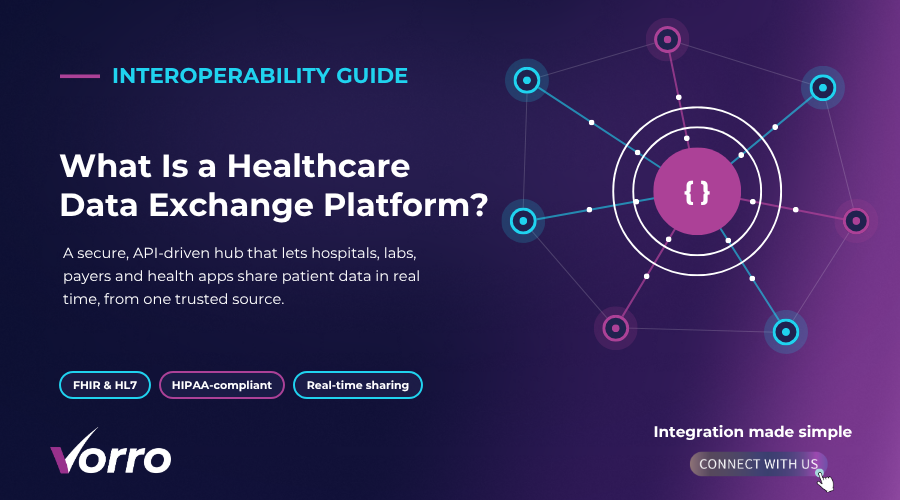
Data hubs act as a central location for the integration and sharing of data between various systems and applications. They offer a means to link and standardize data from different sources, guaranteeing uniformity and precision.
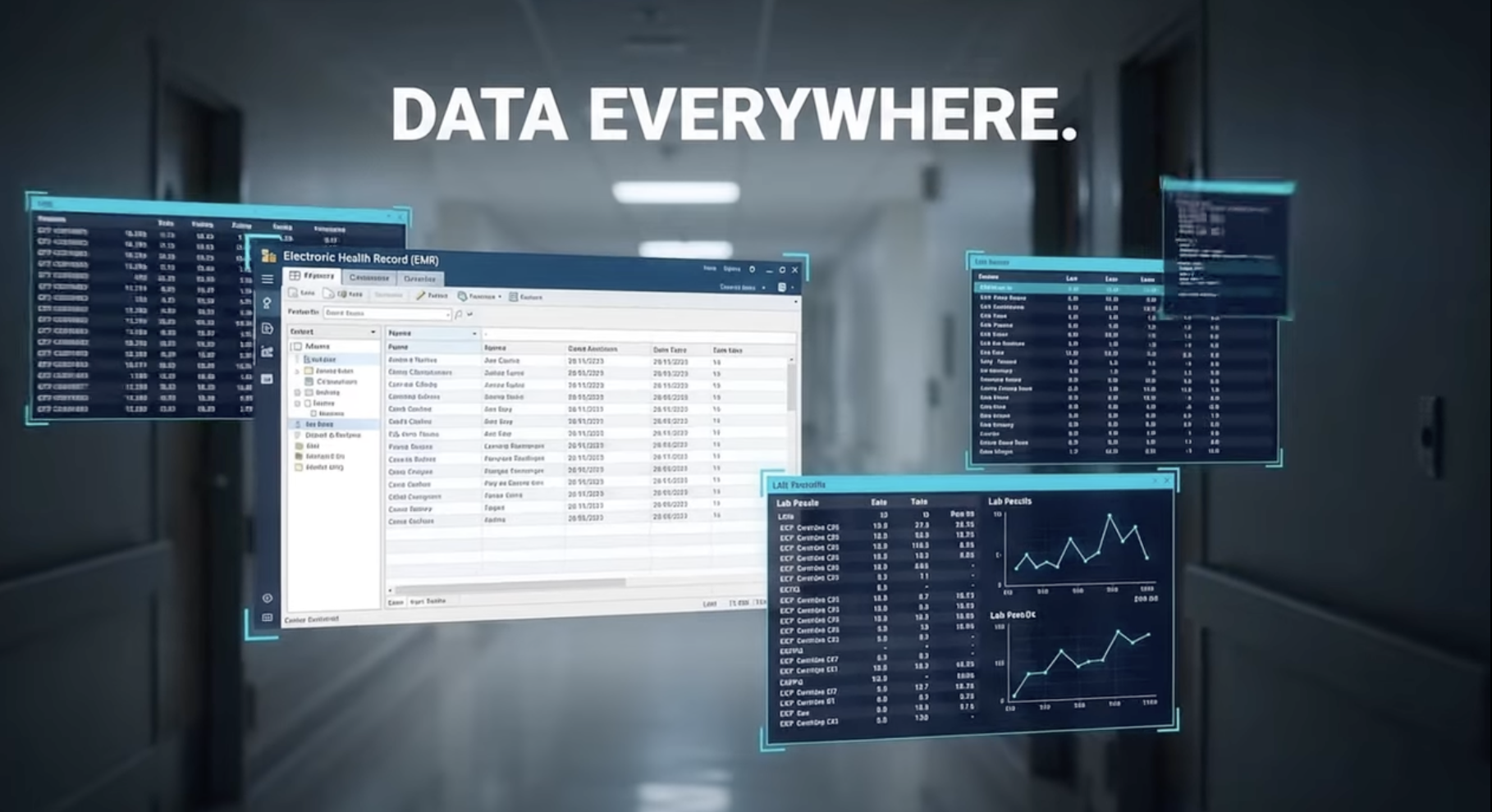
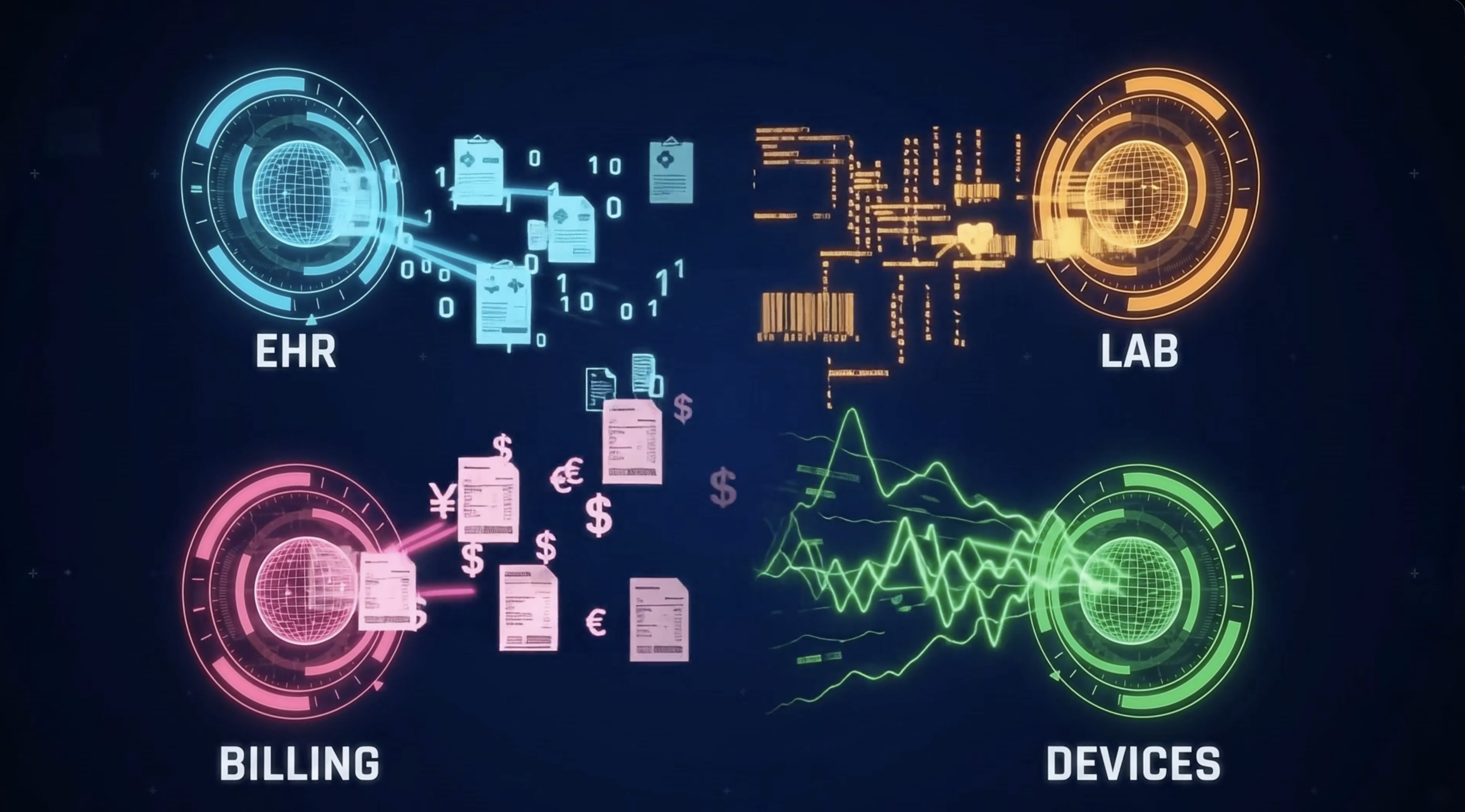
A successful data integration plan allows different systems to work together smoothly, making sure that data can be shared easily and accessed by approved users throughout the organization. This is especially important in sectors such as healthcare, where patient data is frequently isolated in different electronic health record (EHR) systems, diagnostic tools, and administrative databases.
Healthcare organizations can eliminate silos and establish a comprehensive view of patient records by utilizing a data integration platform such as Vorro’s BridgeGate. This combined information can be utilized to enhance clinical results, boost operational effectiveness, and back up innovative research projects.
What is Interoperability?
This is the process of connecting, communicating, and exchanging data between systems, devices, programs, or parts manufactured by different companies or manufacturers. This feature ensures that data is interpreted and applied uniformly and meaningfully across systems.
Syntactic Interoperability
A common communication protocol and data format are used by systems with this kind of interoperability to guarantee data sharing and communication. It concentrates on the syntax or structure of the data. Several examples include JSON (JavaScript Object Notation), SQL (Structured Query Language), and XML.
Semantic Interoperability
This method of interoperability ensures that the meaning of data is preserved and understood consistently across different systems. It deals with understanding and using the data alongside its formatting. Examples of this system are SNOMED CT, Web Ontology Language (OWL), and Resource Description Framework (RDF).
Organizational Interoperability
This type of interoperability focuses on aligning business processes, regulations, and norms among different organizations to ensure smooth communication and collaboration involving information. Two examples of these technology frameworks and guidelines are COBIT and ITIL.
Standards and Protocols
Standards and protocols are essential for ensuring interoperability as they offer regulations and directions for the exchange of data, communication, and interaction among systems. For instance, the healthcare industry widely utilizes HL7 (Health Level Seven) as an international standard to exchange electronic health records (EHRs) and other health-related information. It offers a structure for electronic health information to be exchanged, integrated, shared, and retrieved to enable collaboration between various healthcare systems.
OData is a standard protocol that enables the development and use of interoperable and queryable RESTful APIs in a straightforward and standardized manner. It allows data services to present and search data using a consistent interface, making it easier to share data among web services.
Data Integration vs. Interoperability: Key Differences
Achieving effective communication and data sharing in an organization requires combining interoperability and data integration, as they are interconnected. Data interoperability ensures successful communication and data exchange between various systems, while data integration involves merging data from several sources into one standardized format.
Interoperable systems are often necessary for data integration to be efficient and for seamless flow between databases, platforms, and applications.
Since interoperability creates the connections and protocols required for systems to communicate and exchange data, it is essential for enabling data integration. When used together, they assist companies in making improved decisions, enhancing communication, and efficiently utilizing their data resources.
Benefits of Data integration and interoperability
Here are some key advantages of data integration and interoperability:
1. Operational efficiency
Integration gets rid of manual data input and processing, decreasing errors and saving time. Interconnected systems can enhance efficiency in processes across different departments or platforms, ultimately increasing productivity.
2. Cost reductions
Costs are reduced by getting rid of redundant data storage and procedures. Improved data integration and management contribute to more efficient resource usage, which lowers waste and inefficiency.
3. Improved collaboration
Teams can easily access and share data, which promotes better collaboration and communication. Interoperability enables various departments to collaborate more effectively by sharing relevant data.
4. Data Integrity and Consistency
Integration ensures that the data set is consistent and accurate throughout the organization. The general quality of data is enhanced by minimizing disparities and guaranteeing data consistency.
5. Competitive edge
Improved efficiency and insights can give organizations a competitive edge over rivals when they utilize integrated and interoperable data systems. With integrated data systems, quick adjustments to market fluctuations are feasible, allowing for quicker strategic changes.
The Best Methods for Integrating Data
Data integration methods vary, with each having its own set of methodologies and technologies. Let’s explore some of the most effective approaches:
ETL Process
The Extract, Transform, and Load method is a fundamental technique for data integration. It involves gathering information from various sources, selecting pertinent sections, formatting the data so that it can be analyzed more easily, and storing it in a database. This process ensures that the data is correct, relevant, and readily available for analysis or implementation.
Data Virtualization
Data virtualization is a contemporary technique in lieu of traditional methodologies like ETL. It enables the real-time usage of data without any necessity to move or copy the data.
This approach creates an abstract but unified representation of data from numerous sources, which empowers users with the ability to interact with the data as if it were all located in one place.
Virtualized data can be created more easily and quickly than traditional ETL processes, making it suitable for environments that are dynamic.
Data Integration Platforms
Depending on the needs of the company and its infrastructure, data integration can be handled locally or through cloud services. On-premise data integration handles data on the organization’s own physical servers and infrastructure, whereas cloud data integration stores, processes, and analyzes data using cloud-based services and platforms.
Onsite solutions are the best choice for companies with stringent compliance requirements because they provide greater control over data and security. Specific organizational needs and workflows can be catered for with these solutions. Field mapping, data cleaning and standardization, and duplicate and inconsistency resolution are all included in this.
Cloud-based solutions, on the other hand, provide more scalability, making it simple for businesses to modify resources in response to demand. Organizations can lower capital costs associated with hardware and maintenance by integrating with the cloud.
Challenges in Data integration and interoperability
Data integration and interoperability can indeed present several challenges that organizations need to address effectively. Some of the key challenges in this area include:
1. Data Quality Issues
2. Integration Complexities
3. Cost Challenges
4. Scalability and Performance
5. Security Concerns
How do you Achieve Interoperability?
Here are some general ways to accomplish interoperability:
- Standardization: It is essential to adopt and follow common standards for data formats, communication protocols, and interfaces. Standards ensure that data is understood and processed uniformly across multiple systems.
- Open APIs: Having properly documented APIs is crucial to enabling communication between disparate systems. APIs specify the protocols that software components must follow in order to exchange data and maintain system functionality.
- Data Mapping and Translation: Methods for mapping and translating data between different formats are required because various systems may employ disparate data formats or structures. This guarantees that the data will continue to be comprehensible and functional across various systems.
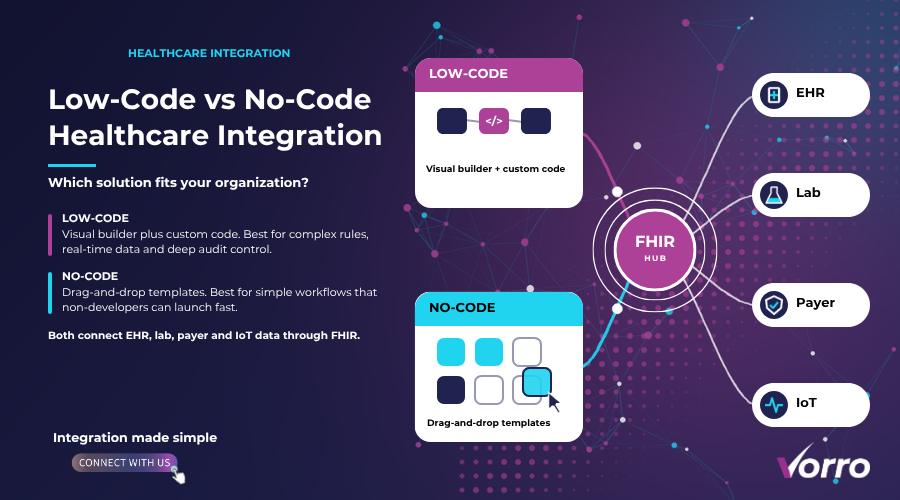
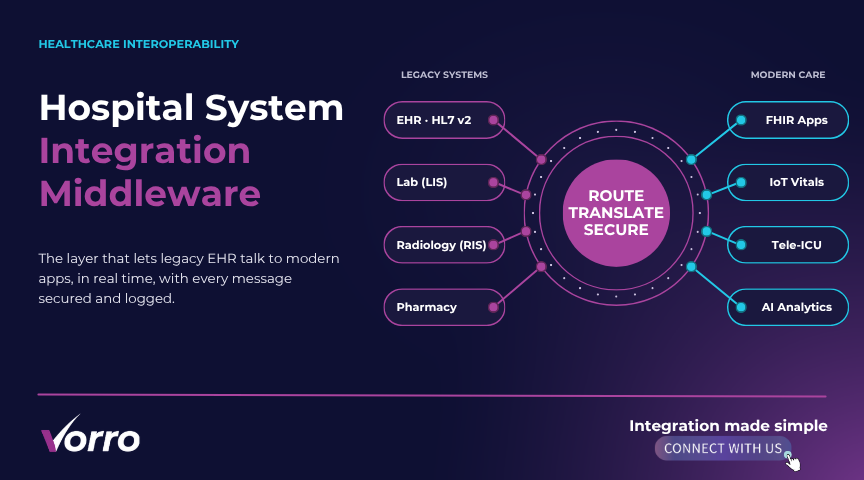
- Middleware: Middleware software serves as a layer of intermediaries between various systems, making data exchange and communication easier. It performs operations such as message routing, protocol translation, and data transformation, making interoperability feasible.
- Data harmonization is necessary for successful interoperability because all data must be semantically consistent and aligned across systems. Common ontologies, vocabularies, and data models must be established in order to facilitate the interpretation and comprehension of data.
- Testing and Certification: Conduct routine testing on systems to ensure they can work together as intended. Utilize interoperability testing frameworks and tools. Automate deployment and testing using Continuous Integration/Continuous Deployment (CI/CD) pipelines to ensure that systems remain compatible despite changes.
Ready to Transform Data Integration and Interoperability?
With Vorro, the leading data integration and interoperability solution platform, you are sure to improve information flow, increase operational efficiency, and drive innovative advancements in your field.
Request a demo right now to get started on a more connected, efficient, and innovative future. Together, we’ll unlock the full potential of your data.