What is API Management Solution?
Introduction
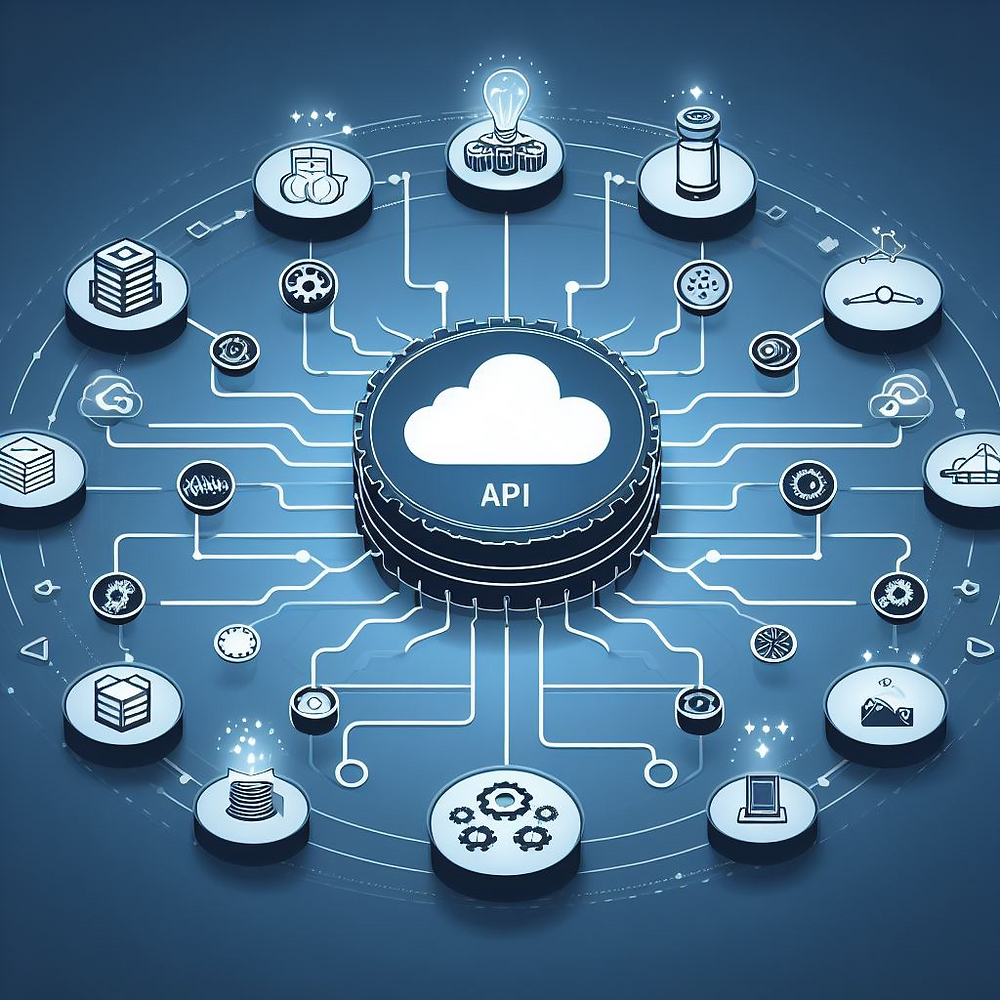
In today’s digital-first world, APIs (Application Programming Interfaces) act as the glue that connects different applications, platforms, and services. Whether in healthcare, finance, or retail, APIs enable seamless communication between systems and power the integrations that modern businesses rely on. However, as the number of APIs grows, so does the complexity of managing them. This is where API management comes into play.
In this blog, we’ll break down what an API management solution is, its key benefits, how to identify the best API management solutions, and why organizations must focus on building an API management solution tailored to their needs.
What is API Management?
API management refers to the process of creating, publishing, securing, monitoring, and analyzing APIs in a way that ensures they are scalable, reliable, and efficient. Instead of leaving APIs scattered and unmanaged, businesses use API management solutions to control the full API lifecycle from design to retirement.
An API management solution typically includes:
- API Gateway: A single entry point to control traffic between applications.
- Security & Authentication: Ensures only authorized users and systems can access APIs.
- Analytics: Provides insights into API usage, performance, and potential issues.
- Developer Portal: Helps external and internal developers discover, understand, and use APIs.
- Monitoring & Governance: Tracks compliance, performance, and ensures consistent policies.
The Benefits of API Management Solution
Implementing a robust API management platform provides multiple advantages:
- Improved Security
APIs can expose sensitive data if not properly managed. API management ensures authentication, encryption, and threat detection to keep systems secure. - Scalability & Performance
As organizations grow, so does the number of API calls. API management ensures efficient scaling and prevents bottlenecks. - Centralized Control
Instead of managing APIs across multiple departments in silos, API management consolidates control, ensuring policies are applied consistently. - Developer Productivity
With API documentation, testing tools, and sandbox environments, developers can integrate faster and more effectively. - Cost Efficiency
Optimized APIs reduce redundant processes, improve resource utilization, and cut operational costs.
In short, the benefits of API management solutions go beyond IT efficiency—they directly impact customer experience and business outcomes.
Best API Management Solutions: What to Look For
The market offers numerous API management platforms, from open-source tools to enterprise-grade solutions. But how do you identify the best API management solutions for your organization? Consider the following factors :
- Ease of Integration: The platform should integrate seamlessly with existing systems.
- Scalability: Can it handle growing API traffic as your organization expands?
- Security Features: Support for OAuth, token-based authentication, and threat detection is essential.
- Analytics & Reporting: Real-time insights into API usage help optimize performance.
- Developer Support: A user-friendly developer portal and strong documentation are critical for adoption.
- Cost-effectiveness: The platform should align with your budget while meeting business needs.
Popular enterprise API management platforms include MuleSoft, Apigee, Kong, and Microsoft Azure API Management. Each offers unique strengths, so the best fit depends on organizational goals.
Building an API Management Solution: Best Practices
Some organizations may prefer building an API management solution tailored to their specific needs instead of purchasing off-the-shelf platforms. If your organization takes this approach, here are some best practices to consider:
- Define Business Goals Early
Clarify why you are building the platform : whether to improve security, streamline integrations, or enhance developer productivity. - Prioritize Security from Day One
Incorporate security standards such as OAuth2, API keys, and JWT tokens to safeguard data. - Ensure Interoperability
APIs should integrate with both existing systems and future platforms to avoid lock-in. - Focus on Developer Experience
Create comprehensive API documentation and testing environments to encourage adoption. - Use Monitoring and Analytics
Build robust dashboards to track API performance, usage, and error rates. - Plan for Scalability
The system should support future growth, both in terms of users and transaction volumes.
By following these steps, organizations can build a scalable and secure solution tailored to their specific digital ecosystem.
The Role of iPaaS in API Management
For many organizations, combining API management with Integration Platform as a Service (iPaaS) provides the best of both worlds. While API management focuses on controlling and optimizing APIs, iPaaS connects disparate systems, automating workflows and ensuring seamless data flow across platforms.
Together, API management and iPaaS enable organizations to:
- Accelerate digital transformation.
- Improve data interoperability.
- Streamline integrations while keeping them secure and scalable.
Conclusion :
APIs are the foundation of modern digital ecosystems. However, without proper governance and monitoring, APIs can lead to inefficiencies, security risks, and inconsistent user experiences. This is why API management is essential.
By adopting or building an API management solution, organizations can ensure their APIs are secure, scalable, and delivering maximum value. The benefits of API management solutions include improved security, operational efficiency, and better collaboration between developers and business teams.
For businesses looking to take their integrations a step further, combining API management with Integration Platform as a Service provides a robust, future-ready foundation for digital transformation.

Akshita is a Senior Content Writer and Marketer with over a decade of experience crafting narratives that convert, rank, and build lasting brand authority. She has worked across SaaS, FinTech, HealthTech, and Education spaces, delivering everything from HIPAA-compliant medical content to multilingual campaigns for the International Labour Organization, United Nations. Her content has reached audiences across the globe, and she has worked for Fortune 500 brands, global agencies, and startups alike. Fluent in English, Spanish, and German, Akshita brings a rare cross-cultural edge to brand communication. A literature graduate from Delhi University, she balances strategic thinking with a storyteller's instinct, but when she isn’t architecting content roadmaps, she channels her creativity into poetry and painting or dedicates her time to caring for stray animals - pursuits she credits for making her a more empathetic and perceptive communicator.