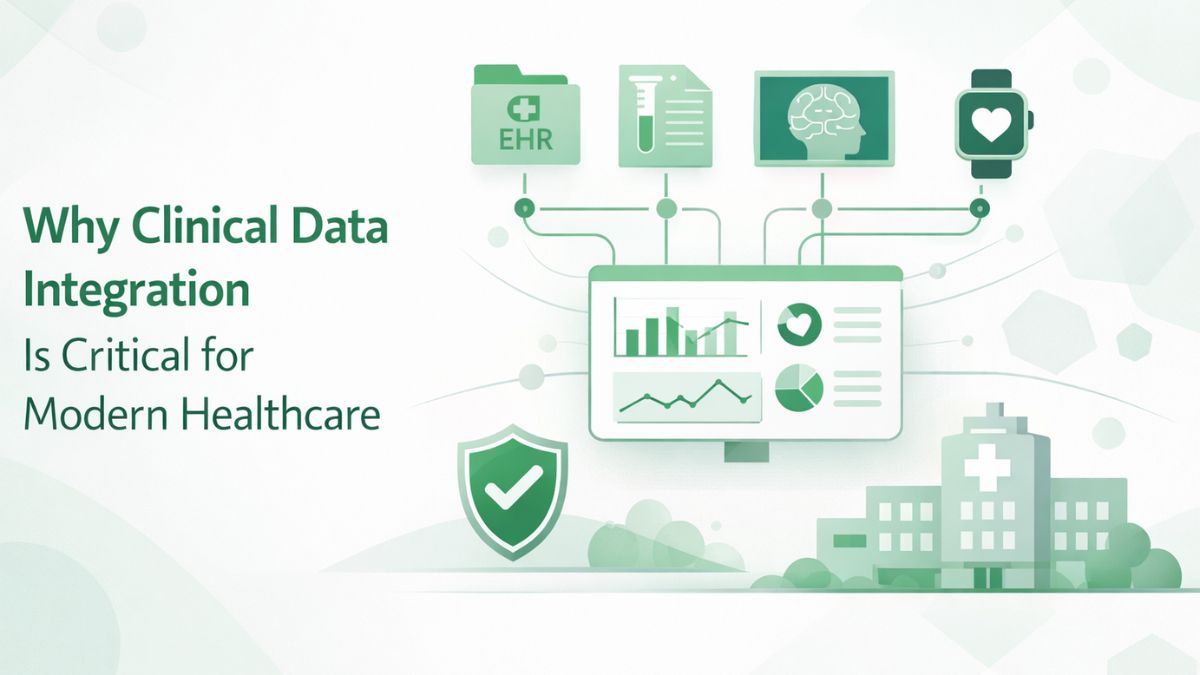
You sit on a vast amount of clinical, financial, and operational data. A large portion of it is stored in different systems that hardly ever communicate with each other. The integration of clinical data transforms these fragmented data sets into a unified, dependable basis for care, insight, and growth.
You reinforce clinical decisions, lessen obstacles, and ramp up the digital future of your organization by aligning systems, standards, and workflows.
Why Clinical Data Integration Is Critical for Healthcare Providers
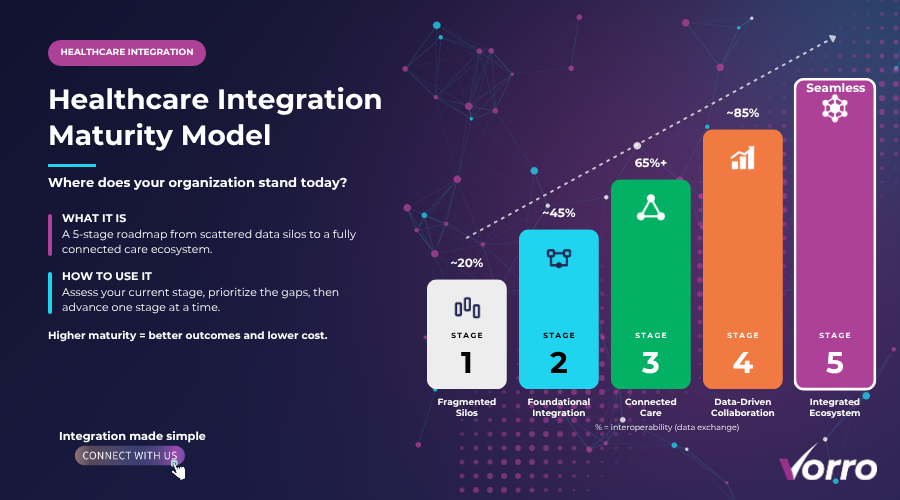
Clinical data integration gathers information from various sources like EHRs, labs, imaging, pharmacy, claims, care management tools, etc., and consolidates them into a single, coherent view. This gives you access to integrated clinical data that helps care teams, executives, and partners at each step of the patient journey. Rather than accessing different systems, re, entering data, or depending on old reports, your people use only one source of truth.
The main advantages of clinical data integration lie in consistency and context. Data flows correctly between systems if you align formats, codes, and terminologies. Quality and trust are being improved when you put business logic and verification on top. Thus, you are enabled to treat clinical data interoperability as a business resource rather than a technical problem.
Clinical data integration in a contemporary healthcare setting further enables cross, organizational collaboration. Healthcare delivery systems, insurers, local providers, and digital health partners depend on reliable, safe communication channels. A suitable integration platform lets you make a connection once and then exchange data with numerous partners while maintaining strict control over governance.
Impact on Patient Care and Outcomes
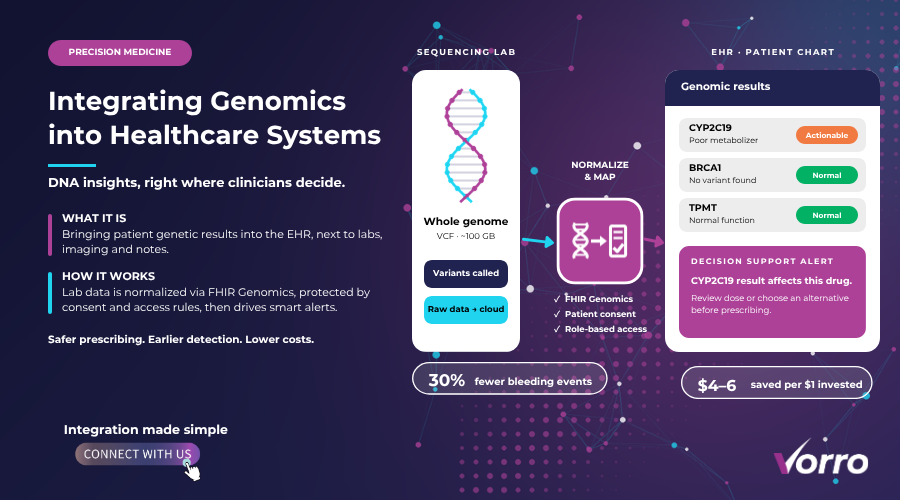
Clinical data integration is making a first impact on direct care. When clinicians are able to see integrated clinical data at the point of care, they get the full clinical story: past clinical encounters, lab tests, imaging, medications, allergies, and social factors. This lessens the blind spots and enables better decisions to be made in less time.
At the same time, you reduce the number of risks that can be avoided. A complete and timely set of data helps the teams to avoid repetition of tests, unsafe prescription of drugs, and missing of the follow, up. Integrated clinical data allows for more accurate problem lists, medication histories, and care gaps. This, in turn, makes it possible to have safer, more coordinated treatment plans.
Clinical data interoperability is a great way to raise communication between teams. Information is shared among hospitalists, primary care, specialists, and post, acute providers. This improves handoffs, shortens the time response, and facilitates coordinated care planning.
Patients experience fewer repeated questions and fragmented care when they receive primary, specialty, and post, care seamlessly.
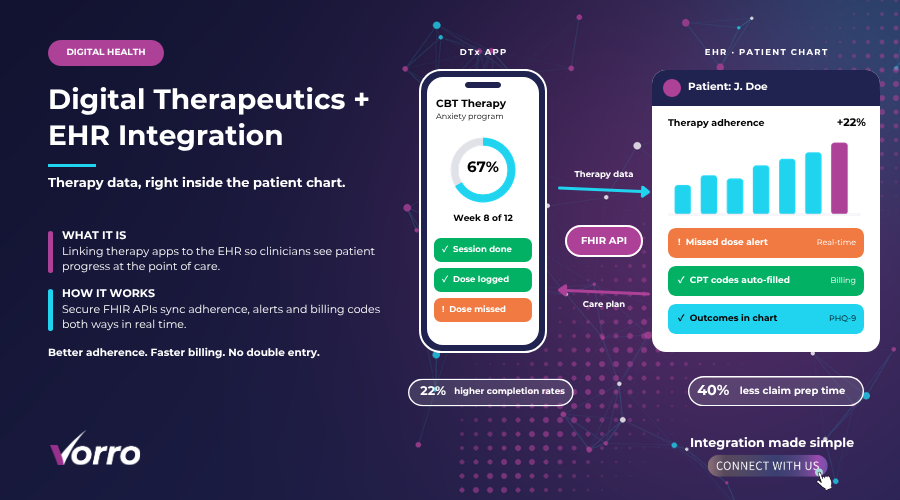
A strong integration strategy is also a good way to support engagement. When clinical data integration is aligned with patient portals, outreach tools, and remote monitoring, you are basically helping patients to be informed and involved. Consistent data supports personalized education, targeted reminders, and clarification of next steps, which impact adherence and outcomes.
Role in Value-Based Care and Population Health
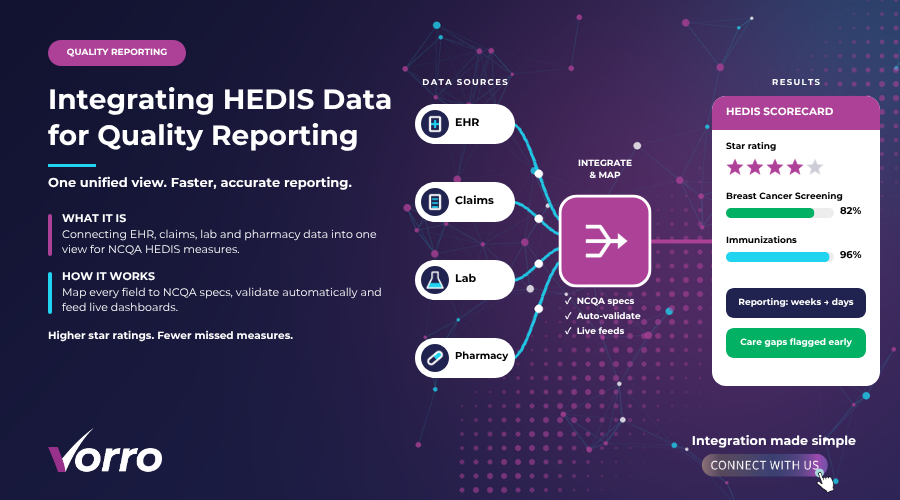
Integrating clinical data from different sources is a key factor in the success of any value, based care or population health initiative. A complete and up, to, date picture of the patient is required to assess risks, measure outcomes and design interventions that are tailored to the populations served. On the other hand, working with fragmented data inevitably leads to overlooking some risk factors, generating inaccurate quality reports and experiencing lower financial performance.
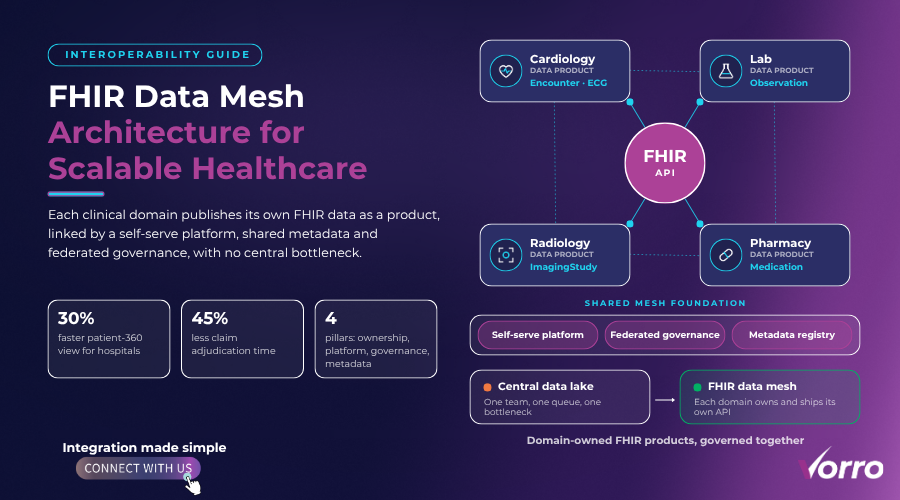
Data integration leads to an accurate picture of the patient and the environment in which the services are carried out. It enhances clinical data with appropriate referral spins, corrective procedures, and quality measures that have been standardized to the desired level of detail through the combination of data sets.
Furthermore, exchange of clinical data makes it easier for organizations to collaborate across the entire healthcare continuum. A health system together with a payer, community providers, and local government can share through a highly regulated and governed manner effectively and efficiently registry, care management, and outreach programs data sets. With good integration, staffs do not spend time getting the data but rather use the insights to make decisions and take actions.
Enabling AI, Analytics, and Decision Intelligence
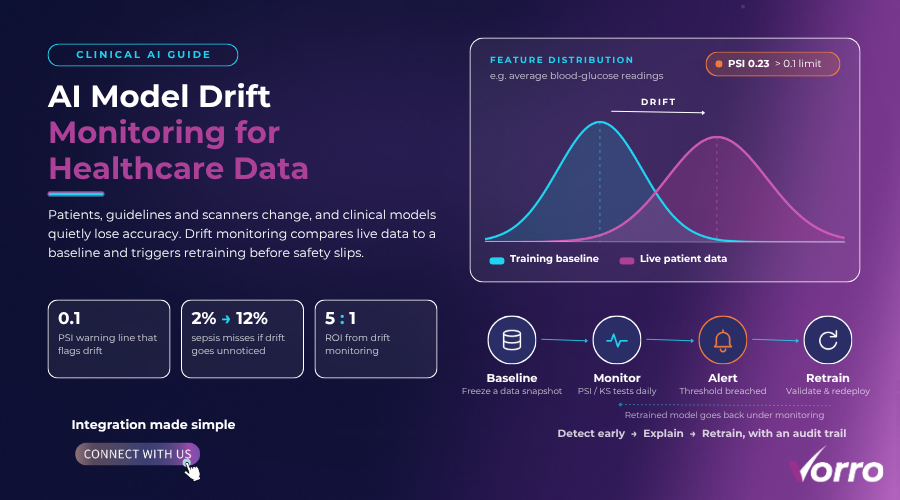
Advanced analytics and AI rely heavily on clinical data integration that is trustworthy and well integrated. Model that work on small, biased or inconsistent data sets as a result of lack of clinical data integration will not be trusted and the adoption will be limited. A unified integration layer becomes the stable foundation for decision support and automation.
The benefits of clinical data integration are reflected in analytics of descriptive, predictive, and prescriptive types. Descriptive insights heavily rely on consistent coding and complete feeds from core systems. Predictive models are based on a longitudinal patient view that integrates encounters, labs, medications, and social data. Prescriptive tools depend on data that is up, to, date and changing in real time.
Clinical data interoperability is a factor in both the AI tools and the workflows. When alerts, risk scores, and recommendations are integrated back into the EHR and other point, of, care tools, the clinician is given the guidance within their regular workflow. So it limits alert fatigue, builds trust, and increases the pace of adoption.
Healthcare data integration benefits enable your analytics teams to devote more time to generating insights and models rather than data cleaning. Integration serves as the backbone for decision intelligence across clinical, operational, and strategic domains.
Operational and Financial Benefits
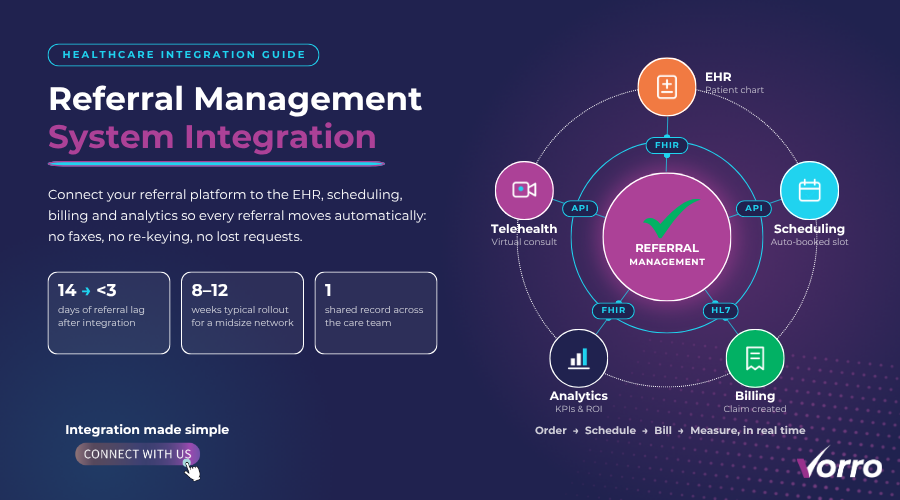
Clinical data integration does so much more than just support clinical decisions; it benefits the whole operations and financial performance chain of your organization. Bringing your systems together through a modern integration platform lets you eliminate a lot of manual work, rework, and delays in registration, scheduling, billing, and reporting workflows.
In addition to enhancing charge capture and billing accuracy, integrated clinical data provides a seamless transition of orders, procedures, and documentation between clinical and financial members, thus writing off and denial figures being reduced. The coding and revenue cycle correction, related time and cost are also minimized in this way.
Healthcare data integration indeed benefits healthcare organizations in many ways: among them is efficient resource planning. One can benefit significantly from having a clear picture of the supply chain, staffing, and capacity management decisions through real, time and historical data on volumes, acuity, and throughput. No longer will you make reactive decisions, but will have a better understanding of the demand and performance trends.
An IT integration strategy that is centralized reduces the number of point, to, point interfaces and brittle custom connections at the same time. Your teams provide support for fewer integration patterns, obtain better monitoring, and find resolutions to problems at a faster pace. This, in turn, reduces risk and total cost of ownership across your digital ecosystem.
Security, Compliance, and Data Governance
With today’s healthcare management, clinical data integration has to be done in a way that complies with security, privacy, and regulatory standards. You can fulfill these requirements through a well, organized integration platform. The first step is to establish uniform control measures, then you carry out the standards consistently and keep track of the data movement both through and outside your network.
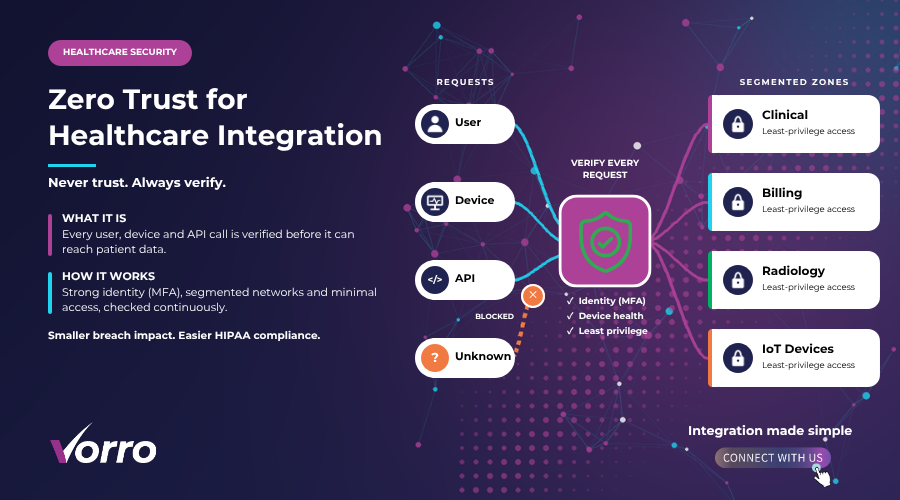
Centralized clinical data interoperability mergers with standard methods of authentication, authorization, and encryption. The adoption of unified policies can be suitable for internal users as well as external partners. When data is routed through a safeguarded integration layer instead of multiple custom interfaces, handling logging and audit trails is less time, consuming.
The combination of clinical data extends its application to the governance of data at a granular level. Data dictionaries, code sets, and quality rules that are consistent across different feeds can be mapped out. Consequently, the level of agreement increases, the process of regulatory reporting is facilitated, and the confidence of clinicians, patients, and partners is reinforced.
A modern integration approach makes you stay compatible with new regulations, standards, and partner demands faster. The integration layer, not each connected system, can absorb changes in guidelines for interoperability or modifications in exchange formats. In this way, the inconvenience is minimized, and your compliance status is kept in tune with the latest norms.
Conclusion: Clinical Data Integration as a Strategic Priority
Gone are the days when clinical data integration was just a back office technical initiative. Today, it has become a fundamental strategic capability for healthcare of the future. A focus on integrated clinical data will help you to enhance patient outcomes, back up value based performance, access analytics and AI, upgrade operations and keep the sensitive information safe.
You require a collaborator who considers clinical data interoperability as a top, level mission priority. Vorro provides integration solutions that are healthcare oriented, focusing on high quality data, secure connections, and genuine outcomes for healthcare providers and their partners. If you want to make your data work for both your clinical and business goals, reach out to Vorro and take the next step in your clinical data integration strategy.

Akshita is a Senior Content Writer and Marketer with over a decade of experience crafting narratives that convert, rank, and build lasting brand authority. She has worked across SaaS, FinTech, HealthTech, and Education spaces, delivering everything from HIPAA-compliant medical content to multilingual campaigns for the International Labour Organization, United Nations. Her content has reached audiences across the globe, and she has worked for Fortune 500 brands, global agencies, and startups alike. Fluent in English, Spanish, and German, Akshita brings a rare cross-cultural edge to brand communication. A literature graduate from Delhi University, she balances strategic thinking with a storyteller's instinct, but when she isn’t architecting content roadmaps, she channels her creativity into poetry and painting or dedicates her time to caring for stray animals - pursuits she credits for making her a more empathetic and perceptive communicator.