
Introduction: The Tipping Point for iPaaS Adoption Healthcare
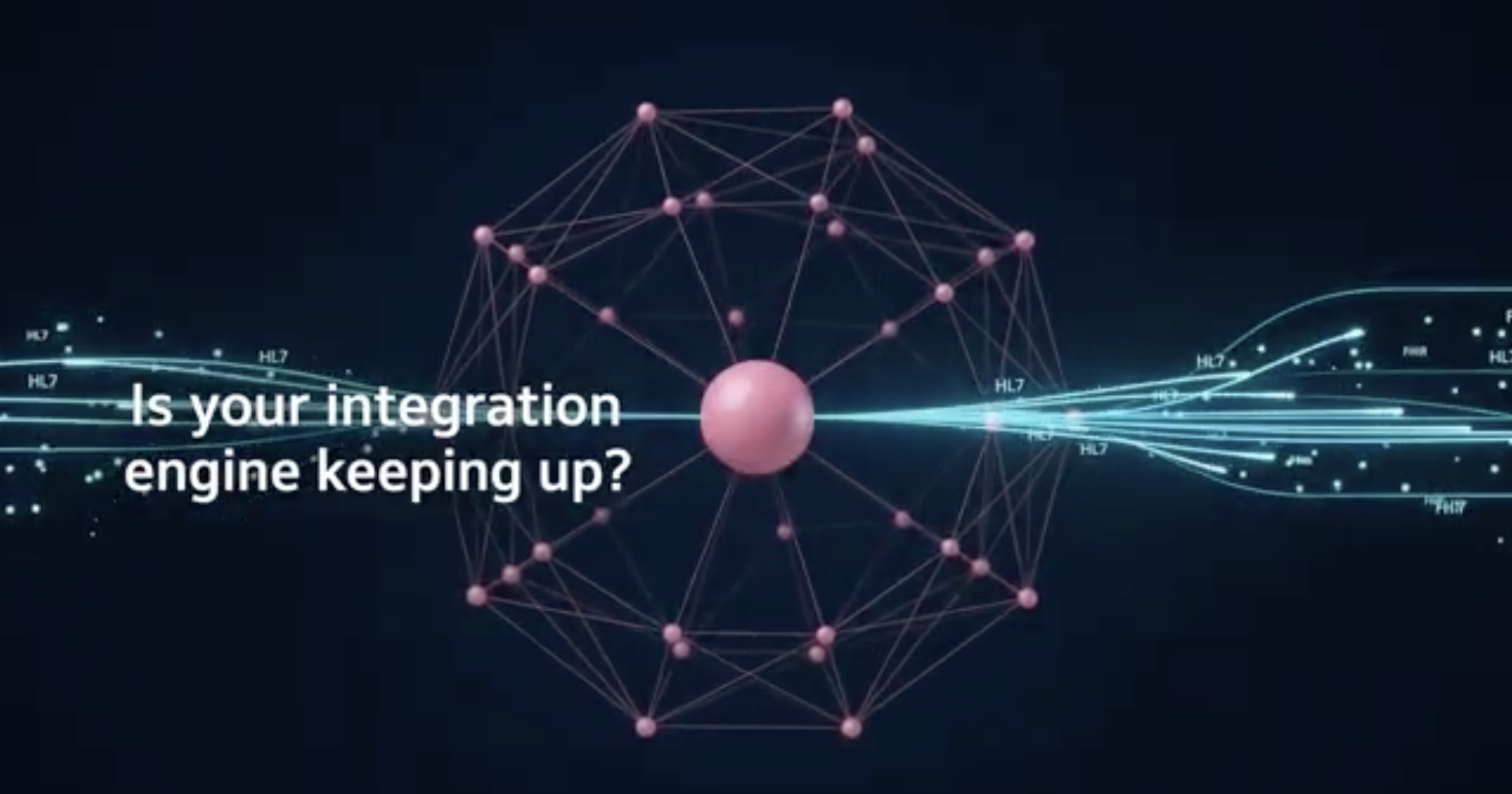
Let’s face a simple, uncomfortable truth: The integration architecture supporting most large healthcare organizations is exhausted. It was designed for a world where data mostly stayed put. It was built for a time when HL7 was the only game in town and security meant locking the server closet door. That world is gone.
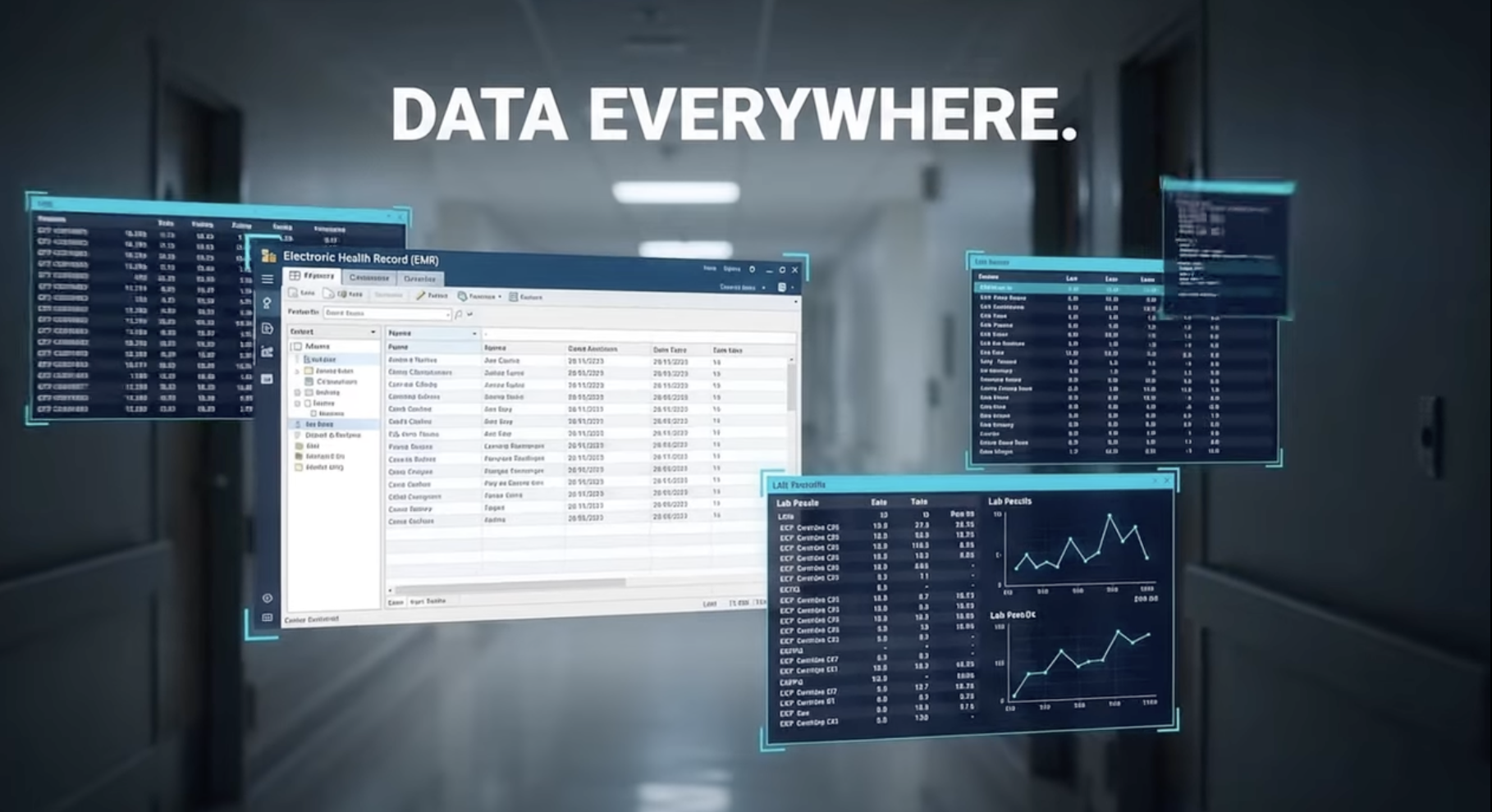
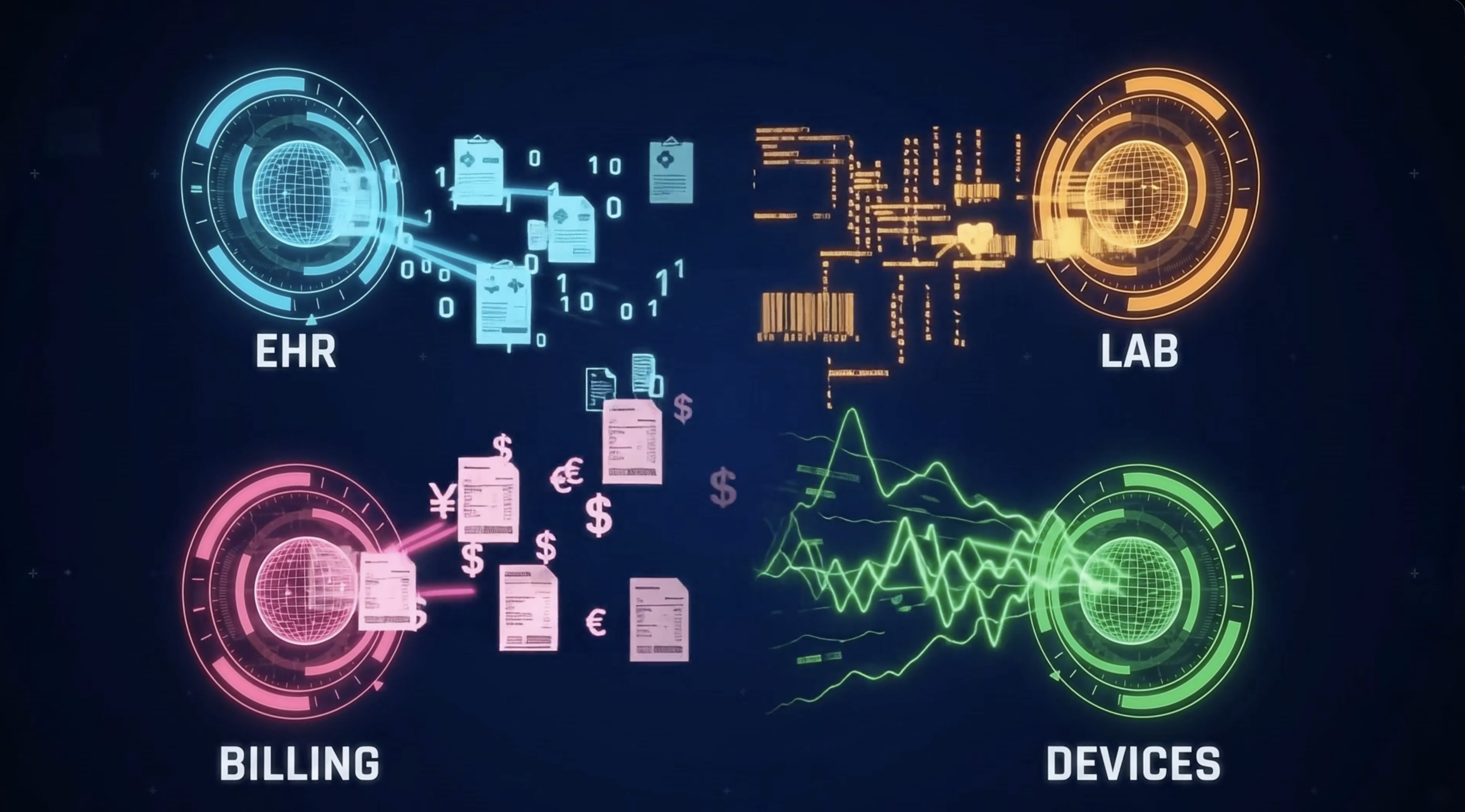
Today, data is everywhere. It flows from wearables, remote monitors, AI tools, and dozens of cloud services. Your old, custom-coded interfaces your legacy integration can’t keep up. They weren’t built for this volume, this variety, or this need for instant, real-time sharing.
This operational stress is the key driver behind the rapid iPaaS adoption healthcare is experiencing right now. CTOs and Enterprise Architects are realizing that patching old systems is no longer viable. It’s too expensive. It’s too risky. This piece is for you. We’ll break down exactly what’s driving this massive shift toward a modern integration platform, and how you can manage the strategic legacy integration migration to future-proof your organization.
What is the Crippling Cost of Maintaining Legacy Integration?
If you’re an IT Director or Enterprise Architect, you already feel the pain of legacy systems every single day. Let’s quantify that pain. It goes far beyond the simple cost of a license renewal.
The Hidden Financial and Operational Drain
We need to understand what you’re actually paying for when you stick with the old ways.
- Engineering Debt that Never Ends: Every custom script, every proprietary connection, and every unique data transformation is technical debt. It requires specialized knowledge and constant maintenance. I’ve seen organizations where 70% of integration team time is spent simply maintaining existing interfaces, not building anything new.
- Security Gaps are Widening: Older integration tools and platforms often lack the native encryption, granular access controls, and automated compliance auditing required for today’s data landscape. Every new connection you make on a legacy system adds a layer of unmanaged risk.
- The Innovation Standstill: If integrating with a new partner or spinning up a new cloud service takes three to six months of custom development, your ability to innovate dies. Your organization is perpetually slow. This lack of a modern integration platform is an innovation killer.
The actual cost is the lost opportunity to serve patients better and the paralyzing inability to react to market changes. You’re not just running old code; you’re operating with a massive strategic anchor dragging you down.
Why Interoperability Complicates Legacy Integration Migration
Ask any CTO what keeps them up at night, and interoperability will be high on the list. This isn’t a theoretical problem; it’s the daily fight against mismatched standards.
The Problem of Data Translation in Healthcare
Healthcare data is messy. You’ve got decades of standards, from proprietary formats to various versions of HL7, DICOM, and now FHIR.
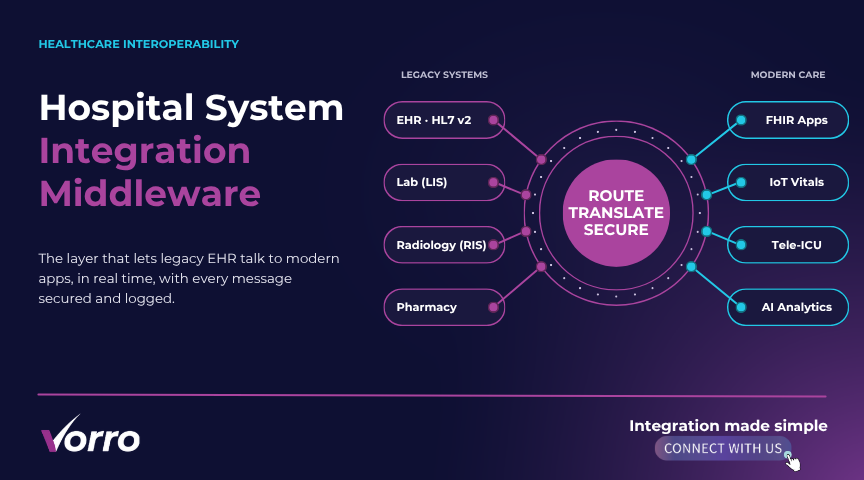
- The Translator Problem: Legacy integration often uses dedicated engines or custom code written specifically to translate HL7 v2.x to a different HL7 v2.x version. These point-to-point translations are brittle. If the source system updates, the connection often snaps, requiring weeks of fixing.
- FHIR Fatigue: Everyone knows FHIR is the future. But trying to translate mountains of legacy data into FHIR resources using old integration engines is an incredibly heavy lift. It’s often manual, error-prone, and slow.
This is why iPaaS adoption healthcare is accelerating. A good Cloud Integration Platform addresses this pain point head-on.
How a Modern Integration Platform Solves the Interoperability Crisis
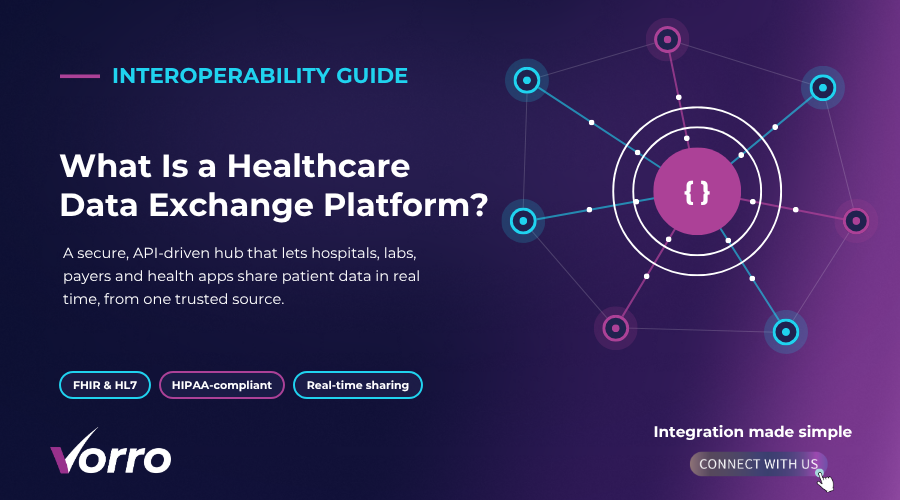
A modern integration platform is built with this chaos in mind. It doesn’t just move data; it processes and standardizes it.
- Native FHIR Support: The leading iPaaS solutions come with native, pre-built FHIR resource validation and transformation tools. This dramatically accelerates the legacy integration migration process by handling the heavy data mapping automatically.
- Connector Libraries: Instead of writing custom code to connect to specific EMRs (Epic, Cerner), billing systems, or third-party cloud services, the platform offers a library of ready-to-use, managed connectors. You configure, not code.
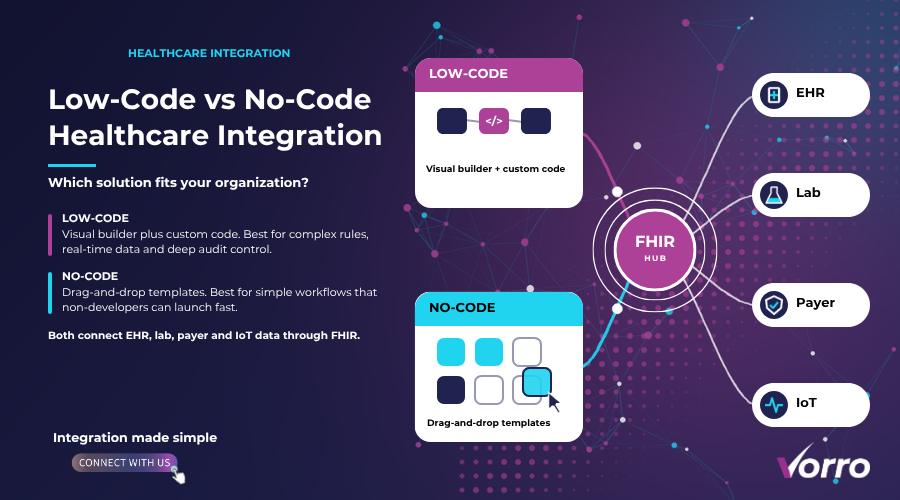
- Visual Data Mapping: Your team uses a drag-and-drop interface to define data transformation rules. This is inherently faster, more repeatable, and easier to test than writing thousands of lines of code.
This centralized, standardized approach reduces the integration time for new endpoints from months to weeks.
How Healthcare iPaaS Enables Future-Ready Security and Scale
The demands on healthcare IT systems are no longer predictable. You need systems that can handle a sudden spike in telehealth visits, an immediate need for new data streams for AI, or a major system upgrade from a vendor.
1. Compliance and Governance by Design
Security is not an add-on; it must be the foundation.
- Built-in PHI Protection: A dedicated iPaaS adoption healthcare platform is specifically designed to handle PHI (Protected Health Information). It ensures data is encrypted both in transit and at rest.
- Audit Trails are Automatic: Compliance relies on proof. A modern integration platform automatically logs every transaction, every access point, and every transformation. This drastically simplifies audits, saving your team countless hours when regulatory bodies come knocking. You move from scrambling for evidence to simply presenting a clear report.
2. Elastic Scalability is Critical Now
Legacy integration often struggles with scale. Custom interfaces are typically deployed on fixed-capacity servers, meaning sudden data spikes cause bottlenecks or crashes.
- Cloud-Native Architecture: iPaaS is built on the cloud. This means it offers elasticity. If your system suddenly needs to handle ten times the normal transaction volume-say, during an open enrollment period or a large-scale patient portal launch-the iPaaS scales the compute and data-processing power instantly and automatically.
- Resilience and Disaster Recovery: The platform handles replication and failover across multiple availability zones. Your legacy integration migration doesn’t just make things faster; it makes your entire data environment significantly more resilient against outages.
What is the Strategy for Legacy Integration Migration?
The shift from the old system to a modern integration platform can feel daunting. But treating it as an overnight switch is a mistake. The key to successful migration is a phased, strategic approach.
1. Stop the Bleeding: Phasing Out Old Systems
You can’t just turn off your current systems. That’s too risky.
- Start with New Initiatives: Use the new iPaaS for all new integration projects. This immediately prevents you from adding more technical debt to the legacy stack.
- Tackle Low-Risk Interfaces First: Identify the simpler, less mission-critical interfaces (e.g., non-clinical administrative data feeds) for your first wave of legacy integration migration. This builds internal team experience and proves the platform’s reliability without risking patient care.
2. The Smart Migration Wave
Next, you move to the core clinical systems.
- Connect and Shadow: Use the iPaaS to connect to the same source system as your old interface. Run the old and new connections in parallel. The old system handles production traffic, while the new iPaaS connection processes the data and sends it to a “shadow” environment for validation.
- Validate and Switch: Once the output from the iPaaS-driven environment has been validated as 100% accurate over several weeks, you seamlessly cut over the production traffic to the new modern integration platform. The old, custom interface can then be retired and decommissioned.
This phased approach minimizes disruption and manages the risk inherent in any major system overhaul.
Real-World Impact: The ROI of a Modern Integration Platform
This strategic shift isn’t just about making engineers happier (though it does that). It delivers measurable return on investment for the entire organization.
Case Snippet: Reducing EMR Downtime
A large, multi-hospital system was struggling with nightly integration failures. Their legacy integration engine would often stall when processing high volumes of patient data transfers (ADT feeds) between facilities.
- Before Migration: The IT team averaged 15 hours per week troubleshooting and restarting interfaces. Integration experts were constantly on call.
- After iPaaS Adoption Healthcare: The migration to a modern integration platform with elastic scaling capabilities eliminated 95% of the failures. The IT team’s focus shifted from reacting to optimizing. This freed up one full-time Enterprise Architect to move onto critical FHIR-enabled patient portal development, directly accelerating a key strategic initiative.
By spending less on “keeping the lights on,” you create direct capacity for innovation. This is the core business case for iPaaS adoption healthcare.
Conclusion: Securing Your Healthcare Data Future
The decision to move away from your legacy integration architecture is no longer optional; it is a strategic imperative. The healthcare environment has fundamentally changed, demanding security, scale, and interoperability that older, custom-coded systems simply cannot provide.
iPaaS adoption healthcare provides the solution: a modern integration platform that is built for today’s data volume, compliant with regulatory standards by design, and flexible enough to integrate with whatever innovation comes next. It’s the smart way to move data, and it’s the only way to future-proof your organization.
Key Strategic Takeaways for Leadership
- Legacy Cost is OpEx, iPaaS is CapEx for Innovation: Stop pouring money into costly maintenance. Invest in a platform that enables your future growth.
- Security is Systemic: A modern integration platform guarantees continuous compliance and robust security, reducing your overall risk profile.
- Interoperability is Pre-built: Stop coding custom data maps. Use native tools and connectors for rapid FHIR and HL7 translation.
- Migration is Phased: Use a disciplined, parallel-run approach to manage legacy integration migration risk effectively and ensure continuity of care.
At Vorro, we specialize in helping healthcare leaders execute this crucial migration. We understand the high stakes involved in moving clinical data. We provide the reliable, compliant modern integration platform you need to transition away from fragile legacy integration.
Are you ready to move your data strategy out of the past and secure your future? Contact Vorro today to schedule a confidential discussion about your legacy integration migration roadmap.

Akshita is a Senior Content Writer and Marketer with over a decade of experience crafting narratives that convert, rank, and build lasting brand authority. She has worked across SaaS, FinTech, HealthTech, and Education spaces, delivering everything from HIPAA-compliant medical content to multilingual campaigns for the International Labour Organization, United Nations. Her content has reached audiences across the globe, and she has worked for Fortune 500 brands, global agencies, and startups alike. Fluent in English, Spanish, and German, Akshita brings a rare cross-cultural edge to brand communication. A literature graduate from Delhi University, she balances strategic thinking with a storyteller's instinct, but when she isn’t architecting content roadmaps, she channels her creativity into poetry and painting or dedicates her time to caring for stray animals - pursuits she credits for making her a more empathetic and perceptive communicator.