By Akshita Kohli · November 18, 2025
The multi-facility healthcare system is the backbone of modern care delivery. Yet, the very structure that allows for geographic reach and specialized services, the multiple hospitals, dozens of clinics, and various ambulatory centers often creates a crippling data challenge. Imagine a patient visiting the emergency department in Hospital A, but their primary care physician (PCP) in Clinic B cannot access the discharge summary or the critical follow-up instructions. This is not a hypothetical scenario; it’s the daily reality that drives up costs, introduces risk, and undermines patient trust.
The fragmented nature of enterprise health information across sprawling networks leads to dangerous care gaps, unnecessary repeat testing, and enormous administrative waste. For the CIO, the Chief Administrator, or the VP of Operations, this means lost revenue and diminished quality scores.
The solution is not another expensive, monolithic EHR overhaul, but a sophisticated HIE integration multi-facility strategy. This isn’t just about “sharing data” it’s a financial and operational imperative that significantly enhances healthcare system ROI. By strategically connecting disparate data sources, we can transform fragmented care into a seamless, high-value continuum. This article details the core business case and technical strategies for achieving unified enterprise health information across your entire system.
What Operational and Financial Costs Stem from Fragmented Data?
Before discussing the solution, it’s vital to quantify the cost of inaction. In a multi-facility setting, silos are expensive and risky. When patient data remains locked within individual facilities, the organization bleeds resources in several critical areas.
The Hidden Costs of Data Silos:
- Repeat Diagnostic Testing: When Facility A cannot view labs or imaging done at Facility B, ordering repeat tests is the default, leading to unnecessary expenditures and patient annoyance. These avoidable costs accumulate quickly across a large patient population.
- Administrative Overhead: Staff spend excessive time making phone calls, sending faxes, and manually reconciling medication lists or treatment plans across facilities. This is non-value-add work that consumes staff hours better spent on patient-facing duties.
- Preventable Readmissions: Lack of immediate access to discharge instructions, known allergies, or post-discharge follow-up plans is a primary driver of costly 30-day readmissions. Payers and regulators are increasingly penalizing these events, directly impacting your bottom line.
A comprehensive HIE integration multi-facility platform moves beyond simple data viewing to active, seamless data exchange, closing these costly operational gaps and establishing a new baseline for efficiency and safety.
-
How Does HIE Integration Immediately Boost Revenue Cycle Efficiency?
The most direct way to prove the healthcare system ROI of HIE integration is by demonstrating improvements in the revenue cycle. A unified view of enterprise health information streamlines billing, coding, and prior authorization processes across all facilities.
What is the Financial Impact of Unified Data?
- Accelerated Claims Processing: When clinical documentation is immediately accessible from the facility where the service was rendered, billers can validate codes and complete claims much faster. Delays due to missing records, a common issue in multi-facility transfers are drastically reduced.
- Reduced Claim Denials: Data from one facility often validates the necessity of a service rendered at another. For example, lab results from an affiliated clinic can instantly support the medical necessity required for a hospital service claim, leading to fewer denials and appeals.
- Improved Prior Authorization (PA) Success: PAs require comprehensive clinical evidence. HIE integration multi-facility ensures that the PA team has a complete, cross-system patient history at their fingertips, leading to faster approvals and reduced abandoned services.
This financial efficiency is immediate. By streamlining the entire documentation-to-billing pipeline, HIE integration acts as a powerful financial lubricant for the entire health system.
-
What Role Does Enterprise Health Information Play in Care Coordination and Quality Metrics?
The shift to value-based care models, where reimbursement is tied to quality and outcomes, makes comprehensive enterprise health information not just beneficial, but mandatory. HIE integration provides the necessary infrastructure to excel in these models.
Unlocking Quality Performance and HIE Integration Multi-Facility
Value-based contracts demand a full accounting of a patient’s journey, often across different settings. An integrated HIE platform allows your system to meet and exceed these requirements:
- Seamless Transitions of Care: HIE enables immediate notification when a patient is admitted or discharged anywhere within the affiliated system, allowing the PCP or the care management team to intervene quickly. This is essential for preventing post-discharge complications.
- Population Health Management: By aggregating and normalizing data from all sources (EHRs, labs, pharmacy systems) across all facilities, the system gains a holistic view of the patient population. This allows for accurate identification of high-risk patients and targeted interventions—the essence of effective population health.
- Clinical Decision Support: When a clinician at one hospital can access a complete medication and allergy list from another facility, the risk of medication error, a significant quality and cost issue is substantially reduced. The HIE provides the context necessary for safer decisions.
HIE integration multi-facility strategies are the technology behind meeting quality metrics. They move your organization from reactive care to proactive, coordinated health management.
-
How to Execute HIE Integration Multi-Facility with a Centralized Interoperability Platform?
For the CIO and Integration Engineers, the core challenge is how to connect dozens of disparate EHR instances (Epic, Cerner, Meditech, plus specialty systems) without creating a technical nightmare. The answer lies in moving beyond brittle point-to-point connections to a standardized, centralized interoperability platform.
Integration Best Practices for Healthcare System ROI
A central Integration Hub (iPaaS) acts as the secure, intelligent broker for all data exchange within and outside the system.
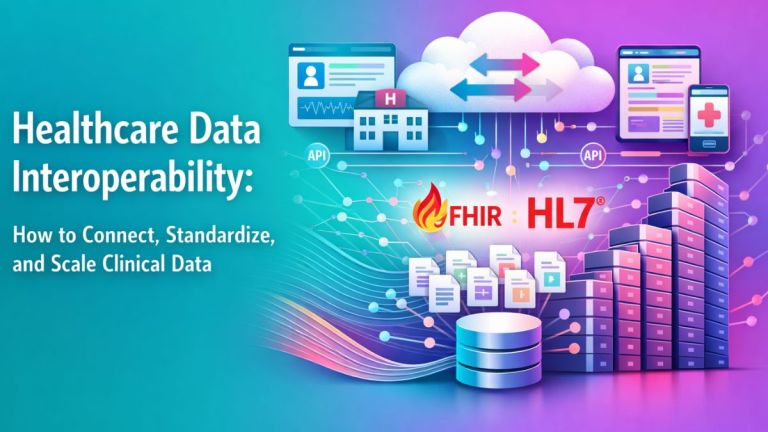
- Standardization Layer: The Hub standardizes all incoming data, converting legacy protocols (like HL7 v2) into modern, structured formats (like FHIR). This normalization is critical for truly merging enterprise health information across the system.
- Security and Governance: Instead of managing security for dozens of individual connections, the Hub provides a single control point for identity management, access controls, and auditing, ensuring strict compliance with HIPAA and other regulations.
- Scalability: When a new clinic or hospital is acquired, or a new digital health application is implemented, it only needs to connect to the Hub once. This dramatically accelerates system onboarding, a key driver of healthcare system ROI during M&A activity.
Real-World Impact on M&A
A multi-state health system recently acquired a smaller hospital running a different EHR. Historically, integrating the new site took 12-18 months. By leveraging a centralized HIE Hub a core HIE integration multi-facility strategy the team reduced the time needed to achieve clinical and administrative data visibility for the new facility to under six months. This speed allowed them to realize financial synergies faster and improve continuity of care almost immediately.
4. What Is the Strategic Advantage of Unified Enterprise Health Information in Risk Management?
Beyond financial and operational efficiency, the business case for HIE integration multi-facility is strongly rooted in mitigating clinical and legal risk. Uncoordinated care and missing patient records are major sources of potential malpractice claims and regulatory penalties.
Minimizing Risk Through Data Integrity
- Medication Reconciliation: Automated data exchange ensures that the latest, most accurate medication list is available wherever the patient presents for care. Missing or conflicting medication records are a leading cause of adverse drug events (ADEs).
- Audit Trail and Compliance: A centralized HIE platform provides a single, unchangeable audit log of every data query and transaction across the entire system. This is invaluable for demonstrating compliance with interoperability rules and for legal defense, should a clinical outcome be scrutinized.
- Emergency Data Access: In a critical scenario, a patient transfer between two facilities viz the HIE ensures immediate, secure access to essential patient data (allergies, blood type, recent procedures) without relying on manual requests. This can be the difference between a positive and a negative outcome.
The decision to invest in robust HIE integration multi-facility is, fundamentally, a decision to invest in the safety, compliance, and clinical reputation of the entire enterprise health information ecosystem.
Strategic Takeaways for the Executive
The business case for comprehensive HIE integration multi-facility is clear. It is the necessary foundation for achieving financial resilience, meeting quality mandates, and mitigating clinical risk across a large healthcare system.
Here are the key strategic takeaways for CIOs, Chief Administrators, and VPs of Operations:
- Data Fragmentation is Costly: Recognize that siloed patient data directly translates to wasted spending on redundant tests and increased administrative overhead.
- HIE is an ROI Driver: View HIE integration as a direct investment in the revenue cycle, leading to faster claims processing and fewer denials. This drives immediate healthcare system ROI.
- Future-Proof Acquisitions: Adopt a centralized Integration Hub model to dramatically reduce the time and cost required to integrate newly acquired facilities into your enterprise health information network.
- Mitigate Risk: Unified data across all facilities is your best defense against medical errors, adverse events, and associated legal liabilities.
The Vorro Solution: Unifying Your Enterprise Health Information
At Vorro, we don’t just connect systems; we unify your enterprise health information. Our interoperability platform is designed specifically for complex, multi-facility healthcare systems, serving as the intelligent, FHIR-enabled Integration Hub your organization needs. We specialize in rapidly establishing the secure, standardized data exchange framework required for high-volume HIE integration multi-facility. We provide the infrastructure to turn your disparate data into your greatest operational asset.
Stop managing data silos and start driving true value. Ready to accelerate your healthcare system ROI and unify your enterprise health information? Connect with Vorro for a strategic integration review today.