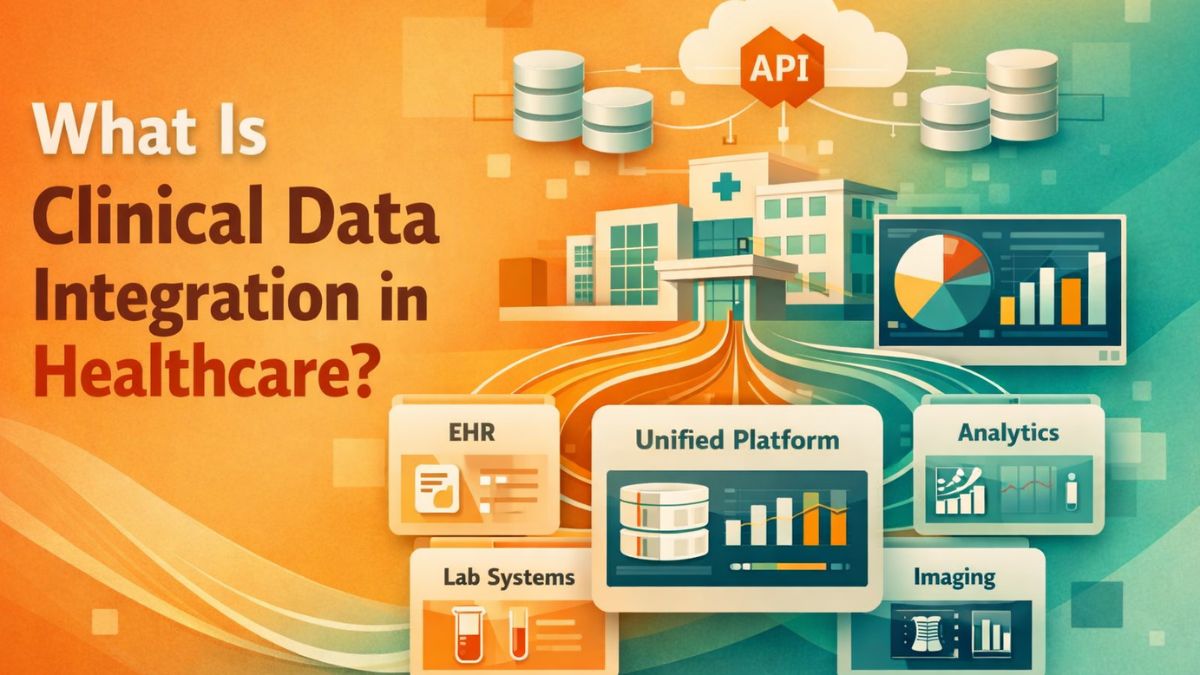
Clinical teams have access to a huge amount of data sourced from various systems. If they do not take the appropriate approach, all that information will simply remain stored in different data silos. Clinical data integration provides you with a feasible solution to harmonize information relating to care, operations, and technology, thereby enabling you to make better decisions at all levels.
Introduction: Understanding Clinical Data Integration
Clinical data integration collects and unifies data from various clinical and operational systems into a single, consistent, and accessible view. It’s a vital tool to help you make quick decisions, ensure effective care coordination, and generate accurate reports. With well, planned data integration, you eliminate the need for manual work, minimize reconciliation errors, and provide clinicians and staff with reliable information.
You are, probably, aware of how different portals of lab results, imaging, prescribing, and payer data slow your teams down. Investing in clinical data integration is the right way to align these systems on shared definitions and workflows. Such a move not only supports healthcare data interoperability but also lays a foundation for a robust digital strategy.
What Is Clinical Data Integration in Healthcare?
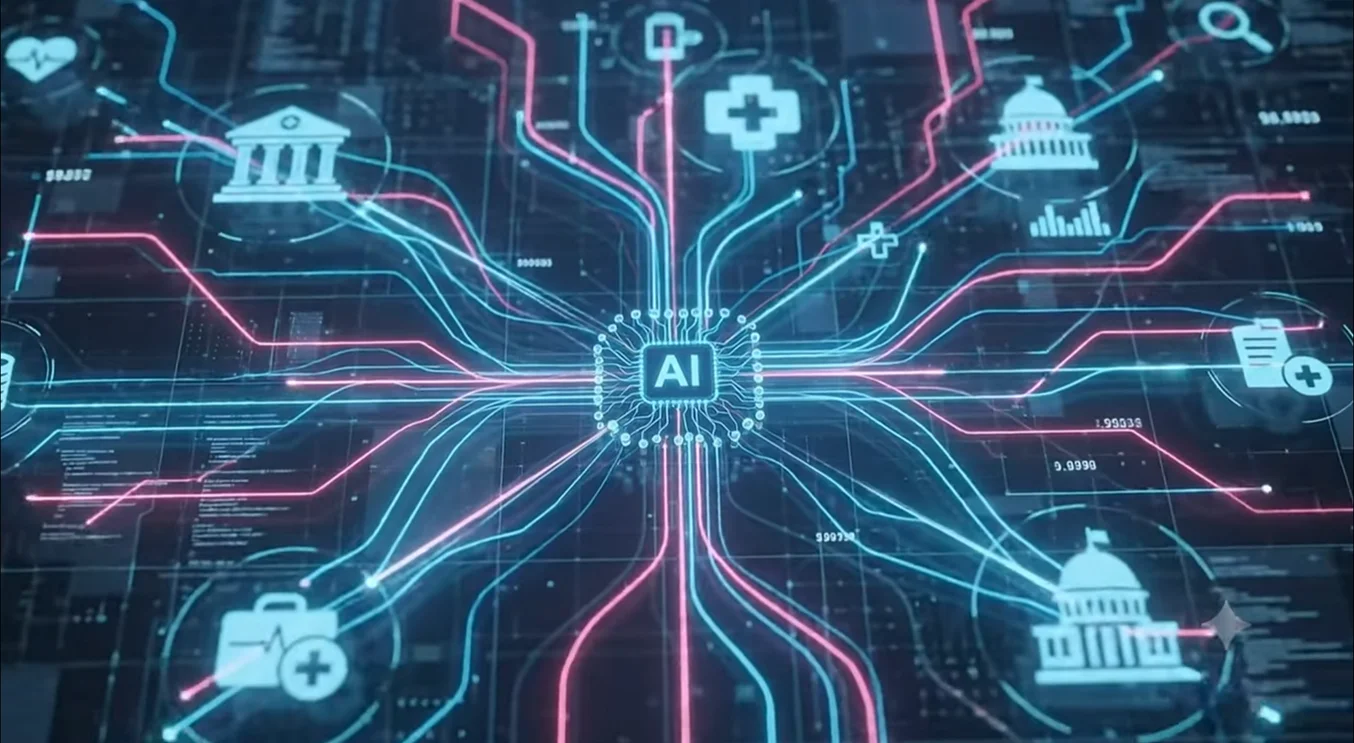
Clinical data integration in healthcare essentially involves the gathering, standardization, and distribution of clinical information among various healthcare systems, settings, and partners. It integrates the electronic health records, ancillary systems, payer feeds, and external datasets into a coherent data layer that facilitates both care and operations.
With effective clinical data integration, your healthcare organization can:
- Combine data originating from inpatient, outpatient, post, acute, and virtual care
- Ensure clinical data management is consistent with quality, reporting, and analytics requirements
- Facilitate healthcare data interoperability among different vendors and partners
- Provide almost instant relevant information to clinicians and care coordinators
You are not simply transferring data from one system to another. You are solidifying a uniform framework for how data moves, how it is interpreted, and how teams leverage it at the point of care.
Types of Clinical Data Integrated
Integrating clinical data effectively impacts a wide range of data types throughout the patient care continuum. Some typical categories are:
- Demographic and Registration Data. Information such as patient identity, contact details, insurance, and encounter registration across different sites is included.
- Clinical Documentation. This comprises physician notes, medical history, assessments, diagnoses, treatment plans, and discharge summaries.
- Orders and Results. This includes lab and imaging orders, results, and other findings from the diagnostic systems.
- Medication Data. Information on prescriptions, medication administration records, allergies, and pharmacy fills is provided.
- Procedures and Interventions, Descriptions of surgeries, therapies, procedures, and care team actions are given.
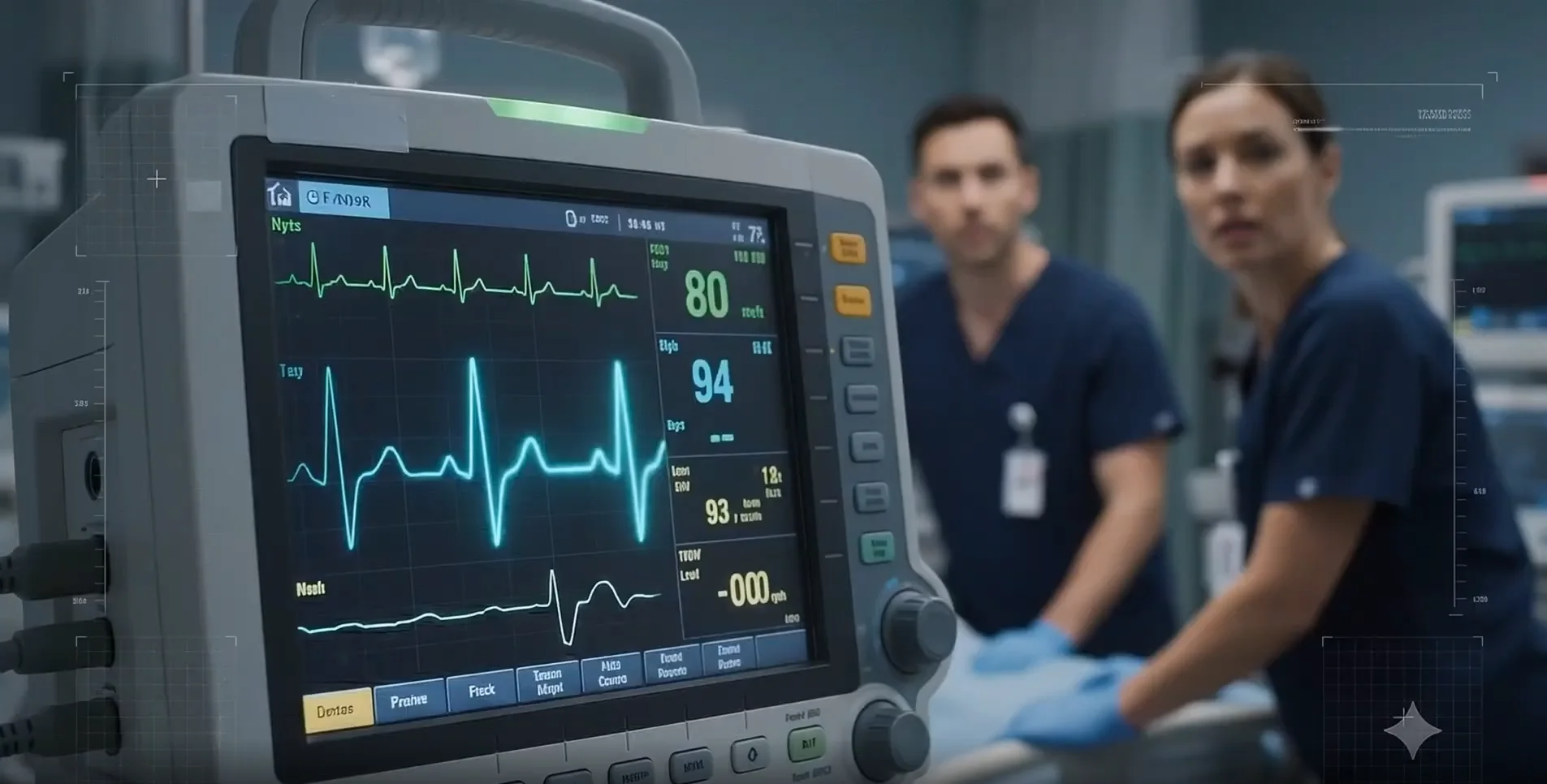
- Device and Monitoring Data. Releases of vital signs and measurements from bedside monitors, wearables, and remote monitoring tools.
- Claims and Payer Data. Eligibility, authorizations, claims, and remittance data that link the clinical and financial perspectives together.
If you map these types of data to a single, consistent model, your clinical data management initiative will be more structured. You offer analytics, compliance reporting, and care coordination through a single, reliable source of data.
How Clinical Data Integration Works
Clinical data integration refers to gathering data from multiple systems into one environment, usually, it is done via a combination of interfaces, APIs, and a clinical data integration platform. Generally, the whole process is divided into several steps:
1. Data acquisition
First, you collect data from various source systems like EHRs, laboratory systems, pharmacy platforms, practice management systems, and payer feeds. Depending on the systems in place, this can be done through HL7 messages, FHIR APIs, flat files, or direct database connections.
2. Standardization and normalization
The next step after standardizing is to also standardize and harmonize data formats, terminologies, and even structures. This means, for instance, local codes are filmed with reference to a standard vocabulary, units are normalized, and different naming conventions are harmonized. The whole success of healthcare data interoperability pivots on this stage.
3. Identity and record matching
You unify the patient, provider, and organization records from various systems.For instance, among other things, it can be the use of a master patient index (MPI) solution and logic for duplicates and conflicting identifiers. Accurate identity matching is the foundation of data integrity and thus, it is an essential element that makes the longitudinal record consistent.
4. Data transformation and routing
Data is converted to the format of the target data model and then is distributed to downstream systems, analytics platforms, and applications. There are rules that define the data to be shared, the conditions under which such sharing can happen, and the level of detail.
5. Governance and monitoring
Besides that, you implement data quality checks, logging, alerts, and governance policies. Clear ownership and monitoring ensure that integrations are reliable and compliant even when your environment changes.
Key Benefits of Clinical Data Integration
When you thoroughly work out a clinical data integration strategy in healthcare, you end up creating values in different areas:
- It helps to make better clinical decisions. Doctors get instant access to the entire patient data that is not only within the hospital but also from different care settings and systems.
- It enables higher care coordination. The care team communicates and coordinates based on the shared data which in turn supports transitions, referrals, and follow, ups.
- It leads to stronger clinical data management. Clinical data integration is essential in supporting registries, quality programs, population health, and research initiatives.
- It is an operational efficiency boost. Departments save a lot of time by avoiding manual data reconciliation, the re-entry of data, and tracking data across different systems.
- It helps to fulfill regulatory compliance requirements. Data integration keeps the reporting, auditing, and performance assessment activities well, fed with data that is consistent in terms of definitions.
- It implies technology flexibility. When the integrations are well documented it becomes easier to bring in new applications or take out old ones.
The upshot is that you get a more instrumented environment in which you can easily steer performance, cost, and the patient outcome by sharing trusted information.
Challenges in Clinical Data Integration
Integrating clinical data is also a real challenge, especially when it involves big and complex companies.
- Fragmented systems. Different vendors, versions, and local customizations make standardization almost impossible.
- Unreliable data. Lack of information, writing style, and differences in documentation habits are some of the factors affecting data accuracy.
- Complicated governance. Aligning privacy, access, and use rules among teams and partners calls for a lot of attention and effort.
- Resource limitations. Integration projects require technically and clinically skilled people and facilities continuously, not only at the time of project completion.
- Change management. New workflows and data sources change the way clinicians and staff perform their everyday tasks.
Dealing with these problems requires a mixture of a strong strategy, a proper clinical data integration platform, and a close partnership between IT, clinical leaders, and operations.
Role of Clinical Data Integration Platforms
A clinical data integration platform has the features that allow you to plan, keep track of, and grow your integrations in your whole environment. Rather than creating unique, custom, made connections, you rely on a central platform to coordinate the data flows and keep healthcare data interoperability.
A robust platform usually allows support for:
- Multiple data standards and transport methods across clinical and financial systems
- Configurable transformation, mapping, and routing rules
- Verification of application performance and issues through vibration, alerting, and logging
- Features of data governance and security in line with regulatory requirements
- Flexible deployment models that perfectly fit your infrastructure strategy
A suitable clinical data integration platform makes it easier for your staff. You accelerate the timelines for new integrations and keep the continuous clinical data management even when new use cases are arising.
Use Cases in Healthcare Organizations
Clinical data integration facilitates numerous real, life use cases in care delivery, administration, and strategy.
Care coordination across settings
Inpatient, outpatient, and post acute systems sharing data in near real time enables care teams to work from a single, most up to date view. Discharge plans, referrals, and follow up tasks get to the right people automatically without the need for manual phone calls and faxes.
Population health and care management
A combination of clinical and claims data enables population stratification, identification of gaps in care, and outreach. Care managers get a clearer picture of patient risk, health care resource use, and outcomes, and their decision on interventions can be based on trustworthy data.
Virtual care and remote monitoring
Extending care to the home, you’ll also want device, app, and telehealth data to be integrated back into your core systems. Clinical data integration essentially ties these different streams to the patient record so that clinicians get the context and trends right in their main tools.
Quality reporting and regulatory programs
One way to save time and effort is to have automated feeds run from the clinical systems into the reporting platforms, thus eliminating the need for manual abstraction and rework. If your data is integrated and standardized, submissions and audits will be done based on consistent definitions and repeatable processes.
Analytics and performance improvement
Healthcare data integration is a powerful tool for analytics teams as it enables them to have a single source of truth. Analysts can rely on integrated data to create models and dashboards that accurately reflect the truth and serve as guides for decisions regarding service lines, staffing, and strategic investments.
Advance Clinical Data Integration with Vorro
Vorro is the partner that delivers clinical data integration management under control with an efficient, outcomes oriented approach. You get the solution that is a flexible integration platform, integration expertise, and a partner who understands the complexity of healthcare data interoperability and clinical data management.
If you want to create simple data flows that support your teams and get your organization ready for the future, then talk to Vorro and advance your clinical data integration strategy.

Akshita is a Senior Content Writer and Marketer with over a decade of experience crafting narratives that convert, rank, and build lasting brand authority. She has worked across SaaS, FinTech, HealthTech, and Education spaces, delivering everything from HIPAA-compliant medical content to multilingual campaigns for the International Labour Organization, United Nations. Her content has reached audiences across the globe, and she has worked for Fortune 500 brands, global agencies, and startups alike. Fluent in English, Spanish, and German, Akshita brings a rare cross-cultural edge to brand communication. A literature graduate from Delhi University, she balances strategic thinking with a storyteller's instinct, but when she isn’t architecting content roadmaps, she channels her creativity into poetry and painting or dedicates her time to caring for stray animals - pursuits she credits for making her a more empathetic and perceptive communicator.