By Akshita Kohli · November 25, 2025
Telemedicine has moved from a novelty to a necessity. It promises convenience, access, and efficiency. However, a significant number of organizations are struggling to fully realize this promise. They have adopted a telemedicine platform. They find it is siloed. It is a digital island, disconnected from their core Electronic Health Record (EHR). The result is friction. It is administrative burden. It is often a poor experience for both the patient and the clinician.
The simple truth is this: a standalone telemedicine solution is only a video conferencing tool. It is not integrated care. For healthcare leaders today, the goal must be to achieve true EHR integration telemedicine effectiveness. This integration is what transforms a simple virtual visit into a powerful extension of the care continuum. It is the single most important factor in driving high patient engagement and achieving superior clinical outcomes.
This detailed guide is for you. We will break down the essential steps to connect your EHR and telemedicine platform. We will show you exactly how this deep integration solves administrative headaches. Most importantly, we will demonstrate the direct, positive impact it has on the quality and safety of patient care.
What is the Hidden Cost of Disconnected Telemedicine Platforms?
For many organizations, the initial rapid deployment of telemedicine during peak demand led to a critical oversight. They bought the platform that worked fastest. They worried about integration later. “Later” is now. The cost of this disconnection is mounting.
The Operational Drain on Clinical Staff
Imagine a virtual visit starting. The physician must open two different systems. They open the EHR for history and notes. They open the telemedicine platform for the video connection. Before the call, they must manually enter patient demographics into the telemedicine system. During or after the call, they must manually transcribe notes and findings back into the EHR.
- Time Wasted: Clinicians are losing valuable minutes before, during, and after every visit to duplicate data entry and system switching. This is known as “toggle tax.”
- Data Accuracy Risk: Every manual entry is an opportunity for human error. A misplaced decimal point in a prescription or an incorrect allergy entry can have severe consequences.
- Billing Delays: Without direct integration, billing codes must be manually transferred. This slows down the revenue cycle and increases administrative overhead.
These burdens reduce physician capacity. They contribute heavily to burnout. This makes achieving EHR integration telemedicine effectiveness a critical strategy for staff retention.
Compromised Patient and Provider Experience
When systems are disconnected, the patient experience suffers. They may have to re-verify information already in their chart. The provider, fumbling between screens, appears less focused. This lack of seamlessness erodes trust. It makes patients less likely to choose virtual care again. Low utilization means the entire investment is wasted.
How Does Deep EHR Integration Drive Telemedicine Effectiveness?
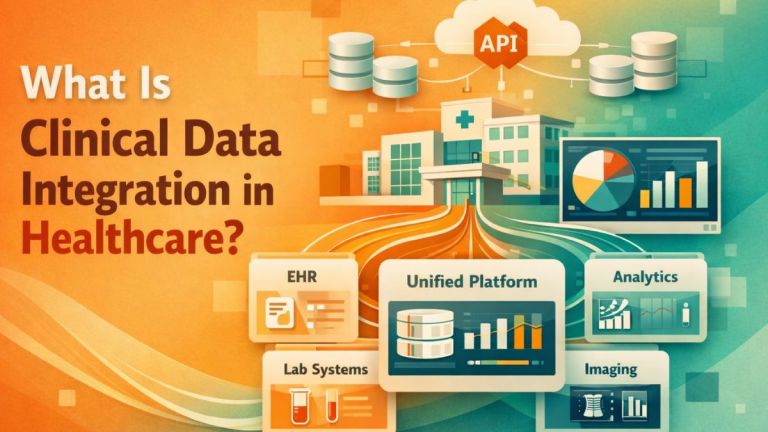
True EHR integration telemedicine effectiveness means creating a single, unified workflow. The two systems must act as one. The integration focuses on three critical flows: Data Synchronization, Workflow Automation, and Single Sign-On.
1. Data Synchronization: The Foundation of Good Care
This is the non-negotiable requirement. The goal is real-time, bidirectional data transfer.
What Data Must Flow Seamlessly?
- Pre-Visit Data: Demographics, medical history, allergies, medications, and chief complaint must flow from the EHR to the telemedicine platform immediately. The clinician must see the complete, current chart when the call begins.
- Post-Visit Data: The encounter note, diagnosis, new orders, and procedure codes must flow from the telemedicine platform to the EHR instantly. This ensures the patient’s record is updated immediately. This is fundamental for improving clinical outcomes.
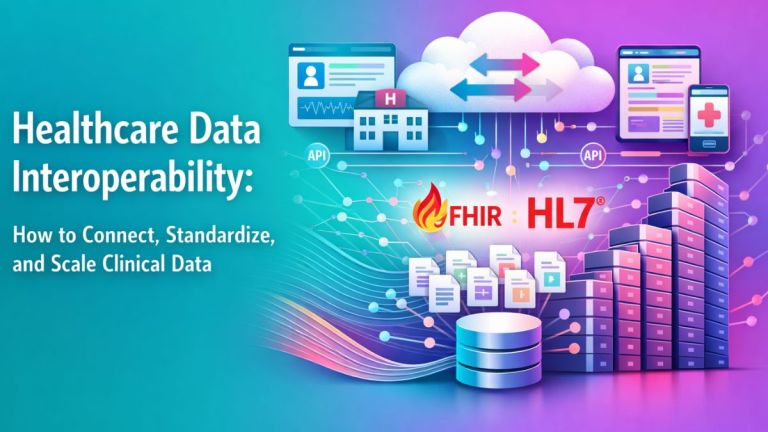
Deep integration often uses modern standards like FHIR (Fast Healthcare Interoperability Resources). FHIR allows for granular, secure, and rapid exchange of specific data elements. It is the modern answer to slow, cumbersome legacy data transfers.
2. Workflow Automation: Eliminating Administrative Friction
Integration should automate every possible administrative step. This frees up staff to focus on patient care.
- Automated Scheduling: When a virtual appointment is booked in the EHR, the telemedicine platform should automatically create the meeting link and send confirmation notifications.
- Pre-Visit Screening: Integrated workflows can push relevant questionnaires to the patient based on the reason for the visit. These responses are then immediately stored in the EHR chart before the provider even logs in.
3. Single Sign-On and Access
A provider should not have to log into two separate systems. Single Sign-On (SSO) is essential. The provider logs into their EHR, clicks a button on the patient’s chart, and is instantly connected to the virtual visit within the telemedicine platform. This eliminates login friction. It saves precious time. It creates a professional, focused encounter.
How Integration Boosts Patient Engagement and Clinical Outcomes
For CMOs and Healthcare Leaders, the goal is always better care delivery. Deep EHR integration telemedicine effectiveness is a tool that directly improves both patient engagement and measurable clinical outcomes.
Empowering Patient Engagement
Patients want convenience and clarity. Integration delivers both.
- Seamless Access: Integrated platforms offer a consistent, branded experience. The patient accesses the virtual visit through the same portal they use for lab results and appointment requests. This familiarity drives utilization.
- Informed Conversations: When the provider has instant access to the full patient history, the conversation is more focused and efficient. The patient feels seen and understood. This positive interaction is a core driver of loyalty and patient engagement.
- Timely Follow-Up: Integrated care plans are immediately accessible. Patients receive automated follow-up reminders related to prescriptions or next steps directly from the familiar patient portal. This adherence to treatment plans is vital for positive clinical outcomes.
Driving Superior Clinical Outcomes
Integration moves telemedicine from a simple consult tool to a platform for chronic care management.
Optimizing Chronic Disease Management
- Data Visualization: Imagine a patient with hypertension using a connected blood pressure monitor. The EHR integration allows the telemedicine platform to display that patient’s last 30 days of readings right alongside their medication list. The physician makes informed, data-driven adjustments immediately.
- Proactive Interventions: Integration supports remote patient monitoring (RPM). The EHR system can be configured to flag high-risk data (e.g., severe fluctuations in blood sugar). This automatically triggers an alert and schedules a rapid, integrated telemedicine follow-up. This prevents escalation and hospital visits.
Real-World Example: A large endocrinology practice integrated their EHR with their telehealth and glucose monitoring platforms. They saw a reported 15% decrease in emergency department visits among their high-risk Type 1 diabetes patients within the first year. The speed of data access allowed for critical medication adjustments via virtual visits, preventing severe episodes.
What are the Technical and Strategic Pillars of Successful EHR Integration?
Achieving deep EHR integration telemedicine effectiveness requires a structured, expert approach. It is about careful planning and utilizing the right specialized integration partners.
Pillar 1: Define the Use Case and Data Model
Before beginning, be laser-focused. What exact problems are you solving?
- Prioritize High-Impact Workflows: Start with a defined, high-volume need, such as post-surgical follow-up or routine behavioral health visits.
- Establish Data Mapping: Work with specialists to precisely map every field. Ensure that “Chief Complaint” in the telemedicine system maps correctly to “Reason for Visit” in the EHR. Ambiguity here is fatal to healthcare data consolidation.
- Security and Compliance: Always ensure that data is encrypted and transferred in compliance with HIPAA and relevant regulations. Integration must enhance, not compromise, security.
Pillar 2: Leverage Modern Integration Tools
Relying on old, brittle interfaces (like legacy HL7 v2) is often a mistake for telehealth.
- Focus on FHIR APIs: FHIR is fast, flexible, and natively designed for web-based applications like telemedicine. It allows for the exchange of discrete data elements, which is ideal for real-time clinical use. This is how you achieve sustainable EHR integration telemedicine effectiveness.
- Utilize an Integration Engine: For complex organizations, a dedicated integration engine acts as a sophisticated translator and traffic controller. It manages connections to multiple systems. It ensures reliability and scalability as you add new services.
Pillar 3: The Role of the Product Manager and IT Director
The success of the integration often rests on cross-departmental collaboration.
- Product Manager: You must champion the user experience. Integration should feel invisible to the end user. You must ensure the integrated product enhances patient engagement metrics.
- IT Director: You must ensure the chosen integration solution is scalable, secure, and maintainable. You must select partners with proven healthtech integration expertise. This is a specialized field.
How to Maintain and Future-Proof Your Integrated Telemedicine Solution
An integrated solution is a living system. It requires ongoing attention to maintain peak performance and continually drive strong clinical outcomes.
Continuous Monitoring and Governance
Integration must be continuously monitored. A break in the connection is a sudden return to manual workflows.
- Set up Proactive Alerts: The integration engine should alert your IT team the moment a data flow fails or slows down. Rapid resolution is key.
- Establish Data Governance: Define clear responsibility for data quality across both platforms. For instance, if a patient updates their address in the patient portal, who verifies that update flows correctly to both the EHR and the telemedicine system?
Scaling for the Future of Care
Integration is an investment in future capability. It prepares you for tomorrow’s technology.
- Enabling AI and Analytics: The clean, consolidated data provided by integration is the perfect fuel for AI models. This data can predict readmission risk. It can identify patients needing intervention. It can help you forecast staffing needs.
- Extending Care Models: Once the EHR-telemedicine bridge is stable, you can easily integrate other services. Think of specialty consultations, virtual behavioral health, and chronic care management programs. Each new, connected service increases EHR integration telemedicine effectiveness across the board.
The goal is not to have a telemedicine program. The goal is to have a comprehensive, virtual care strategy. Deep integration is the critical factor that makes this strategy work.
Strategic Conclusion: The Imperative for Connected Care
The current era demands more from healthcare technology. Disconnected, siloed platforms are a drain on resources and a liability to clinical outcomes. By focusing on deep EHR integration telemedicine effectiveness, healthcare leaders can transform their virtual care offering. This transition elevates the entire care delivery system. It moves you from providing basic video calls to offering truly integrated, high-quality healthcare.
Summary of Essential Action Points
- Eliminate Toggle Tax: Prioritize Single Sign-On and automated data sync to restore clinician efficiency and reduce burnout.
- Harness FHIR: Use modern interoperability standards for secure, real-time, and granular data exchange between systems.
- Drive Patient Engagement: A seamless, unified experience promotes patient trust and higher utilization of virtual care services.
- Measure Clinical Outcomes: Use integrated data to power chronic care management and preventative health interventions.
At Vorro, we have spent two decades specializing in complex healthtech integration. We are not just platform integrators. We are workflow experts. We partner with CMOs and Product Managers to build a reliable bridge between your EHR and your telemedicine solution. We ensure the resulting system is fast, secure, and ready to meet the complex needs of modern care delivery. We help you unlock the full value of your technology investments.
Are you ready to stop managing disconnected systems and start maximizing your virtual care impact? Contact Vorro today to discuss an EHR-Telemedicine Integration Audit.