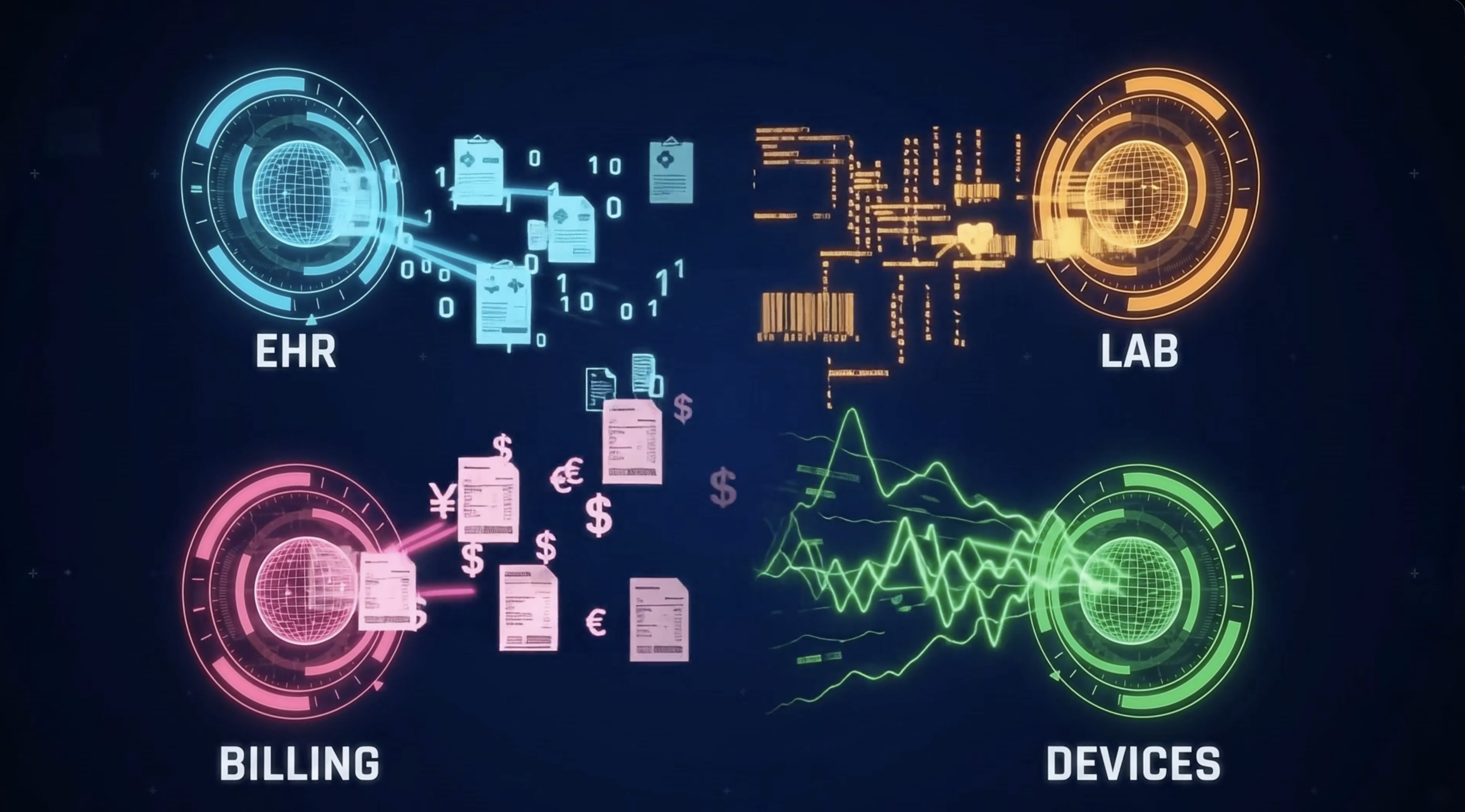
Ransomware attacks on the healthcare sector catapulted to 128 percent year-over-year in 2023, and the recent attack on Change Healthcare compromised health-care information of an estimated 100 million people. Healthcare is heavily dependent on connected systems, and providers often cannot recover from long disruptions.
Prioritizing the safe and legal exchange of patient data is important given the growth of digital healthcare. In order to preserve patient privacy and ensure data security, HIPAA regulations govern the sharing of healthcare data, particularly when it comes to integrating healthcare IT. Respecting HIPAA rules helps to foster trust between patients, healthcare providers, and other stakeholders while safeguarding private health information, or PHI.
HIPAA Regulations: A Brief Overview
HIPAA was created in 1996 and governs how health information is utilized and protected. Because healthcare organizations are increasingly using digital records and data interchange systems, the law places strict restrictions on how PHI is managed, particularly when it is in electronic form (ePHI).
Essential Elements of HIPAA Rules:
Privacy: It controls how PHI is used and disclosed, protecting patient rights.
Security: It requires administrative, physical, and technical protections for electronic protected health information (ePHI).
Breach Notification: Mandates that healthcare entities must inform both impacted individuals and the Department of Health and Human Services (HHS) if there is a data breach.
Enforcement: Offers direction on enforcing HIPAA, specifying consequences and steps for failure to comply.
Why HIPAA Compliance is Essential in Healthcare IT Integration
Integrating IT systems across healthcare providers, insurers, and other organizations presents risks, particularly regarding unauthorized access to sensitive patient information. Here’s why HIPAA compliance is essential in healthcare IT integration:
- Protecting Patient Privacy: Compliance ensures that PHI remains protected during data exchange processes. Each time data is accessed, shared, or transmitted, it must adhere to HIPAA standards to prevent unauthorized disclosure.
- Minimizing Data Breach Risks: HIPAA-compliant systems utilize encryption, secure transmission protocols, and robust authentication measures to mitigate risks. Healthcare integration solutions, such as BridgeGate Health, implement security practices that protect data integrity and confidentiality.
- Supporting Interoperability: Effective interoperability is essential to efficient healthcare delivery. HIPAA-compliant interoperability solutions ensure secure patient data flow between providers, laboratories, and insurers without compromising patient privacy.
Implementing HIPAA Compliance in Healthcare Data Exchange
Healthcare organizations must adhere to stringent guidelines for processing and preserving ePHI in order to ensure compliance with HIPAA standards, particularly when integrating several IT systems. To guarantee HIPAA compliance, the crucial actions listed below must be completed:
1. Risk Assessment and Mitigation
A 2021 HHS report identified cybersecurity risks in 85% of healthcare systems. Conducting regular risk assessments helps healthcare organizations identify vulnerabilities within their data exchange processes, including storage, transmission, and access points. Based on the findings, organizations can take proactive steps to address and mitigate these risks.
2. Access Controls
Only authorized personnel should have access to PHI, controlled through multi-factor authentication and role-based permissions. This minimizes the risk of unauthorized access to sensitive data during healthcare IT integration.
3. Encryption and Secure Transmission
HIPAA mandates encryption as a critical safeguard to protect data during transmission across IT systems. Using secure communication protocols, such as TLS (Transport Layer Security), adds another layer of security, ensuring compliance during healthcare data exchanges.
4. Training and Awareness
The HHS reports that nearly 59% of data breaches involve insider negligence. Staff training is a critical component of HIPAA compliance, ensuring employees understand the importance of protecting PHI. Regular training ensures personnel understand their responsibilities in handling sensitive data within integrated healthcare systems.
5. HIPAA-Compliant IT Solutions
Utilizing HIPAA-compliant healthcare integration solutions like BridgeGate Health ensures that organizations adhere to data protection regulations while enabling seamless data exchange across healthcare systems. These solutions are designed to support compliance and security, reducing the risk of non-compliance during IT integration.
Real-World Consequences of Non-Compliance
Failure to adhere to HIPAA rules for exchanging healthcare data can result in significant fines. During the year 2021, the Office for Civil Rights (OCR) enforced fines exceeding $13.3 million for violations of HIPAA. Moreover, mishandling of data leading to breaches of patient trust can result in long-lasting consequences like decreased patient numbers and diminished credibility.
Conclusion: Securing the Future of Healthcare Data Exchange
In light of frequent data breaches and the growing complexity of healthcare IT integration, upholding HIPAA compliance is essential for safe healthcare data exchange. Healthcare organizations can safeguard patient data, lower risks, and increase trust in online healthcare services by diligently following HIPAA regulations.For a deeper dive into how to integrate healthcare systems effectively while maintaining regulatory compliance, refer to our previous article, Ensuring Data Security in Healthcare Integration, which explores additional strategies and best practices.