Introduction
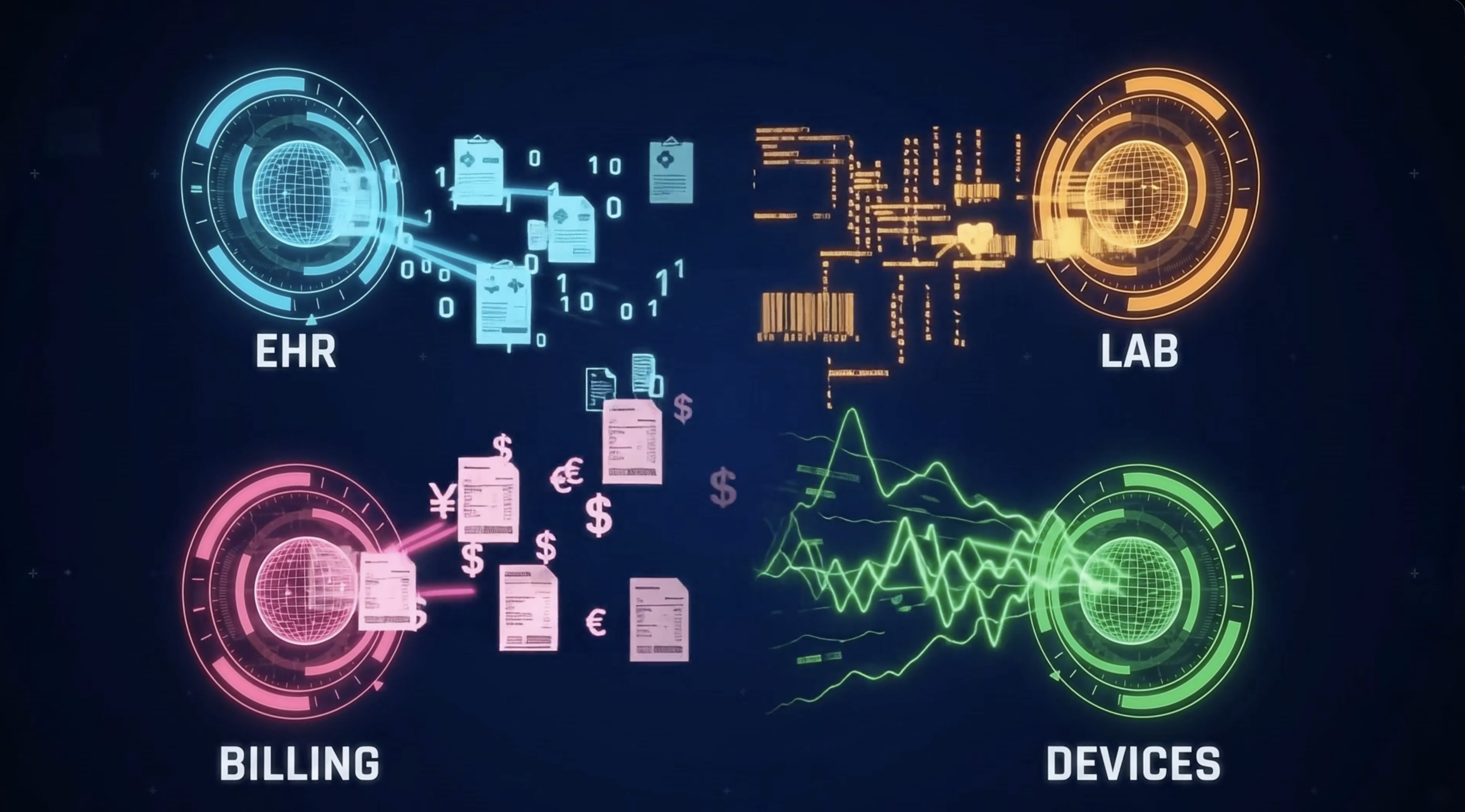
When a bedside monitor shoots vitals straight into the EHR, you feel the pulse of a truly connected hospital. That seamless flow is what we call medical device data integration. It’s more than a tech buzzword; it’s a lifeline for clinicians who need accurate numbers in real time. In this guide I’ll walk you through why integration matters, the hurdles you’ll hit, and the playbook for picking a platform that won’t lock you into a single vendor.
The Rise of Connected Medical Devices
Over the last five years the number of IoT?enabled devices in hospitals has exploded. From wearable glucose sensors to ICU ventilators, we’re looking at roughly 30?% annual growth in installed units. That surge is fueled by the promise of faster diagnosis, lower readmission rates, and smarter staffing decisions.
Consider a typical cardiac ICU. A patient’s heart rhythm, arterial pressure, and medication infusion rate are all captured on separate machines. A decade ago each device whispered its data onto a paper chart. Today those same signals can be aggregated in seconds, alerting a nurse before a crisis even appears on the monitor.
And the benefits ripple beyond the bedside. Hospital administrators see reduced length of stay—average savings of 0.8 days per admission—when clinicians have a full picture at their fingertips. That translates into millions of dollars for a 400?bed facility.
Integration Challenges
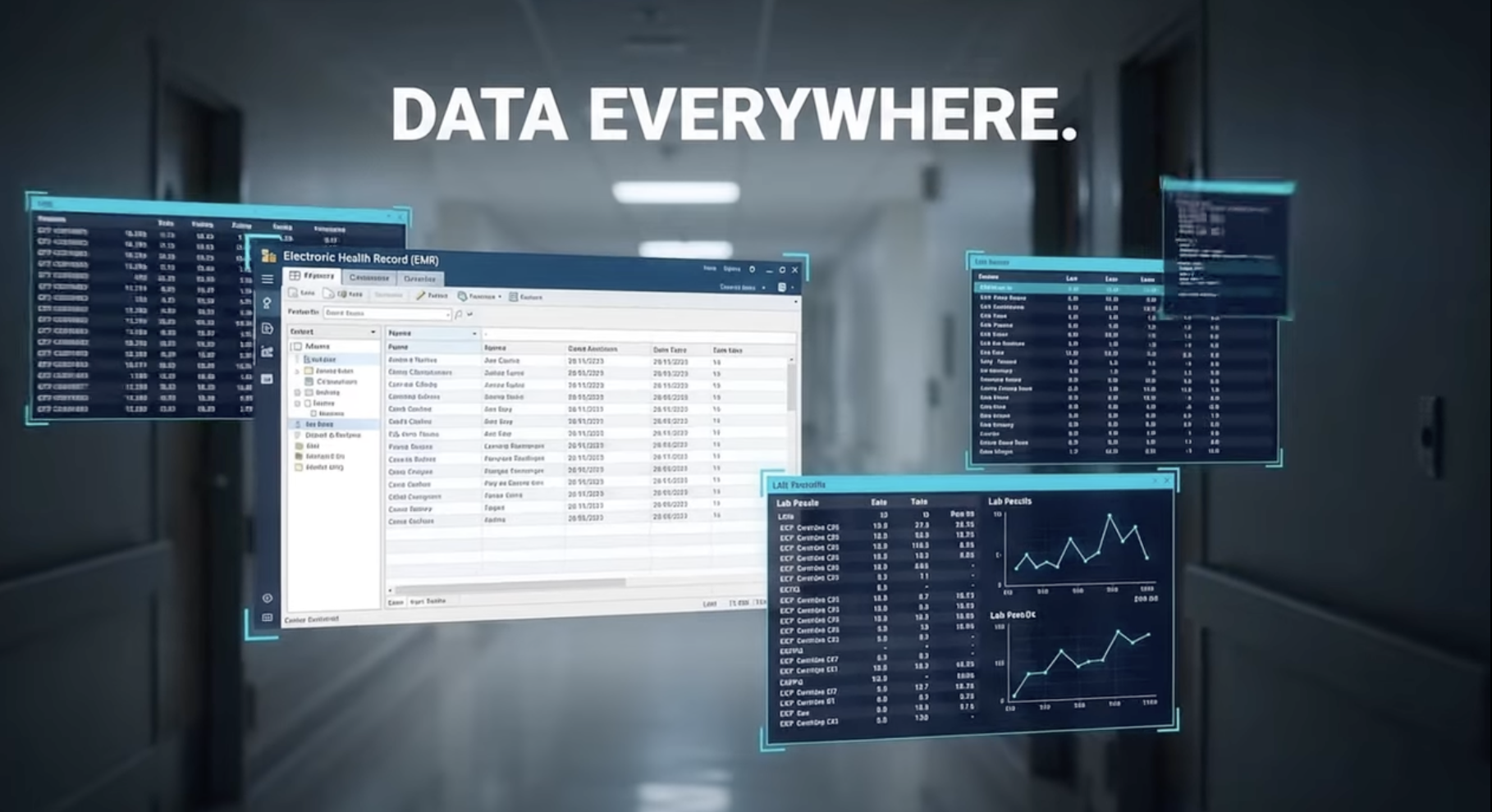
But getting every monitor, pump, and wearable to talk to your EHR isn’t a walk in the park. The first obstacle is data silos. Vendors ship devices with proprietary protocols, leaving IT teams stitching together dozens of adapters.
Latency is another pain point. In a trauma bay, a delay of even five seconds can mean the difference between life and death. Yet many middleware solutions batch data every minute, which is fine for billing but not for critical care.
Vendor lock?in also looms large. If your platform only speaks one manufacturer’s language, you’ll pay premium upgrade fees and miss out on innovative devices that could improve outcomes.
Now throw security into the mix. Each new connection opens a potential entry point for attackers, and HIPAA demands encryption and audit trails for every byte of patient information.
Standards and Protocols
Fortunately, the industry has rallied around a handful of standards that act like a universal translator.
HL7 Device Data
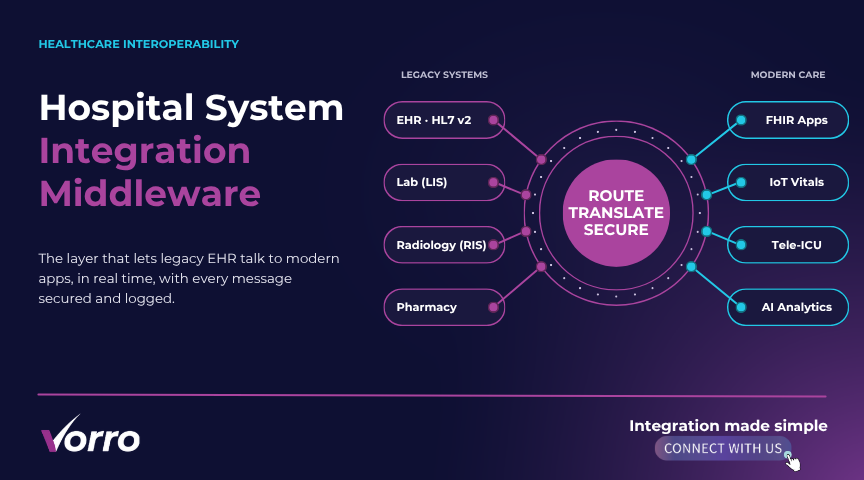
The HL7 family, especially version 2.x, has been the workhorse for sending device readings into hospital information systems. It defines message segments for vitals, lab results, and alerts. When you see “HL7 device data” on a spec sheet, you know the vendor is speaking the same language as most EHRs.
FHIR
Fast Healthcare Interoperability Resources (FHIR) is the younger sibling, built on modern web APIs. FHIR lets you pull device data as lightweight JSON objects—perfect for mobile apps and remote patient monitoring integration.
IEEE 11073
For bedside equipment, IEEE 11073 specifies how devices encode measurements. Think of it as the grammar that ensures a pulse oximeter’s SpO? reading is interpreted the same way by a ventilator and a central dashboard.
DICOM
Imaging devices still rely on DICOM, but the standard now supports waveforms from ECG and ultrasound machines, allowing radiologists to view real?time physiological data alongside images.
Connectivity Options
Bluetooth Low Energy, Wi?Fi, and wired Ethernet each have a role. BLE shines for wearables that need to conserve battery, while Ethernet offers the rock?solid bandwidth needed for high?resolution waveform streaming in the OR.
What to Look for in a Platform
Choosing a platform is like picking a partner for a marathon—you need endurance, flexibility, and a shared commitment to the finish line.
- Scalability: Can you add 200 new monitors without a hardware refresh? Look for cloud?native architectures that auto?scale.
- Vendor Neutrality: Platforms such as Philips Capsule, Ascom, and Lifepoint provide a common data bus that accepts inputs from any manufacturer.
- Real?Time Capability: Sub?second latency is a must for ICU alerts. Verify that the solution streams data rather than batch?processing.
- Remote Patient Monitoring Integration: If you plan to extend care beyond the hospital walls, the platform should expose APIs that home?care teams can consume.
- Security Features: End?to?end encryption, role?based access controls, and immutable audit logs keep you on the right side of HIPAA.
- Support for AI Edge Computing: Some modern platforms offload analytics to edge nodes, reducing bandwidth and delivering instant decision support.
Benefits of Real?Time Device Data Integration
When data flows without friction, clinical efficiency soars. Nurses spend 15?% less time hunting down missing vitals, and physicians get a consolidated view that cuts order entry time by roughly 20?%.
Patient safety jumps up too. Automated cross?checks between infusion pump rates and medication orders catch dosing errors before they reach the bedside. In one multicenter study, such checks reduced medication errors by 30?%.
And the financial upside can’t be ignored. A hospital that reduced adverse events by 10?% saved over $1?million in liability and re?admission costs in the first year.
Vendor?Independent Platform Overview
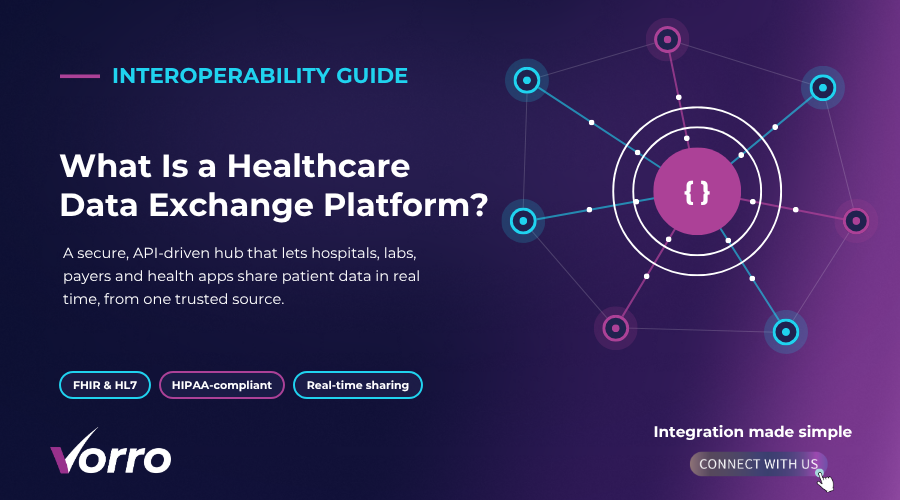
If you’ve been tangled in a single?vendor ecosystem, you’ll welcome a neutral platform. Philips Capsule, for example, aggregates data from over 500 device types and pushes it into any EHR via HL7 or FHIR.
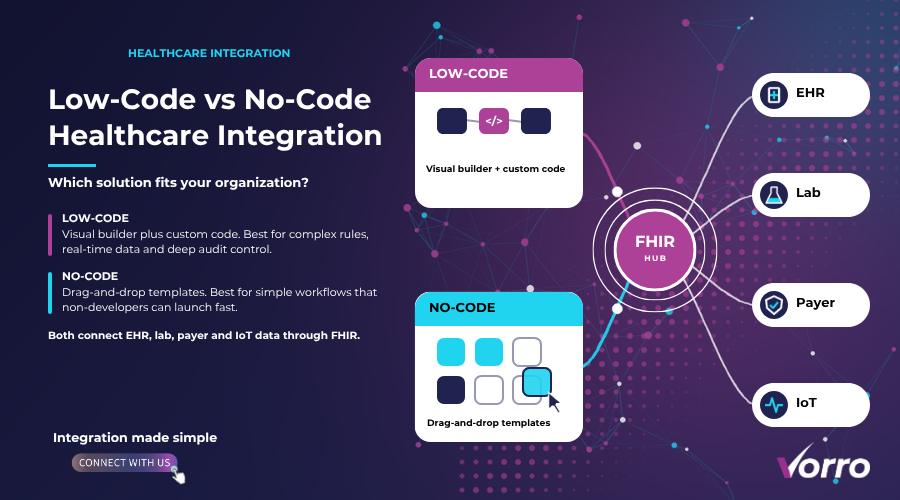
Ascom’s solution focuses on secure messaging and device discovery, letting you plug in a new infusion pump with a single configuration file. Lifepoint adds a graphical workflow builder that lets clinicians set up custom alerts—no coding required.
These platforms share three core tenets: open APIs, standardized data models, and a plug?and?play architecture that shrinks deployment time from months to weeks.
Real?World Use Cases
ICU Monitoring
At a major academic medical center, integrating bedside monitors with the EHR cut alarm fatigue by 40?% because clinicians only saw alerts that met predefined severity thresholds.
Infusion Pump Alerts
A regional health system linked its smart pumps to a central dashboard. When a pump deviated from the prescribed dosage, an alert popped up on the nurse’s mobile device, preventing a potential overdose.
Remote Patient Monitoring
During the pandemic, a home?care program equipped chronic heart failure patients with Bluetooth scales and blood pressure cuffs. Data streamed via FHIR to the hospital’s analytics platform, triggering early interventions that lowered readmissions by 18?%.
Security & Privacy Considerations
Now let’s talk about the elephant in the room: security. Every extra data pipe is a potential breach vector, and regulators aren’t shy about penalizing lapses.
First, encrypt data in transit using TLS?1.3 and at rest with AES?256. Second, implement strong authentication—multi?factor is the baseline for any device that talks to your network.
Role?based access controls ensure that only authorized clinicians can view or modify device settings. And don’t forget immutable audit logs; they give you a forensic trail if something goes sideways.
HIPAA demands that any PHI transmitted from a device be protected, and the FDA’s pre?market guidance now expects manufacturers to embed security features from day one. Partner with vendors who can provide documented compliance evidence.
Regulatory Landscape
The FDA’s Medical Device Interoperability Guidance, updated in 2023, outlines three key expectations: clear data standards, reliable cybersecurity, and comprehensive post?market surveillance.
To stay on the right side of the law, start with a gap analysis against those criteria. Validate that your integration platform can generate the required traceability reports for each device data stream.
Don’t overlook state?level privacy laws either. California’s CCPA adds an extra layer of consent requirements for remote monitoring data, so your consent workflow must be adaptable.
Future Trends: AI?Driven Analytics and Edge Computing
What’s next after you’ve got data flowing? AI. Machine?learning models can sniff out subtle patterns—like a gradual rise in respiratory rate that precedes sepsis—far sooner than a human eye.
Edge computing brings those algorithms closer to the source. Imagine a ventilator running a lightweight model that alerts the clinician of impending hypoxia without sending raw waveforms to the cloud.
By 2028, analysts predict that 60?% of hospitals will have at least one AI?enabled edge node handling device data, turning raw numbers into actionable insights in real time.
Implementation Roadmap
Here’s a step?by?step plan that takes you from “just curious” to fully integrated.
- Assessment: Inventory every device that generates clinical data. Map current data flows and identify gaps.
- Vendor Selection: Score platforms against the criteria we discussed—scalability, neutrality, security, and AI readiness.
- Pilot: Choose a low?risk unit, like a step?down ward, and integrate a handful of monitors. Measure latency, data integrity, and user satisfaction.
- Full Rollout: Expand in phases, prioritizing high?impact areas such as the ICU and operating rooms.
- Monitoring & Optimization: Set up dashboards to track key performance indicators—data loss rate, alert response time, and compliance audit logs.
- Continuous Improvement: Feed real?world usage data back into your AI models and update security patches on a quarterly cadence.
Stick to this roadmap and you’ll avoid the common pitfalls that turn integration projects into costly black holes.
Frequently Asked Questions
How does medical device data integration differ from traditional HL7 messaging?
Traditional HL7 often deals with administrative events like admissions. Medical device data integration focuses on high?frequency physiological streams, requiring tighter latency and more robust security.
Can I integrate wearable devices with my existing EHR?
Yes. Most modern platforms expose FHIR endpoints that accept wearable data. You’ll need to map the device’s metric IDs to the EHR’s observation fields, but the process is largely plug?and?play.
What steps should I take to ensure HIPAA compliance?
Encrypt data, enforce role?based access, maintain audit logs, and obtain documented Business Associate Agreements from all vendors handling PHI.
Is it worth investing in edge computing for device data?
If you’re dealing with high?volume, time?critical streams—think real?time waveform analysis—the latency savings can be decisive. Edge nodes also reduce bandwidth costs.
How often should I update my integration platform?
At a minimum quarterly for security patches. Major version upgrades should align with your hospital’s change?management calendar, typically twice a year.
Putting it all together, medical device data integration isn’t just a tech upgrade; it’s a strategic move that lifts patient safety, boosts clinician efficiency, and opens the door to AI?driven care. By tackling standards, security, and a clear implementation roadmap head?on, you’ll turn a tangled mess of devices into a harmonious, data?rich ecosystem that serves both patients and providers.