It all began with the sneakernet. If we needed to get data moved from one person to the other, it was delivered on foot. That meant it could take a long time to send/receive data. The positive aspect was that one could send and receive it as is. Secondly, you did not have to create a new document in a different format to send it. The information was photocopied and sent, it was that easy. There were no issues with sending data in a certain format and via a specific method. How nice would it be to have that ease and flexibility today when moving data in health care?
As we progressed, we moved to the facsimile machine. The ability to send and receive data became much quicker, however, it did present some other issues such as quality and data security concerns.
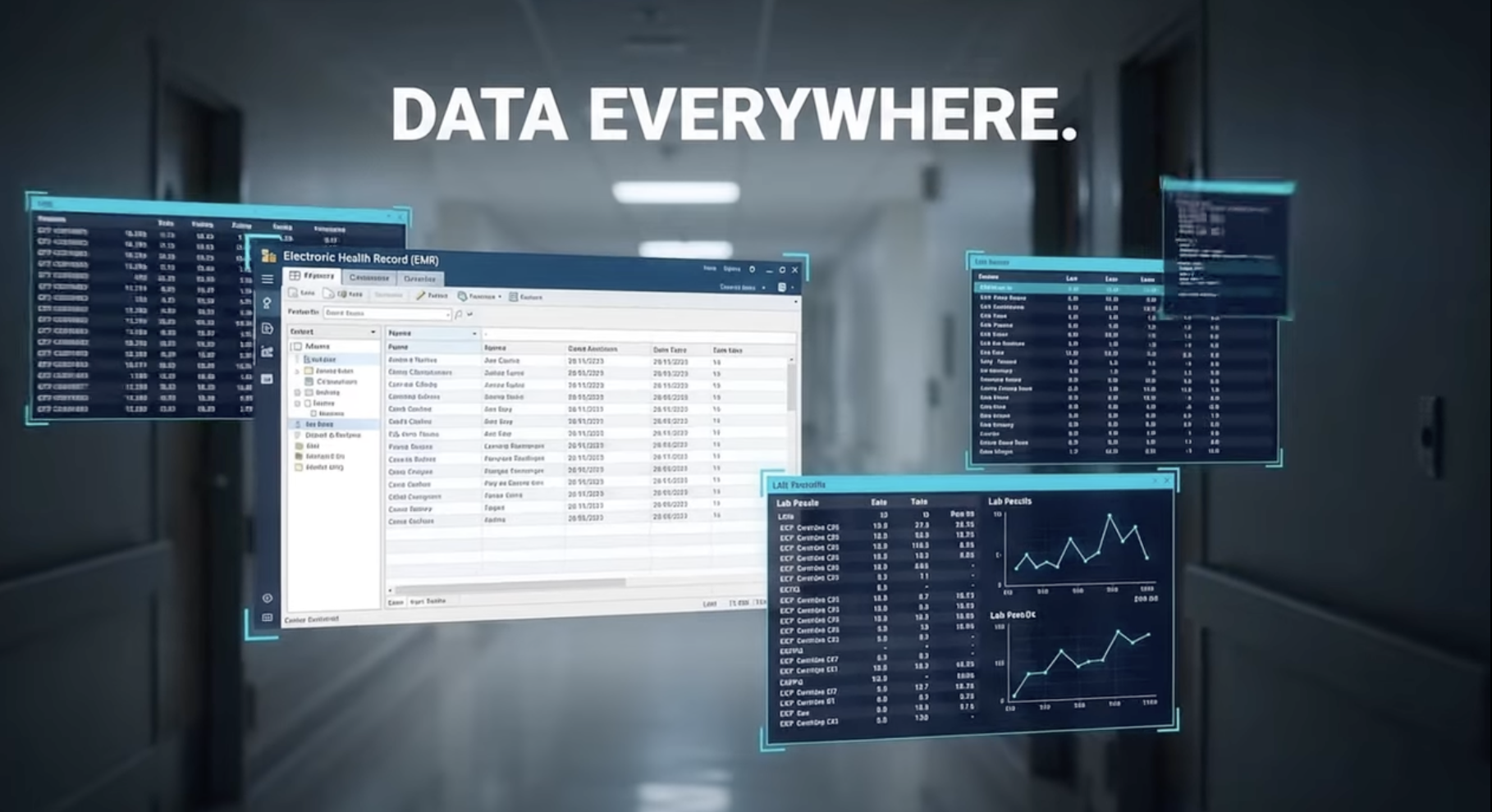
As Electronic Medical Records became popular, the ability to share data electronically became a must. Initially, there were no standards for sharing data, and it was like the Wild West. Basically, everyone was creating and storing data specific to their needs. This was a problem because people were now faxing or copying data and just attaching images of the information. Moreover, organizations found true integration of data expensive and did not widely use it.
Jump forward to Meaningful Use and incentives to create a data-sharing environment. It sounds great, and it has moved us forward, but it still has drawbacks. To get as much data a Provider could need about a patient, the Continuity of Care Document (CCD) was created. It is a rich set of data that can be overwhelming. We hear over and over that the CCD contains too much information. Not only do you have the issue of too much data to sift through, but you also have the issue of transmitting that data from one system to the next. Because the CCD is so robust, each facility has its own version of it and requires other facilities to send it in their specific format.
Now we have FHIR, the ability to send pieces of data. This eliminates the issue of having too much data, but again, it requires everyone to send in this format.
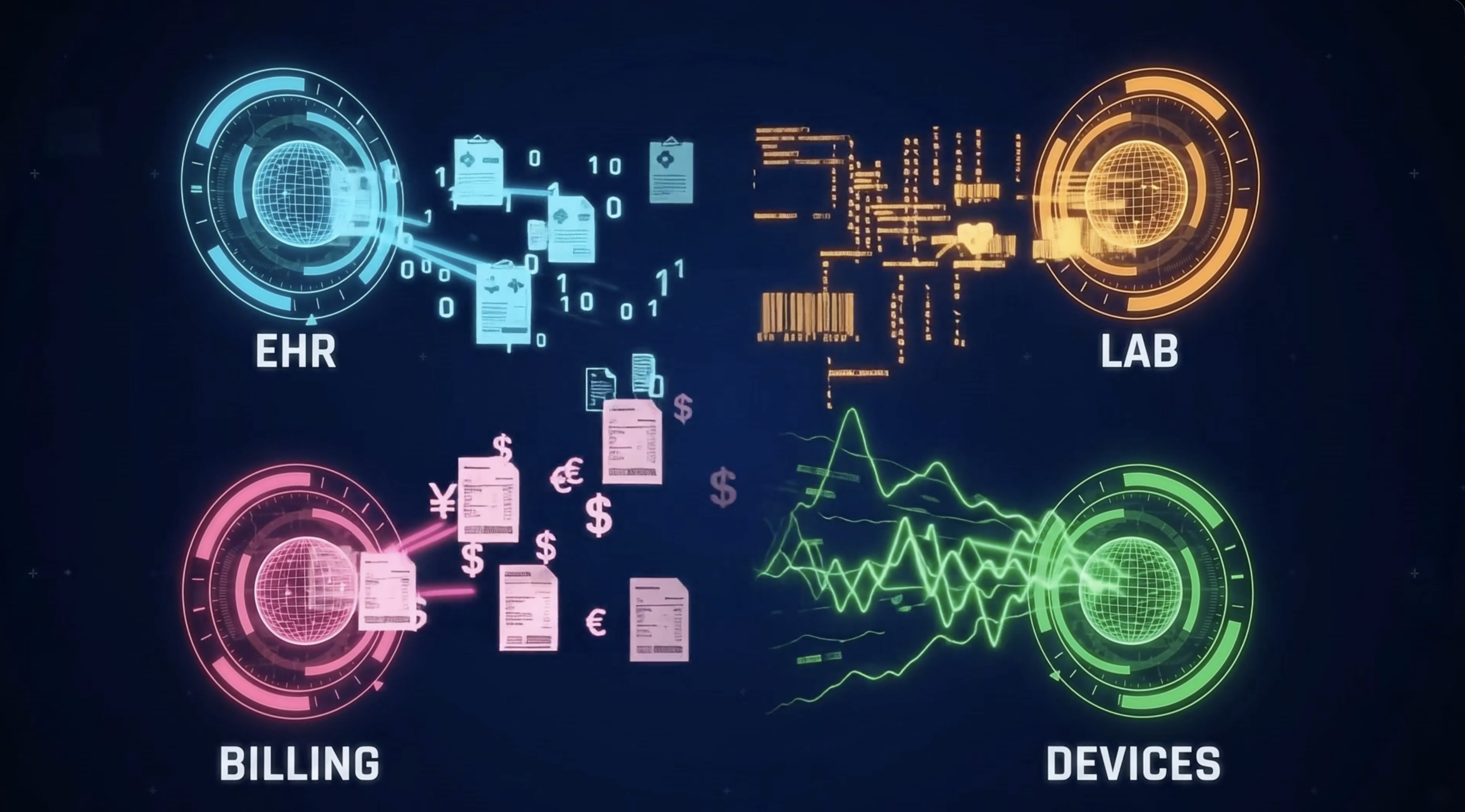
What makes this even more complex is the fact we are only talking about transmitting patient data. Take this same scenario across any data types and you run into the same situation.
As technology continues to change, organizations need to be ready. One thing for sure is when it comes to technology evolution, change is the constant.
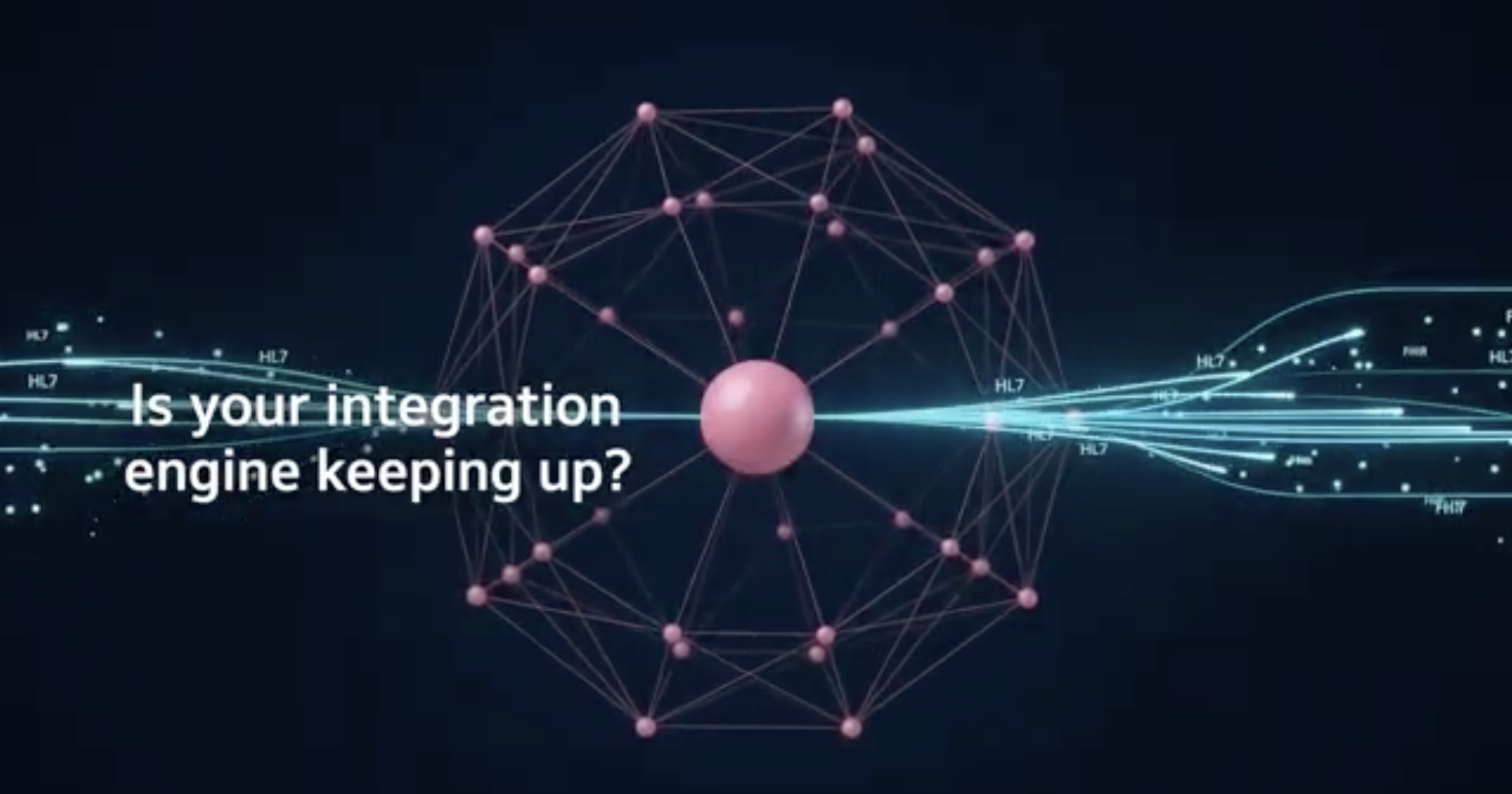
Going back to our original question, how nice would it be to have the ease and flexibility of the sneakernet? Add to that, with the ability to send and receive data quickly and in the format necessary to consume? The answer is Vorro’s BridgeGate platform.
BridgGate provides the ability to meet everyone where they are in the technology evolution. For additional information download our 5 misconceptions to Data Integrations.
Other Useful Resources
healthcare data interoperability
enterprise integration platform as a service