There has been a notable rise in the use of EiPaaS solutions in the U.S. market, especially in sectors like healthcare and finance. Evaluating the efficiency and effectiveness of integration processes is crucial for organizations worldwide, particularly when utilizing an Enterprise Integration Platform as a Service (EiPaaS). Gartner stated that by 2023, more than 65% of big companies in the U.S. were utilizing EiPaaS systems to handle their intricate integration requirements due to the demand for quicker, more dependable integration procedures and enhanced data management.
Performance metrics for integration offer insights into the status of integration systems and enable different teams-from development to operations-to enhance their workflows. These measures are especially important in the United States, as strict regulations and competitive markets require top-notch data accuracy, speed, and security. Here, we examine the main categories of metrics for integration performance that various teams need to track, focusing specifically on the U.S. market.
1. Integration Development Teams: Continuous Integration Performance Metrics
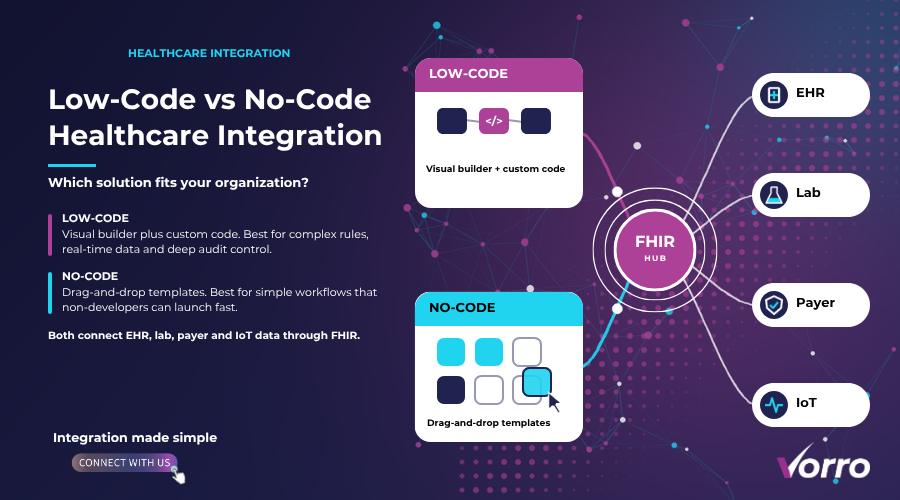
For development teams, the focus is on metrics that ensure users are provided access to the information they need when they need it. An effective integration platform has to enable any-to-any integration capabilities, ideally offered in the form of drag-and-drop visual workflow builder. This will assist in seamlessly addressing ever-changing regulatory, financial and transactional data requirements.
Rapid implementation: With no-code integration solutions, implementation is rapid and seamless, unlocking more time for the business to focus on future outcomes.
Faster Operations: Coding teams are often hassled for time and quality, especially when businesses are dealing with multiple priorities. A no-code solution elevates the speed needed for testing and production, to ensure smoother and faster operations.
Iterative approach to integration: No-code solutions also enable incremental feature updation using a module-based structure, ensuring no interruption to business processes even as new components are getting integrated into the network.
Rightsizing existing investment: Existing investment in technology stacks can be optimized and rightsized as per forecasted business growth. This helps deploying development teams to focus on future-proof applications and management of the stack.
Optimized build time: The time required to finish a build is an important measure of the effectiveness of the integration platform . A no-code solution saves build time optimizing resources and production timelines through pre-built templates and accelerators.
As per a Gartner report from 2023, American companies who upheld strong CI performance standards managed to cut their time to market by 20%, gaining a competitive advantage in the rapidly evolving tech sector.
2. Operations Teams: Integration Performance Metrics
The responsibility of operations teams is to guarantee the smooth operation of integration systems, free from bottlenecks or failures. Important factors to consider for these teams are:
- Throughput of transactions: This metric calculates the rate of integration transactions processed in one second. High speed is crucial in order to sustain system efficiency during periods of high demand.
- Rate of errors: The proportion of unsuccessful transactions or errors in integration compared to the total number of transactions is an important measure. A small number of mistakes suggests a dependable and consistent integration process.
- Latency: refers to the time required for a transaction to be processed fully, from initiation to completion. Reduced latency is essential in real-time integrations, as delays can affect user experience and business operations.
- System Uptime: Maintaining a high level of uptime is crucial for the uninterrupted operation of businesses, particularly in industries such as healthcare and finance.
- Audit Trail: In order to identify and fix errors, the user must be able to search and audit any transactions. This helps maintain compliance while mitigating production deficiencies.
In the U.S. healthcare industry, keeping low latency and high uptime is considered a top priority due to the importance of real-time data integration in patient care. A report by Gartner in 2023 pointed out that healthcare organizations that improved these metrics experienced a 15% enhancement in patient results as a result of quicker access to crucial information.
3. Business Teams: Value-Based Integration Metrics
For business teams, the emphasis is on metrics that show the worth and ROI of integration endeavors. These measurements justify the expenses of integration initiatives and guarantee they are in line with business goals.
- The Cost per Integration metric measures the overall cost for every integration transaction or operation. Reducing the cost of each integration while maintaining high quality is an important goal for numerous American companies.
- Return on Integration Investment (ROII) is a more comprehensive measure that evaluates the financial return produced by integration projects in comparison to the initial investment. A strong return on integration investment highlights the substantial value being provided to the company by the integration efforts.
- Customer Satisfaction: Monitoring customer satisfaction scores can offer valuable insights into the effectiveness of integrations that affect customer interactions. Frequent correlation exists between high customer satisfaction and smooth, effective integration processes.
- Time to Value: The period required for an integration project to provide tangible benefits to the business is an important measure. Shorter timeframes for achieving value are favored as they signify quicker attainment of benefits.
Conclusion
Performance metrics for integration are important for various teams within a company, offering the information necessary to improve operations, cut expenses, and boost business results. Understanding and monitoring the correct metrics is essential for both development teams concentrating on continuous integration performance metrics and operations teams overseeing system uptime. For companies using EiPaaS, these metrics are extremely important while they deal with the difficulties of modern integration issues. US companies can enhance their operational efficiency and stay ahead in their industries by linking these metrics with business objectives.