By Akshita Kohli · August 25, 2025
In today’s digital age, healthcare is rapidly evolving. With the increasing amount of data being generated by hospitals, clinics, and other medical facilities, ensuring that data is seamlessly integrated across systems has become paramount. The importance of data integration in healthcare cannot be overstated, as it directly impacts both patient care and the operational efficiency of healthcare providers.
As healthcare systems become more complex and diverse, integration allows for streamlined workflows, improved patient outcomes, and enhanced decision-making. In this blog, we will explore why healthcare data integration is so crucial, how it improves patient care, and how it drives operational efficiency. Additionally, we’ll touch on the role of healthcare integration software in ensuring smooth data sharing and management across various healthcare platforms.
- The Growing Need for Data Integration in Healthcare
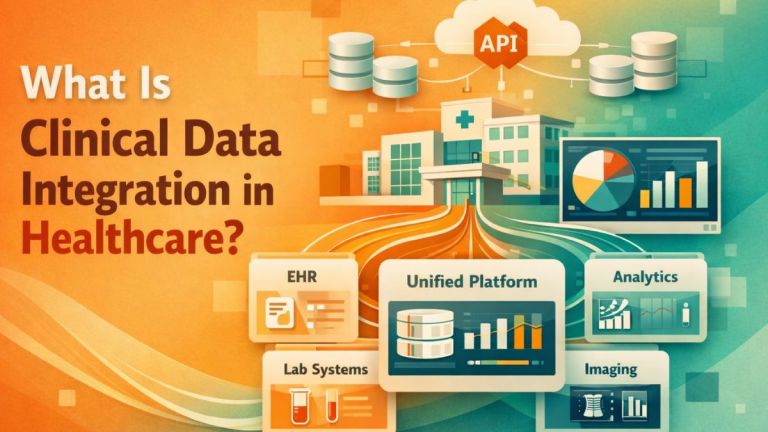
Healthcare organizations are often dealing with vast amounts of data from various sources: electronic health records (EHRs), lab results, patient monitoring systems, and even wearable health devices. However, these data sources often exist in silos, making it difficult to get a comprehensive view of a patient’s health.
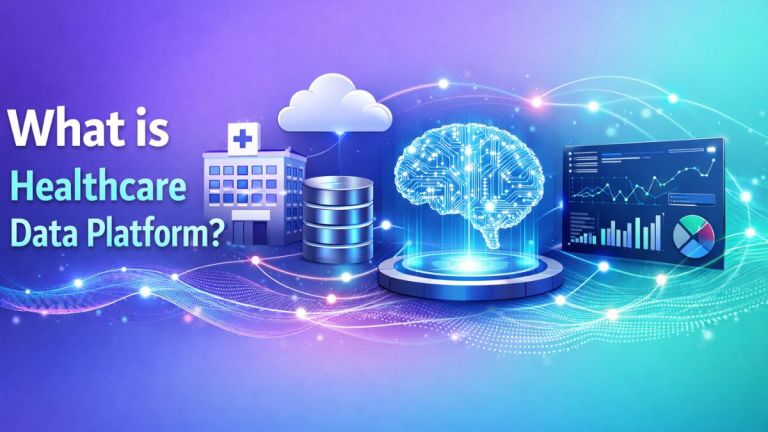
Healthcare data integration enables all of this information to be aggregated in a unified platform, offering healthcare providers a holistic view of the patient. It ensures that healthcare providers have access to the most accurate and up-to-date data, leading to more informed decision-making and better care delivery.
By leveraging integrated systems, healthcare organizations can reduce the time spent on manual data entry, eliminate redundancies, and streamline processes across departments. This not only saves valuable time but also helps avoid errors that can occur due to fragmented data.
- Enhancing Patient Care with Seamless Data Sharing
One of the primary benefits of data integration in healthcare is its ability to improve patient care. When healthcare data is integrated across systems, providers have immediate access to comprehensive patient information, which is critical for accurate diagnosis, treatment planning, and follow-up care.
For example, what is data integrity in healthcare? Data integrity ensures that patient information is accurate, consistent, and up-to-date. Without integrated systems, doctors may not have access to important medical history, medication details, or recent test results, which can result in misdiagnosis or delayed treatments.
By integrating health data from different departments and external systems (e.g., pharmacies, labs, and specialists), healthcare professionals can have the most complete picture of a patient’s health. This leads to:
- Better diagnosis and treatment: Access to a full medical history allows for more accurate diagnoses and personalized treatment plans.
- Fewer medical errors: Integrated systems reduce the risk of medication errors, missed diagnoses, and incorrect treatments.
- Timely interventions: Real-time access to data allows healthcare providers to make quick decisions, improving patient outcomes.
- Boosting Operational Efficiency in Healthcare Organizations
The importance of data integration is not limited to improving patient care, it also significantly enhances the operational efficiency of healthcare organizations. When data is not integrated, healthcare providers face challenges such as data duplication, delays in accessing information, and inefficient workflows.
With integrated data, healthcare organizations can streamline administrative and clinical workflows, leading to several operational benefits:
- Improved resource management: Integrated systems allow healthcare organizations to manage resources (e.g., staffing, medical equipment) more effectively by providing real-time insights.
- Cost savings: By reducing errors, redundancies, and inefficiencies, data integration leads to lower operational costs.
- Faster decision-making: With real-time access to data, healthcare providers can make quicker decisions, whether in clinical settings or administrative functions.
For instance, how to measure data quality becomes easier with integration. Healthcare organizations can monitor and maintain data quality more effectively, ensuring that the data used for decision-making is accurate and consistent.
- Streamlining Data Integrity in Healthcare
Data integrity in healthcare is critical for maintaining accurate patient records and ensuring compliance with healthcare regulations such as HIPAA. Integrated data systems help maintain the integrity of patient data by reducing the risk of human errors and improving data consistency.
When healthcare providers use multiple disconnected systems, the risk of data errors increases. This could include missing or incorrect data, data duplication, or outdated information, which compromises the integrity of patient records.
With healthcare integration software, organizations can implement strict data validation and monitoring processes, ensuring that only accurate, up-to-date information is used for decision-making. This significantly enhances the overall quality and reliability of patient care.
- Improving Collaboration Between Healthcare Providers
Healthcare providers, be it doctors, nurses, specialists, or other medical professionals, must work together to deliver optimal patient care. Data integration plays a crucial role in improving collaboration by enabling seamless information sharing across different departments, specialties, and facilities.
When health data is integrated, it allows providers to:
- Share patient information securely in real-time.
- Collaborate more effectively on treatment plans.
- Reduce the need for patients to repeatedly provide their medical history, improving their experience and saving time.
Integrated systems can also facilitate the transfer of data between different care settings, such as from a hospital to a primary care physician or from a lab to a specialist, ensuring continuity of care.
- The Role of Healthcare Integration Software
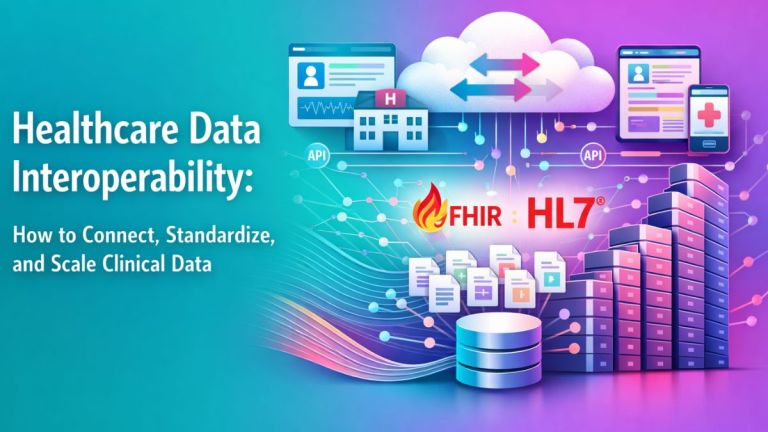
To achieve seamless data integration in healthcare, organizations need advanced tools and platforms that can connect disparate systems. This is where healthcare integration software comes into play. Healthcare integration software streamlines the process of connecting different healthcare systems, ensuring that data flows smoothly between platforms and departments.
These software solutions automate data transfers, reduce the risk of human error, and provide real-time access to patient information. By implementing integration software, healthcare organizations can enhance their operations, improve patient outcomes, and maintain the highest level of data integrity.
Conclusion :
The importance of data integration in healthcare cannot be overstated. By integrating disparate data systems, healthcare organizations can enhance patient care, improve operational efficiency, and ensure data integrity. The ability to share accurate, real-time patient information enables healthcare providers to make better decisions, reduce errors, and collaborate more effectively.
As the healthcare industry continues to evolve, integrating data across systems will be essential for providing high-quality, efficient care. Investing in healthcare integration software is a critical step toward achieving these goals, paving the way for a more connected, efficient, and patient-centered healthcare system.