By vorromktgcv3 · July 1, 2024
In a time when data reigns supreme, the landscape of customer data integration is experiencing a seismic shift. With a market valuation of $12.14 billion in 2022 and an anticipated growth rate of 12.5% from 2023 to 2032, the data integration industry is not just thriving—it’s changing how businesses operate and compete. This explosive growth and the rising influence of artificial intelligence emphasizes a critical truth: effective customer data integration has become the cornerstone of business success in the digital age.
Consider this: Forbes states that 95% of businesses cite managing unstructured data as a massive organizational challenge. As the volume and complexity of data continue to surge, the ability to seamlessly integrate and leverage this information has become a make-or-break factor for businesses across industries.
What is customer data integration?
Customer data integration (CDI) consolidates and organizes customer information from various data sources into a consolidated view. It provides a 360-degree view of customers – their preferences, behaviors, interactions, and potential future needs. By breaking down data silos and creating a single source, CDI empowers organizations to make informed decisions, personalize interactions, and drive meaningful customer engagement across all touchpoints.
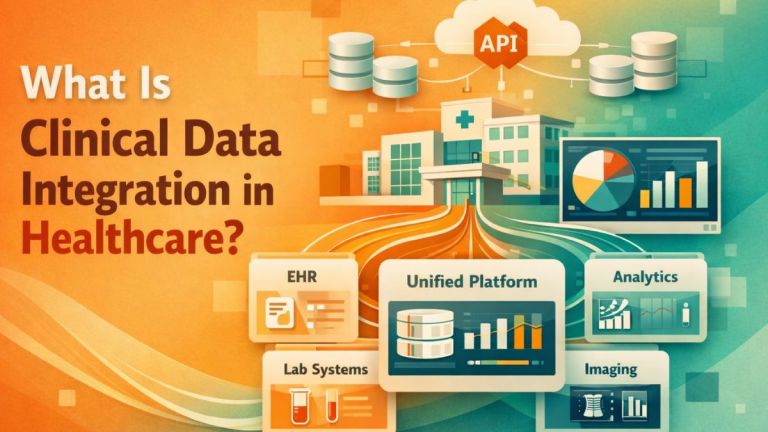
For example, Customer Data Integration (CDI) in the healthcare sector can be exemplified by a hospital integrating patient data from various sources. The hospital collects information from electronic health records (EHRs), lab results, imaging reports, patient interactions, and wearable health devices.
This data is consolidated into a unified system, ensuring accuracy and completeness. By integrating this data, healthcare providers gain a comprehensive view of each patient’s health, enabling personalized treatment plans, improved patient outcomes, and efficient care coordination.
The integration also supports accurate billing, enhances patient experience, and facilitates data-driven decision-making in clinical practices.
Importance of Effective Customer Data Integration
Effective Customer Data Integration ensures accurate, comprehensive customer profiles, enhancing personalized service, targeted marketing, and decision-making. It improves data quality, operational efficiency, and customer satisfaction while supporting compliance and strategic business growth.
Improved customer experience through a unified view of customer data
Imagine walking into your favorite coffee shop, and before you even open your mouth, the barista starts preparing your usual order. That’s the personalized experience effective customer data integration can deliver but on a much grander scale.
Businesses can create an extensive customer profile by consolidating customer information from various touchpoints – website visits, purchase history, support interactions, and more. This level of personalization can significantly improve customer satisfaction, loyalty, and, ultimately, the overall customer experience.
Enhanced business intelligence and data-driven decision-making
Customer data integration plays a crucial role in enhancing business intelligence. By combining data from multiple sources, businesses can uncover patterns, trends, and correlations that might remain hidden.
This comprehensive view of customer behavior and preferences provides rich, actionable insights. These insights can inform strategic decisions across all levels of the organization, from optimizing marketing campaigns to identifying new market opportunities.
Increased operational efficiency and reduced data management costs
Remember the days of manually cross-referencing spreadsheets and praying for accuracy? With adequate integrated customer data, those days will soon be outdated. Businesses can significantly boost operational efficiency by centralizing and automating data management processes. This streamlined approach saves time and cuts down on data management costs. Integrated data systems also allow easier access to information across the organization, reducing the time and resources spent on data retrieval and analysis.
Forecast sales and industry trends
If predicting the future were easy, we’d all be winning lotteries. While customer data integration can’t entirely give you tomorrow’s winning numbers, it can provide the next best thing – the power to forecast sales and industry trends accurately.
Businesses can make educated predictions about future sales and potential market shifts by analyzing historical data and customer behavior patterns. This predictive capability allows organizations to be proactive rather than reactive in their strategic planning, enabling businesses to anticipate changes in customer demands and stay ahead of industry trends.
Challenges of Customer Data Integration
Integrating customer data is vital for business insights but comes with its fair share of hurdles. Here are some of the challenges:
Siloed data across multiple systems and applications
Picture this: Your sales team is working with one set of customer data, marketing is using another, and customer service has a third version. It’s like three blindfolded people trying to describe an image – each has part of the picture, but no one has the whole truth.
This challenge of siloed data is a common headache. Different departments often use specialized systems that don’t play well with others, creating isolated pockets of information. Breaking down these silos requires not just technical solutions but also a shift in organizational culture toward data sharing and collaboration.
Inconsistent data formats and quality issues
Inconsistent data formats across different systems can complicate the integration process. One system might store dates as MM/DD/YYYY, another as DD-MM-YY, and a third might get fancy with YYYY-MM-DD. And that’s just dates! Add in varying field names and different units of measurement, and you have a mess.
Ensuring data quality and consistency across all sources is crucial for effective integration, but it’s also one of the most challenging aspects. It requires careful conversion and standardization of data from various sources to create a cohesive and reliable integrated dataset.
Lack of real-time data synchronization
In today’s rapidly changing business environment, timely data is crucial. The challenge of achieving real-time or near-real-time data synchronization across all systems is significant. Without up-to-date information, decisions may lead to missed opportunities or misguided strategies.
Protecting sensitive customer information
At a time when data breaches make headlines with alarming frequency, protecting sensitive customer information is not just a challenge – it’s a critical necessity.
Customer data integration often involves consolidating and moving large amounts of personal data, which can make it a tempting target for cybercriminals.
Ensuring robust security measures, compliance with data protection regulations (General Data Protection Regulation (GDPR), California Privacy Rights Act (CPRA), and maintaining customer trust while still leveraging data for business insights is a delicate balancing act – one misstep can lead to a very public and painful fall.
Handling large volumes of data
As businesses grow and accumulate more customer data, the sheer volume can become overwhelming. Extracting meaningful insights from this data without getting lost in irrelevant information requires smart data filtering and efficient processing algorithms.
Enterprise Integration Platform as a Service (EiPaaS) as a Solution for Effective Customer Data Integration
As businesses grapple with the complexities of customer data integration strategies, Enterprise Integration Platform as a Service (EiPaaS) offers a comprehensive approach to data integration, providing a centralized platform that addresses the challenges of managing disparate data sources.
- Streamlined Integration Process: EiPaaS allows organizations to consolidate their data integration efforts into a single, cohesive system. By offering consolidated data integration and management capabilities, EiPaaS streamlines the integration process and ensures consistency and reliability across all data touchpoints.
- Unified Data Ecosystem: This solution can bridge the gap between different technologies, creating a unified data ecosystem with smooth connectivity to various data sources and applications. Such interoperability is crucial for businesses looking to break down data silos and create a comprehensive view of their customers.
- Scalable and Flexible Architecture: While businesses grow and their data volumes increase, EiPaaS’s scalable and flexible architecture can easily accommodate these changes without requiring significant overhauls or disruptions.
- Robust Data Governance and Security: Moreover, EiPaaS platforms typically include robust data governance and security features, such as advanced encryption, access controls, and compliance tools, ensuring that sensitive customer information is protected at every stage of the integration process.
- Enhanced ROI and Efficiency: Ultimately, EiPaaS solutions offer significant returns on investment by streamlining data integration processes and enabling automation, thus minimizing errors and improving operational efficiency.
Best Practices for Customer Data Integration
Effective customer data integration is crucial for businesses seeking to leverage their data assets fully. By implementing these practices, organizations can streamline their data integration strategies and maximize the value of their customer data:
Establish a Clear Data Integration Strategy
Develop a well-defined customer data integration strategy aligned with business goals. Outline objectives and expected outcomes to guide your integration platform implementation effectively.
Implement Robust Data Management Practices
Adopt data cleansing, validation, and enrichment techniques to maintain data integrity. Regularly monitor integrated customer data to eliminate duplicates and ensure accuracy across systems.
Apply Identity Resolution Techniques
Use algorithms to accurately match and merge customer records from different sources. This data integration practice reduces redundancies and ensures a unified customer view.
Integrate All Customer Data Sources
Break down data silos by connecting every customer touchpoint into a central system. This comprehensive approach to data integration strategies ensures complete and consistent customer profiles.
Customize Dashboards for Actionable Insights
Create tailored dashboards to display relevant data for different teams. This practice prevents information overload while ensuring that the integrated customer data drives business decisions.
Define Integration Goals and Metrics
Establish clear objectives for your customer data integration efforts and define metrics to measure success. Regularly assess the impact on business outcomes and refine your data integration strategies.
Plan for Future Integration Needs
Build your initial integration using a flexible platform to accommodate future applications and data sources. This foresight ensures your data integration strategy remains scalable and adaptable.
Conclusion
In a world where customer expectations are sky-high and competition is fierce, effective customer data integration is no longer a luxury—it’s a necessity. EiPaaS offers a powerful solution to the complex challenges of data integration, enabling businesses to break down silos, boost efficiency, and unlock the true potential of their customer information.
By assessing your current data landscape, establishing strong data governance, adopting a phased approach, and ensuring seamless user adoption, you can maximize the benefits of your EiPaaS investment. Organizations that embrace these integrated customer data strategies and leverage the power of EiPaaS can position themselves at the forefront of data-driven success, ready to meet their customers’ evolving needs.
For more information, Contact us!