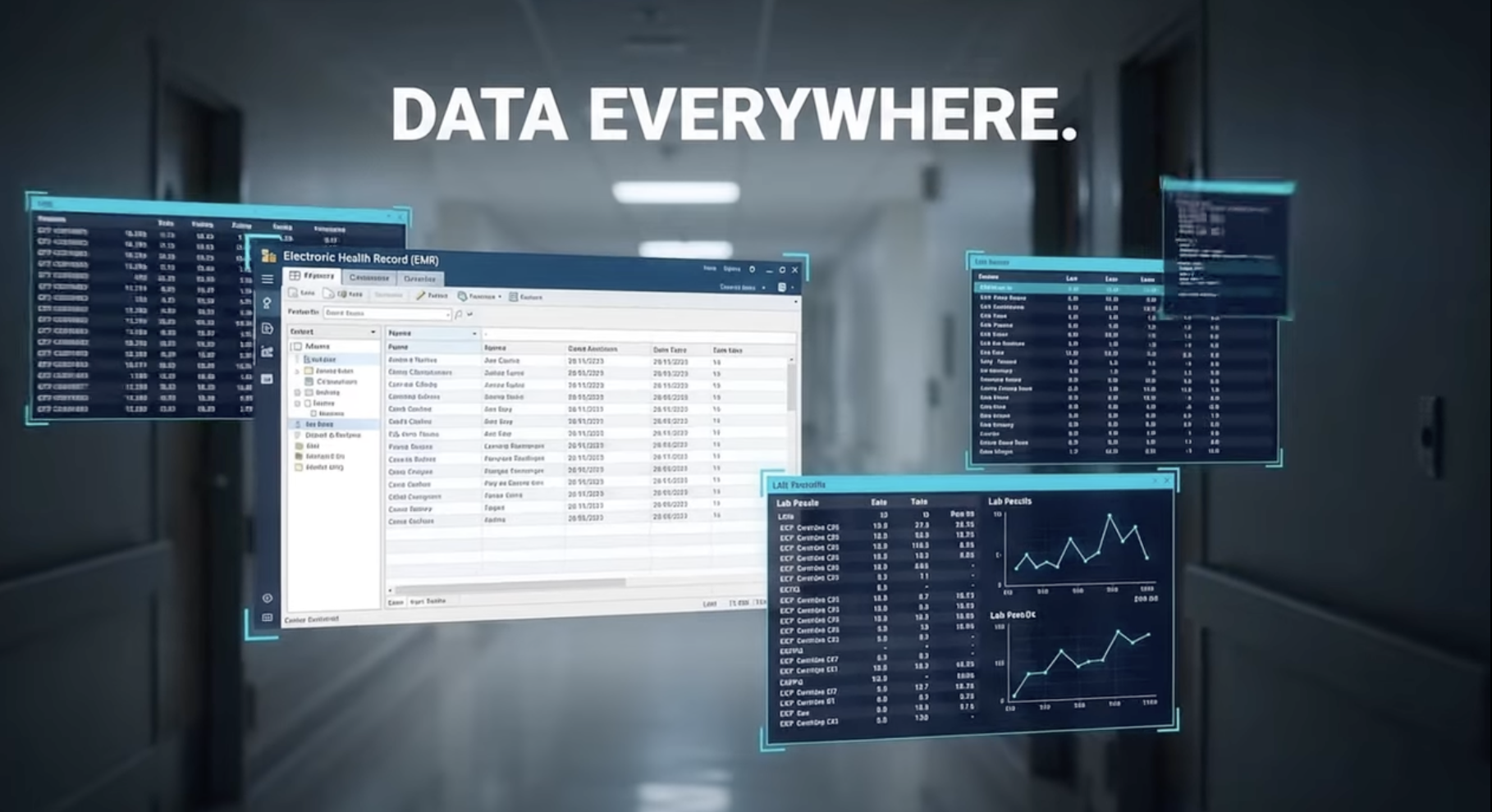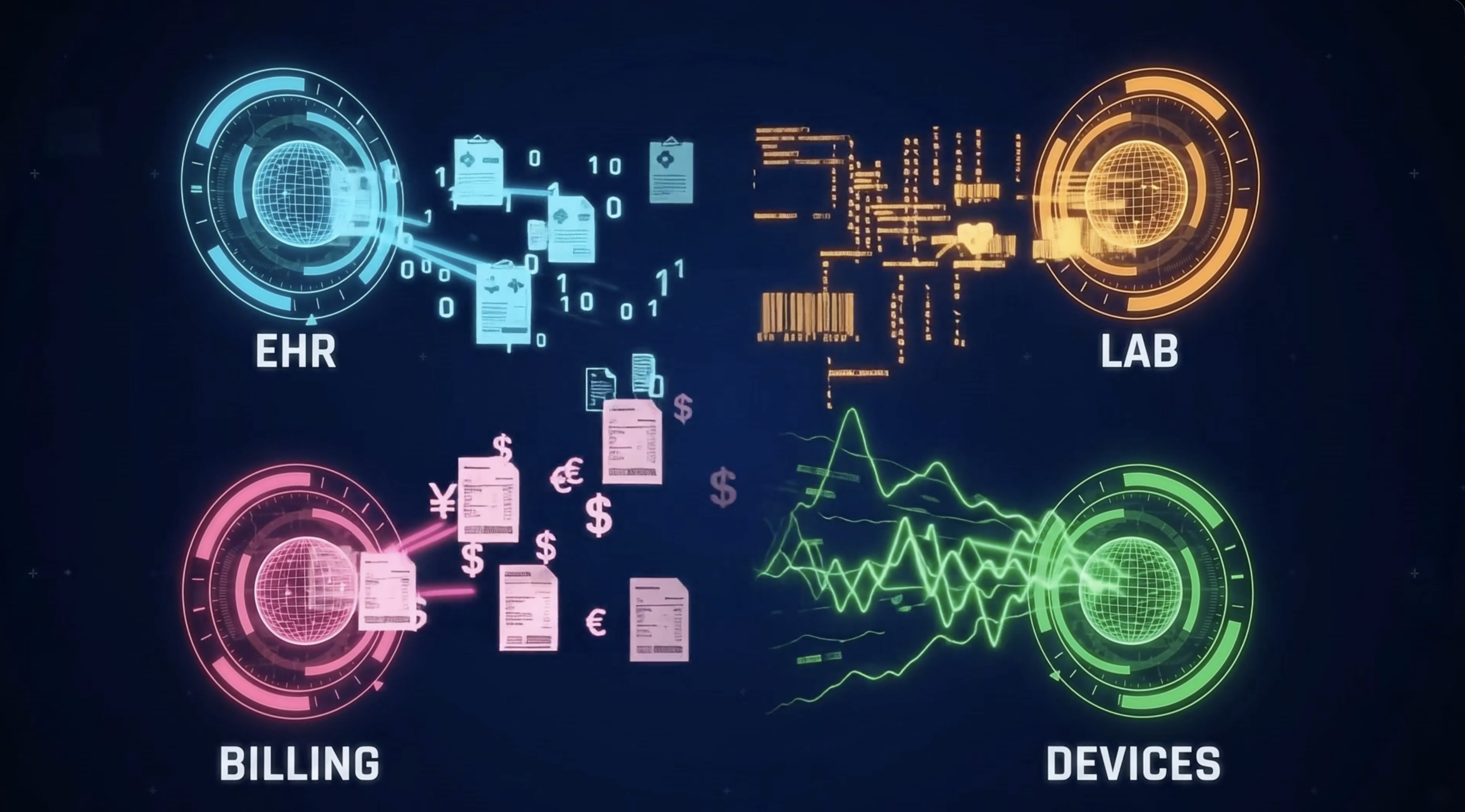

The US healthcare system is undergoing a transformative shift, with over 96% of hospitals now utilizing certified electronic health record (EHR) systems, as the Office of the National Coordinator for Health Information Technology (ONC) reported. Despite this significant progress, organizations face substantial challenges in integrating these systems with external platforms. Issues such as data silos, inconsistent standards, and escalating security concerns hinder interoperability. With healthcare data breaches averaging $10.1 million per incident (IBM), secure integration solutions are more critical than ever. Vorro’s fully managed Enterprise Integration Platform as a Service (EiPaaS) offers a solution by simplifying the connection, transformation, and automation of healthcare data between systems, enabling seamless Allscripts EHR integration with external platforms.
Challenges in Integration
Data Silos and Inconsistent Standards
One of the primary challenges in healthcare integration is the presence of data silos, where information is trapped within specific systems, obstructing the seamless flow of data. This is compounded by inconsistent data standards, which complicate interoperability. Different platforms may use varying formats for patient data, necessitating extensive data mapping and transformation efforts to ensure compatibility.
Legacy Systems
Many healthcare organizations continue to rely on legacy systems that are not designed for modern data exchange standards like HL7 or FHIR. This reliance complicates the integration of older systems with newer platforms like Allscripts, often requiring extensive customization or middleware solutions to bridge compatibility gaps.
Vorro’s Fully Managed EiPaaS Solution
Vorro’s fully managed EiPaaS effectively addresses these integration challenges by providing a secure, scalable solution for connecting, transforming, and automating healthcare data. The platform enables seamless communication between Allscripts and external systems, automating data exchange, mapping, and transformation processes while reducing manual intervention and minimizing errors.
Benefits of Allscripts EHR Integration
Integrating Allscripts EHR systems with healthcare integration solutions of external platforms offers numerous advantages, including:
- Improved Workflows: Streamlined data sharing enhances clinical workflows and reduces administrative burdens.
- Real-time Data Access: Providers gain access to unified patient data, allowing for timely, informed decision-making.
- Enhanced Care Coordination: Seamless communication between systems optimizes care coordination and improves patient outcomes.
Best Practices for Allscripts API Integration
- Utilize Standard Protocols: Adopting widely recognized data exchange standards (like FHIR or HL7) facilitates smoother integration and data sharing.
- Implement Robust Security Measures: Employ encryption, secure access controls, and regular security audits to safeguard patient data during integration.
- Conduct Thorough Testing: Comprehensive testing ensures data accuracy and smooth workflows, essential for patient safety.
Conclusion
Despite the inherent challenges, fully managed EiPaaS provides a pathway to overcoming barriers in integrating Allscripts solutions with external platforms. By focusing on security, scalability, and compliance, healthcare organizations can achieve seamless interoperability, ultimately enhancing patient care and operational efficiency.
For more insights on overcoming integration challenges in healthcare, check out our blog on mitigating healthcare data security and interoperability challenges.