Introduction: AI Is Only as Good as Your Data
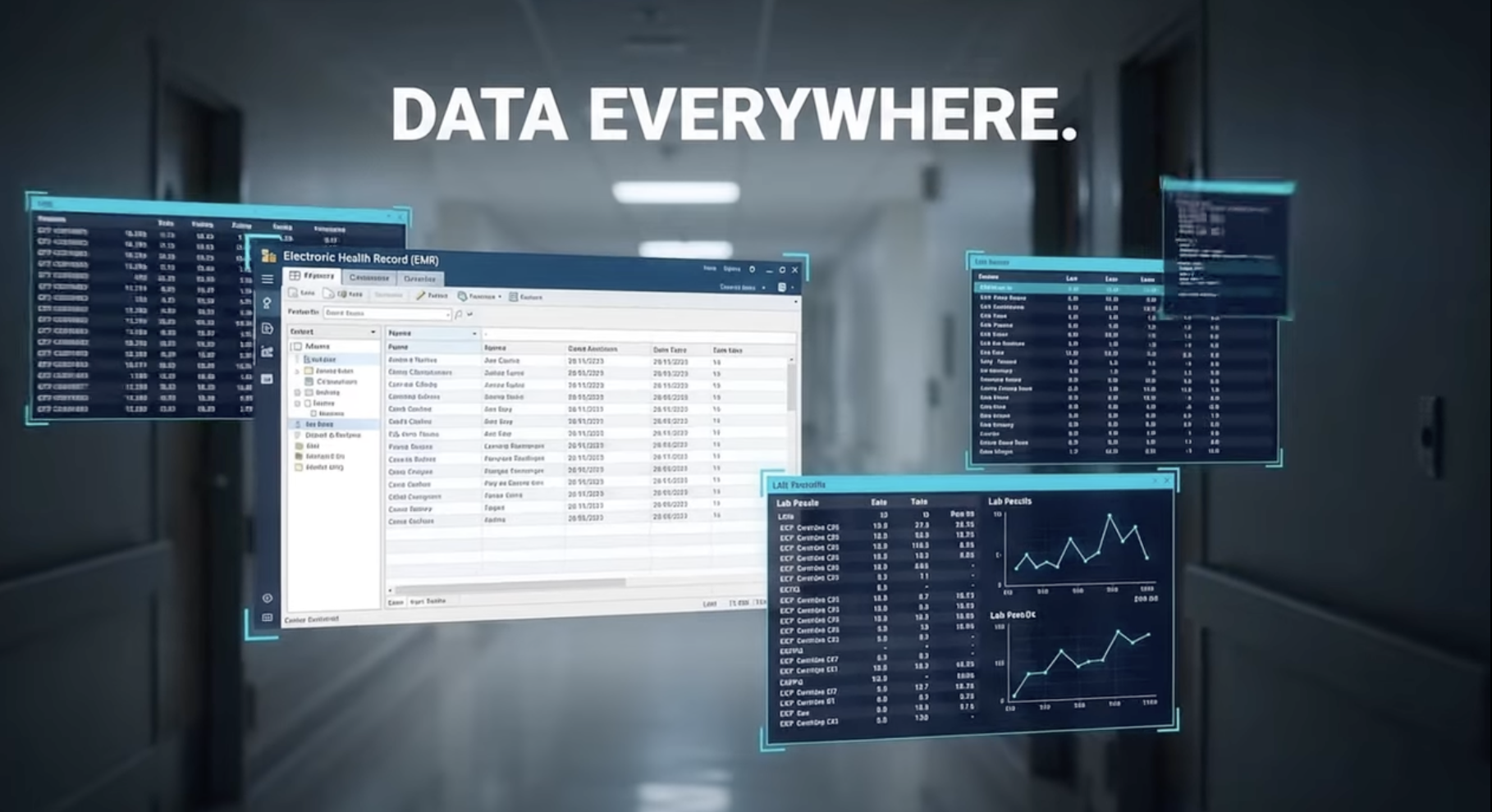
When you hear AI-powered data transformation, you probably picture robots cleaning up spreadsheets while you sip coffee. In reality, the magic happens only when the data fed into those algorithms is clean, consistent, and compliant. Healthcare organizations still wrestle with dozens of siloed systems, undocumented schema changes, and legacy code that refuses to play nice. That’s why a solid data foundation is the first step toward true decision intelligence. In the next few minutes, I’ll walk you through how to turn messy patient records into AI-ready assets that drive faster, safer clinical choices.
What Does AI-Ready Healthcare Data Look Like?
AI-ready healthcare data isn’t just big € it’s smart. Think of it as a well organized library where every book follows the same cataloging rules. In practice, that means:
- Standardized formats like FHIR or HL7 being applied automatically.
- All PHI stripped or tokenized to meet HIPAA.
- Rich metadata tags that describe provenance, consent, and quality scores.
For example, a midsized hospital we consulted recently cut its data onboarding time from 45 days to just 7 by deploying an auto schema inference engine that recognized and mapped new lab result fields on the fly. That’s the kind of speed you need when you’re building healthcare decision intelligence pipelines.
Common Data Quality Issues That Block AI Adoption
Before you can trust any model, you have to iron out the obvious problems. Here are the three culprits that show up in almost every audit:
- Missing values: Empty slots in vital signs or medication histories that tip the scales of a predictive model.
- Inconsistent coding: One system uses ICD 10, another sticks with SNOMED; you end up with a Frankenstein code set.
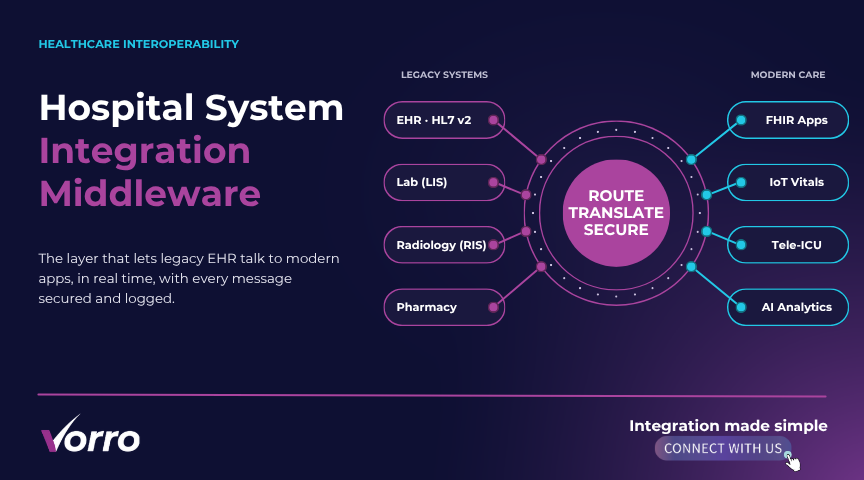
- Siloed sources: Radiology images sit in a PACS, lab results live in an LIMS, and they rarely speak to each other.
And if you ignore these, your AI will make decisions based on garbage, not insight. That’s a risk no hospital can afford.
AI-Powered Data Transformation Techniques
Traditional ETL scripts are like manual assembly lines reliable but painfully slow. AI introduces a new set of tricks that keep pipelines humming even when data mutates overnight.
Schema Drift Detection and Automatic Mapping
Tools such as Nexla and dbt Copilot watch your data contracts in real time. When a new column appears, the AI flags a drift, proposes a mapping, and-if you approve-updates downstream models automatically. One health system saw a 30% reduction in pipeline failures after enabling this feature.
Pattern Recognition for Data Standardization
Machine learning can sniff out patterns in free text clinical notes and translate them into structured codes. This is where healthcare data standardization strategy meets natural language processing. The result? A 2 point boost in data quality scores across the board.
Anomaly Detection for Early Error Catching
Imagine a sudden spike in blood pressure readings that’s actually a sensor glitch. AI driven anomaly detectors catch those outliers before they poison your model, cutting false positive alerts by up to 40%.
Real Time Monitoring and Lineage Tracking
With AI, you can visualize data flow like a live subway map. Every transformation step is logged, so you always know which source fed the model’s latest prediction. This transparency is a game changer for audits and compliance checks.
Tool Comparisons and Pricing Overview
Here’s a quick snapshot:
- dbt Copilot subscription starts at $1,200 per month; excels at auto mapping and version control.
- Nexla $2,500 per month for the full suite; best for real time streaming and schema drift.
- Databricks AI Hub usage based pricing; integrates notebooks with pipeline orchestration.
Pick the platform that aligns with your healthcare data management for AI maturity level, not just your budget.
Building a Healthcare Data Strategy for AI
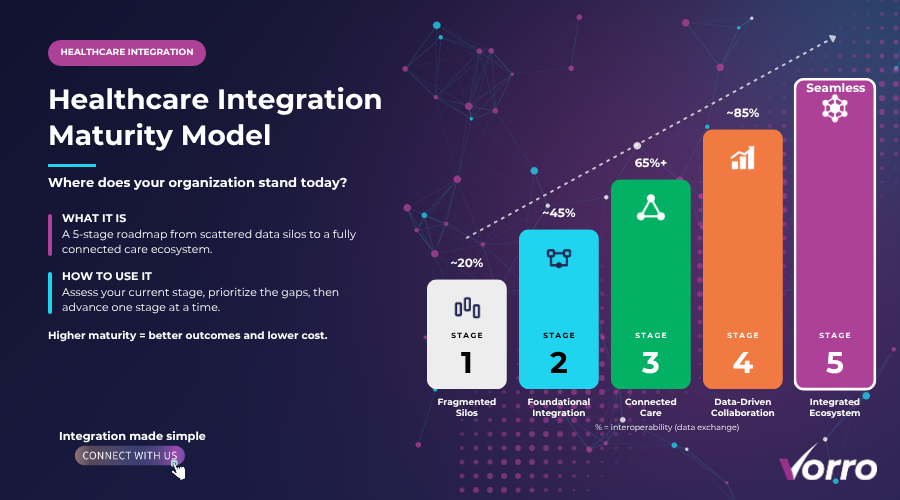
Strategic planning isn’t a one off meeting; it’s an ongoing dialogue between clinicians, data engineers, and compliance officers. Here’s a three phase approach we’ve refined over years of consulting.
Phase One: Assess and Inventory
Start with a data catalog that answers three questions: where is the data, how is it stored, and who owns it? A simple spreadsheet won’t cut it use tools that auto populate metadata.
Phase Two: Define the AI Ready Blueprint
Set clear standards for de identification, format conversion, and quality thresholds. For instance, aim for a 95% completeness rate on core demographic fields before feeding anything into a model.
Phase Three: Govern and Iterate
Establish a governance board that meets monthly to review pipeline health, audit lineage reports, and tweak the healthcare data strategy for AI adoption. This keeps the transformation engine from rusting.
From Data to Decisions: Healthcare Decision Intelligence
Now that you’ve cleaned, mapped, and governed your data, it’s time to let the models do the heavy lifting. Decision intelligence isn’t just about predictions; it’s about actionable insights that clinicians can trust.
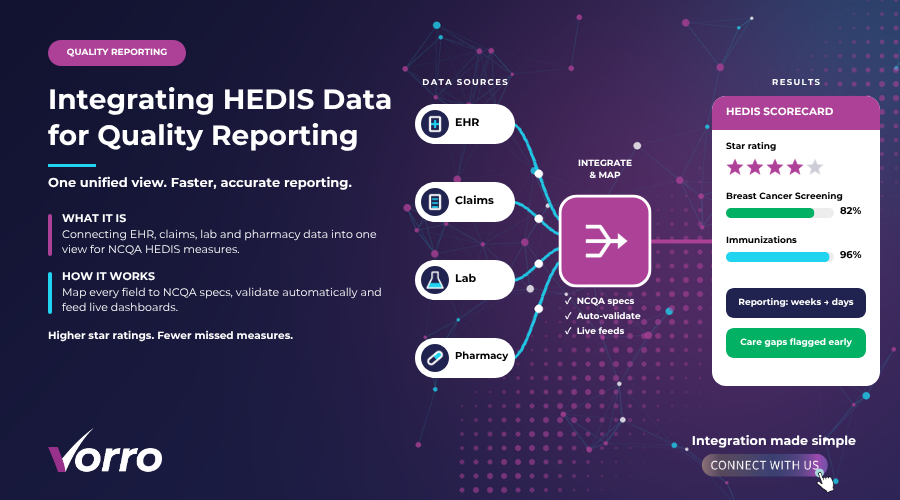
Take the case of a regional hospital that used AI powered transformation to harmonize its EHR, pharmacy, and imaging data. Within six months, readmission risk scores improved by 12%, and the care team cut unnecessary lab orders by 18%. Those are the numbers that turn skeptics into believers.
Ethical and Regulatory Considerations for AI Driven Data Handling
Healthcare is a high stakes arena. You can’t just throw AI at data without thinking about consent, bias, and audit trails. Make sure your pipelines embed privacy checks at every stage. One practical tip: use differential privacy when aggregating patient cohorts it satisfies GDPR and keeps the data useful.
And remember, transparency isn’t optional. Explainable AI modules should accompany any decision support tool, so clinicians know why a recommendation popped up.
ROI and Measurable Business Impact of AI Powered Data Transformation
Stakeholders love numbers. Here’s a simple ROI framework you can apply:
- Cost Savings: Reduce manual data cleaning hours a typical hospital saves about $250,000 annually.
- Speed Gains: Cut pipeline latency from 48 hours to under 6 that translates to quicker clinical interventions.
- Model Performance: A 5% lift in AUROC often leads to fewer adverse events, which directly lowers readmission penalties.
Put these metrics on a dashboard, and you’ll have a compelling story for the CFO and the board.
Step by Step Implementation Roadmap
Ready to roll up your sleeves? Here’s a practical roadmap that blends quick wins with long term governance.
Quick Win Projects
- Deploy an AI driven schema drift detector on a single high volume data source (e.g., lab results).
- Run a pilot auto mapping job for one FHIR resource, such as Patient.
- Measure latency improvement and report to leadership.
Mid Term Expansion
- Scale auto mapping across all core clinical domains (Encounter, Observation, Medication).
- Integrate anomaly detection for vital signs streams.
- Establish a data lineage dashboard for compliance audits.
Enterprise Wide Rollout
- Formalize a healthcare data standardization strategy that covers every new data feed.
- Launch a governance committee to review AI model drift quarterly.
- Continuously track ROI metrics and adjust budgets accordingly.
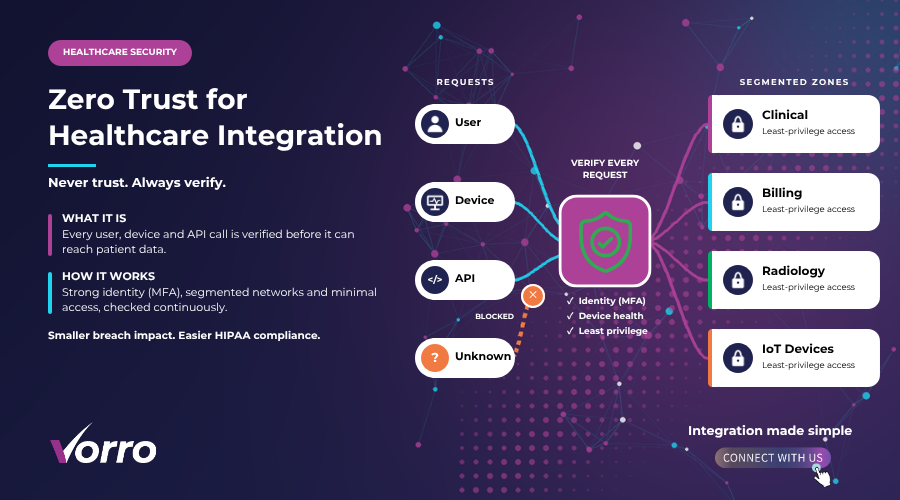
And don’t forget the governance checklist: consent verification, encryption at rest, role based access, and audit log retention for at least seven years. Check those boxes, and you’ll stay on the right side of regulators.
FAQs
How is AI powered data transformation different from traditional ETL?
Traditional ETL follows static rules; AI adds learning loops that adapt to schema changes, detect anomalies, and auto map fields without human intervention.
Can small clinics afford these AI tools?
Yes. Many platforms offer tiered pricing, and you can start with a single source pilot. The quick win projects often pay for themselves within three months.
What are the biggest regulatory pitfalls?
Missing de identification steps, ignoring patient consent, and failing to maintain complete lineage logs are the top three red flags.
How do I measure success?
Track data quality scores (target >95%), pipeline latency (goal <6 hours), and downstream model metrics like AUROC or F1 score.
Do I need a data science team to run AI powered pipelines?
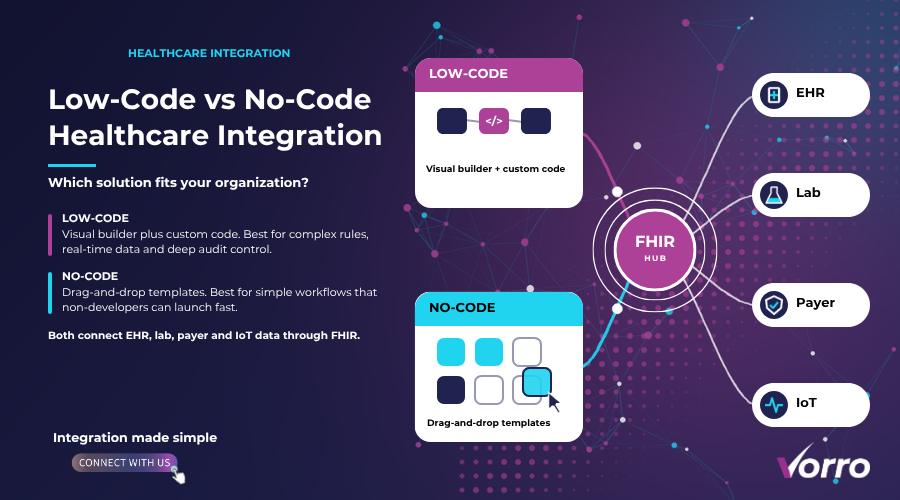
Not necessarily. Modern platforms provide low code interfaces, but having at least one data engineer to supervise governance is a smart move.
In short, AI powered data transformation is the bridge between raw hospital records and the intelligent insights that improve patient outcomes. By tackling schema drift, enforcing a robust healthcare data standardization strategy, and keeping an eye on ROI, you’ll turn data chaos into a competitive advantage. So, what’s your next step? Start with a pilot, measure the impact, and let the data do the heavy lifting.