Integrating HEDIS Data for Seamless Quality Reporting
Introduction to HEDIS and Quality Reporting
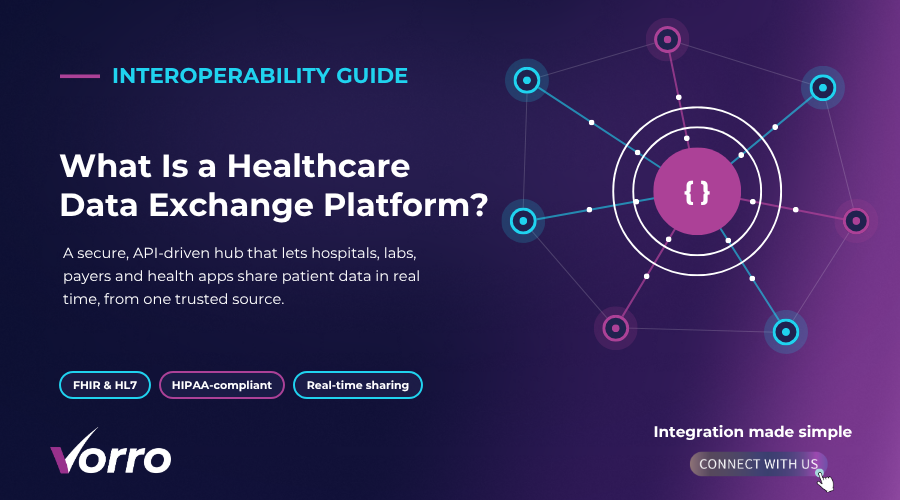
When you hear the phrase HEDIS data integration for quality reporting, you’re really talking about the engine that powers your NCQA star rating. HEDIS—Health Effectiveness Data and Information Set—has been the benchmark for measuring clinical quality for over three decades. If you’re still pulling data manually from a spreadsheet, you’ll feel the pain fast.
Why Data Integration Matters for HEDIS
Legacy system pain points
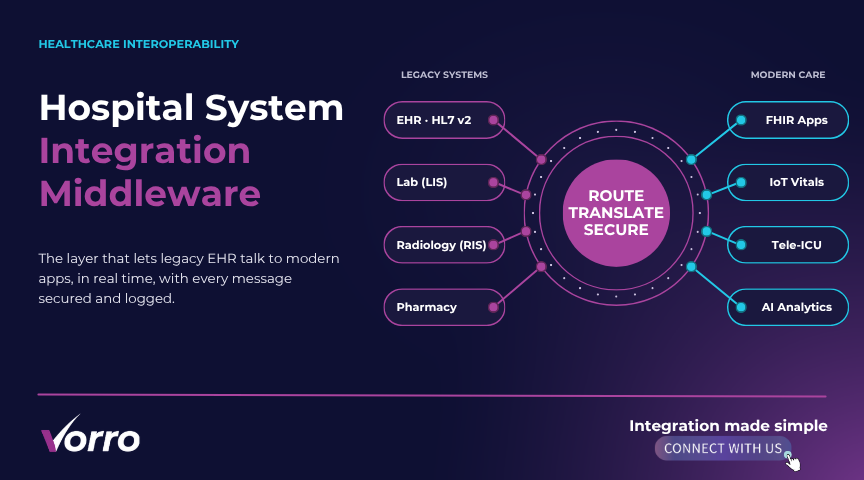
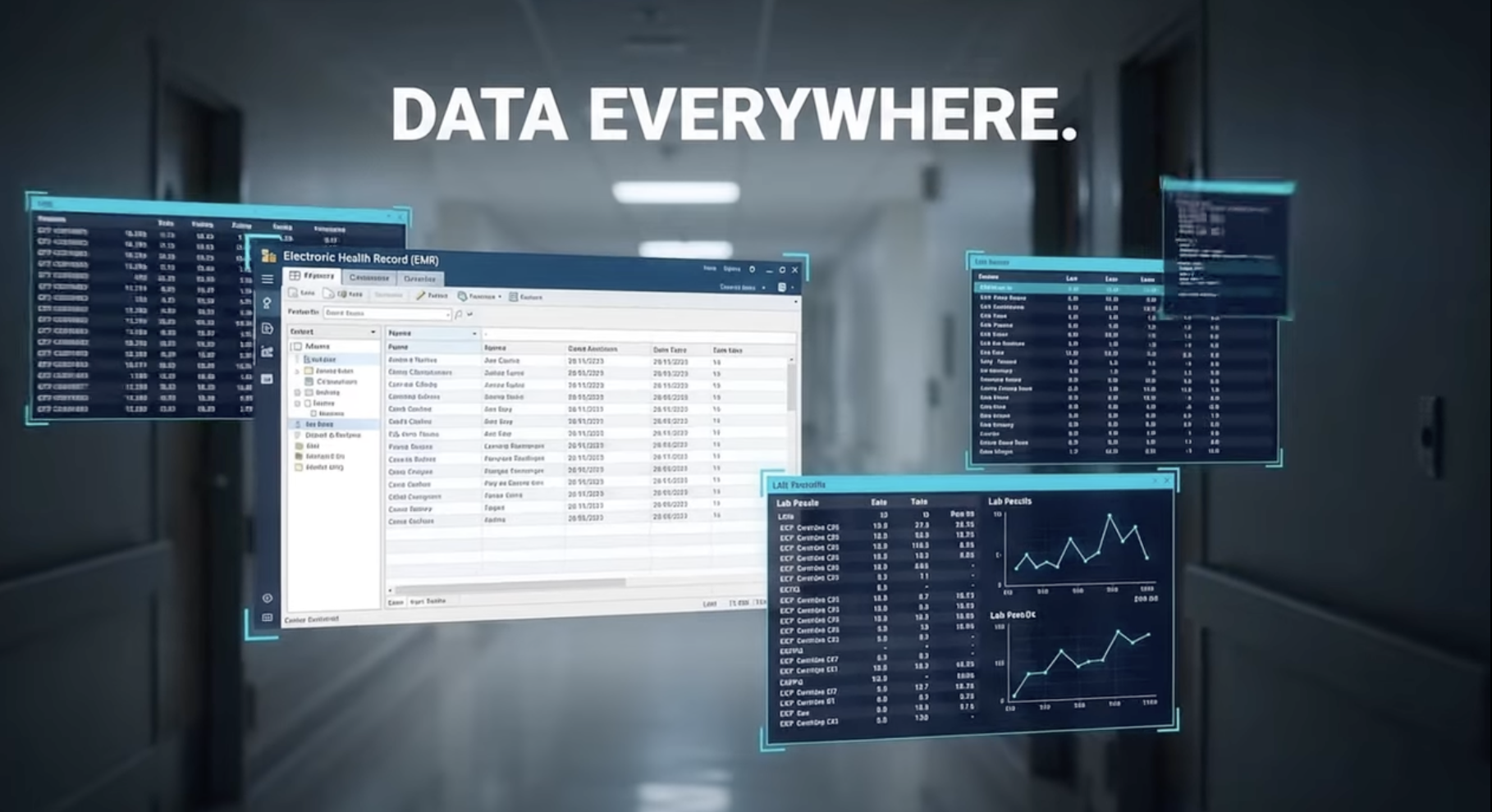
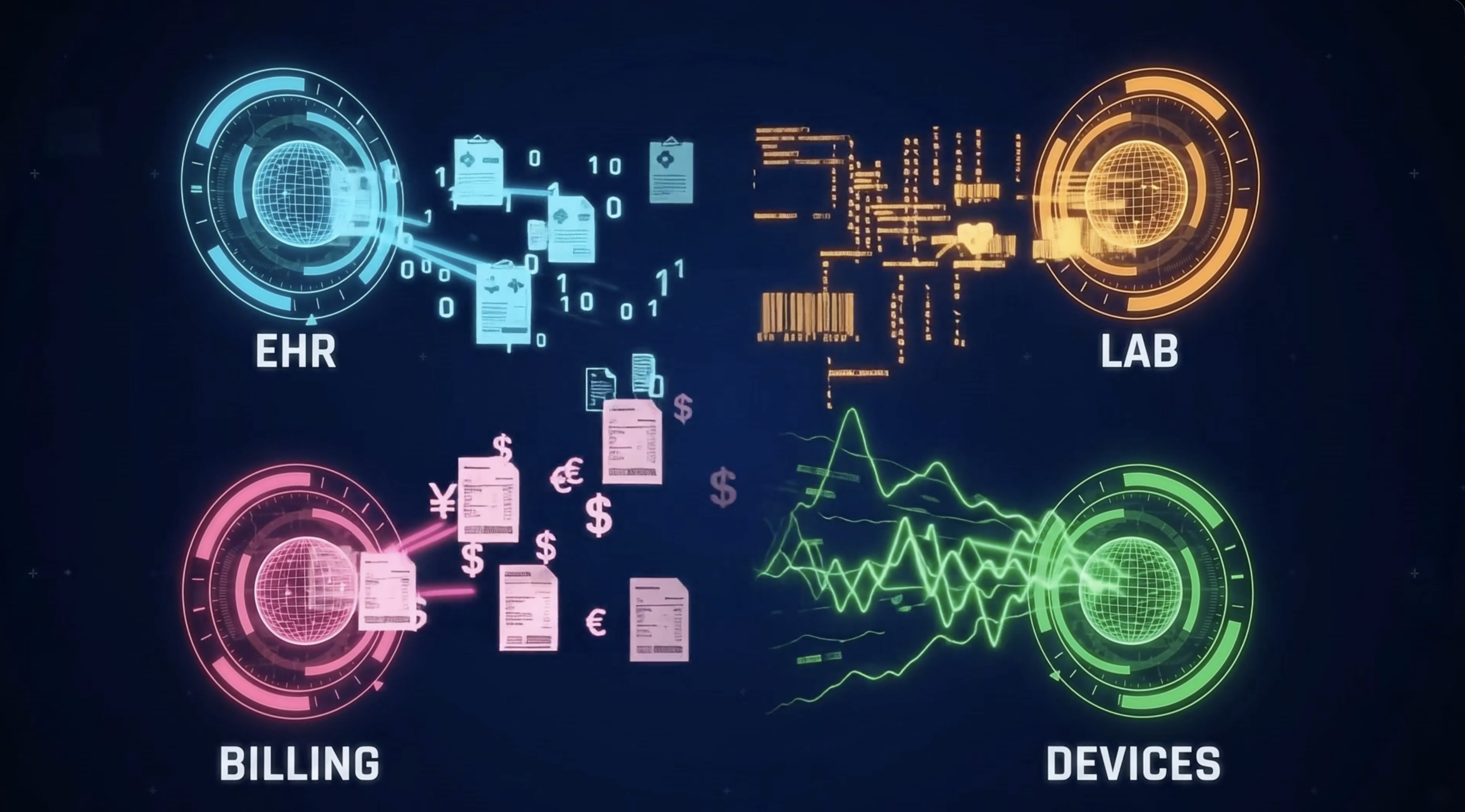
Older EHRs and claim systems love to speak their own language. One system calls a lab result “LOINC,” another tags it “TestCode.” The result? Missed measures, duplicate work, and a frantic “where?is?my?data?” scramble. In my first job as a data analyst, we spent 40% of our month just cleaning mismatched fields.
Benefits of a unified data view
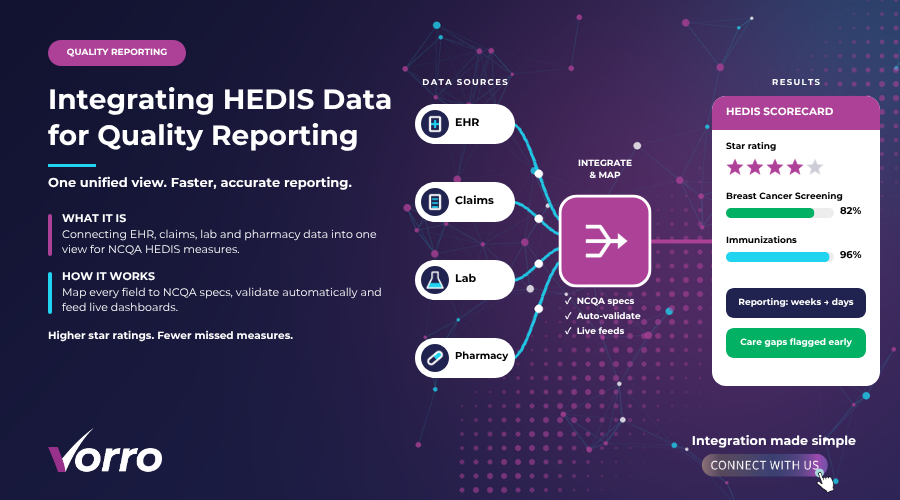
Imagine a single dashboard that pulls member demographics, pharmacy fills, and lab values in real time. You can spot a gap in colon?cancer screening before the member even calls. That kind of unified view slashes reporting turnaround from weeks to days, and it boosts your HEDIS scores without extra staff.
Core Integration Techniques
ETL pipelines for batch loads
ETL—extract, transform, load—remains the workhorse for many health plans. Nightly jobs pull claims files, massage field lengths, and drop them into a staging table, following the best practices described in Healthcare Data Pipeline Architecture: Secure & Interoperable ETL. The key is to schedule the load after the claims window closes, usually around 2?a.m., to avoid racing the source system.
API?based integration
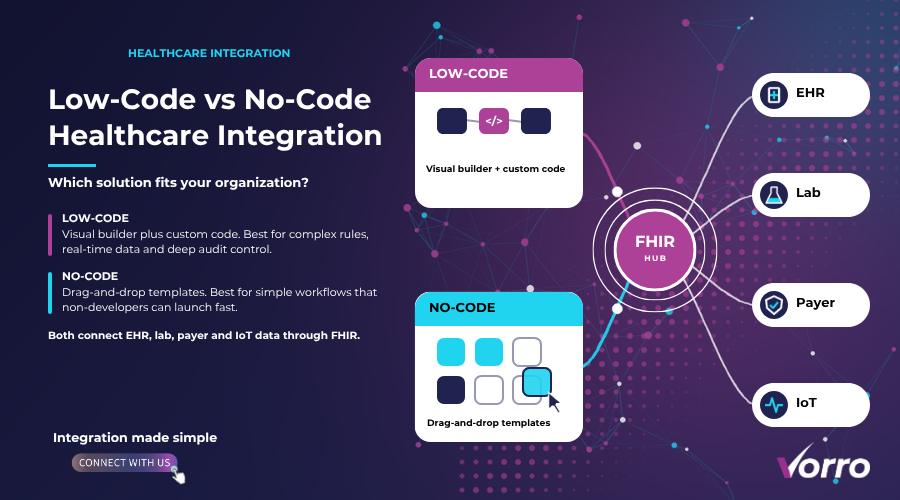
Modern APIs, especially those built on FHIR, let you pull data on demand. A single endpoint can return member immunizations, lab results, and medication lists in a standardized JSON bundle. That means less custom code and fewer translation errors. The trick is to map your internal data model to the FHIR resources you need for clinical quality measures FHIR reporting.
Cloud data warehouses and data lakes
Storing raw files in a cloud lake (think Amazon S3 or Azure Blob) gives you an immutable source of truth. From there, a warehouse like Snowflake can run fast analytical queries across billions of rows. The cost per terabyte is now under $25, so you don’t need a massive on?prem server farm.
Building an Effective HEDIS Integration Strategy
Inventory of data sources
The first step is a simple spreadsheet listing every source: EHR, claims, lab interface, pharmacy benefit manager, and even member?generated data from wellness apps. For each, note the update frequency, format, and who owns the feed. This inventory becomes your integration map.
Mapping to NCQA measure specifications
NCQA publishes detailed measure logic. Take the Diabetes Control measure: you need A1c values, medication fills, and encounter diagnoses. Your mapping sheet should link each source field to the exact NCQA element. A mismatch here is the most common cause of failed submissions.
Data validation and quality controls
Before a record hits your HEDIS pipeline, run sanity checks: is the date of birth realistic? Does the CPT code belong to the right service category? Set up automated alerts when validation errors exceed 2% of daily volume. In my team, those alerts cut rework time by 30%.
Automation and continuous monitoring
Use a workflow engine like Apache Airflow or Azure Data Factory to orchestrate jobs, retries, and notifications. Build a simple health check page that shows last?run timestamps and error counts. When something goes sideways, the system pings the data steward’s phone—no waiting for a weekly status meeting.
Leveraging Modern Technology
FHIR?enabled platforms
Platforms such as Microsoft Azure API for FHIR or Google Cloud Healthcare API let you spin up a FHIR server in days, not months. They provide built?in OAuth2 security, audit logging, and versioned resource storage. When you query for “Observation?code=2093?3” you instantly get every cholesterol result you need for the Lipid Management measure.
AI/ML for care?gap detection
Machine?learning models can flag members who are at risk of missing a preventive service. By feeding historical care gap closure data integration records into a gradient?boosted tree, you get a risk score that updates as new claims arrive. The model isn’t a silver bullet, but it nudges staff to close gaps faster than manual look?ups.
Real?time quality dashboards
Power BI or Tableau can consume the warehouse views and render a live “HEDIS health” scorecard, leveraging insights from Healthcare Analytics Integration: Architecture & Best Practices. Drill down from overall star rating to individual measure compliance, and you instantly see which clinics need a push. A dashboard like this turned a mid?size plan’s breast?cancer screening rate from 68% to 82% in six months.
Common Pitfalls and Mitigation
Incomplete data mapping
Skipping a field—say, the “service date” on a lab result—means the entire measure can be disqualified. Run a “gap analysis” after your first mapping pass: compare source record counts to NCQA?expected counts. Any shortfall is a red flag.
Regulatory and security oversights
HIPAA isn’t a suggestion; it’s the law. Encrypt data at rest and in transit, restrict access to “need?to?know,” and keep audit logs for at least six years. One health plan missed a quarterly audit because they stored raw claim files on an unsecured shared drive—costing them a $150,000 penalty.
Implementation Roadmap
Here’s a step?by?step guide that many organizations have found useful:
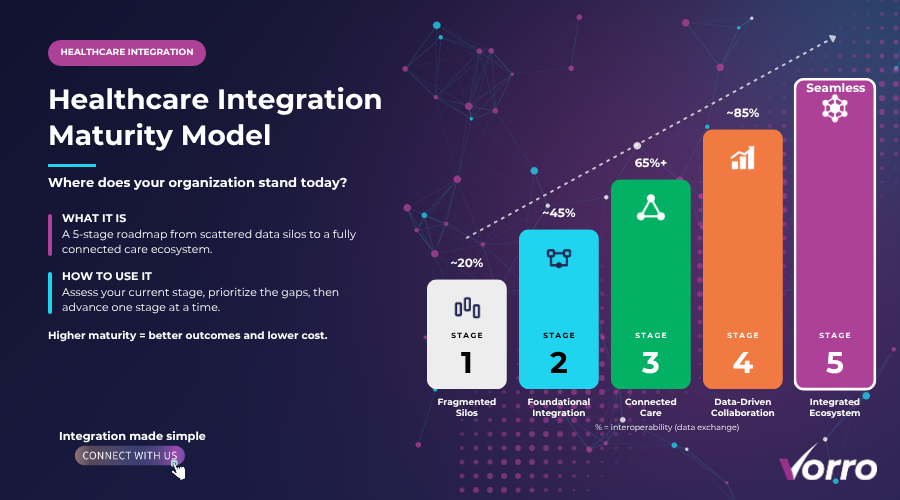
- Phase?1 – Assessment: Catalog sources, define governance, and set success metrics (e.g., 95% data completeness).
- Phase?2 – Architecture Design: Choose ETL vs. API, select cloud vendor, and draft data models aligned with NCQA.
- Phase?3 – Pilot Build: Integrate one measure (often Breast Cancer Screening) end?to?end, validate against a known sample.
- Phase?4 – Scale: Roll out additional measures, add automated validation rules, and expand to real?time feeds.
- Phase?5 – Optimize: Introduce AI for gap detection, fine?tune dashboards, and conduct quarterly ROI reviews.
ROI and Cost Benefit Analysis
Investing in integration isn’t just about compliance—it’s also about dollars. The average health plan saves $1.2?million per star rating improvement thanks to higher bonus payments and lower re?audit fees. A modest $500,000 cloud?based integration project can pay for itself in under two years when you factor in labor reductions and avoided penalties.
Don’t forget indirect gains: faster data access improves care coordination, which lowers readmission rates by roughly 3%. Those savings show up on the bottom line, even if they’re harder to quantify in a spreadsheet.
Compliance Privacy and Security Considerations
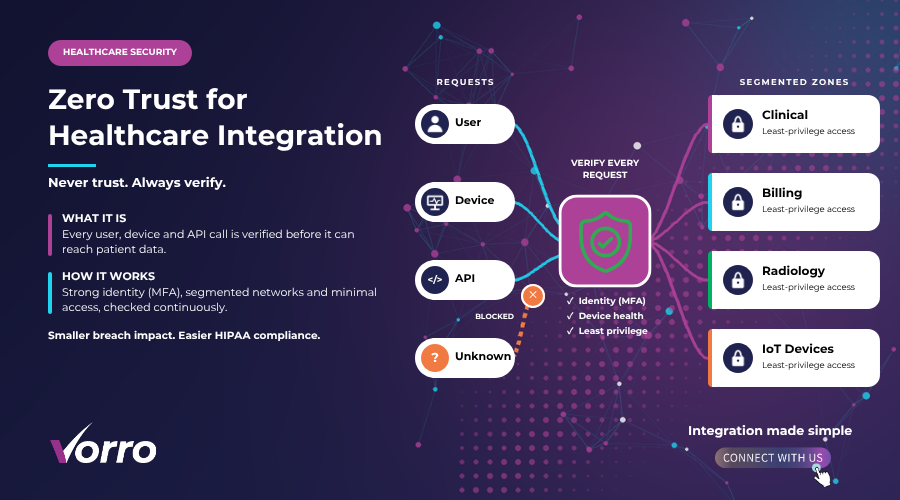
Beyond HIPAA, NCQA requires a documented data?governance plan. Your plan should answer: who can view member?level data, how long you retain raw files, and what the breach?response protocol looks like. Encrypt every extract with AES?256, rotate API keys quarterly, and run quarterly penetration tests.
Auditors love to see a “data lineage” chart that traces a member’s lab result from the originating lab system, through the FHIR server, into the HEDIS reporting table. That visual proof can shave weeks off a compliance review.
Case Study Successful HEDIS Integration in a Mid?Size Health Plan
HealthCo, a regional plan with 350,000 members, struggled to hit the 90% Immunizations measure. Their legacy system delivered CSV files each month, and the data quality was spotty. They partnered with a boutique consulting firm, built an API layer using FHIR, and moved their staging area to Snowflake.
Within six months, HealthCo achieved a 96% immunization rate and earned a bonus of $2.3?million. The integration also uncovered 1,200 members overdue for hypertension screening—data that fed directly into a care?gap outreach campaign. The project cost $420,000, delivering a 5?to?1 ROI in the first year.
Future Trends AI interoperable registries and next?gen reporting
Looking ahead, we’ll see interoperable registries that share measure data across payers, providers, and public health agencies. AI will move from gap detection to predictive analytics—forecasting which members are likely to develop chronic conditions before they hit the hospital.
FHIR will continue to mature, adding new resources for social determinants of health, which will soon be part of HEDIS calculations. Staying ahead means building flexible pipelines today that can ingest those new data points without a complete rewrite tomorrow.
Wrapping It Up
Integrating HEDIS data for quality reporting isn’t a one?off project; it’s a continuous journey of data hygiene, technology adoption, and compliance vigilance. Start with a clear inventory, map every field to NCQA specifications, and choose the right blend of ETL, API, and cloud tools. Remember to automate validation, watch your ROI, and lock down security.
When you get the pieces to work together—EHR, claims, labs, pharmacy—you’ll see faster reporting, higher star ratings, and healthier members. And that, in the end, is the real reward of a solid HEDIS integration strategy.
Frequently Asked Questions
What are the key steps to create an ETL pipeline for HEDIS data from EHR and claims systems?
First, extract raw data from each source using scheduled extracts or CDC tools. Then, transform the data to match NCQA HEDIS specifications, including field mapping and code normalization. Finally, load the cleaned data into a central repository for reporting, and validate the results against measure logic.
How does FHIR improve real?time HEDIS reporting compared to traditional batch feeds?
FHIR provides standardized, RESTful APIs that deliver patient?level data on demand, reducing the latency of batch extracts. It also ensures consistent data formats across EHRs, claims, and labs, making it easier to map to HEDIS measures instantly. This enables more frequent and accurate quality?reporting cycles.
Can a cloud data lake store both structured claims data and unstructured lab notes for HEDIS calculations?
Yes, cloud data lakes support a variety of data types, allowing you to ingest structured claims files alongside raw lab PDFs or HL7 messages. Using schema?on?read tools, you can parse and normalize the unstructured content during query time, then combine it with structured data for complete HEDIS measure calculations.
What best practices help ensure data quality when integrating multiple HEDIS sources?
Implement automated data validation rules that check for required fields, correct coding (e.g., ICD?10, CPT), and logical consistency across sources. Maintain a data lineage map to trace each element back to its origin, and schedule regular reconciliations between source systems and the integrated repository.
How should organizations prioritize which data sources to integrate first for HEDIS reporting?
Start with the sources that contribute the most measure?critical data, typically the EHR for clinical encounters and the claims system for utilization information. Next, add lab and pharmacy feeds to fill gaps for lab?based and medication?related measures, and finally incorporate any supplemental data such as registries or patient?reported outcomes.