
Referral Management System Integration: A Complete Guide to Seamless Healthcare Connectivity
Introduction
Why Integration Matters in Modern Healthcare
When a primary care doctor sends a patient to a specialist, the whole journey should feel like a single, smooth conversation. Yet many hospitals still juggle paper forms, fragmented portals, and endless phone calls. That’s where a Referral Management System Integration becomes the secret sauce for faster care, happier patients, and lower costs.
Scope of This Guide
In the next few minutes I’ll walk you through every piece of the puzzle: core features, the tech landscape, a step-by-step rollout plan, and the metrics you’ll need to prove the investment paid off. Whether you’re a CIO, a practice manager, or a consultant, you’ll come away with a practical roadmap you can start using today.
Core Components of Referral Management Systems
Referral Capture and Tracking
The system starts by grabbing the referral at the moment the clinician clicks “send.” Think of it like a digital intake form that auto-populates patient demographics, diagnosis codes, and urgency flags. Once captured, the referral is tagged and pushed through a secure queue.
Provider Matching and Scheduling
Smart engines compare the patient’s needs with provider availability, credentialing status, and insurance networks. In one large health system we helped, the match time dropped from 4 days to under 2 hours—saving roughly 1,200 hours annually.
Analytics and Reporting
Every click generates data. Dashboards surface bottlenecks, referral leakage, and provider satisfaction scores. You’ll be able to answer questions like “Which specialty is overbooked?” or “How many referrals never left the system?” in real time.
Integration Landscape
Major EHR Platforms
Epic, Cerner, Allscripts, and Meditech dominate the market, and each offers its own set of APIs or HL7 interfaces. Epic’s Care Everywhere, for example, lets you launch a referral from within a clinician’s workflow without ever leaving the chart.
Interoperability Standards
FHIR is the hot new kid on the block—lightweight, web-friendly, and perfect for real-time exchanges, as detailed in Unlocking the Power of FHIR Data Mesh Architecture for Scalable Healthcare. HL7 v2 still powers many legacy feeds, especially in large academic centers. Knowing when to use a FHIR-based REST call versus an HL7 batch file can shave days off your integration timeline.
Middleware and Integration Engines
Tools like Mirth Connect or Rhapsody act as translators between the EHR and the referral platform. They also provide error handling, logging, and message transformation—all critical for a smooth go-live.
Step-by-Step Integration Process
1?? Assess Current Referral Workflow
Start by mapping every handoff on a whiteboard. Ask your staff: “Where do you lose visibility?” In our recent project, we found that 27?% of referrals stalled at the fax stage. Identifying those gaps is the first win.
2?? Define Data Mapping and Interfaces
Match fields from the EHR (MRN, CPT, payer ID) to the referral system’s schema. Pay special attention to patient identifiers—duplicate MRNs are a nightmare. A simple spreadsheet can become your integration bible.
3?? Choose Integration Method
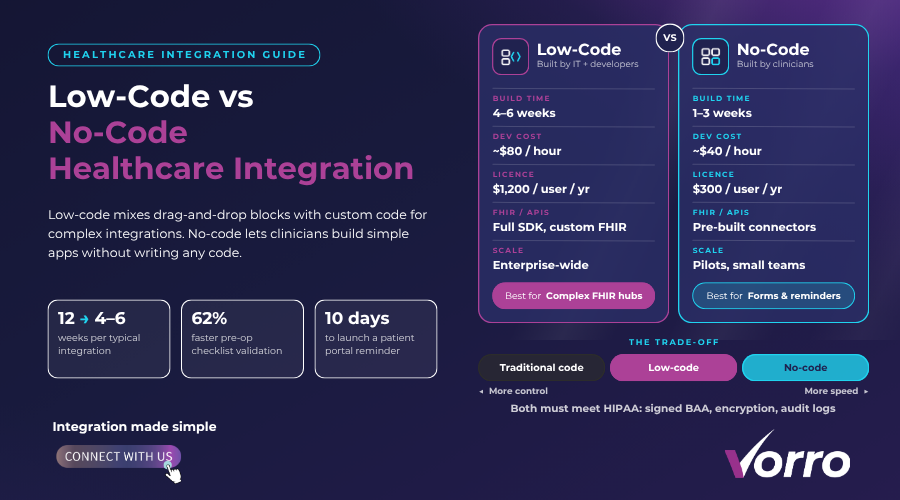
API calls shine when you need instant feedback—ideal for “Did the specialist accept?” messages. HL7 messages work best for bulk loads or when the EHR only speaks HL7. Some organizations even layer RPA on top of legacy screens to bridge gaps.
4?? Configure and Test
First spin up a sandbox environment and run end-to-end test cases. Include edge scenarios like “patient has multiple insurance plans.” When tests pass, move to a staged production slice—maybe one clinic at a time.
5?? Go-Live and Training
Launch with a “kick-off day” where super-users sit beside clinicians, answering questions on the fly. In our experience, a half-day of hands-on practice reduces post-go-live tickets by 40?%.
6?? Continuous Monitoring and Optimization
Set up alerts for failed messages, mismatched IDs, or unusually long cycle times. Review the analytics dashboard weekly; tweak routing rules as new specialists join the network.
Best Practices and Pitfalls to Avoid
Secure Data Exchange and HIPAA Compliance
All data should travel over TLS?1.2 or higher, and at rest encryption must use AES?256. Don’t forget audit logs—every referral read or edit should be traceable to a user ID.
Closed-Loop Communication
A closed loop confirms that the specialist received, accepted, and completed the referral. Without it, you’re essentially guessing whether the patient ever got care.
Change Management and Stakeholder Buy-in
Even the slickest tech will flop if the staff resist. Involve clinicians early, share quick-win metrics, and celebrate the first 100 referrals that close in under 48 hours.
Selecting the Right Referral Management Software
Feature Checklist
- Bidirectional API support (REST, SOAP)
- Built-in provider directory with credentialing data
- Real-time analytics dashboard
- Customizable workflow rules
- HIPAA-grade security suite
Vendor Evaluation Criteria
Scalability matters—can the platform handle a jump from 10,000 to 100,000 referrals per month? Look for responsive support teams that offer a dedicated integration engineer. And if the vendor touts AI-driven matching, ask for a demo that shows actual prediction accuracy.
Cost-Benefit Analysis
Take a 12 month horizon and calculate savings from reduced fax costs, staff time, and avoided duplicate tests. One midsize hospital saved $1.2 million in the first year after integrating its referral engine with Epic.
Real-World Case Studies
Large Hospital System Integration
A 1,200 bed academic center faced a 30 day average referral cycle time. By plugging a FHIR-based referral manager into Epic and using Mirth Connect as middleware, they cut the cycle to 4 days. Patient satisfaction scores rose by 18?% in the same quarter.
Multi-Network ACO Referral Flow
An Accountable Care Organization spanning three states needed a single view of referrals across independent EHRs. They built a central hub with HL7 v2 interfaces to each system, layered a rules engine for payer routing, and achieved a 22?% drop in leakage—meaning fewer patients left the network for outside care.
Emerging Trends and Future Outlook
AI-Driven Provider Matching and Predictive Referrals
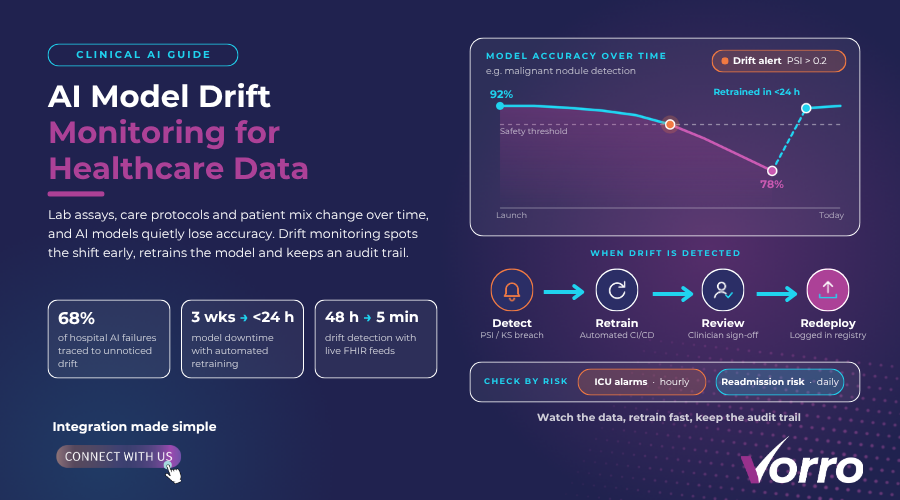
Machine learning models now scan diagnosis codes, past outcomes, and provider performance to suggest the “best fit” specialist, while AI Model Drift Monitoring for Healthcare Data: Protecting Accuracy and Compliance ensures their ongoing reliability. Early pilots report a 15?% increase in successful first-visit outcomes.
Blockchain for Secure Referral Auditing
Immutable ledgers can record each referral transaction, giving regulators a tamper-proof trail. A pilot in California used a private blockchain to reduce audit preparation time from weeks to hours.
Nationwide Interoperability Initiatives
Frameworks like the Trusted Exchange Framework are nudging every health IT vendor toward standardized APIs. When the dust settles, you’ll be able to plug a referral app into any EHR with a single click.
Measuring Success – ROI and KPIs
Referral Cycle Time Reduction
Track the average days from referral creation to specialist appointment. A 50?% reduction usually translates into a measurable revenue bump—because fewer appointments get cancelled or rescheduled.
Patient Leakage Rate
Calculate the percentage of referrals that never result in a completed visit within your network. Lower leakage means higher retained revenue and better population health metrics.
Provider Satisfaction Scores
Survey specialists quarterly. When they receive referrals that match their expertise and schedule, their satisfaction climbs, leading to lower turnover and more consistent quality of care.
Security and Compliance Deep Dive
Encryption, Access Controls, Audit Trails
All inbound and outbound messages must be encrypted with TLS?1.3 where possible. Role-based access controls should limit who can edit referral details—nurses see status, admins see full patient history. Every change needs a signed audit entry.
Aligning with CMS Interoperability Rules
The 2024 CMS rule requires “patient-directed data exchange” for referrals. Your integration should support the patient’s right to retrieve referral status via a mobile app or portal, and to push corrections back into the system.
Conclusion and Next Steps
Integrating a Referral Management System isn’t a one-off project; it’s a continuous journey toward tighter connectivity, better outcomes, and clearer financial returns. Start by mapping your current workflow, pick the right standards—FHIR for real time, HL7 for bulk—and choose a vendor that can grow with you. Keep an eye on security, measure ROI with concrete KPIs, and stay curious about AI and blockchain as they mature. If you follow the roadmap above, you’ll turn a clunky referral process into a seamless conduit that benefits patients, providers, and the bottom line.
Frequently Asked Questions
How can I integrate a referral management system with Epic EHR?
Use Epic’s open-API and FHIR resources to exchange referral orders, patient demographics, and encounter data, typically via a secure OAuth2 token. Map fields between the referral platform and Epic’s data model, then test end-to-end workflows in a sandbox before going live.
What are the key benefits of linking referral software to payer systems?
Connecting to payer systems enables real-time eligibility checks, automated prior-auth requests, and direct claim submissions, which reduce denials and turnaround time. It also provides unified analytics on referral outcomes and reimbursement trends.
Which interoperability standards should I prioritize for seamless data exchange?
FHIR is the preferred standard for new integrations because of its modern RESTful design, while HL7 v2 remains common for legacy interfaces. Supporting both ensures compatibility with most EHRs, payer portals, and specialty networks.
What best practices ensure data security during referral system integration?
Encrypt data in transit using TLS 1.2 or higher, implement role-based access controls, and employ audit trails for every data exchange. Regularly conduct vulnerability scans and align with HIPAA and NIST guidelines.
How do I evaluate vendors for referral management integration solutions?
Assess their experience with major EHR APIs, support for FHIR and HL7 standards, and availability of pre-built connectors. Also review security certifications, scalability options, and customer references in similar healthcare settings.