Low-Code vs No-Code Healthcare Integration: Which Solution Fits Your Organization?
Understanding the Basics
What Is Low-Code?
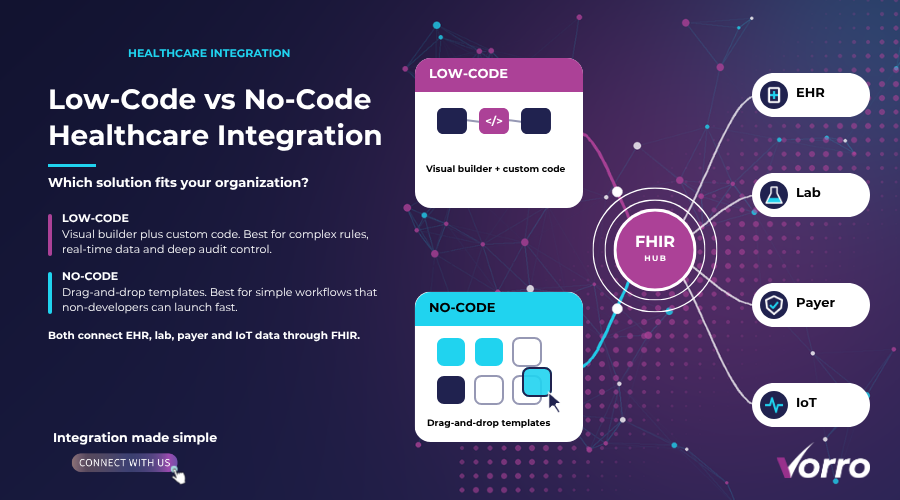
Low-code platforms give you a visual canvas where drag?and?drop components mingle with snippets of hand?written code. You’re not building everything from scratch, but you still get to plug in custom logic when the out?of?the?box blocks fall short. Think of it as a toolbox where the hammer is pre?shaped, yet you can attach a specialized screwdriver if needed.
What Is No-Code?
No-code takes the hammer away entirely. Business users assemble apps using point?and?click wizards, business rules, and pre?packaged connectors. If you can describe a workflow in plain English, the platform translates it into a working solution—no syntax required.
Core Differences in a Healthcare Context
In a hospital, low-code means IT can add a custom FHIR parser for a niche lab device, while no-code lets a nurse design a discharge checklist in minutes. The line blurs, but the main gap is who writes code and how much control you retain over edge?case handling.
Key Benefits for Healthcare Integration
Speed to Market
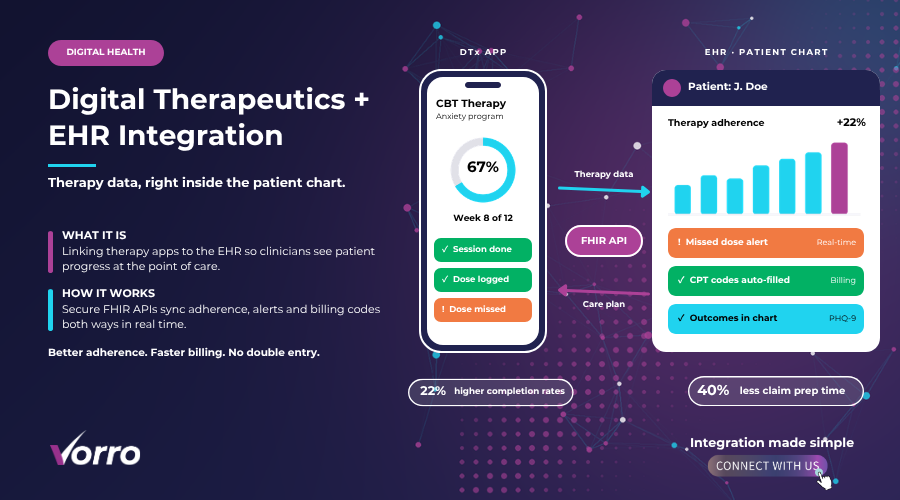
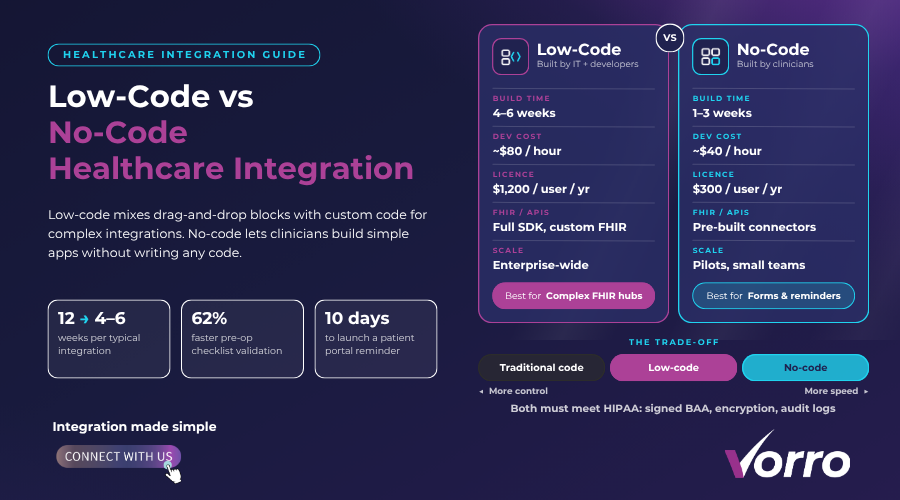
With low-code, a typical integration that used to take 12 weeks can drop to 4–6 weeks. No-code can shave that further to 1–3 weeks for simple data capture forms. Those numbers matter when you’re racing to meet a new payer requirement.
Reduced Development Costs
Traditional development averages $150?/?hour for senior engineers. Low-code cuts that to roughly $80?/?hour because most of the scaffolding is pre?built. No-code drives the cost down to $40?/?hour—or even less—when you let clinicians shoulder the design work.
Democratizing App Creation
Ever watched a department chief sketch a workflow on a whiteboard and then watch it become a live app overnight? That’s the promise of no-code: it shifts power from the back?office IT silo to the front?line staff who actually understand patient flow.
Enhanced Collaboration Between IT & Clinical Teams
And when IT and clinicians sit side?by?side in a shared visual builder, you get fewer mis?translations. The result? Fewer change?requests, smoother rollouts, and higher user adoption.
Critical Considerations
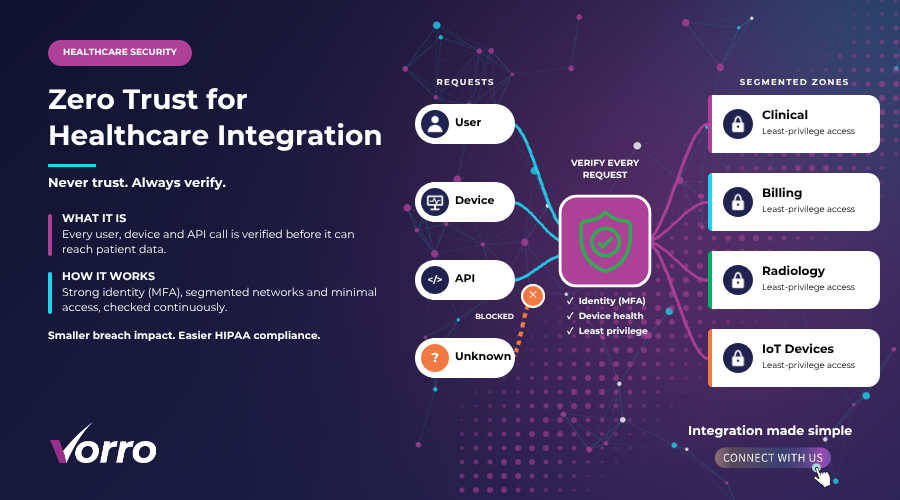
HIPAA & HITRUST Compliance
Both low?code and no?code platforms must support encrypted data at rest and in transit, audit trails, and role?based access controls. A compliance checklist should include:
- Business Associate Agreement (BAA) signed with the vendor.
- Automatic encryption of PHI using AES?256.
- Audit logging that captures who changed what and when.
- Ability to map data flows to HITRUST CSC 09 and 14.
Ask the vendor: “Can you produce a compliance report that aligns with our internal policies?” If the answer is vague, walk away.
Data Security & Privacy
Secure integration isn’t just about encryption; it’s about governance. Data Security & Privacy must be baked into the platform’s lifecycle, from sandbox to production.
Scalability & Performance
Low-code engines typically run on containerized infrastructure, letting you scale out to thousands of concurrent users. No-code SaaS solutions often cap usage at a certain transaction volume—good for pilot projects, but you’ll hit throttling if you try to serve an entire health system.
Integration Capabilities
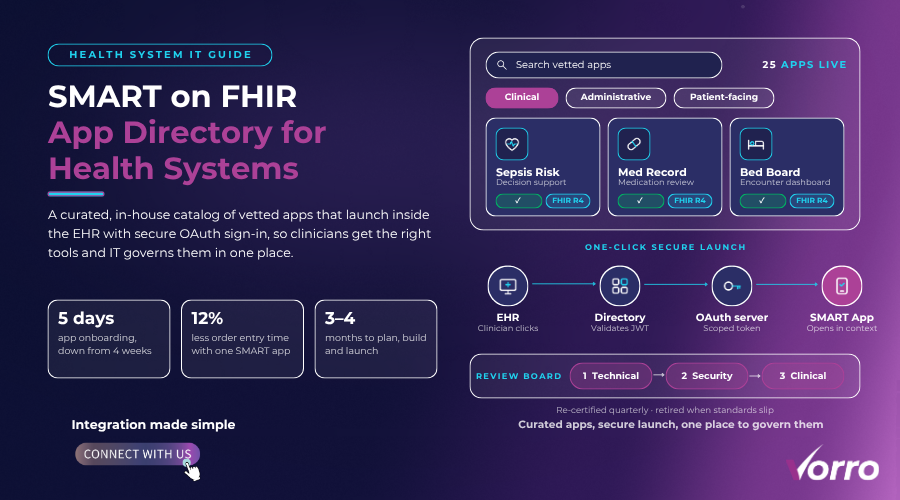
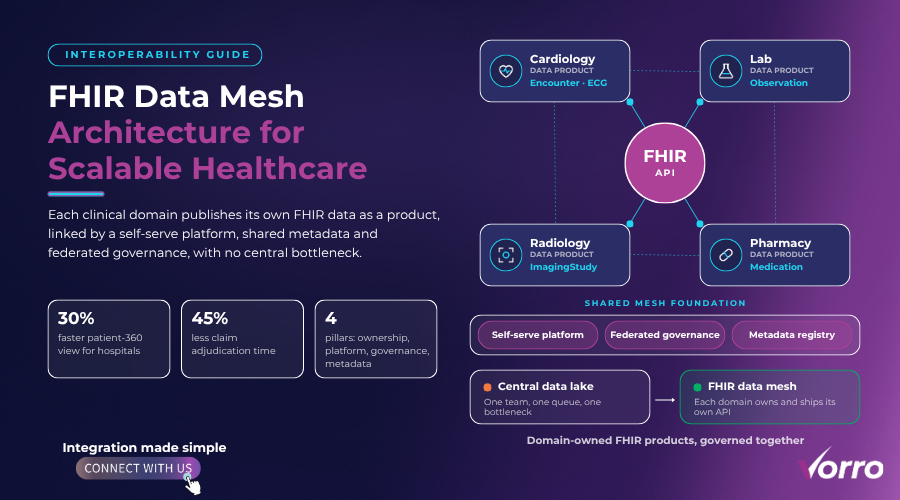
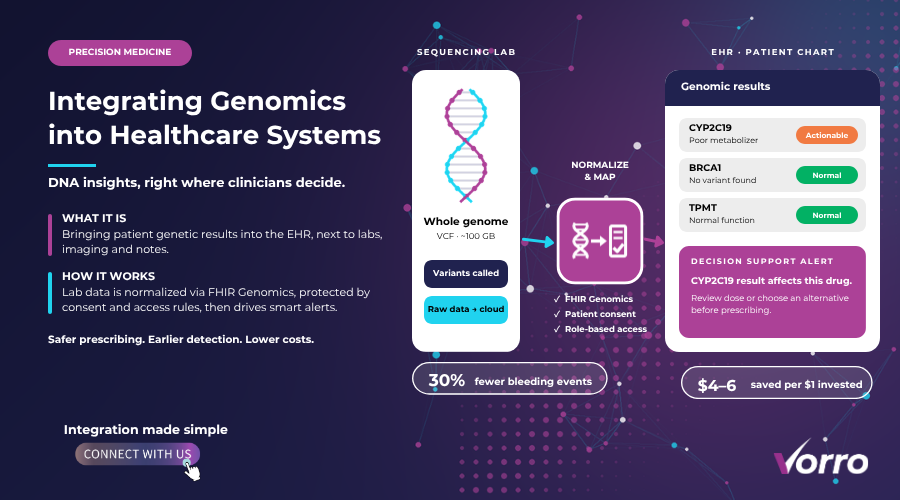
FHIR, HL7, and RESTful APIs are the lingua franca of modern health IT. Low-code platforms usually expose full SDKs for custom FHIR resources, while no-code tools rely on pre?built connectors. If you need to push a custom Observation profile, low-code wins.
Vendor Lock?In Risks
But every shortcut has a price. No-code platforms can lock you into a proprietary data model that’s hard to migrate. Low-code gives you more export options—often you can download the generated code and host it elsewhere.
Pros and Cons
Low-Code Advantages & Drawbacks
Advantages: Flexibility for complex clinical logic, better performance tuning, and easier integration with legacy EHRs.
Drawbacks: Requires a developer to manage extensions, and licensing can rise sharply with added connectors.
No-Code Advantages & Drawbacks
Advantages: Lightning?fast prototyping, low training threshold for clinicians, and often a subscription model that includes hosting.
Drawbacks: Limited custom code, potential data residency constraints, and sometimes shallow audit capabilities.
Real?World Use Cases
Patient Portal Enhancements
One regional health network used a no-code builder to add a vaccination reminder widget to its portal in just 10 days. The result: a 12% rise in adult flu?shot uptake during flu season.
Clinical Workflow Automation
Another hospital deployed a low-code solution to automate pre?operative checklist validation. The time from order to OR dropped from 48?hours to 18?hours—a 62% improvement.
Inter?operability Between EHRs and Billing Systems
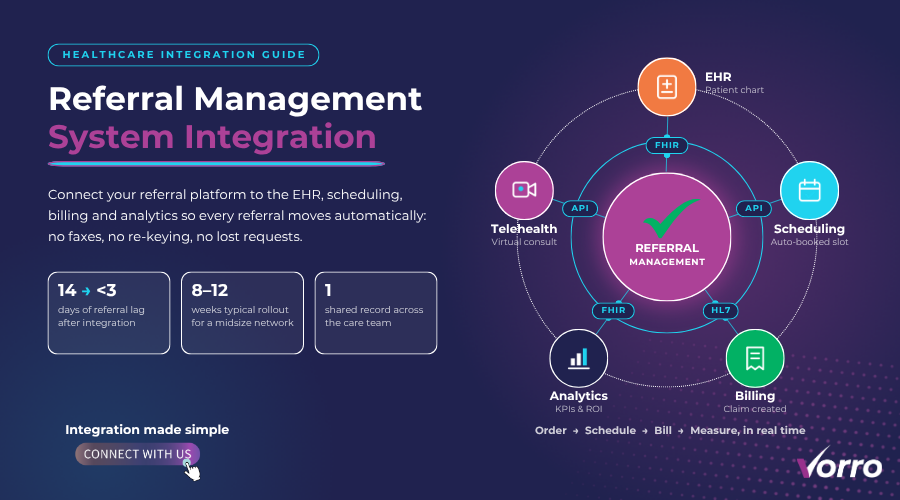
Now imagine a health system juggling three EHRs. Using low-code, they built a FHIR?based hub that translated claim data into each billing platform’s format. The effort saved roughly $2.3?M in manual reconciliation costs per year.
ROI & Cost Analysis
Upfront Licensing vs. Long?Term Maintenance
Low-code licenses average $1,200 per user per year, while no-code SaaS starts at $300. However, low-code often requires a dedicated admin (average salary $110K), whereas no-code can be run by existing staff.
Hidden Costs
Training, governance, and quality assurance can add another 15–20% on top of the headline price. Don’t forget the cost of an inadequate BAA breach—average penalties hover around $4.3?M.
Sample ROI Calculator Framework
Here’s a quick template you can plug numbers into:
- Identify baseline metric (e.g., average claim processing time).
- Estimate time saved per transaction after integration.
- Multiply by transaction volume (e.g., 250,000 claims/year).
- Assign a monetary value to saved staff hours (e.g., $45/hour).
- Subtract platform and support costs.
- The remainder is your projected annual ROI.
Using this framework, a midsize hospital saved roughly $1.1?M in the first year after switching to a low-code FHIR hub.
Implementation Roadmap
Governance & Citizen Development Policies
Start with a governance charter: define who can publish, who reviews security, and how audit logs are monitored. A “citizen developer” program works best when you pair clinicians with an IT sponsor.
Pilot Projects & Success Metrics
Pick a low?risk workflow—like scheduling follow?up appointments. Measure adoption rate, error frequency, and time?to?value. If you hit a 90% adoption threshold within 30?days, you’ve proven the model.
Scaling Beyond the Pilot
Now expand to higher?impact use cases, such as real?time lab result routing. Leverage the same governance framework, but add capacity planning to ensure your underlying infrastructure can handle the load.
Future Trends
AI?Driven Low-Code/No-Code for Predictive Care
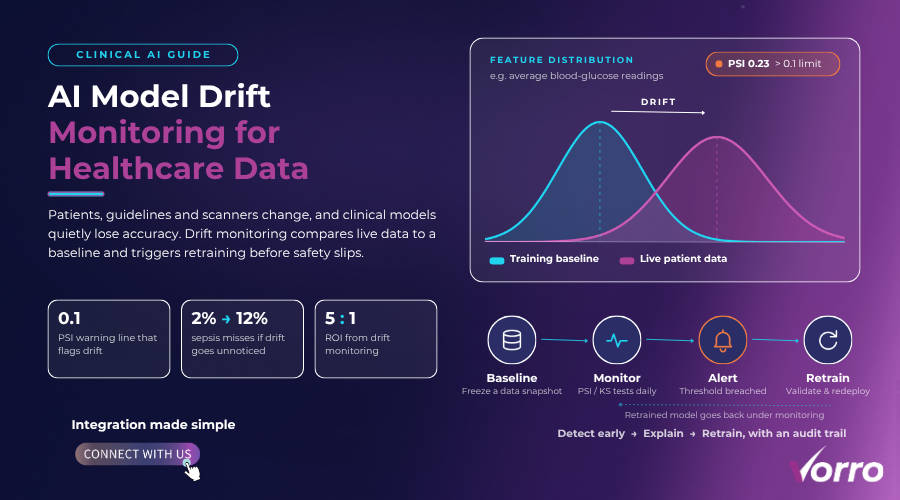
Tomorrow’s platforms will embed AI assistants that suggest data models, automatically flag HIPAA?risky fields, and even generate predictive risk scores on the fly. Early adopters are already seeing a 20% reduction in manual data entry errors.
Emerging Standards
Visual builders are beginning to support FHIR?based drag?and?drop components—think of assembling a patient summary by pulling in Observation, Medication, and Condition resources like Lego bricks. This trend will shrink development cycles even further.
Bottom Line – Which Fits Your Organization?
Decision Checklist
- Do you need deep custom logic (low?code) or a quick UI (no?code)?
- Is your data volume high enough to require scalable infrastructure?
- Can you meet HIPAA & HITRUST requirements with the vendor’s built?in controls?
- What’s your tolerance for vendor lock?in?
- Do you have internal developers or rely on citizen creators?
Quick Recommendation Matrix
| Scenario | Best Fit |
|---|---|
| Complex FHIR integrations, custom business rules | Low?Code |
| Simple patient surveys, appointment reminders | No?Code |
| Rapid prototyping with clinician involvement | No?Code |
| Enterprise?wide interoperability hub | Low?Code |
And there you have it. If you crave flexibility and have a thin?skinned IT team, low?code is your runway. If you need speed, minimal coding expertise, and a tight budget, no?code will get you there faster. Whichever path you choose, anchor your decision in compliance, ROI, and a solid governance plan—and watch your healthcare integration soar.