
Healthcare Integration Vendor Lock In Risks and How to Avoid Them
Introduction – Why Vendor Lock In Matters in Healthcare Integration
When you’re stitching together EHRs, billing systems, and telehealth platforms, every extra line of code feels like a lifeline. Vendor lock?in can turn that lifeline into a chokehold, threatening budgets, timelines, and—most importantly—patient care. That’s why you’ll hear decision?makers constantly asking, “What if the vendor disappears tomorrow?” In this article I’ll break down the real risks and hand you a practical playbook to stay agile.
What Is Vendor Lock In?
Definition and common misconceptions
Vendor lock?in happens when you become so dependent on a single supplier’s technology that switching costs explode. Many think it’s just about price hikes, but it’s also about data formats you can’t read without that vendor’s tools. In short, it’s a hidden trap that sneaks into contracts, architecture diagrams, and even staff skill sets.
How it differs in healthcare vs other industries
Healthcare’s stakes are higher than retail. A broken integration can delay a lab result, jeopardize a surgery schedule, or breach HIPAA. In finance you might lose a few dollars; in a hospital you could lose lives. That’s why the lock?in calculus in health IT includes compliance, clinical outcomes, and public trust.
Core Risks of Vendor Lock In in Healthcare Integration
Escalating costs and budget overruns
Prices that look reasonable at go?live can balloon after a year when you need additional modules or higher API call volumes. One study found a 27% cost increase on average for locked?in health systems after the first contract year.
Reduced flexibility and innovation slowdown
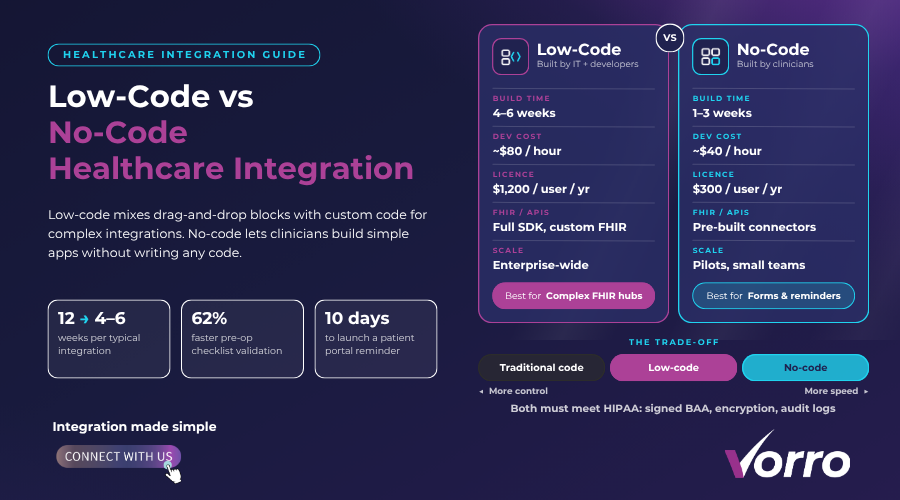
When you’re tied to a proprietary stack, adopting new standards—say, FHIR?based patient portals—can take months of custom work. The result? Your organization falls behind competitors that can plug?and?play new solutions.
Operational downtime affecting patient care
A single?vendor outage can cascade across scheduling, pharmacy, and billing. Imagine an EMR vendor’s cloud going dark for six hours—patients wait, clinicians scramble, and revenue takes a hit.
Data portability and compliance challenges
Locked?in data formats make it hard to export records, audit trails, or respond to a patient’s Right to Access request under HIPAA. If the vendor’s export tool fails, you could face hefty penalties.
Key Drivers Behind Lock In
Proprietary APIs and data formats
Vendors love to tout “unique” APIs that promise deep integration. The downside? Those APIs often don’t follow open standards, meaning you can’t easily swap them out.
Single?cloud or single?vendor architectures
Putting every component in one cloud simplifies contracts, but it also gives the provider a monopoly on uptime, pricing, and feature roadmaps.
Contractual and SLA limitations
Many contracts omit clear exit clauses or include heavy early?termination fees. When you finally need to move, the legal fees alone can eclipse the migration budget.
Proven Strategies to Avoid or Mitigate Lock?In
Adopt open standards
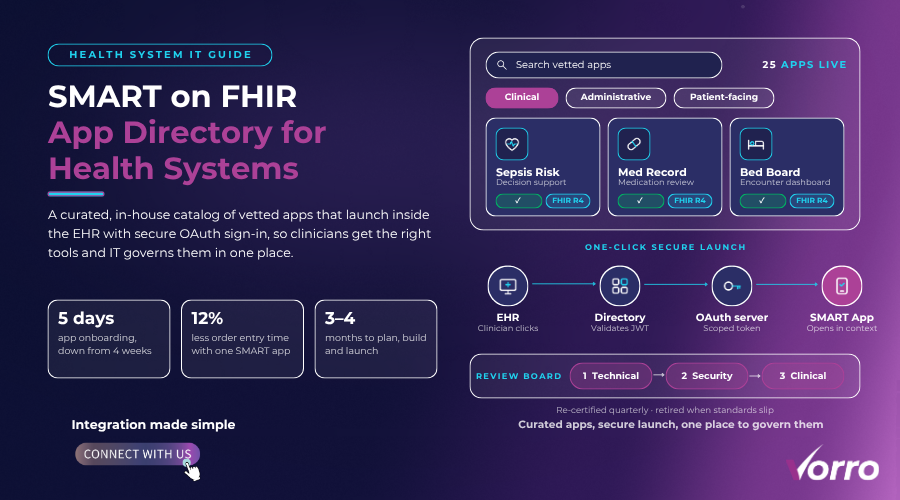
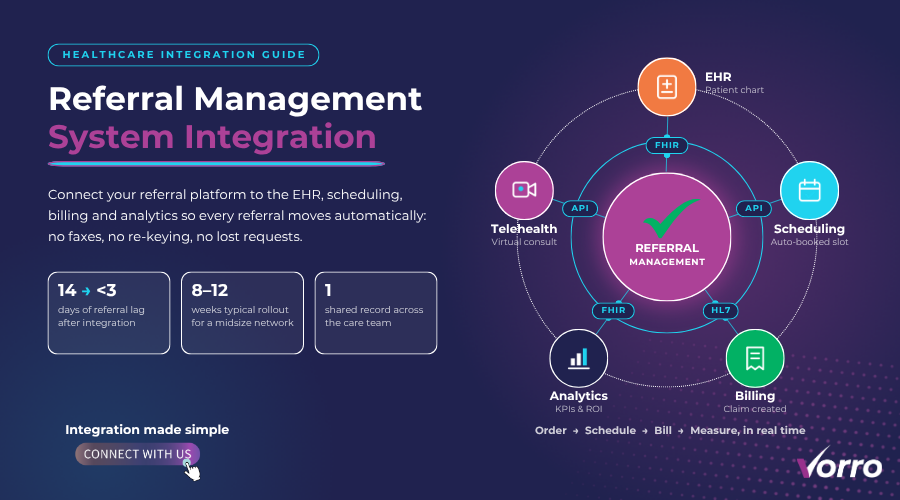
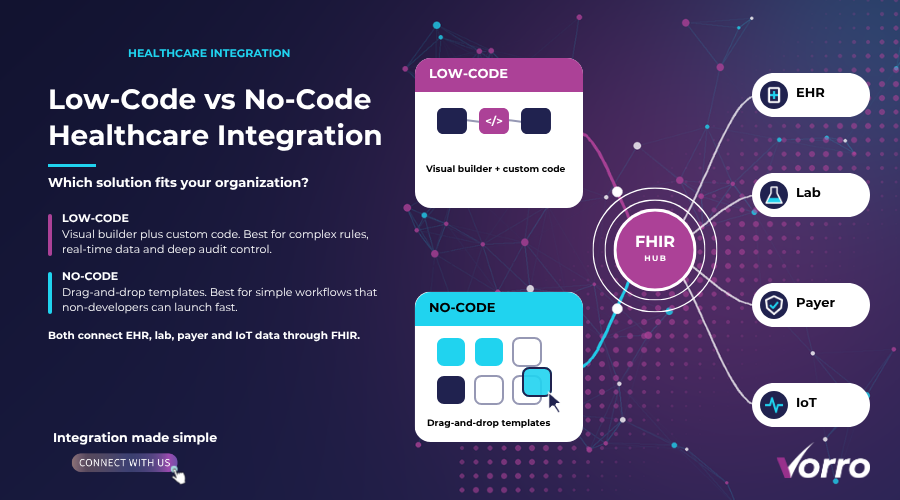
Implementing HL7?FHIR, SMART on FHIR, and open?API specifications turns your integration layer into a universal translator. That way a new analytics app can pull data without a custom connector.
Build on multi?cloud or hybrid architectures
Distribute workloads across AWS, Azure, and on?premise servers. If one provider raises prices, you can shift non?critical services to another cloud without rewriting code.
Prioritize data portability and export tools
Choose vendors that provide native CSV, JSON, and FHIR bulk export options. Test those tools early—run a mock data pull before you sign the final contract.
Use modular, micro?services design
Breaking your integration into bite?size services lets you replace a single piece without touching the whole system. Think of it as swapping a car tire instead of the entire chassis.
Negotiate clear exit clauses and performance benchmarks
Ask for a “sunset” provision that defines acceptable notice periods, data hand?off formats, and a cap on termination fees. Include SLA penalties that trigger refunds if uptime drops below 99.5%.
Governance & Continuous Monitoring
Vendor performance dashboards
Set up a live dashboard that tracks API latency, error rates, and cost per transaction. When a metric spikes, you have evidence to push the vendor or activate a backup.
Regular audit of integration points
Schedule quarterly reviews of every API contract, data schema, and security configuration. An audit can uncover hidden dependencies before they become roadblocks.
Emerging Considerations
AI/ML model portability and vendor dependencies
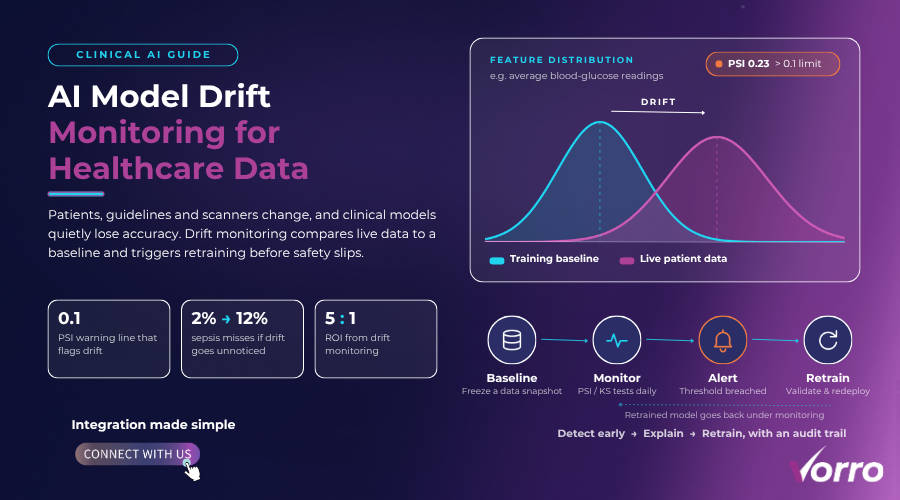
More hospitals are embedding predictive models for readmission risk. If those models live inside a vendor’s proprietary platform, moving them to a new analytics engine can be a nightmare. Choose AI frameworks that export models in ONNX or TensorFlow formats.
Regulatory compliance alignment with lock?in mitigation
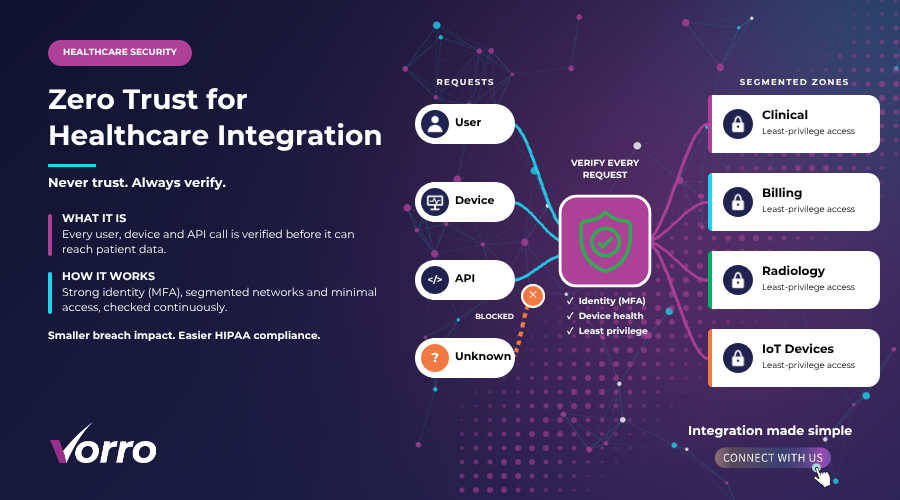
HIPAA requires you to maintain an accessible audit trail. GDPR adds the right to data portability. By insisting on open standards and export tools, you satisfy both regulations while reducing lock?in exposure.
Step?by?Step Migration Roadmap
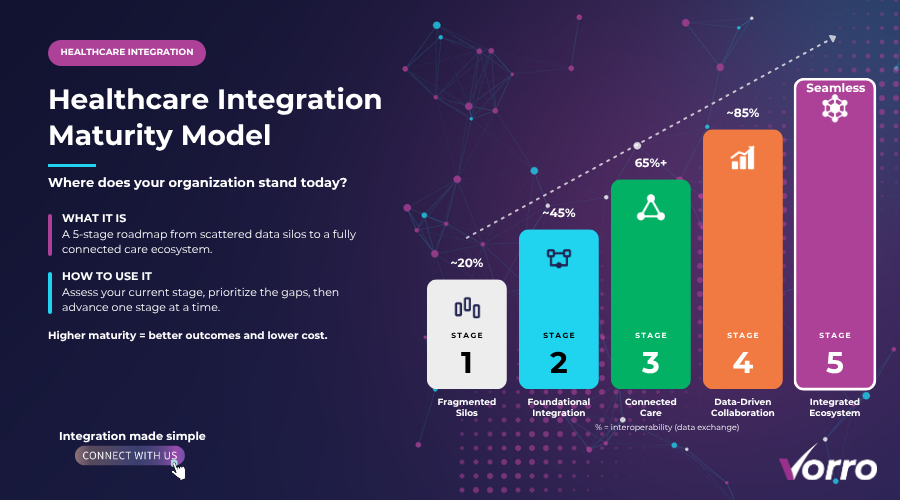
Assessment phase
Start with an inventory: list every integration point, note the underlying API type, and rate the criticality on a 1?5 scale. This baseline tells you where the biggest risks lie.
Pilot with open?source alternatives
Pick a low?risk service—say, a patient satisfaction survey—and replace the vendor’s component with an open?source tool like OpenMRS. Measure the effort, cost, and performance impact.
Gradual switchover and validation
Move high?value workloads in stages. After each phase, run parallel processing for 48?hours, compare data integrity, and only then cut the old connection. This approach limits downtime to minutes, not days.
Real?World Case Study
Hospital network that avoided lock?in and saved 30% costs
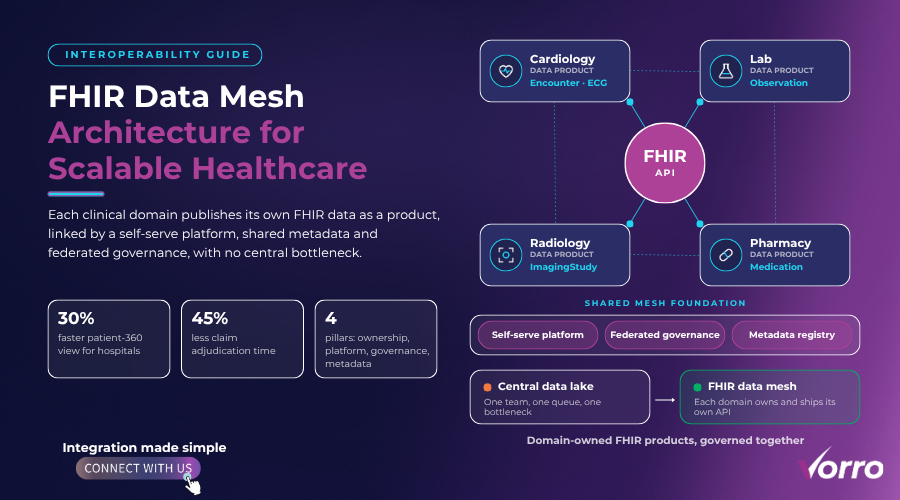
Midwest Health System, a 12?hospital network, faced a contract renewal with a single?vendor integration platform. Instead of renewing, they adopted a hybrid model: core patient records stayed on the vendor’s cloud, while ancillary modules (appointment scheduling, billing) were rebuilt on open?source micro?services using FHIR.
Within 18?months the network cut integration licensing fees by 30%, reduced average API latency from 420?ms to 180?ms, and reported a 12% uptick in patient satisfaction scores due to faster appointment confirmations. Their compliance audit also passed with zero findings, thanks to a clean data export process.
Checklist & Quick Wins
10?point vendor lock?in avoidance checklist
- Map every integration point. Document APIs, data formats, and owners.
- Prefer open standards. FHIR, HL7, and REST?over proprietary schemas.
- Test data export. Pull a full data set within 24?hours.
- Ask for multi?cloud options. Verify you can run a service on at least two clouds.
- Negotiate exit clauses. Include notice periods, fee caps, and hand?off formats.
- Set performance KPIs. Track uptime, latency, and cost per API call.
- Implement micro?services. Keep each function independent.
- Audit AI models. Ensure they export in standard formats.
- Align with HIPAA and GDPR. Verify export tools meet data?access rights.
- Run quarterly drills. Simulate a vendor outage and measure recovery time.
Future?Proof Your Healthcare Integration
Lock?in isn’t a fate you have to accept. By choosing open standards, designing modular architectures, and staying vigilant with governance, you protect your budget, your patients, and your compliance posture. The healthcare landscape will keep evolving—new APIs, AI models, and regulations will appear. If you’ve built flexibility into the foundation today, tomorrow’s changes will feel like upgrades, not crises.
Remember, the best defense against vendor lock?in is a proactive strategy, not a reactive excuse. Start mapping, start negotiating, and watch your integration ecosystem thrive without the shackles.
Frequently Asked Questions
How can healthcare organizations detect early signs of vendor lock?in?
Look for rising maintenance fees, limited API access, and dependency on proprietary formats that make data extraction difficult. Also, monitor if the vendor restricts third?party integrations or imposes rigid upgrade paths.
What contract clauses should be included to prevent lock?in with integration vendors?
Include data?portability provisions, clear exit?strategy timelines, and rights to use open standards. Also, negotiate price?cap clauses for future services and require the vendor to maintain documentation for all custom interfaces.
Which data standards help reduce lock?in risk in healthcare integration projects?
Adopting HL7 FHIR, LOINC, and SNOMED CT ensures interoperability across platforms. Using these open standards lets you swap or add vendors without re?engineering data exchange flows.
How does vendor lock?in impact compliance with HIPAA and other regulations?
If a vendor controls access to PHI and cannot provide audit logs or breach notifications, you may fall short of HIPAA requirements. Lock?in can also hinder the ability to implement required security updates or privacy controls promptly.
What are effective migration strategies if you need to switch integration vendors?
Start with a phased data?migration plan that extracts data in standard formats, run parallel systems during transition, and validate functionality with test cases. Keep detailed documentation of custom workflows to recreate them on the new platform.