How to Seamlessly Integrate Digital Therapeutics into EHR Systems
Introduction to Digital Therapeutics & EHR Integration
What are digital therapeutics
Digital therapeutics are software?driven clinical interventions that deliver evidence?based therapy. Think of a CBT app that reduces anxiety scores by 30% in twelve weeks. I’ve seen patients actually improve their PHQ?9 from 15 to 7 after a few months of guided use.
Why integrate with EHR
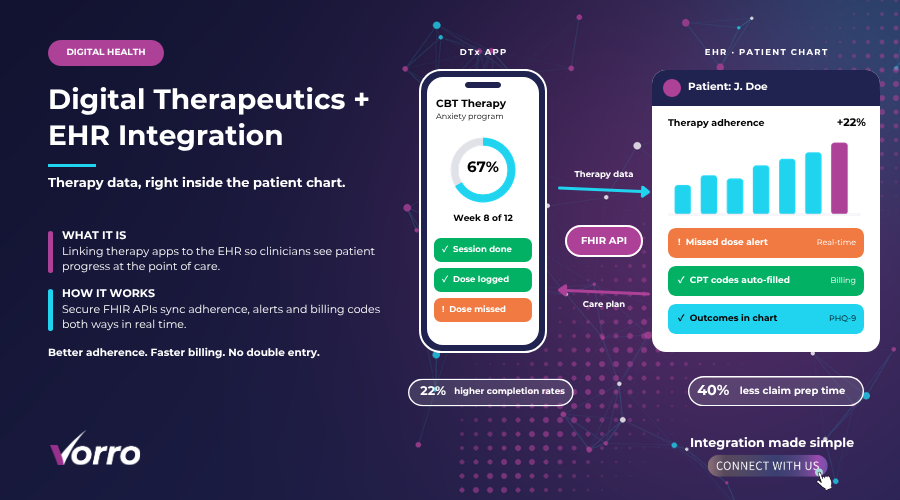
Because clinicians need the data at the point of care. When a therapist can see a patient’s adherence chart inside the chart, decisions get faster. And you avoid double?entry nightmares.
Core Benefits of Integration
Real?time data flow for clinicians
Instant alerts pop up when a patient misses a dose, letting you intervene before a crisis. It’s like having a silent partner that watches the data 24/7.
Improved patient adherence & outcomes
Studies show a 22% jump in completion rates when DTx data syncs with the EHR dashboard. Patients feel heard, and you see the numbers.
Streamlined billing & reimbursement
Bidirectional sync feeds CPT codes automatically, cutting claim preparation time by roughly 40%.
Technical Foundations
Interoperability standards
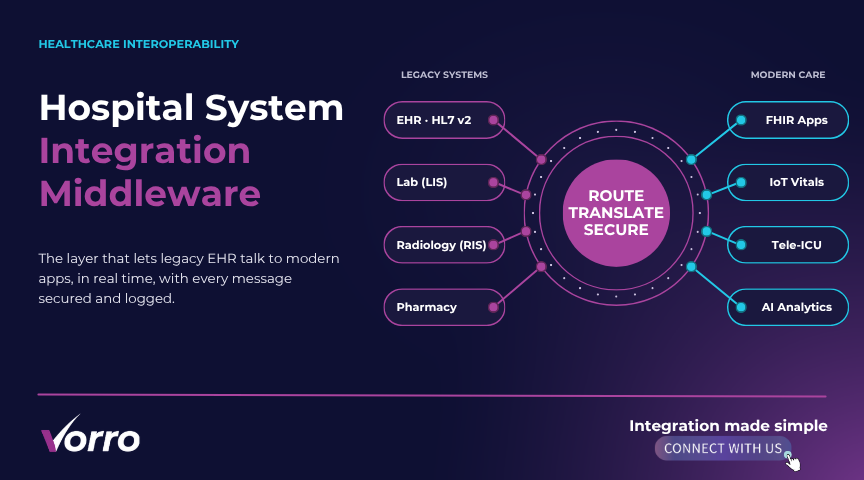
FHIR resources such as Observation and MedicationAdministration carry the therapy logs. HL7 messages still work for legacy walls, but APIs using OAuth2 and JWT keep the traffic secure.
Common integration models
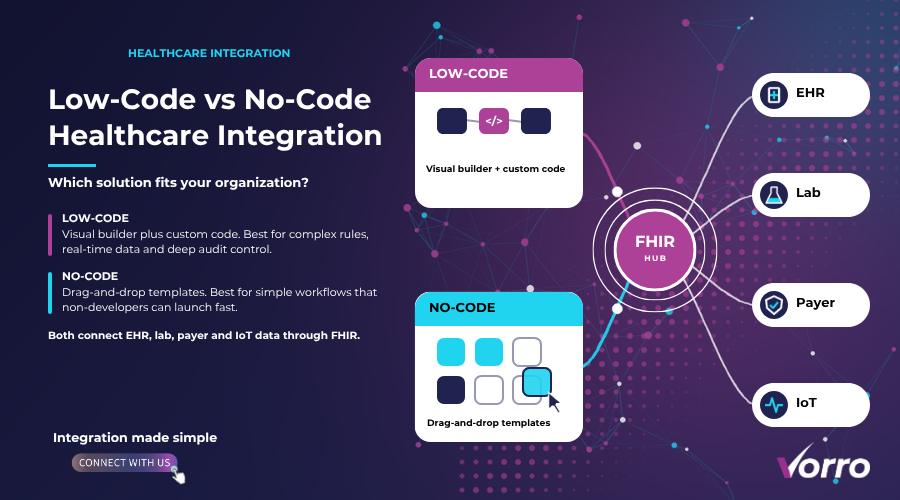
Embed the DTx UI in the clinician’s pane, launch?and?link from the portal, or set up a bi?directional sync that writes back adherence metrics. Pick the model that matches your workflow, as many providers discover when they choose a fully managed EMR integration.
Security & Compliance
HIPAA GDPR and data?privacy best practices
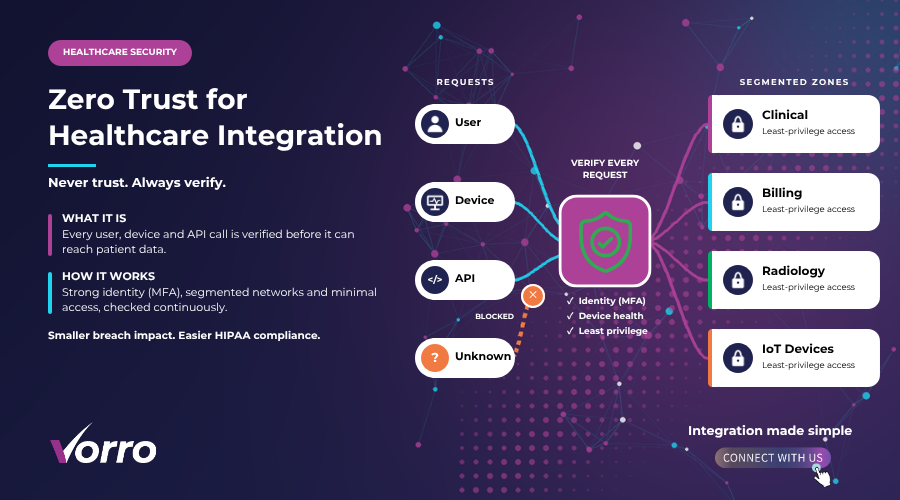
Encrypt in transit, store only what you need, and guard consent flags like they’re gold. Role?based access ensures a nurse sees what a pharmacist needs.
Role?based access and audit trails
Every read/write event logs a timestamp and user ID – a simple way to pass an audit with flying colors.
Implementation Roadmap
Assessment & stakeholder alignment
Kickoff with IT, clinical leads, and the DTx vendor. Map current workflows; identify gaps in three weeks.
Pilot design and KPI selection
Run a 90?day pilot on one cardiology unit. Track adherence rate, readmission reduction, and cost per episode – aim for a 15% readmission drop.
Full?scale rollout & training
Scale in two?month waves, pairing super?users with bedside champions. Ongoing webinars keep skills fresh.
Measuring ROI and Patient Engagement
Cost?benefit metrics
Calculate ROI by comparing avoided readmissions (average $12,000 each) against integration spend, while accounting for the hidden costs of DIY healthcare integration. Many health systems see a break?even in under six months.
Clinical outcome dashboards
Dashboards visualize adherence trends, letting you spot spikes or drops in real time.
Real?World Case Examples
Success story from a health system
A Midwest hospital linked a chronic pain DTx to its EHR. Within eight weeks, opioid prescriptions fell 18% and patient satisfaction rose to 92%.
Future Trends & the Digital Front Door
Leveraging patient?generated data
Imagine the patient portal feeding sleep scores directly into the therapeutic algorithm – that’s the digital front door patient data integration we’re heading toward.
AI?driven personalization
Next?gen AI will tweak dosage reminders based on real?time stress markers, making therapy feel tailor?made.
In short, a well?planned digital therapeutics EHR integration cuts friction, boosts outcomes, and pays for itself fast. Start with a clear roadmap, keep security tight, and watch the data work for you.
Frequently Asked Questions
What interoperability standards should I use to connect a digital therapeutic to an EHR?
The most common standards are HL7 FHIR for data formats and APIs, and SMART on FHIR for app authentication and authorization. Using these ensures the therapeutic can read and write patient data across most major EHR platforms.
How can I ensure patient data security when integrating digital therapeutics with EHR systems?
Implement end?to?end encryption, use OAuth?2.0/OpenID Connect for secure token?based access, and follow HIPAA?or?equivalent privacy rules. Regular security audits and audit?log monitoring further protect protected health information.
What are the typical steps to implement a digital therapeutic integration into an existing EHR?
1) Gather clinical and technical requirements, 2) Choose the appropriate FHIR resources and authentication method, 3) Develop or configure the integration layer (middleware or API), 4) Test in a sandbox environment, 5) Deploy to production with monitoring and support.
Can integrating digital therapeutics improve reimbursement and billing processes?
Yes; integration can automatically capture usage data, apply the correct CPT or HCPCS codes, and generate claim files directly from the EHR. This reduces manual entry errors and speeds up payer reimbursement cycles.
How does real?time data exchange between a digital therapeutic and an EHR impact clinician workflow?
Clinicians receive up?to?the?minute adherence and outcome metrics within the patient chart, enabling timely interventions. Integrated alerts and dashboards streamline decision?making without requiring separate logins or manual data imports.