Patient Data Integration Platform: Boost Care Quality and Operational Efficiency
What Is a Patient Data Integration Platform?
Definition & Core Purpose
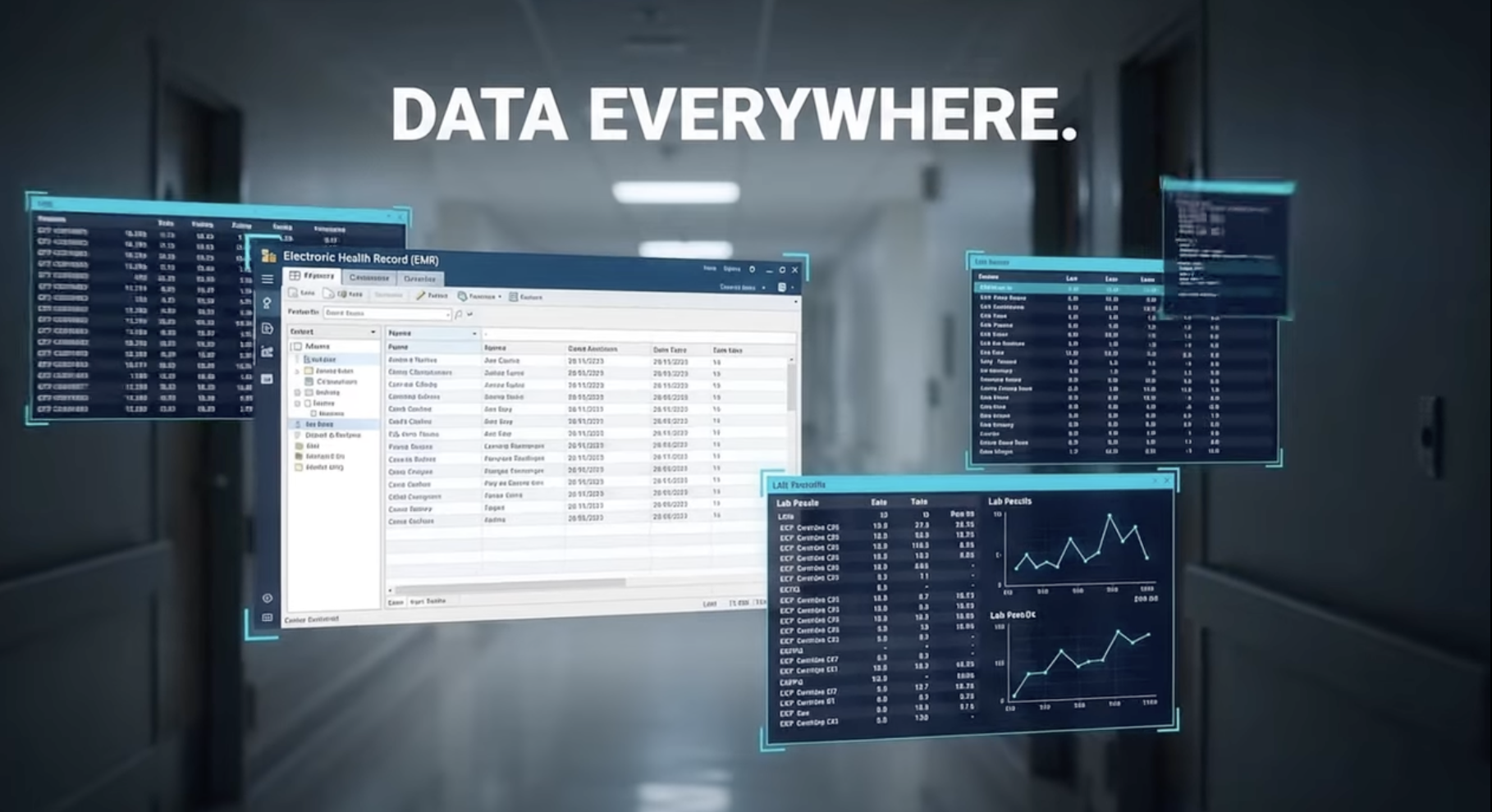
In plain terms, a patient data integration platform stitches together records from EHRs, labs, and imaging so clinicians see a single, actionable view. I’ve seen it cut chart?review time by up to 40%.
Key Differences from General Healthcare Integration
General tools focus on billing or admin feeds. This platform zeroes in on clinical nuance—medication histories, allergies, even behavioral health notes—delivering care?centric data instead of just numbers.
Core Benefits for Providers and Patients
Unified Clinical Records
Imagine a primary care doctor pulling a mental?health assessment without logging into a separate portal. Unified records reduce duplicate tests and keep patients safe.
Real?time Data Access
Now emergency rooms get lab results in seconds, not hours. Real?time feeds mean faster diagnoses and shorter stays.
Improved Care Coordination
And care teams can collaborate on a shared dashboard, aligning treatment plans across specialties. The result? Higher satisfaction scores and fewer readmissions.
Essential Features
Interoperability Standards
Compliance with FHIR and HL7 isn’t optional—it’s the backbone. Patient data interoperability solution relies on these standards to talk to any system.
Behavioral Health Integration
Behavioral health platform integrations let you blend therapy notes with medication lists, something many vendors overlook.
Data Security & Privacy Controls
Strong encryption, audit trails, and consent management keep you HIPAA?compliant while patients retain control over their data.
Implementation Best Practices
Assessing Existing Infrastructure
First, map current data silos. A quick inventory often reveals 3–5 redundant interfaces that can be retired.
Choosing Scalable Architecture
But cloud?native options, designed around robust healthcare data architecture governance & scalable platform design, let you add new sources—wearables, telehealth—without massive hardware swaps.
Change Management & Training
So invest in hands?on training. Clinicians who feel the platform saves time become its biggest advocates.
Common Challenges & How to Overcome Them
Data Silos & Legacy Systems
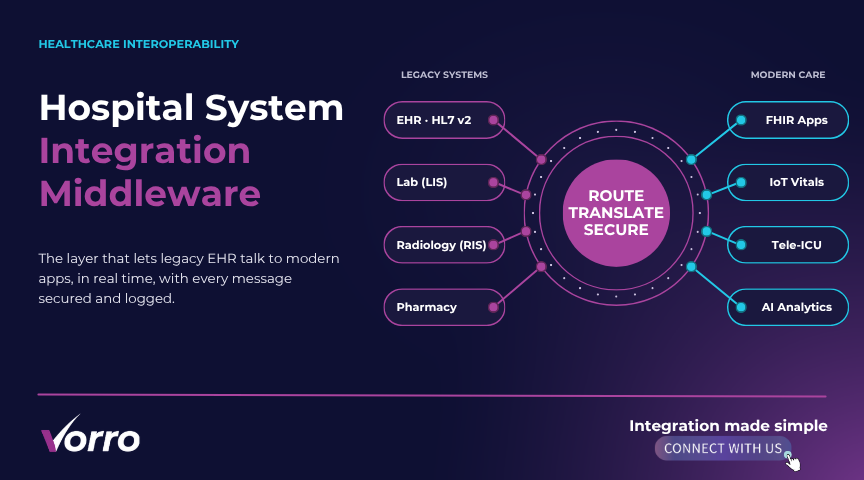
Legacy EMRs resist connection. Middleware adapters act as translators, bridging old formats to modern APIs.
Regulatory Compliance
And stay ahead of state consent rules—automated consent workflows cut compliance risk dramatically.
Vendor Lock?in Risks
Choose open standards and modular services; that way you can swap components without a full rewrite.
Future Trends
AI?driven insights, guided by emerging AI governance principles, frameworks & best practices, will soon surface risk scores directly in the dashboard, while cloud?native platforms promise zero?downtime upgrades.
ROI Calculator Example
We ran a pilot at a midsize hospital: $1.2?M saved in reduced imaging, $800?K in shorter LOS, and a 12% boost in patient?satisfaction scores—all within 18?months.
Vendor Evaluation Checklist
- Supports FHIR and HL7 out of the box.
- Offers behavioral health platform integrations.
- Provides transparent pricing and no?lock?in clauses.
- Has documented HIPAA audit results.
- Includes a sandbox for testing.
Bottom line: a patient data integration platform isn’t just another IT project; it’s a strategic lever to raise care quality and cut costs. Pick a solution that speaks the language of clinicians, protects patient privacy, and scales with your future needs.
Frequently Asked Questions
How does a patient data integration platform differ from generic healthcare data integration tools?
A patient data integration platform is purpose?built to consolidate full clinical records for individual patients, whereas generic tools often focus on batch data exchange or limited point?of?care feeds. It emphasizes real?time, patient?centric view and care coordination, while generic solutions may lack built?in support for clinical workflows and consent management.
What interoperability standards are typically supported by patient data integration platforms?
Most platforms implement FHIR (Fast Healthcare Interoperability Resources) and HL7 v2/v3 to exchange structured clinical data. They also provide mappings for DICOM, CCD and support emerging standards like SMART on FHIR for app integration.
Can behavioral health information be integrated with medical records in these platforms?
Yes, modern platforms include dedicated modules for behavioral health integration, allowing mental health notes, therapy outcomes, and substance?use data to be linked securely with physical health records. This unified view supports holistic treatment planning while respecting consent and privacy rules.
What security and privacy controls should I look for when choosing a patient data integration platform?
Key controls include end?to?end encryption, role?based access, audit trails, and compliance with HIPAA, GDPR, and local regulations. Look for granular consent management, data de?identification capabilities, and regular third?party security certifications.
What are common implementation challenges and how can they be mitigated?
Challenges include legacy system incompatibility, data mapping complexity, and staff resistance. Mitigate them by conducting a thorough data assessment, using middleware for transformation, adopting phased rollouts, and providing comprehensive training and stakeholder engagement.