Introduction
When you hear “behavioral health integration,” you’re hearing a promise: primary care and mental health working side?by?side like a well?oiled team. It’s not a buzzword; it’s a shift from sending patients off to an external therapist to having mental health screening, diagnosis, and treatment happen right where they get their blood pressure checked. Over the past decade, more than 70?% of health systems have launched some form of behavioral health integration pilot, and the evidence is clear—patients stick around longer, and costs dip under the right incentives.
Why Behavioral Health Integration Is Unique
Traditional referral models feel like handing a patient a crumpled napkin with a phone number on it. They’re clunky, prone to drop?off, and often double the paperwork. In contrast, an integrated workflow lets the primary clinician flag depression, the behavioral health specialist jumps in via the same chart, and the care plan updates in real time. Clinical outcomes improve—studies show a 30?% boost in depression remission rates when collaborative care is used. Financially, every $1 invested in integration can return $2.50 in avoided hospitalizations.
At the heart of this synergy sits the collaborative care model: a care manager, a consulting psychiatrist, and the primary provider all sharing a single patient record. It turns siloed treatment into a seamless conversation.
Privacy Rules 42 CFR Part 2
Most folks think HIPAA is the only privacy hurdle, but 42?CFR Part?2 adds a whole extra layer for substance use disorder records. While HIPAA protects health information broadly, Part?2 specifically locks down any data that could identify a patient’s addiction treatment. That means you can’t just mash those notes into a generic EHR without safeguards.
Here’s a quick compliance cheat sheet:
- Obtain a written patient consent before sharing any substance?use info.
- Store Part?2 data in a separate module or encrypted field.
- Limit access to staff with a “need?to?know” justification.
- Audit logs must capture every view, edit, or export of protected records.
- When you forward a referral, strip out any Part?2 details unless consent says otherwise.
Following these steps keeps your care coordination integration both legal and trustworthy.
Systems to Connect
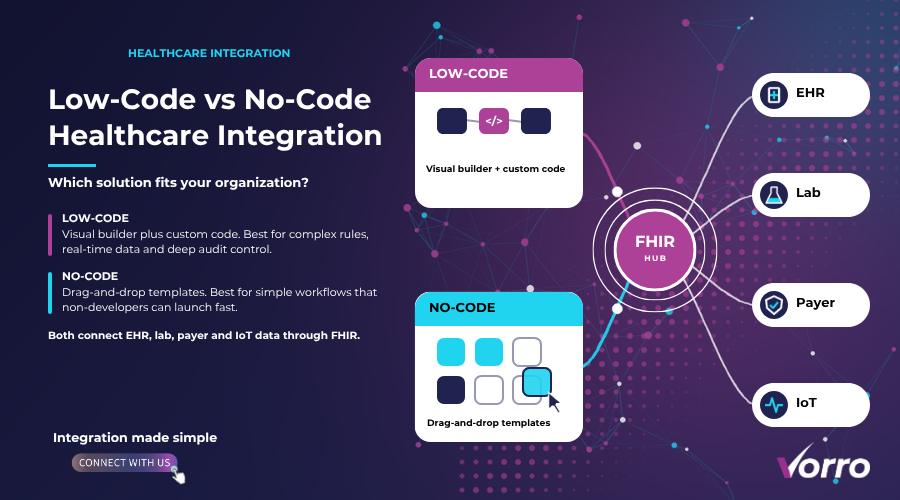
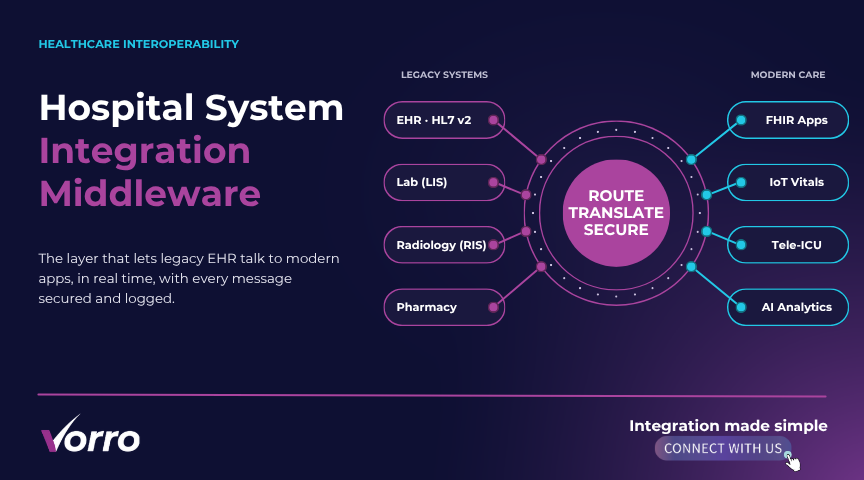
Integration isn’t just about people; it’s about data pipelines. Your primary EHR must talk to a behavioral health EHR, a pharmacy system, lab results, and even a telehealth platform if you’re offering video counseling. Standards like FHIR and HL7 act as the universal translators, while the CCD (Continuity of Care Document) stitches together summaries for quick hand?offs.
Pick vendors that already support behavioral health EHR integration out of the box. If you’re pulling in mental health data integration from a separate portal, look for ready?made APIs that push assessment scores straight into the patient’s chart. That way your care manager doesn’t need to copy?paste numbers into a spreadsheet.
What to Look for in a Solution
Not every product on the market will meet a health system’s exacting standards. Here’s my short list of must?haves:
- Screening tools built in. PHQ?9, GAD?7, and AUDIT-C should launch with a single click.
- Documentation templates that capture both medical and behavioral notes without forcing you to toggle systems.
- Care plan builder that links goals, referrals, and medication orders in one view.
- Part?2 safeguards. Automatic consent prompts, encrypted storage, and role?based access controls.
- Interoperability. Open APIs, FHIR resources, and HL7 messaging for a true behavioral health interoperability experience.
- Reporting engine. Dashboards that track NQF quality metrics, MACRA value scores, and readmission rates.
- Vendor support. 24/7 help desk, on?site training, and a roadmap that scales as you add new clinics.
Financial and Reimbursement Models
Integration only sticks when the money flows. Medicare introduced CPT code 99484 for chronic care management of mental health conditions, and many private payers now bundle behavioral health into value?based contracts. If you can document a documented care plan and show regular follow?up, you’ll qualify for the monthly per?patient payment that can offset staff salaries.
Don’t overlook bundled payments for episodes of care—some ACOs pay a single fee for a heart?failure case that includes depression screening and treatment. That’s where the ROI becomes crystal clear: better outcomes, lower total cost of care, and a healthier bottom line.
Implementation Roadmap
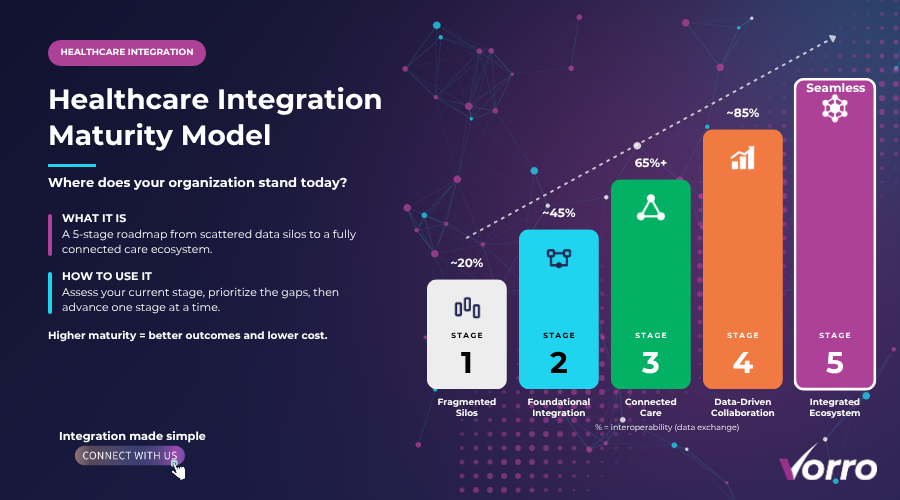
Trying to flip a switch overnight usually ends in chaos. I’ve broken the rollout into five milestones that keep the team focused and the data clean.
- Assess current workflows. Map every point where mental health touches primary care, from intake forms to discharge summaries.
- Select a pilot site. Choose a clinic with a motivated physician champion and a reasonable patient volume (about 1,200 visits per month is ideal).
- Configure technology. Activate Part?2 consent modules, enable FHIR endpoints, and test data flow with a handful of mock patients.
- Train staff. Run role?specific sessions—clinicians learn screening, care managers master the care plan builder, IT staff practice audit?log reviews.
- Go live and measure. Track KPIs such as screening completion rate (>85?%), referral turnaround time (<48?hours), and depression remission (?30?% at six months).
After the pilot proves its worth, expand to other sites, tweak the care pathways, and keep an eye on emerging reimbursement opportunities.
FAQs
- What is the difference between BHI and collaborative care?Behavioral health integration is the umbrella term for any melding of physical and mental health services. Collaborative care is a specific evidence?based model inside that umbrella—think of it as the playbook that tells you who does what, when.
- How does 42 CFR Part 2 affect EHR integration?It forces you to separate substance?use records, require consent before sharing, and keep robust audit trails. In practice, you’ll need a dual?module EHR or a secure vault that talks to your main system via encrypted APIs.
- Which reimbursement models support BHI?Besides CPT 99484, look for bundled payments, shared savings agreements, and MACRA Advanced Alternative Payment Models that explicitly reward mental?health outcomes.
- What are the first steps to start integration?Start with a workflow audit, pick a pilot, and lock down Part?2 compliance. Then you can choose a vendor that offers the right behavioral health EHR integration features.
- Can small practices implement BHI cost?effectively?Yes—cloud?based platforms now charge per provider rather than per site, and many offer a pay?as?you?grow pricing tier. A solo family practice can add a behavioral health module for under $2,000 a month and immediately start capturing preventive mental?health visits.
Takeaway
We’ve covered the why, the how, and the what of behavioral health integration. The key is to treat privacy (especially 42?CFR Part?2) as a feature, not an afterthought; pick technology that talks to every corner of your ecosystem; and align your financial strategy with the reimbursement codes that reward coordinated care. If you assess your current workflows, pilot a compliant solution, and measure the right KPIs, you’ll turn seamless care coordination from a lofty ideal into a daily reality.