Why healthcare EDI matters today
When you think about sending a claim, you might picture a stack of paperwork and endless phone calls. In reality, healthcare EDI integration moves that data instantly, cutting processing time by up to 70% for many providers. And you’ll notice fewer denied claims when the right codes flow straight from your EMR to the payer.
Core components of integration
Getting the whole picture in place means more than swapping a file here and a file there. You need standards, transaction sets, and a solid workflow that talks to every stakeholder.
Standards and X12 integration
The backbone of any EDI project is the X12 standard. Without it, you’re just sending gibberish. X12 integration ensures that messages like eligibility checks and claim submissions are formatted the way insurers expect. So, if you’re already using an EDI integration healthcare platform, you’re probably leveraging X12 under the hood.
Transaction sets 837 835 270 271
Every transaction has a number. The 837 carries the claim, the 835 returns the payment, 270 asks “is this patient covered?” and 271 says “yes, here’s the coverage.” A typical practice might see 10,000 837s a month, but only a handful of 270/271 checks—yet those few checks can prevent a $50,000 surprise bill.
Common challenges and how to avoid them
Even seasoned IT teams hit snags. Data mismatches are the #1 cause of claim rejections, and they often stem from different identifier formats. But a quick audit of your patient master file can slash those errors by 40%.
- Inconsistent naming conventions – align them early.
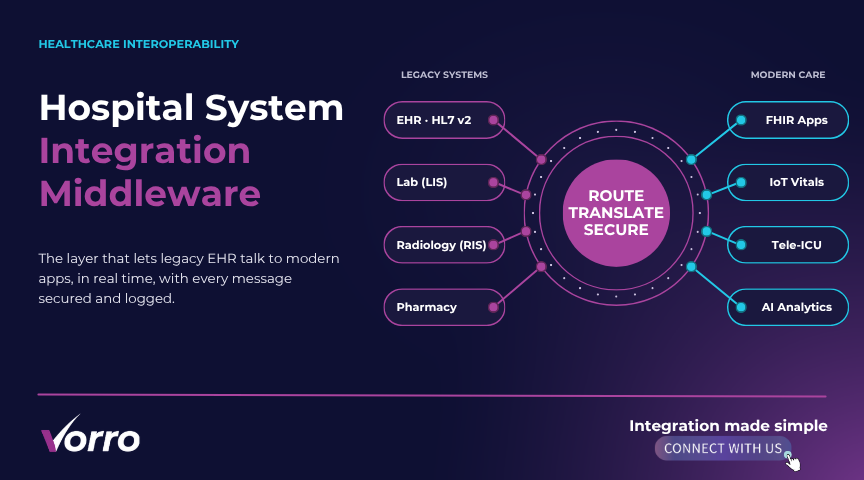
- Legacy systems that don’t speak X12 – consider a middleware bridge.
- Regulatory changes that appear overnight – stay subscribed to HIPAA updates.
And remember, the people who actually enter the data need training. A 2?hour workshop saved one clinic $12,000 in denied claims last quarter.
Practical steps to get started
If you’re ready to roll, here’s a roadmap that’s worked for me and dozens of clients.
Assess your data sources
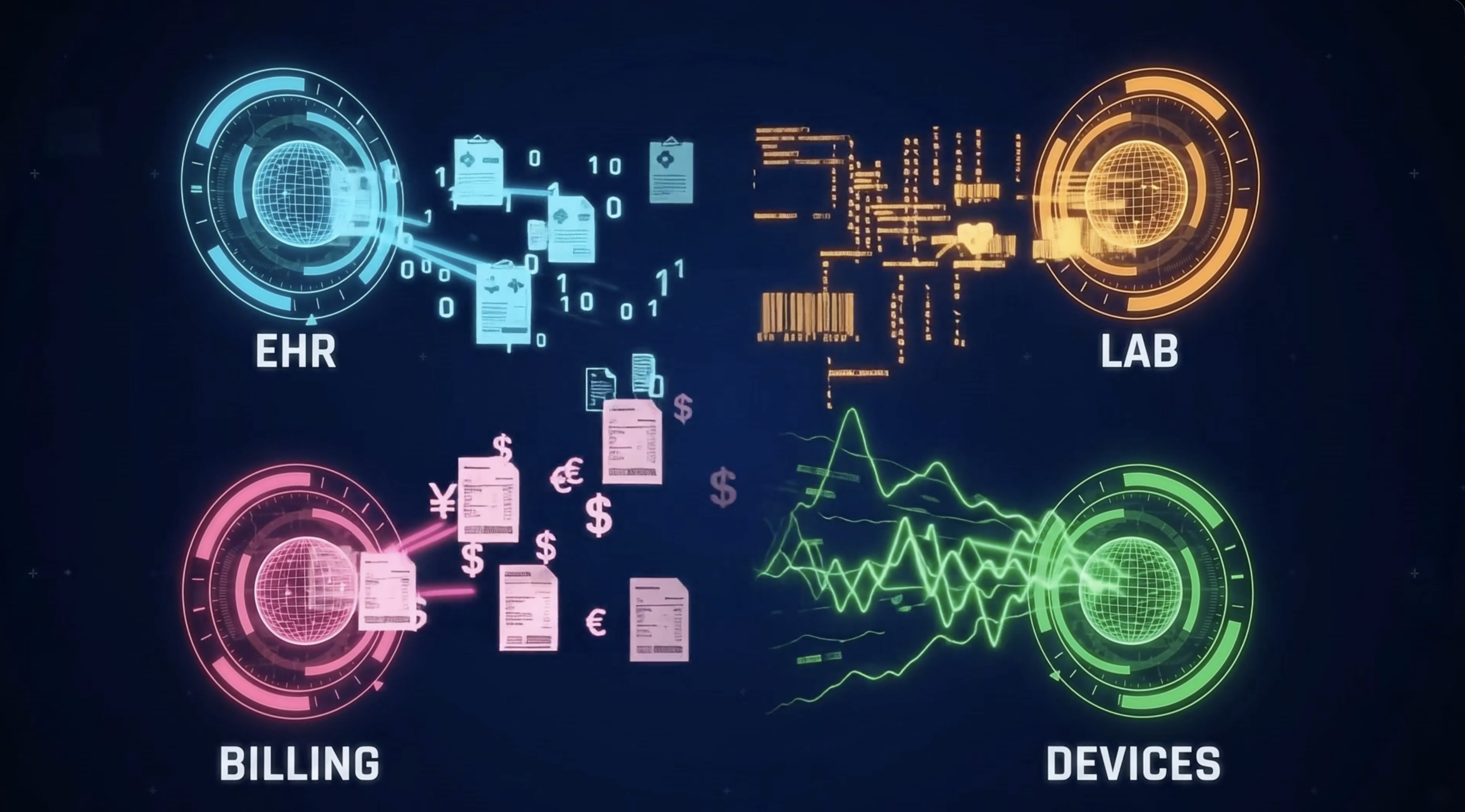
Start by mapping every system that touches patient information – EMR, billing software, lab results. You’ll quickly see where “eligibility verification” lives and where it doesn’t.
Choose the right platform
Look for a solution that offers out?of?the?box 837 and 835 support, plus a sandbox for testing. One provider I’ve partnered with cut onboarding time from 90 days to 30 by using pre?built connectors.
Test claims integration
Never go live without a pilot. Send a batch of 50 test 837s to a willing payer and watch the 835 responses roll in. If you catch a single mismatch, you’ll know where to fine?tune.
Real?world success story
Last year, a mid?size orthopedic group switched from manual claim entry to a cloud?based EDI suite. Their claims volume jumped from 3,200 to 5,800 per month, but denied rates fell from 12% to 3%. The secret? They automated eligibility verification (270/271) before each visit, catching coverage gaps early.
Best practices for ongoing success
Integration isn’t a set?and?forget deal. Keep these habits on your radar.
- Schedule quarterly audits of transaction logs – look for spikes in 837 rejections.
- Maintain a change?log for any payer rule updates – a single new code can cause a cascade of errors.
- Engage staff regularly. A quick “what’s new this week?” huddle builds confidence.
And don’t forget to monitor the financial impact. A simple dashboard that tracks paid vs. denied claims can reveal a $200,000 improvement within six months.
Final thoughts
In short, healthcare EDI integration is the highway that lets your practice roar past paperwork bottlenecks and keep cash flowing. By mastering X12 standards, embracing the 837/835/270/271 sets, and treating the project as a living system, you’ll see faster reimbursements, fewer claim denials, and happier patients. So roll up your sleeves, map those data streams, and let the digital exchange do the heavy lifting.