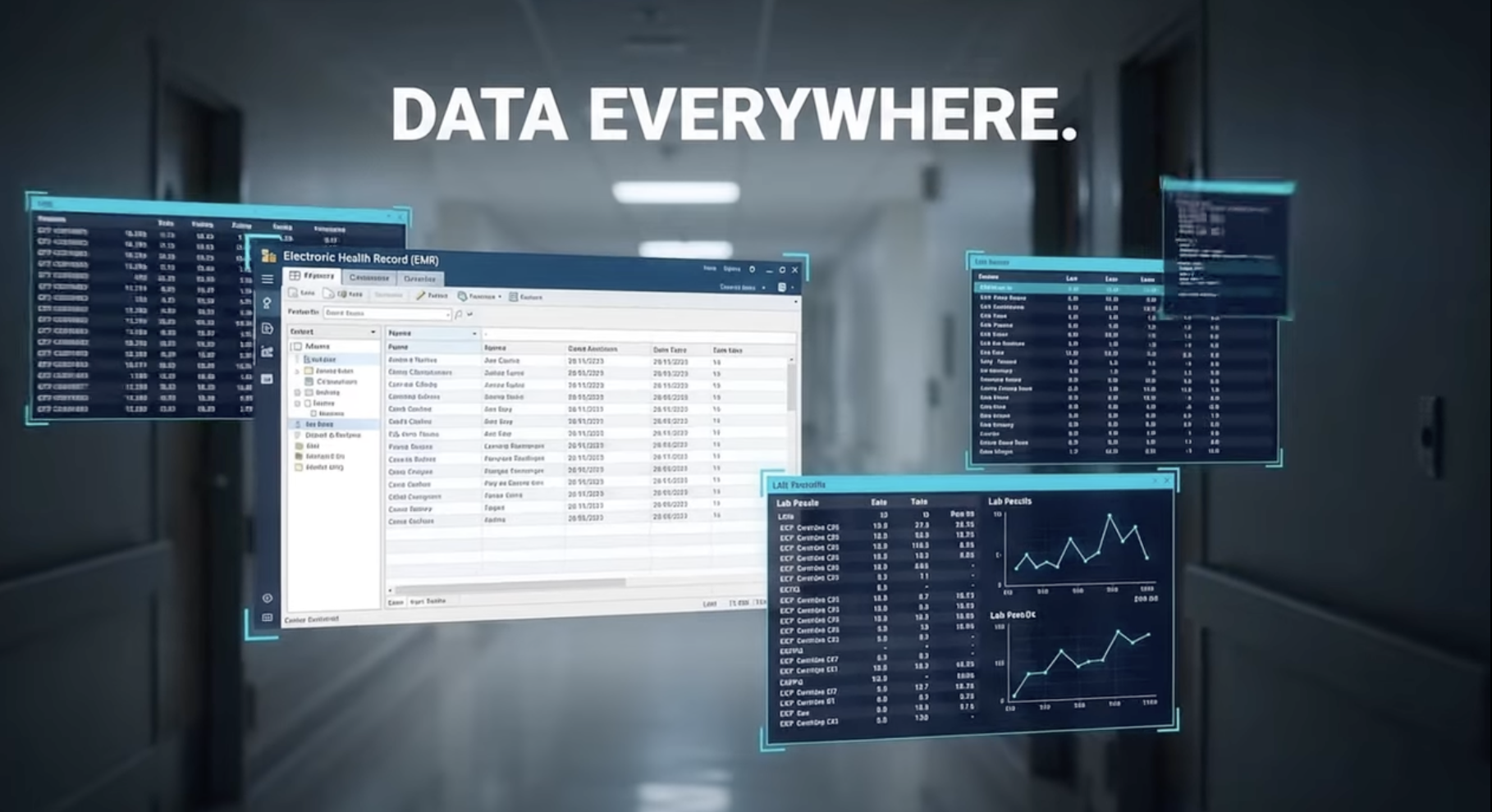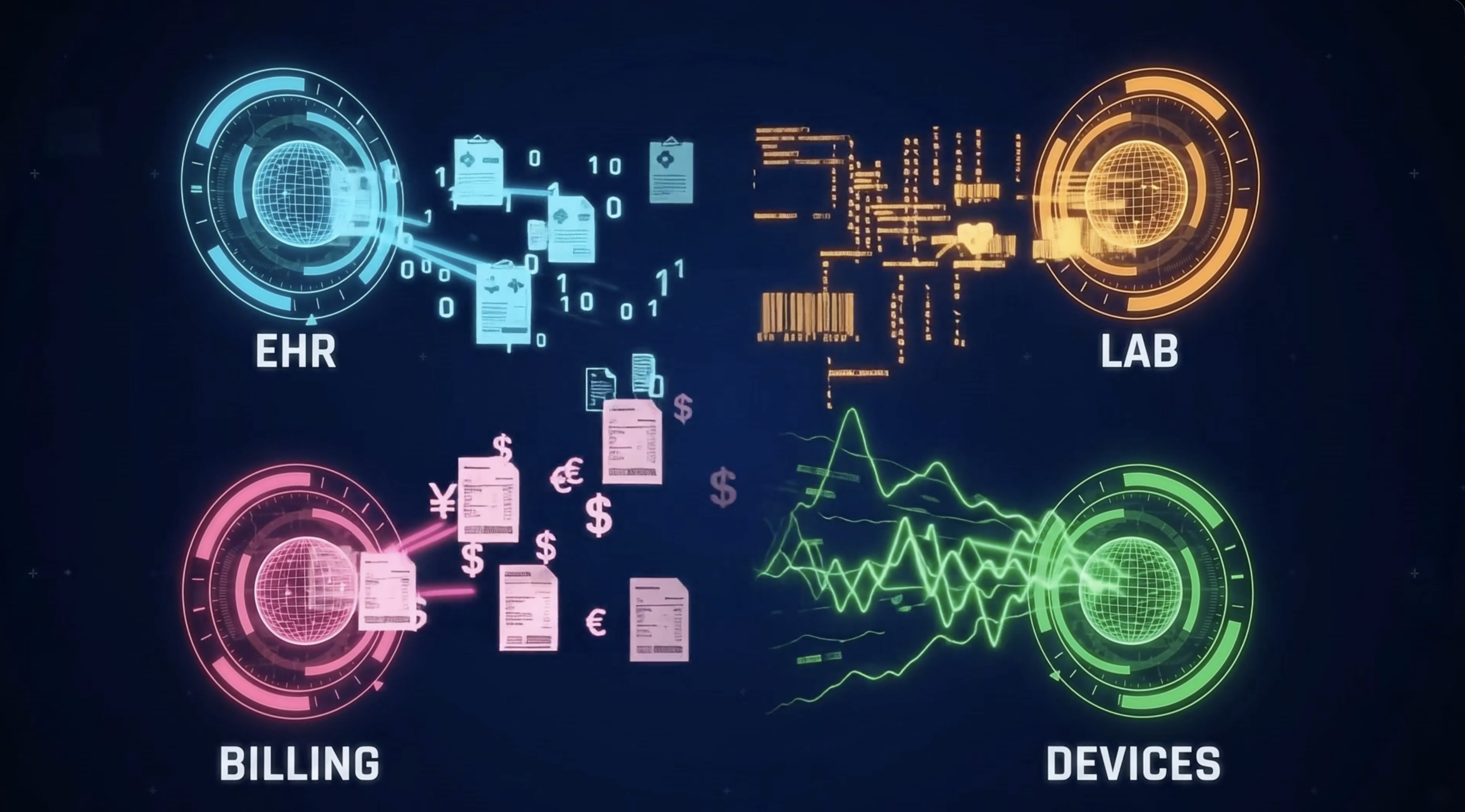

Customer data is the gospel truth for any business. For highly regulated industry sectors such as healthcare, the role of accuracy in data is paramount. The starting point for every business insight is the all-important customer data. A customer health profile that includes pre-existing illness, treatment history, age, and demographics, etc can go a long way in forecasting future health markers and can arrest illness effectively. Let’s dive deeper into the intricacies of data accuracy in customer data integration.
Understanding data quality and data accuracy
One needs to take a step back and understand the fundamental differences between data accuracy, data quality, and data integrity. Simply put, the end goal is data integrity, while data quality and accuracy are paths to achieving data integrity. Good quality data simply means that all data fields are populated, while accurate data means all data fields are populated with sensible and correct data in the right format. For instance, the value 08 in the age column is technically quality data but in reality, if the age of the patient is 80, the data is accurate and will provide the correct diagnosis based on other health markets. Hence, data quality involves assessing various aspects of data, such as reliability, completeness, consistency, and timeliness, to ensure its overall fitness for use, whereas data accuracy specifically relates to the precision and correctness of the information contained in the data, emphasizing the absence of errors or discrepancies. Data accuracy is a measure of how well information represents the events or objects being recorded. It is a critical part of effective data management. Accurate data is close to the real-world conditions it describes, which helps ensure that decisions and insights derived from it are valid and reliable.
The perils of inaccurate data
With inaccurate data, your business is at risk of making incorrect decisions, destroying the quality of your leads with inaccurate messaging and poor customer experience. Imagine sending an 80-year-old customer a mass mailer meant for the parents of an 8-year-old! This is guaranteed to make your customers turn elsewhere, leaving you with lost leads, lost sales, and reduced revenues. Decisions based on faulty data can lead to inefficient processes, wasted resources, and missed opportunities.
Tips to improve data accuracy
While there are many checkpoints businesses can use to mitigate the challenge of inaccurate data, here are a few handy tips that guarantee success:
- Data validation: Eliminates errors and ensures data is clean and complete.
- Data entry accuracy standards: Establish and maintain robust standards to improve data entry accuracy.
- Data quality assessment: Identify and correct sources of error by performing a data quality assessment.
- Data consistency: Ensure data is accurate, complete, and correct. Inconsistent data can lead to unreliability.
Other methods that are usually employed by businesses include data quality frameworks, regular data audits, validation checks, feedback mechanisms, data source cleansing, etc.
How data integration can help achieve better data accuracy
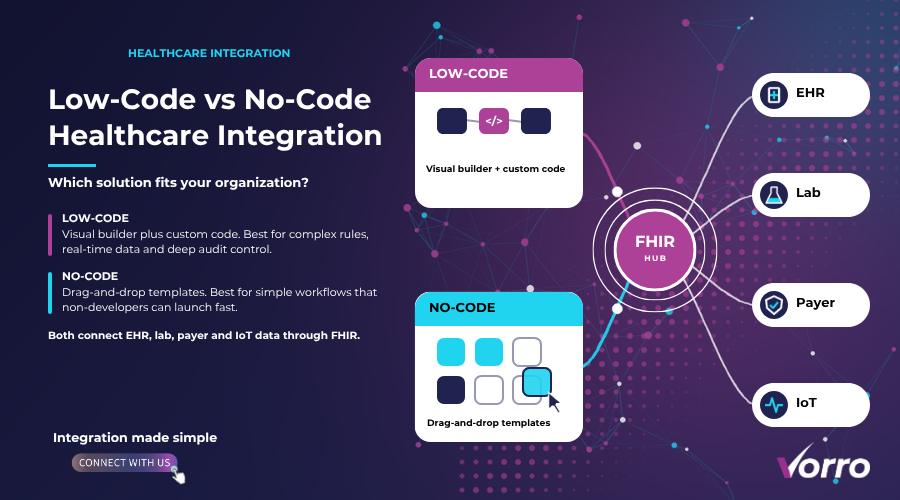
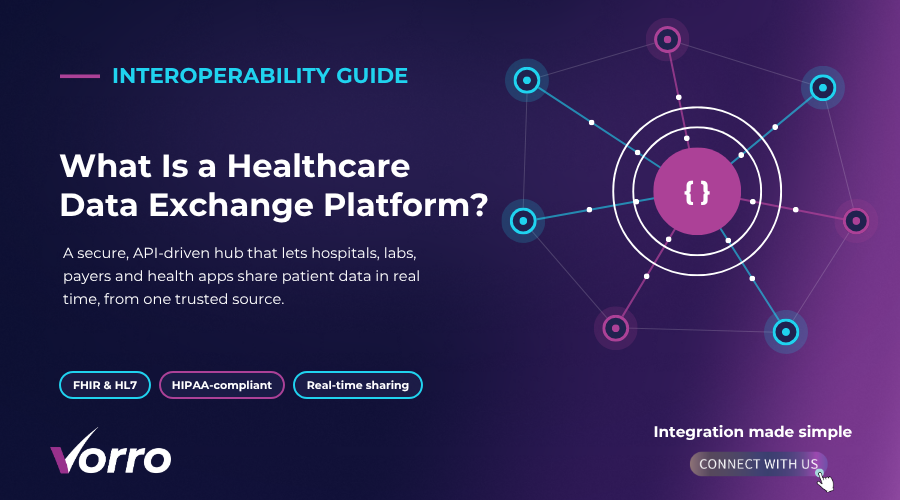
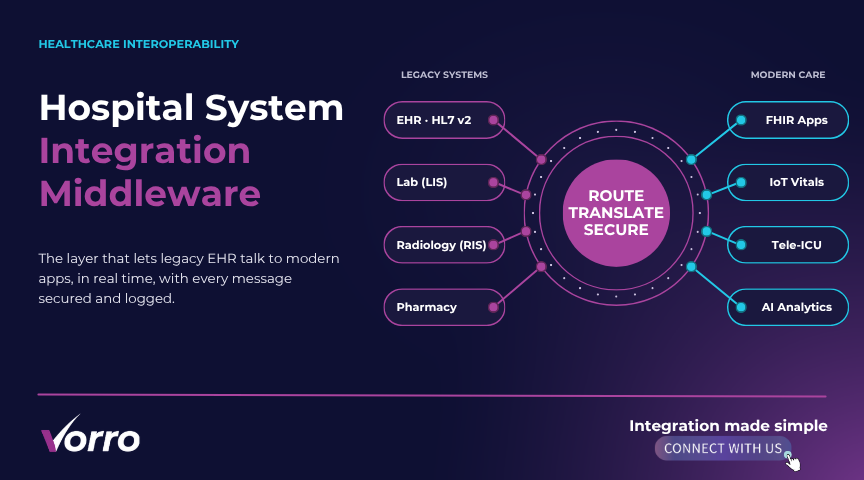
Data integration is the process of combining data from multiple sources into a single, unified dataset. This can include structured, unstructured, batch, and streaming data. The goal is to create a more complete and accurate view of the data so that businesses can make better decisions, improve customer experience, and align departments
Data integration is crucial for effective business analytics for several reasons. It enhances data accuracy in customer data integration by minimizing errors and inconsistencies. It enables businesses to gain a holistic view of their operations, customers, and market landscape, uncovering valuable insights.
However, businesses often feel the need to engage with specialist data integration providers to ensure that their data is leveraged in the best way possible, to unlock actionable insights and pave the way for a more successful business in the future.
How Better Data Integration Improves Enterprise Data Accuracy
Better integration can be achieved by leveraging the power of EiPaaS. According to Gartner, an enterprise integration platform as a service (EiPaaS) is a suite of cloud services that addresses a variety of scenarios, including application and data integration, as well as some combination of process, ecosystems, mobile, AI-enabled systems and IoT integration, as well as API management and digital integration hub capabilities.
Leveraging the power of EiPaaS, Vorro offers a complete approach to integration, providing scalability, flexibility, and advanced capabilities that are essential for large-scale businesses. With EiPaaS, organizations can automate workflows, improve efficiency, and improve collaboration between teams. Additionally, EiPaaS offers strong security measures to protect sensitive data and ensure compliance with industry regulations.