If you’ve ever stared at a jumble of screens trying to line up a prescription, an inventory update, and an insurance claim, you know why pharmacy integration software feels like a lifesaver. In the first 100 words I’m already telling you why it matters, because you, the pharmacy professional or IT decision?maker, need a clear path from chaos to coordinated care.
Why Pharmacy Integration Is Complex
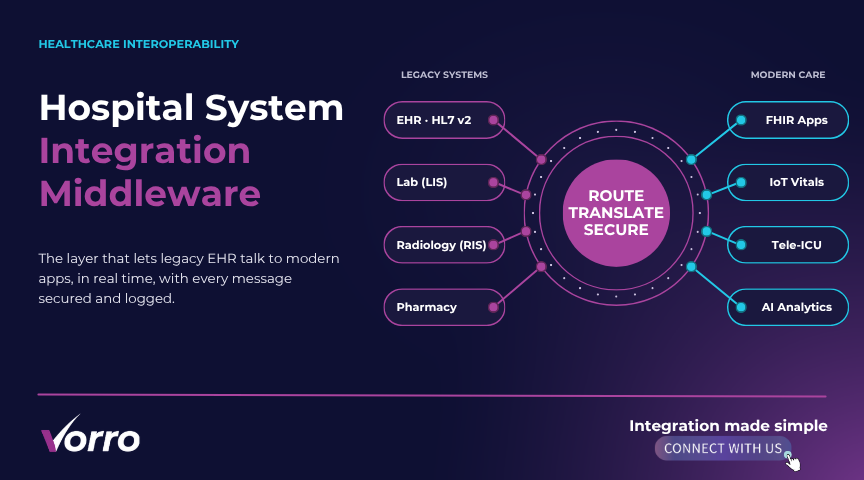
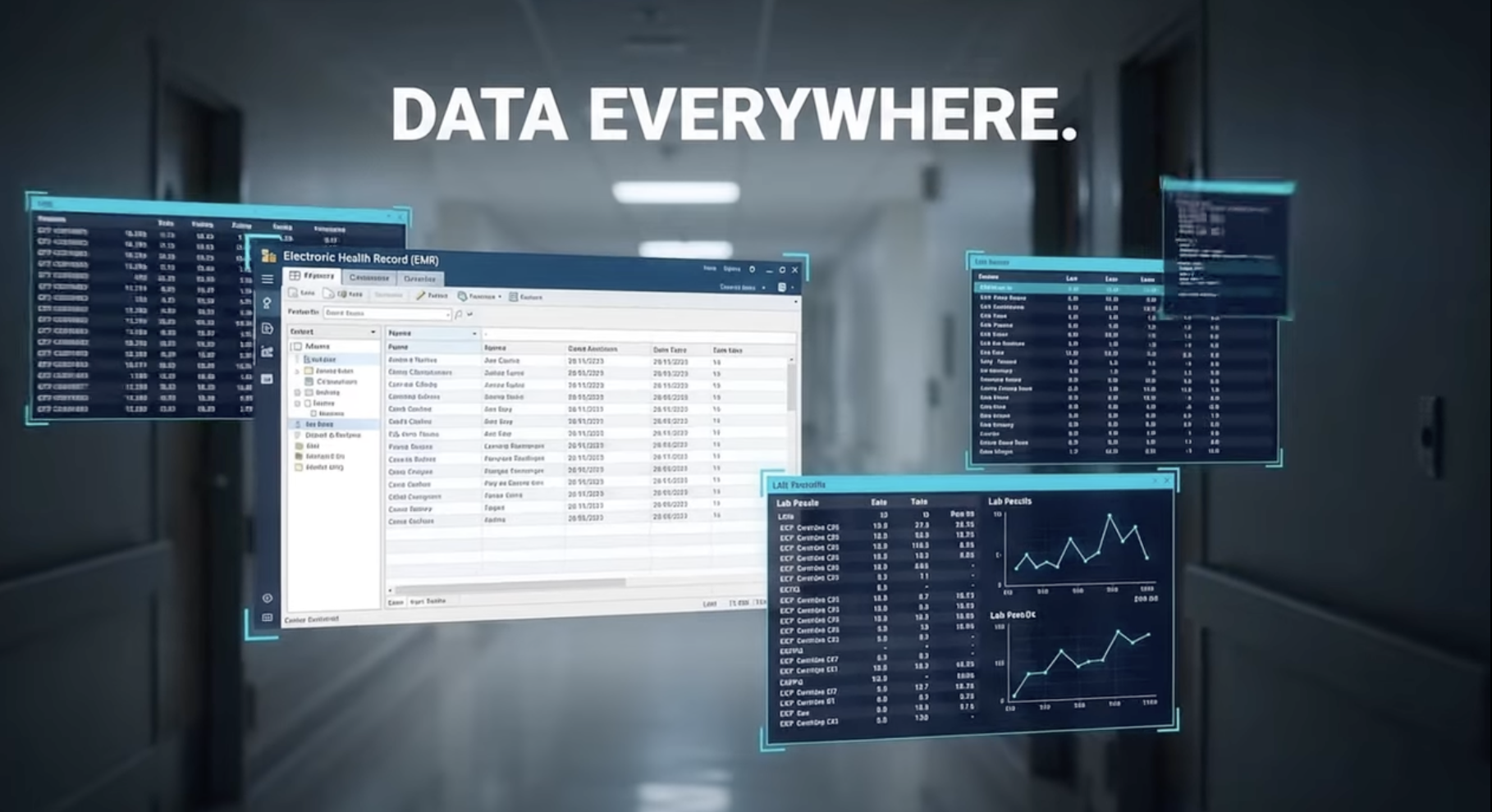
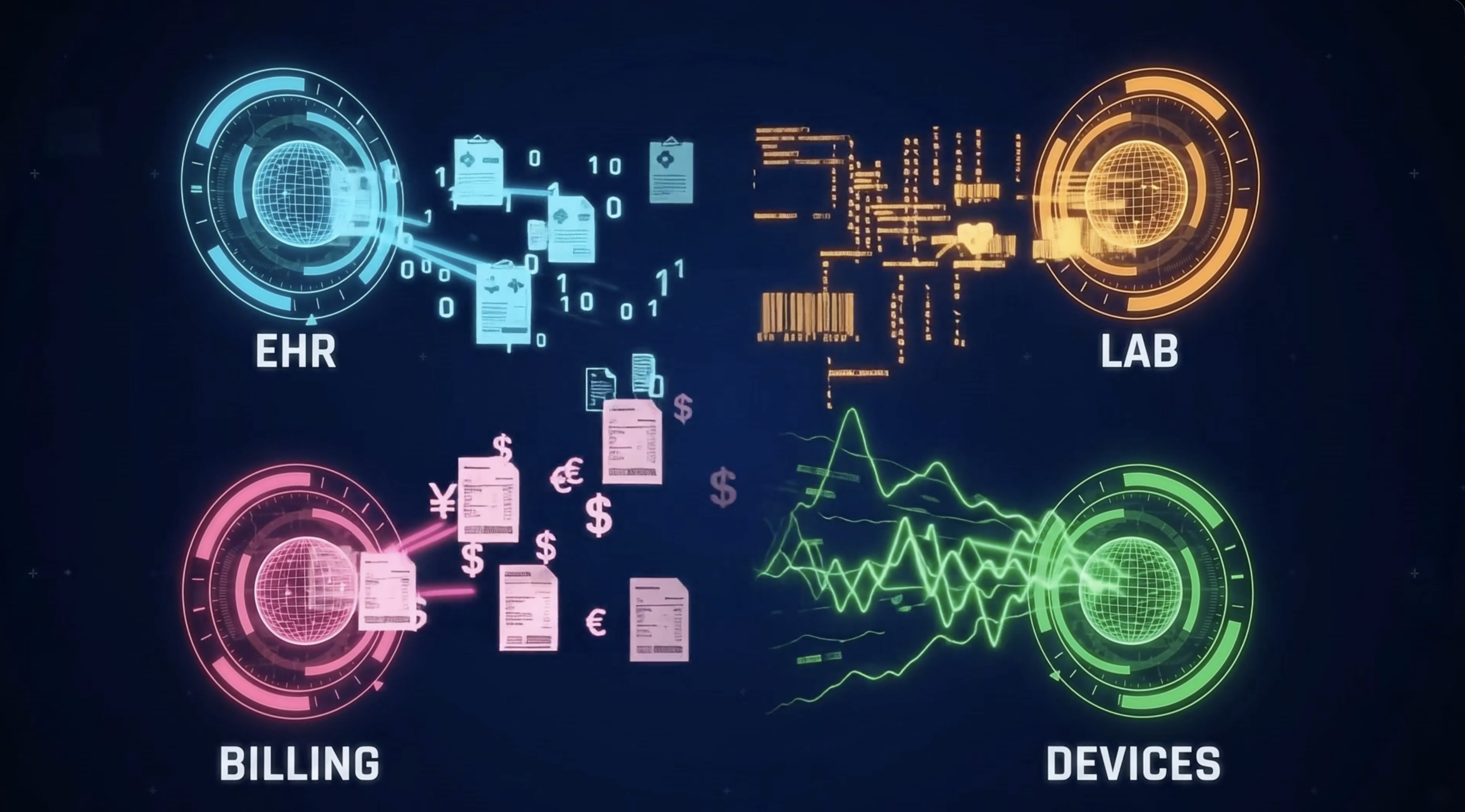
Pharmacies run on a patchwork of legacy platforms, new e?prescribing tools, and third?party billing services. Each piece speaks its own language, and that’s a recipe for data silos. Add strict standards like NCPDP and HL7, and you’ve got a compliance minefield. The result? Missed doses, double?billing, and a lot of wasted time. And that’s before you even think about scaling your operation.
Key Systems to Connect
Pharmacy Management System
Your PMS is the hub where prescriptions, patient histories, and inventory converge. A solid integration layer lets you pull a patient’s medication list the moment they walk in. Real?time sync means you’re never guessing what’s on the shelf.
E?prescribing Platforms
Doctors send scripts via electronic portals, but without e?prescribing integration those scripts can sit in a queue for hours. When the integration works, the prescription lands in your system the second it’s signed, cutting errors by up to 30% (according to a 2023 HealthIT study).
Inventory and Supplier Feeds
Think of inventory as the blood that keeps the pharmacy alive. When your software talks directly to supplier feeds, you get automatic reorder alerts, reduced stock?outs, and a clearer view of cash flow.
Billing and Insurance Processors
Insurance claims can be a nightmare if they’re entered manually. A streamlined pharmacy system integration pushes claims straight to the processor, captures denials instantly, and helps you recover revenue faster.
Standards
NCPDP SCRIPT
The NCPDP SCRIPT standard is the backbone of e?prescribing integration. It defines how prescription data travels between prescribers, pharmacies, and payers. If your software doesn’t support it, you’ll be stuck doing manual entry, which defeats the whole purpose.
HL7 FHIR for Health Data Exchange
HL7’s Fast Healthcare Interoperability Resources (FHIR) is the go?to for pharmacy data integration across broader health ecosystems. It lets you pull a patient’s lab results or immunization record without writing custom adapters.
Must?Have Features
- Real?time data sync – No one wants a five?minute lag when a prescription is filled.
- API flexibility – Open, well?documented APIs let you connect new tools without rewriting code.
- Security and compliance – Encryption, audit trails, and role?based access keep HIPAA and NCPDP compliance in check.
- Reporting and analytics – Dashboards that show refill rates, claim denials, and inventory turnover drive smarter decisions.
How to Choose a Vendor
Evaluate Integration Capabilities
Ask yourself: does the vendor support both NCPDP integration and HL7 FHIR out of the box? Can they map data from your legacy PMS without a costly custom project? The best systems offer pre?built connectors for the big players.
Scalability and Support
You might start with a single store, but growth plans are rarely static. Look for vendors that can scale from 1 to 50 locations without a performance dip. And make sure they have a 24/7 support desk – you’ll thank them during a midnight refill rush.
Cost vs ROI
Software prices can range from $2,000 a month for a basic package to $15,000 for an enterprise suite. But the ROI shows up in reduced claim rejections, faster dispensing, and higher patient satisfaction. Put a dollar figure on each benefit and compare it to the subscription cost – that’s the only way to know if you’re getting a good deal.
Feature Lists of Major Vendors
Keycentrix
Keycentrix shines with its pharmacy data integration engine that pulls in e?prescribing, inventory, and billing on a single dashboard. Their security suite includes AES?256 encryption and automatic audit logs.
PioneerRx
PioneerRx offers a modular approach. Need an extra reporting layer? Add it without touching the core. Their API library supports both NCPDP SCRIPT and HL7 FHIR, making it a solid choice for pharmacy system integration projects.
McKesson
McKesson’s platform is a heavyweight. It covers everything from POS to wholesale distribution and boasts a built?in compliance engine that updates with the latest NCPDP guidelines.
Standard Compliance Overview
Compliance isn’t a one?and?done checkbox. You need continuous monitoring of NCPDP updates, regular security patches, and periodic HIPAA risk assessments. A good vendor will provide compliance reports that you can hand to auditors without scrambling.
Basic Vendor Selection Checklist
- Supports NCPDP SCRIPT and HL7 FHIR
- Provides real?time sync across PMS, e?prescribing, inventory, and billing
- Offers a clearly defined API with sandbox environment
- Includes encryption, audit trails, and role?based access
- Has documented ROI case studies
- Provides 24/7 support and implementation roadmaps
ROI and Cost?Benefit Analysis
Let’s talk numbers. A midsize pharmacy that reduced claim denials by 18% saved roughly $45,000 in a year. Add a 15% faster dispensing rate, and you’re looking at $30,000 more in revenue. Combine those savings and you have a clear case for a $10,000?per?year software investment paying for itself in under six months.
Real?World Case Studies
Take Green Valley Pharmacy, a family?owned shop in Ohio. They rolled out a new integration suite that linked their old PMS with a modern e?prescribing platform. Within three months, refill errors dropped from 12% to 2%, and they saw a 20% increase in prescription volume because patients appreciated the faster service.
Another example: Midtown Pharmacy in Chicago integrated inventory feeds directly with their supplier’s API. Stock?outs vanished, and they cut carrying costs by 12% – that’s $75,000 saved in a single fiscal year.
Future Trends
AI?driven automation is already peeking around the corner. Imagine a system that predicts when a medication will run low based on prescribing patterns and auto?generates a purchase order. Cloud?native integration will make scaling smoother, letting you add new locations with a click?through wizard instead of a multi?month rollout.
And don’t forget API?first architectures. They let third?party developers build niche apps – think a mobile refill reminder that talks directly to your pharmacy’s backend. The future is about pharmacy interoperability that feels seamless, not forced.
Implementation Best Practices and Timeline
Most implementations follow a 12? to 16?week timeline. Week 1?2: scope the project and map data flows. Week 3?6: set up sandbox environments, run test transactions, and train staff. Week 7?10: go live with a pilot location, monitor error rates, and adjust. Weeks 11?12: roll out to all sites and begin post?implementation support.
Key tips: involve both pharmacy technicians and IT staff from day one, run parallel testing with real prescriptions, and keep a change?log of every configuration tweak.
Post?Implementation Support and Training
Even the best software can stumble without proper training. Schedule monthly refreshers for new hires, create quick?reference guides, and set up a dedicated support channel for “fire?fighting” issues. Most vendors offer a managed service tier that includes quarterly health checks – consider it an insurance policy for your integration health.
FAQs
What is NCPDP integration?
NCPDP integration means your pharmacy software can send and receive data using the NCPDP SCRIPT standard. It covers prescription details, refill requests, and claim submissions, keeping you in line with payer requirements.
Can legacy systems be integrated?
Yes. Most vendors provide adapters or custom mapping tools that bridge old PMS platforms to modern APIs. It may cost a bit more upfront, but the payoff in efficiency usually justifies it.
How does integration affect HIPAA compliance?
Integration doesn’t automatically make you HIPAA?compliant, but a good solution will encrypt data in transit, log user actions, and enforce role?based access – all essential components of a HIPAA program.
What is the typical implementation timeline?
Expect 12?16 weeks from kickoff to full rollout. Complex environments with many legacy systems can stretch toward 20 weeks, but a phased approach keeps risk low.
Wrapping It Up
Choosing the right pharmacy integration software isn’t a gamble; it’s a strategic move that can shrink errors, boost revenue, and keep you compliant with NCPDP and HL7 standards. Look for real?time sync, flexible APIs, and iron?clad security. Do the ROI math, study real?world case studies, and keep an eye on emerging AI and cloud trends. With the right partner, you’ll turn a tangled web of systems into a smooth, patient?centric workflow.