Why Healthcare Data Integration is Important
In today’s world, healthcare is more complex than ever. With so many different systems storing patient records, test results, and treatment plans, it can be tough to keep everything organized. That’s where healthcare data integration comes in. It’s all about bringing together all the scattered pieces of patient data into one system, so doctors and other medical personnel can quickly gain access to the full picture. This is super important because it not only helps providers make better decisions but also makes the whole process smoother, saving time and reducing errors. Let’s dive into why healthcare data integration is such a game-changer for both patients and healthcare professionals!
Understanding Healthcare Data Integration
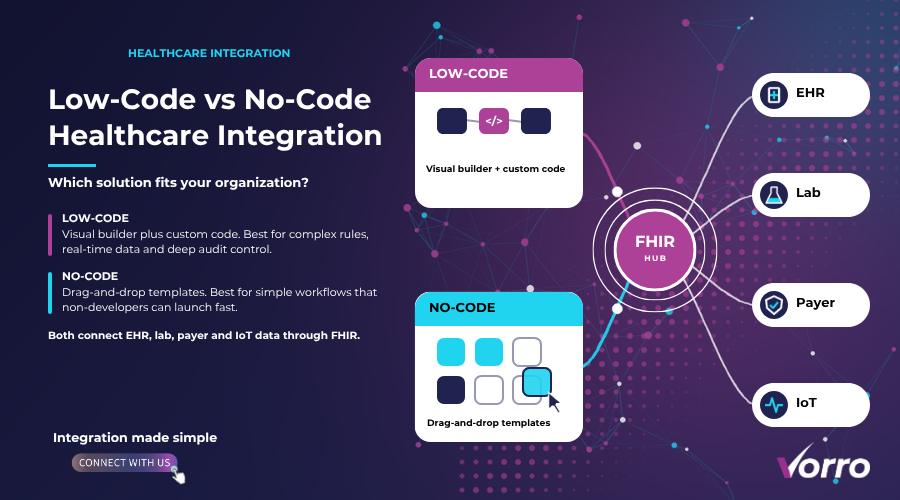
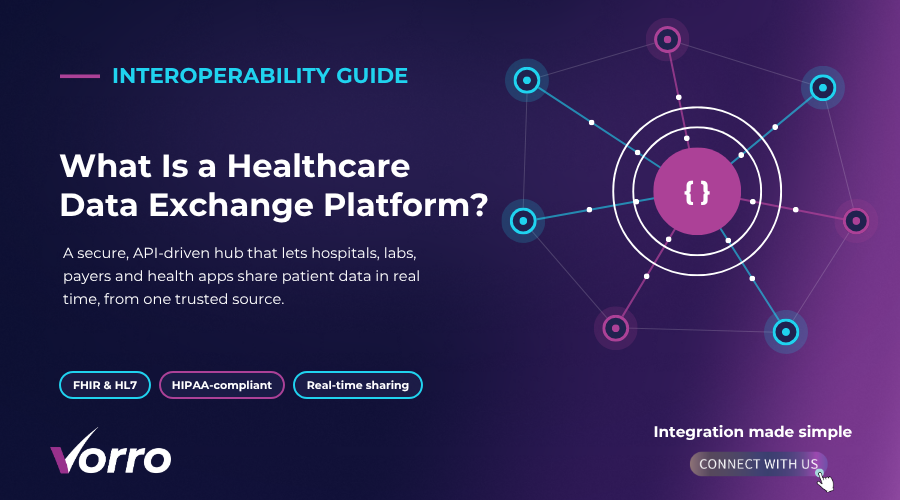
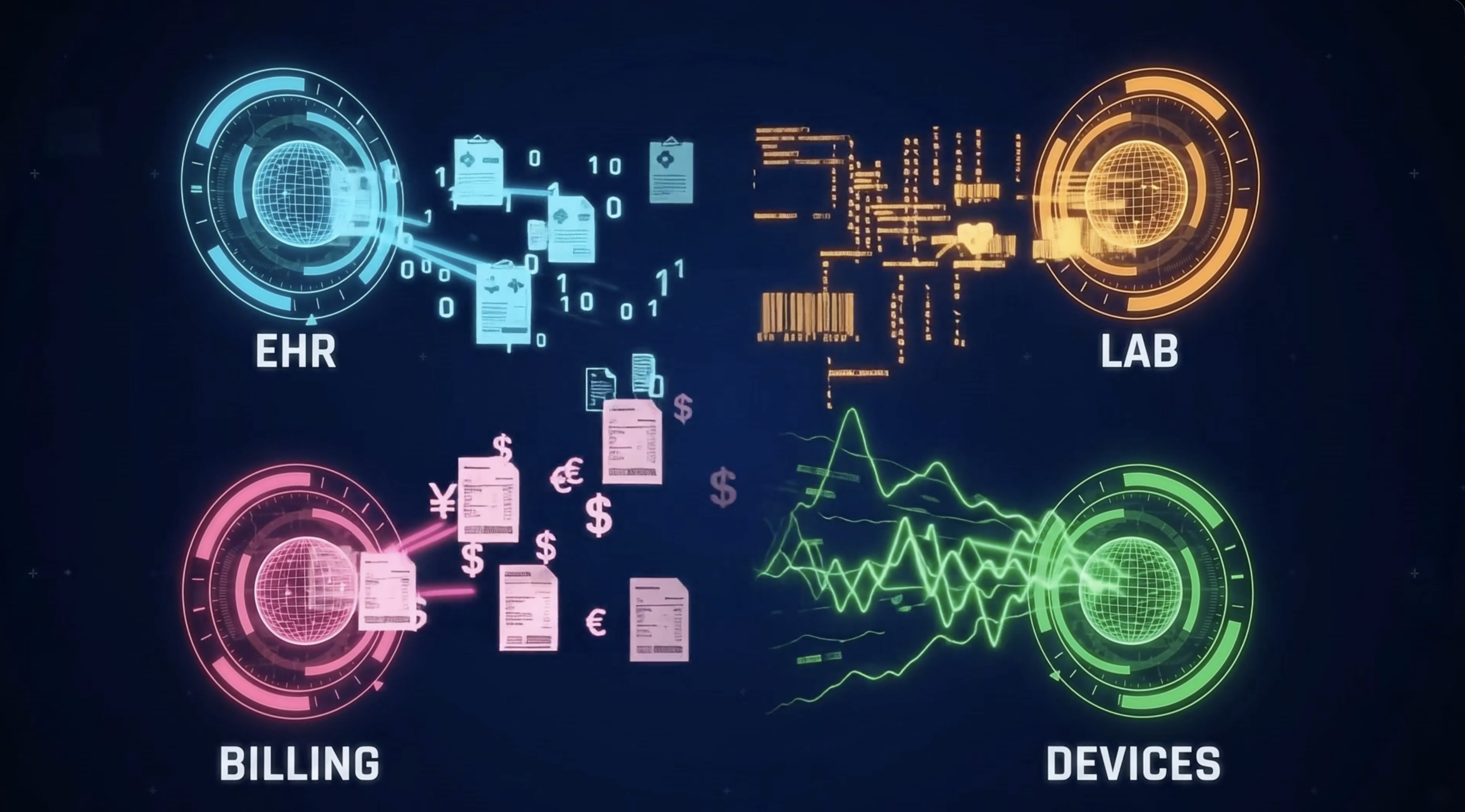
Healthcare data integration involves the use of technologies and methodologies to bring together patient records, test results, treatment plans, insurance details, and more from multiple systems into one central platform. This centralized approach helps healthcare professionals make informed decisions, minimize errors, and streamline administrative processes.
But why is healthcare data integration so important?
The Importance of Data Integration in Healthcare
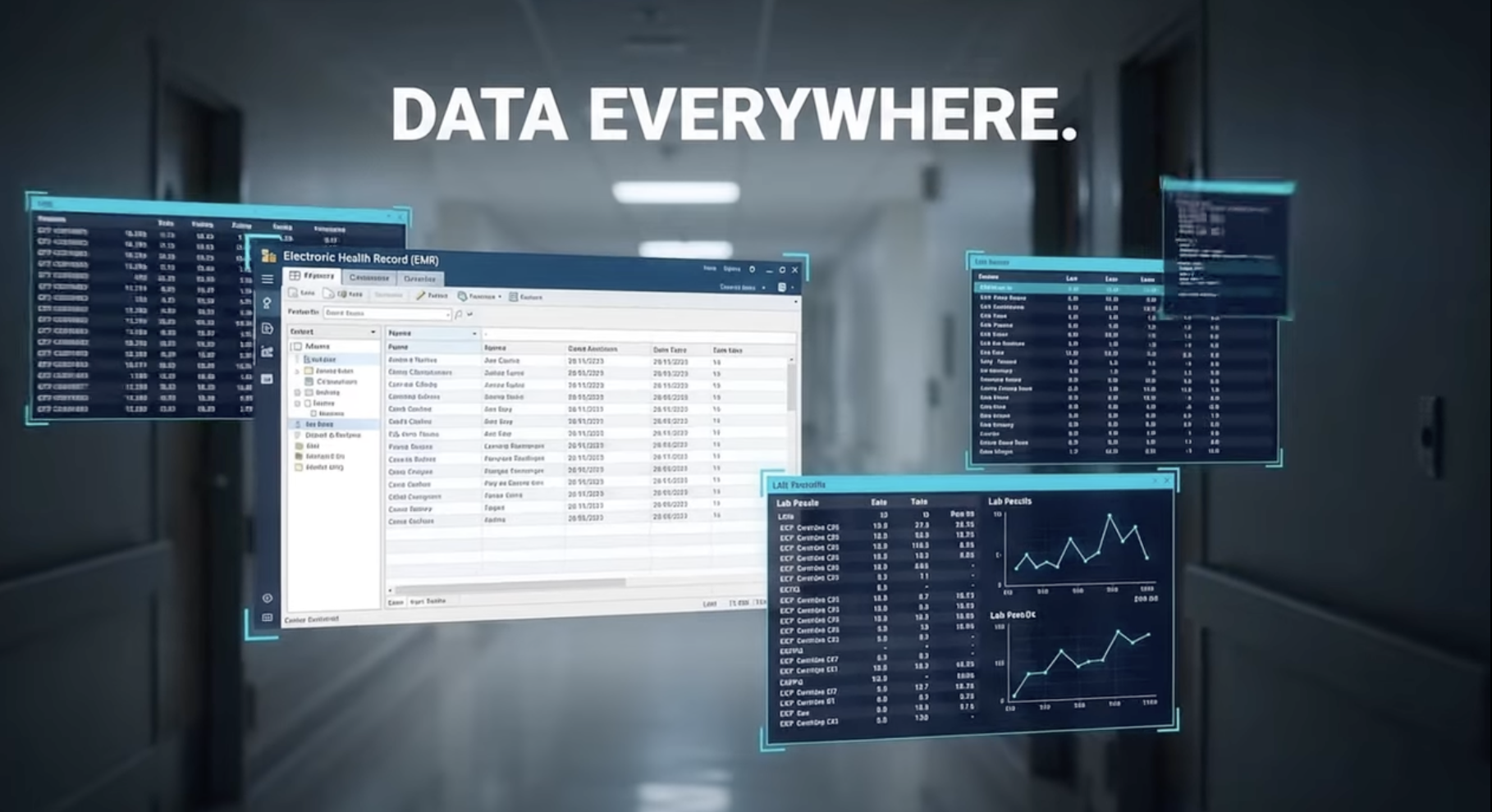
One of the primary reasons healthcare data integration is so vital is that it improves the accessibility and usability of patient information. In traditional healthcare systems, patient records are often siloed across multiple departments and organizations, making it difficult to share information in real time. For example, a patient may visit different specialists or be admitted to multiple hospitals over time. Without a unified data system, healthcare providers may struggle to obtain complete and accurate information about a patient’s history, which can lead to unnecessary tests, missed diagnoses, and even medication errors.
According to a report by the Office of the National Coordinator for Health Information Technology (ONC), over 96% of hospitals in the U.S. have adopted electronic health records (EHR) systems, but data integration remains a challenge due to fragmented systems
By integrating healthcare data, medical personnel have instant access to a comprehensive view of the patient’s medical background, allowing them to provide better care. Additionally, the streamlined flow of information helps reduce administrative burdens, saving time and improving overall operational efficiency. Healthcare organizations can also make more data-driven decisions, identifying trends, gaps, and opportunities for improvement. Needless to say, healthcare organizations constantly grapple with strict compliance mandates that often siphon away time from more critical tasks. Integration goes a long way in mitigating this challenge as well.
Enhancing Data Accuracy and Consistency
Another key factor to consider is what is data integrity in healthcare. Data integrity refers to the accuracy, consistency, and reliability of data throughout its lifecycle. In the healthcare sector, ensuring data integrity is crucial because any error or inconsistency in a patient’s record can have serious consequences, including incorrect treatment plans, misdiagnoses, or even harmful drug interactions.
Healthcare data integration ensures that all records are synchronized across different systems and that updates are reflected in real time. This ensures that information is accurate, consistent, and up-to-date, which helps mitigate the risks associated with data discrepancies. For example, when a patient’s treatment plan is updated, integrated systems can immediately notify all relevant parties, ensuring that everyone involved in the patient’s care is on the same page.
A study by the Healthcare Information and Management Systems Society (HIMSS) found that healthcare providers that implemented integrated systems saw a 20-30% reduction in medication errors and a 10-15% improvement in patient outcomes
Improving Patient Outcomes
The ultimate goal of healthcare data integration is to improve patient outcomes. When healthcare providers can access accurate, up-to-date information quickly, they can make more informed decisions, resulting in better diagnosis, personalized treatment plans, and more efficient care delivery. For instance, if a physician has immediate access to a patient’s full medical history-including past surgeries, allergies, and chronic conditions-they are better equipped to identify potential complications and prescribe the most appropriate course of treatment.
Additionally, data integration enables better communication between healthcare providers, improving coordination and reducing the likelihood of redundant testing or conflicting treatment plans. This not only enhances patient care but also contributes to lower healthcare costs by minimizing waste and reducing the risk of medical errors.
Facilitating Compliance with Regulations
Healthcare organizations are subject to a wide range of regulations designed to protect patient privacy and ensure the quality of care. Compliance with regulations such as the Health Insurance Portability and Accountability Act (HIPAA) in the United States is critical for maintaining the trust of patients and avoiding costly penalties. Healthcare data integration plays a significant role in ensuring that data is securely stored, transmitted, and accessed only by authorized personnel.
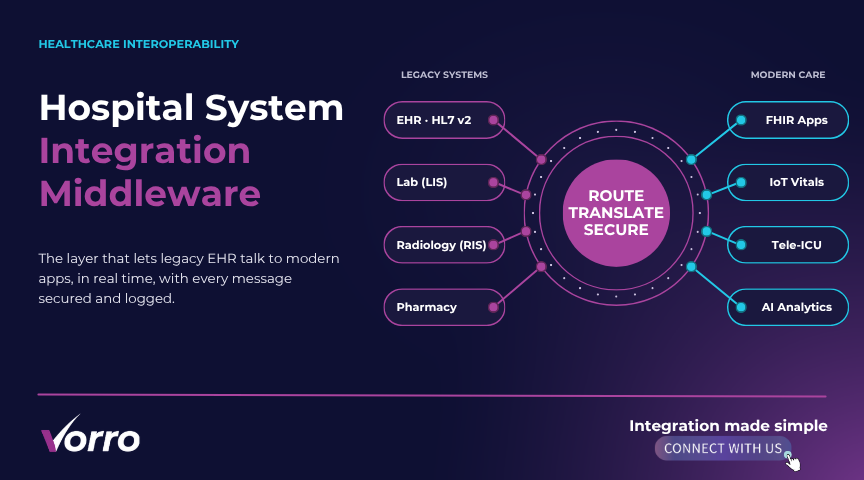
An integrated healthcare system can streamline compliance by automatically tracking access logs, maintaining audit trails, and enabling encrypted data sharing. This ensures that healthcare organizations meet regulatory standards while also safeguarding sensitive patient information. Additionally, having an intelligent and intuitive middleware that acts as a communication bridge between data and actionable insights can go a long way in optimizing time, resources and achieving business goals.
Healthcare integration software, like BridgeGate Health, can help streamline the process of connecting disparate healthcare systems using an intelligent middleware, ultimately improving the quality of care and efficiency across the board.
Conclusion
In conclusion, healthcare integration solutions is not just a technological advancement but a critical necessity in modern healthcare systems. The importance of data integration cannot be underestimated, as it leads to more efficient, accurate, and accessible patient information. By ensuring data integrity and improving the quality of care, healthcare data integration has the potential to revolutionize how patient care is delivered, reduce operational costs, and facilitate regulatory compliance. For healthcare providers looking to improve their services and enhance patient outcomes, embracing data integration is key to success in the digital age.
For more insights on integrating healthcare systems, be sure to check out our previous blog on Protecting Patient Data and Ensuring Compliance.