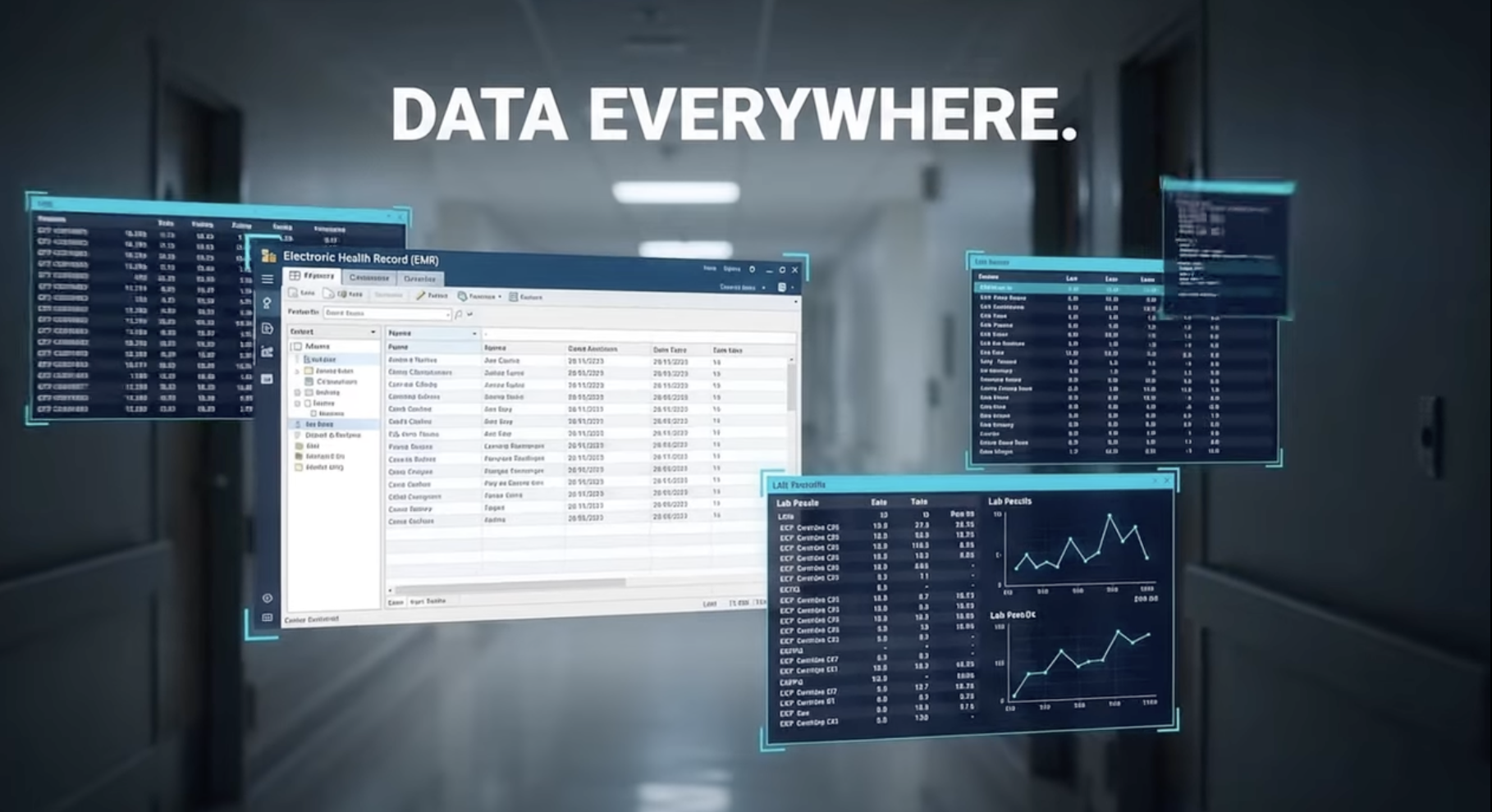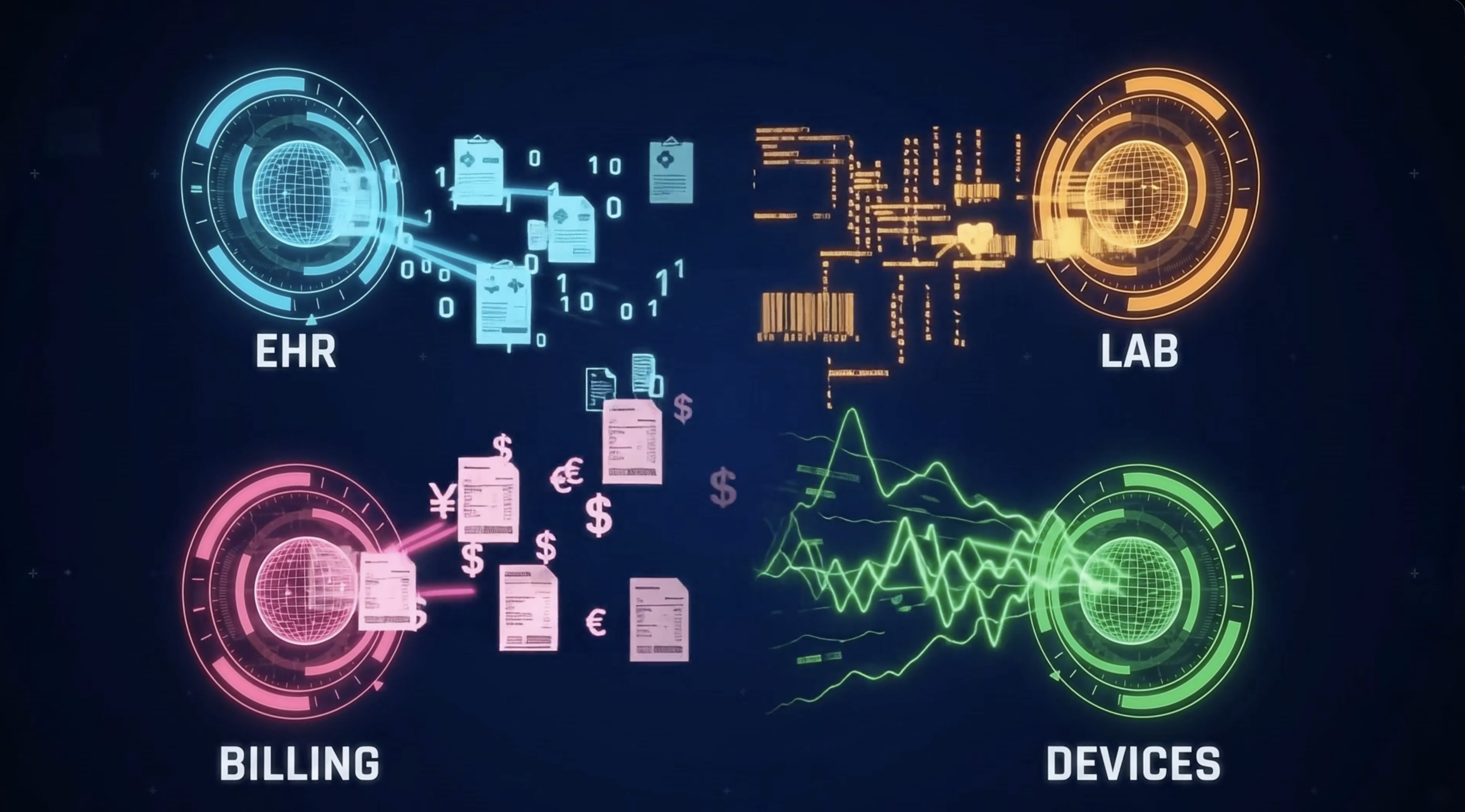
As we step into 2024, we’re seeing a big change in healthcare, all thanks to the magic of integration services. It’s not just about linking different systems together; it’s about building a smooth, efficient, and totally patient-focused healthcare world. These services promise better information sharing, top-notch patient care, and slick operations. Thanks to healthcare integration software, the future of healthcare will become more connected, accessible, and personalized than ever. And this is just the beginning. The evolution of integration services offers several key trends that are reshaping healthcare as we know it.
1. Enhanced Interoperability with EHRs
The push towards enhanced interoperability between Electronic Health Records (EHRs) and other healthcare systems is a significant trend. Healthcare Integration Software plays a crucial role in enabling healthcare providers to exchange patient data securely and efficiently. This interoperability is essential for improving patient outcomes, reducing healthcare costs, and enhancing the overall efficiency of healthcare delivery.
2. Adoption of Cloud-based Solutions
The shift towards cloud-based EiPaaS solutions is another trend shaping the future of healthcare. These platforms offer scalability, flexibility, and cost-effectiveness, making them an attractive option for healthcare organizations of all sizes. Cloud-based EiPaaS enables seamless integration of various healthcare applications and systems, ensuring that data flows smoothly across the healthcare ecosystem.
3. Focus on Data Security and Compliance
As healthcare organizations handle sensitive patient data, ensuring data security and compliance with regulations like HIPAA is important. Future trends indicate a growing emphasis on healthcare integration software that provides enhanced security features and compliance capabilities. These solutions must safeguard patient data while facilitating the secure exchange of information between different healthcare systems.
4. Leveraging AI and Analytics
The integration of AI and analytics into healthcare integration software and EiPaaS solutions is a game-changer. By analyzing vast amounts of healthcare data, these technologies can provide insights that improve patient care, streamline operations, and drive innovation. The future of healthcare will see an increased reliance on EiPaaS platforms that can seamlessly integrate AI and analytics tools, unlocking new possibilities for healthcare organizations.
Vorro’s: A Leading Choice
At the forefront of these trends is Vorro’s a robust healthcare integration software and EiPaaS solution designed to meet the evolving needs of the healthcare industry. BridgeGate „¢ offers a range of features that make it a standout choice for healthcare organizations looking to navigate the complexities of system integration.
- Centralized Control: Vorro provides a single point of control for managing all integrations, simplifying the complex landscape of healthcare systems.
- Enhanced Security and Compliance: With a focus on security, BridgeGate „¢ ensures that all data exchanges comply with healthcare regulations, protecting sensitive patient information.
- Wide Net of Use Cases and Multiple Integrations: Whether integrating EHRs, billing systems, or patient portals, BridgeGate „¢ supports a broad spectrum of healthcare use cases.
- Rapid Deployment and Scalability: Vorro rapid deployment capabilities and scalable architecture make it an ideal solution for healthcare organizations of all sizes.
So, wrapping things up, as the healthcare sector progresses, the significance of healthcare integration software and EiPaaS solutions, such as Vorro’s BridgeGate „¢, are becoming super important. With a focus on crucial developments like improved interoperability, the transition to cloud-based platforms, stringent data security, and the incorporation of AI and analytics, BridgeGate „¢ is loaded with features to help healthcare organizations meet their objectives and enhance patient care. For more information, visit us at Vorro.