The integration of technology in healthcare has become increasingly critical. An effective Healthcare Integration System (HIS) is pivotal for this integration, providing a foundation for enhanced patient care and operational efficiency. This article discusses seven key features of an efficient HIS, focusing on the Healthcare Integration Platform, Key Healthcare Integration Components, Health IT Integration Strategies, and Healthcare Data Integration Features. Significantly, we will spotlight Vorro’s strengths in Data Preparation and Data Ingestion Use Cases, underlining its role in AI and Analytics Solutions within the healthcare sector.
1. Comprehensive Data Integration
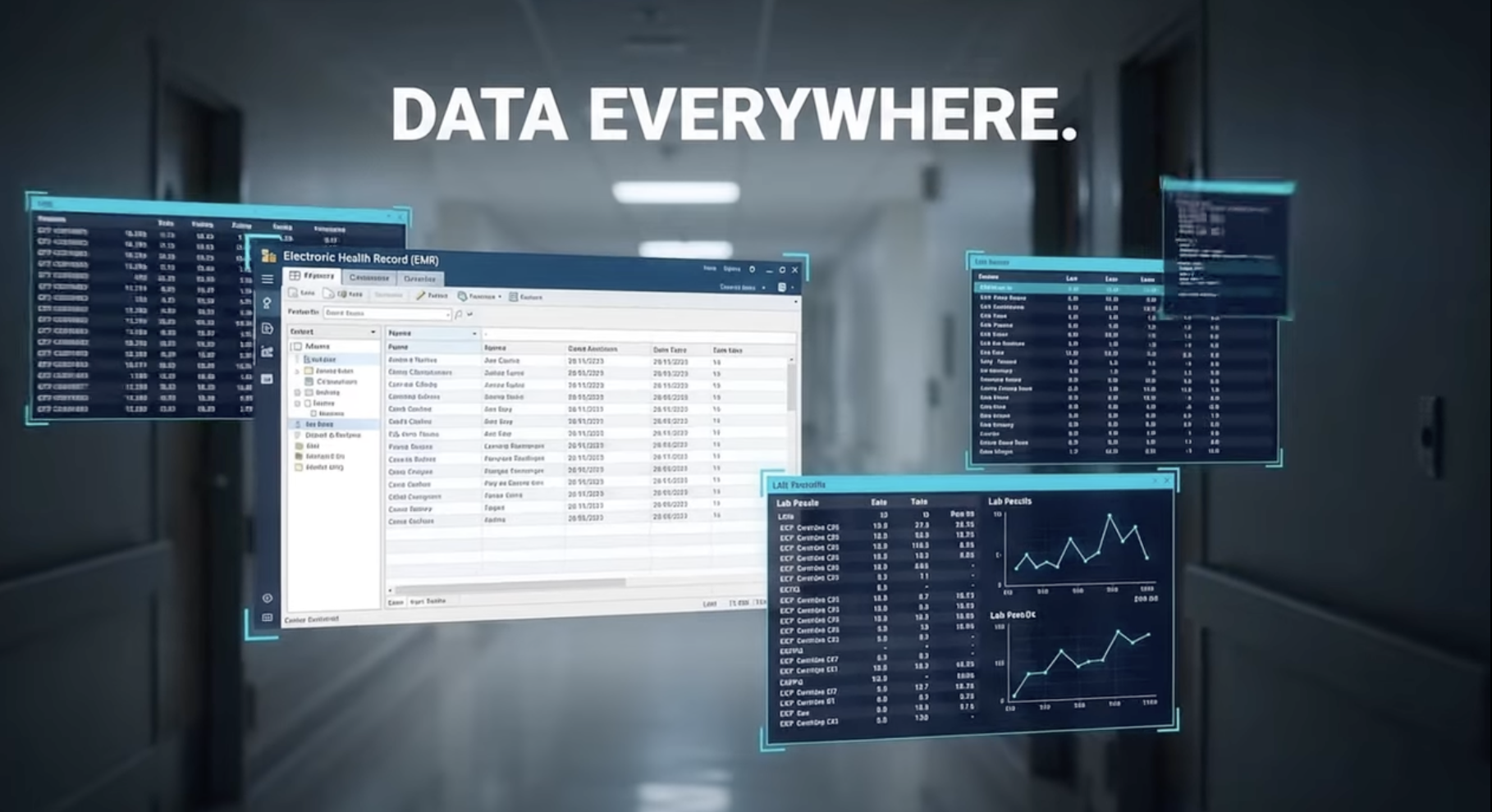
Central to any HIS is the integration of diverse data types from multiple sources. Vorro stands out in Data Preparation and Data Ingestion, efficiently processing both structured and unstructured data. This capability ensures that healthcare providers have a holistic view of patient information, facilitating informed decision-making and elevating patient outcomes.
2. Scalability and Flexibility
As healthcare entities expand, their HISs must evolve. Vorro’s platform, BridgeGate, is designed for scalability, adeptly handling growing data volumes and complexity. Its adaptability is key for integrating new data sources and aligning with the latest technologies, positioning it as a durable solution for healthcare providers.
3. Any-to-Any Interoperability
The heart of a successful HIS lies in interoperability. Vorro’s Healthcare Integration Platform emphasizes secure communication between disparate healthcare systems. By ensuring that different systems can talk to each other effectively, it facilitates better coordination of care and eliminates data silos, which are often a major hurdle in healthcare IT.
4. Real-time Data Processing
Effective HIS is defined by interoperability. BridgeGate ensures smooth communication between varied healthcare systems. This interoperability is essential for coordinated care and eliminating data silos, a frequent challenge in Health IT Integration. In healthcare, immediate data access can be crucial. Vorro’s solutions offer real-time data processing, providing healthcare professionals with instant access to the latest patient information, a vital feature in critical care scenarios.
5. Compliance with Healthcare Standards
Compliance with healthcare regulations and standards is non-negotiable. Vorro’s HIS adheres to key healthcare standards such as HIPAA, ensuring that patient data is handled securely and confidentially. This compliance is essential for building trust and maintaining the integrity of the healthcare system. Vorro’s HIS maintains these standards, guaranteeing secure and confidential handling of patient data. This compliance is fundamental to building trust and preserving the integrity of the healthcare system.
6. User-Friendly Interface
Lastly, an effective HIS must be user-friendly. Vorro understands that healthcare professionals are not always tech experts. Therefore, their platform features an intuitive interface that simplifies complex data integration processes. This ease of use ensures that healthcare providers can focus more on patient care and less on navigating the technology. Vorro’s platform, recognizing that healthcare professionals may not be technology experts, offers an intuitive interface that simplifies complex data integration tasks. This ease of use allows healthcare providers to concentrate more on patient care.
Conclusion
A well-designed Healthcare Integration System is vital for modern healthcare organizations. The seven features outlined here-comprehensive data integration, scalability, interoperability, real-time data processing, compliance with standards, support for AI and analytics, and a user-friendly interface-are essential for an effective HIS. Vorro’s capabilities in these areas demonstrate its commitment to advancing healthcare technology and its contributions to the field. By embracing these features, healthcare providers can ensure that they are well-equipped to meet the challenges of today’s healthcare environment and improve the overall quality of patient care.
Interested to know more? Reach out to our team and book a demo right away!