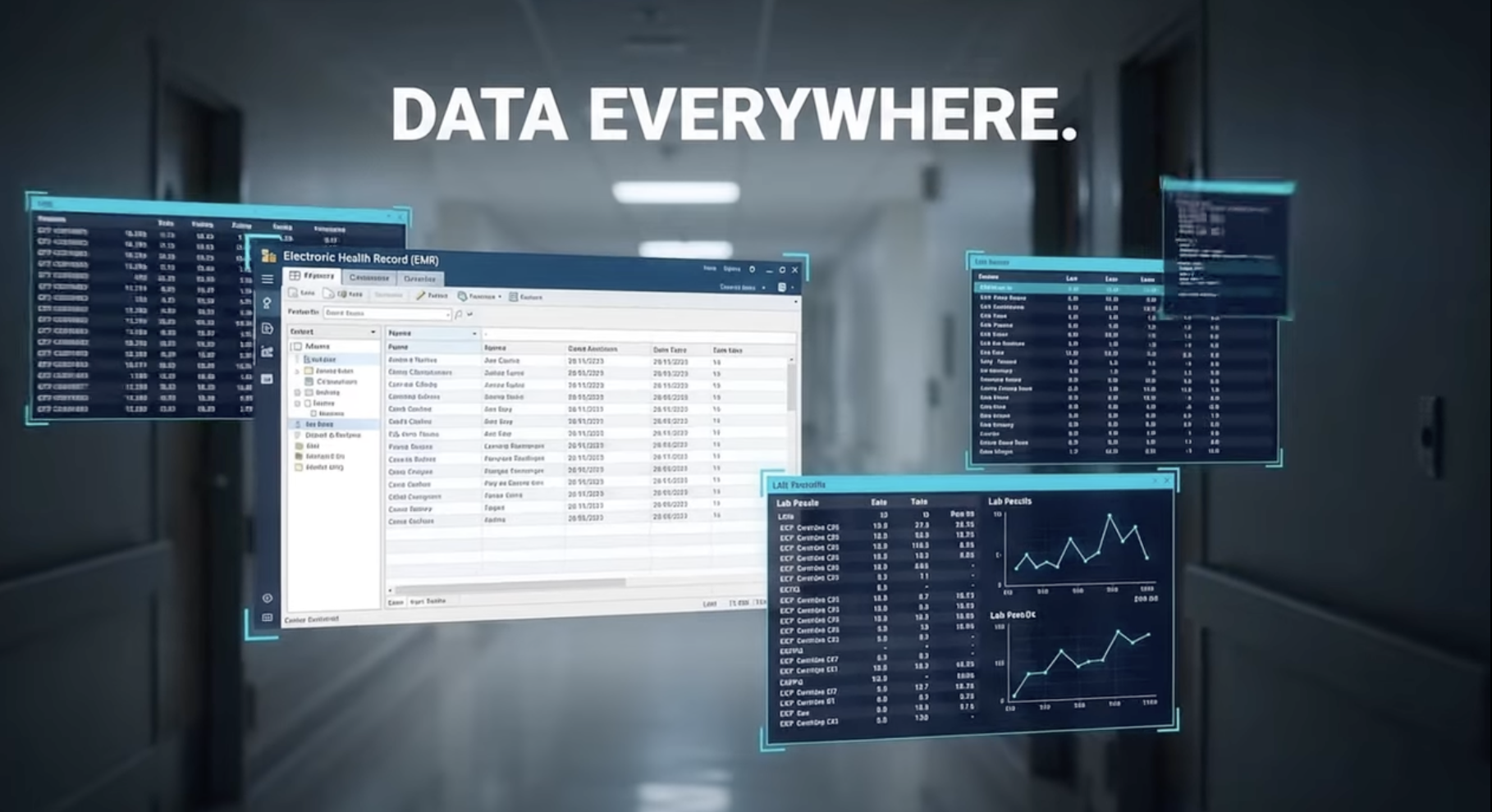
One of the biggest challenges in healthcare data management is the inconsistency in data formats. The need for standardized medical data has never been more urgent in an increasingly digitized healthcare ecosystem. Medical Data Standardization ensures that healthcare providers, patients, and systems can seamlessly share and interpret critical health information, irrespective of the sources or platforms involved. This integration process, however, is currently challenging. Variations in data collection methods, reporting formats, and interoperability hurdles have created a fragmented landscape, impeding the smooth flow of information between systems. The consequences are real and immediate: limited data accessibility, increased errors, and barriers to achieving optimal patient outcomes.
While impeccably standardized and seamless data is the dream scenario for smooth healthcare operations, the prevalence of legacy systems and the involvement of multiple stakeholders across the healthcare value chain makes it close to impossible to achieve standardization without the involvement of a technology middle layer that acts as the clearing house of formats, compliances and data types.
Why Standardization Matters for Quality Medical Data
The World Health Organization (WHO) estimates that nearly 20-30% of healthcare data worldwide needs to be more structured and compatible with other systems. This disjointed data collection contributes to inefficiencies and potential patient safety risks, underscoring the need for standardized health information exchange (HIE) frameworks. A robust Health Information Exchange (HIE) enables smoother, faster data sharing between healthcare providers, but its effectiveness depends on accurate and standardized data.
For example, in the United States, healthcare systems are moving towards FHIR (Fast Healthcare Interoperability Resources) standards, designed to simplify and standardize electronic health record (EHR) data exchange. According to a report by the Office of the National Coordinator for Health IT (ONC), 80% of hospitals now participate in some form of HIE, yet only a fraction of them have achieved full interoperability due to gaps in standardization. Addressing these gaps is essential for advancing healthcare data quality, which can directly impact patient safety and care outcomes.
The Importance of Data Quality in Medical Data Integration
Effective Medical Data Integration involves harmonizing diverse data sources, including electronic medical records, patient-reported data, imaging, and lab results. To ensure these various forms of information contribute to comprehensive patient profiles, data must be accurate, relevant, and easily accessible. Poor-quality data leads to misinterpretations, increased medical errors, and, ultimately, hindered patient care.
A report from the Institute of Medicine indicates that data quality issues are responsible for up to 15% of all preventable adverse patient outcomes in hospitals. This alarming statistic demonstrates how crucial data quality is for patient safety. By focusing on medical data standardization as part of the data integration process; healthcare organizations can improve their ability to detect and prevent potential risks early in the care process.
Addressing Interoperability Challenges with Standardization
Despite advancements in HIE, a 2023 American Health Information Management Association (AHIMA) survey revealed that nearly 60% of healthcare providers still encounter difficulties integrating and standardizing data across different platforms. One reason for this is the use of legacy systems that weren’t designed for modern interoperability standards. Healthcare organizations that rely on outdated systems often struggle to participate fully in HIE networks, as these systems may lack the capability to format, interpret, and transmit data consistently.
In response to these challenges, the healthcare industry increasingly adopts specialized healthcare integration solutions that bridge interoperability gaps and eliminate the need for enforcing standardization protocols with the use of a transformation engine. These solutions, like Vorro’s BridgeGate Health, are engineered to standardize disparate data sources, ensuring higher data quality and accessibility across healthcare systems.
Vorro’s Role in Advancing Data Standardization in Healthcare
As the industry continues to evolve, Vorro remains committed to providing innovative solutions that empower healthcare organizations to tackle the challenges of data integration and standardization. Through solutions like BridgeGate Health, Vorro offers a pathway for organizations striving to align with national data quality standards and enhance interoperability. This pathway is essentially a robust middleware solution that intelligently receives, processes, and disseminates data irrespective of the format it resides in.
By adopting Vorro’s healthcare integration solutions, healthcare providers can close the gaps in data quality and interoperability, making strides toward a more unified, efficient, and patient-centered healthcare system.
Read our blog on mitigating healthcare data security and interoperability to learn more about how Vorro supports the healthcare industry with cutting-edge integration solutions.
Frequently Asked Questions
What is medical data standardization in healthcare?
Medical data standardization converts health data into consistent formats—such as HL7, FHIR, ICD-10, and SNOMED CT—enabling disparate systems to exchange and interpret patient information accurately across providers, payers, and care settings.
Why is healthcare data standardization so difficult to achieve?
It is difficult because clinical data originates across hundreds of EHR systems using proprietary formats, custom code sets, and inconsistent data entry practices. Legacy infrastructure and regulatory variation across states compound the problem significantly.
What standards govern medical data in the United States?
Key standards include HL7 FHIR R4 for APIs, ICD-10-CM for diagnoses, CPT for procedures, LOINC for labs, RxNorm for medications, and SNOMED CT for clinical terminology. USCDI defines the minimum required interoperable data elements.
How does Vorro help healthcare organizations standardize clinical data?
Vorro provides healthcare data integration and transformation services that map proprietary clinical data to standard formats like HL7 FHIR, enabling interoperability between EHRs, payers, and HIEs without costly custom development work.
What are the real-world consequences of poor medical data standardization?
Poor standardization causes duplicate patient records, medication errors, denied claims, failed quality reporting, and inability to participate in value-based care programs. It also raises IT costs and risks regulatory penalties under CMS and ONC mandates.
How does Vorro compare to NextGen Mirth, Rhapsody, or Redox for data integration?
Unlike point-tool integration engines such as Mirth or Rhapsody, Vorro offers managed healthcare data services combining integration, transformation, and ongoing governance—reducing the internal engineering burden while ensuring standards compliance at scale.