
The good Captain’s signature phrase.
It is actually a common phrase in military history. A commander often uses it when acknowledging and agreeing with a subordinate’s suggestion or proposed course of action. The commander simply responds, Make it so.
If only it were that easy in this era of intense competition. One in which it has become vital for businesses to focus on innovation that reduces redundancy, allowing more to get done in less time. Technological advancements have made it possible for business owners to achieve this via automation. Data is one of the most valuable and important assets a business owns. Still, there seems to be doubt concerning that value, as well as its return on investment.
A recent PwC survey concluded:
- 61% of executives agreed that their companies should rely on data analysis more and intuition less
- This same survey revealed that only 39% of those same companies were highly data-driven
Automation as an idea has been around for a long time. It involves creating a system that can perform repetitive tasks, leaving little room for error. This system is based on manual programming or artificial intelligence. Machines are designed to automate specific processes and reduce human effort. Today, data automation seems to have taken center stage with businesses investing in technology and processes, allowing them to optimize the use of all available data.
What is data automation?
Data automation is an intelligent system designed to collect, process, and store chunks of data. It replaces the manual data execution with machines, software, and other applications. A typical example of data automation you might see is the use of a barcode scanner in a grocery store. The store uses it to get all kinds of details on a product, saving time on manual entry.
Practical applications of data automation
Most organizations use automation as a tool for improving customer experience. However, many are beginning to apply automation in other aspects of business, and its use can result in higher revenue per employee, regardless of the industry or its size.
The key to leveraging data automation is to focus on how people work. You must identify those areas that are mundane and repetitive; these are the areas where automation is needed. Automation frees up human employees from these mundane and repetitive tasks, allowing them to focus on the more strategic parts of their industry. Some areas where automation can be applied include:
1. Healthcare
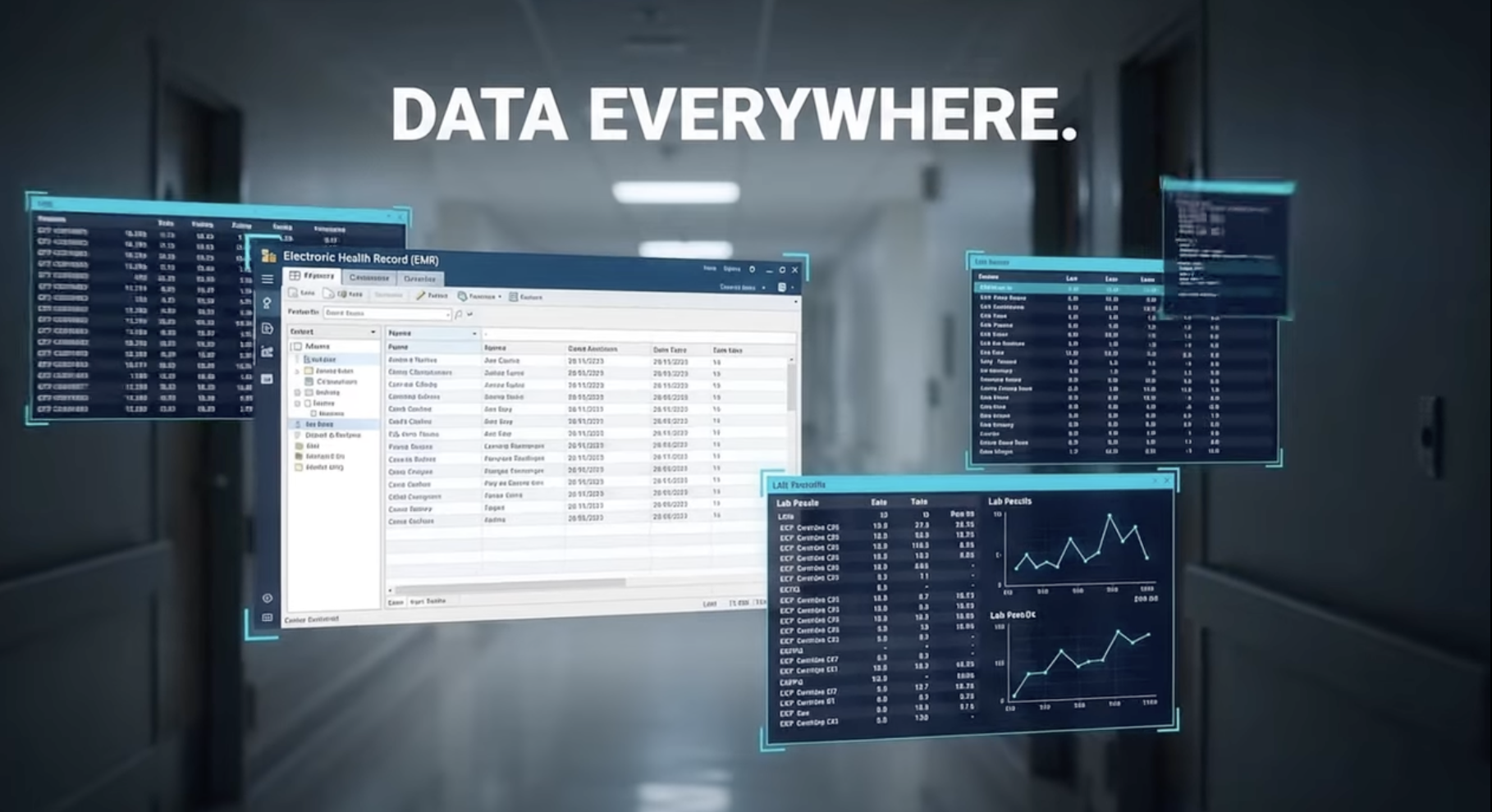
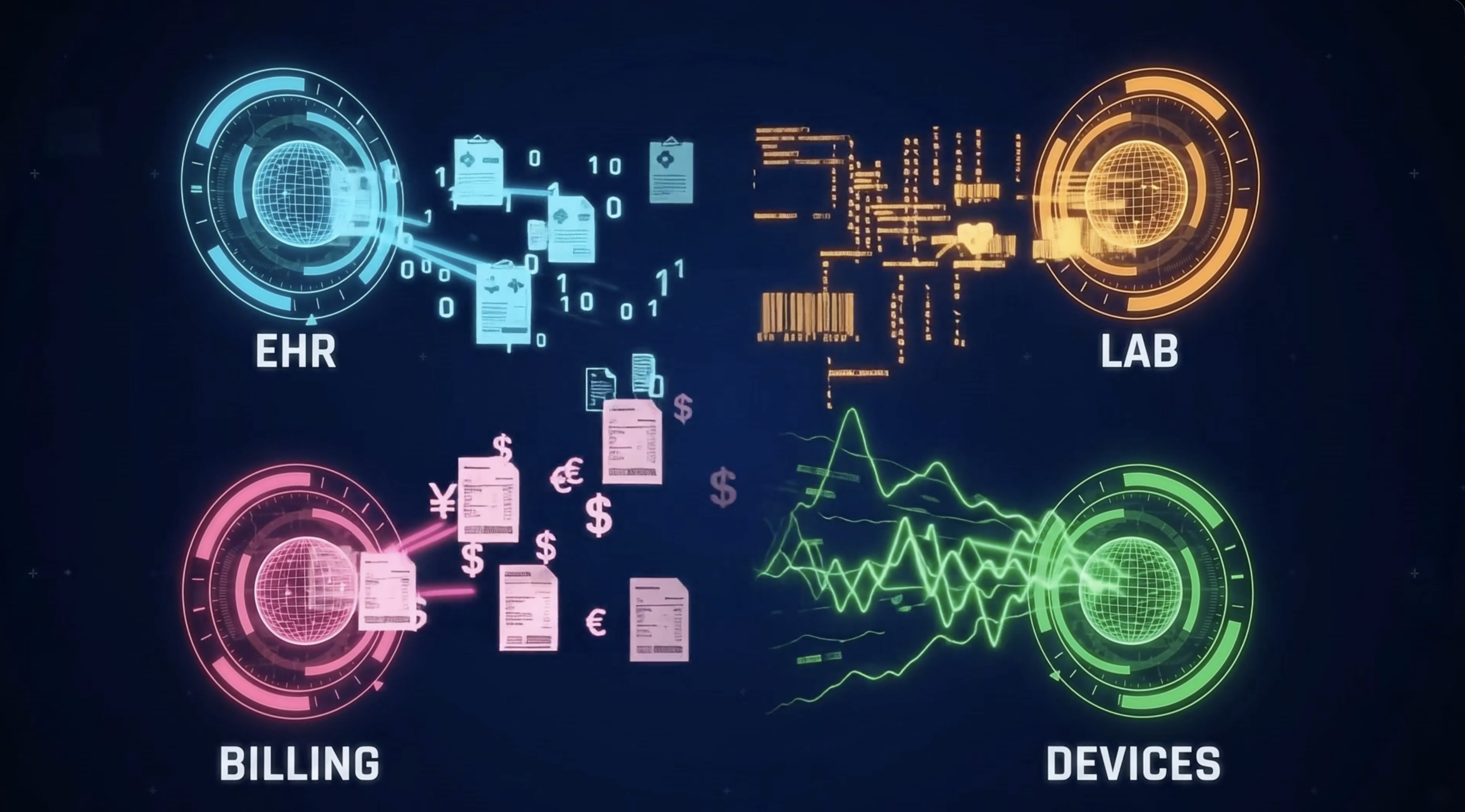
Data automation can help ensure healthcare organizations have the tools they need to harmonize their virtual systems and ensure all data is readily available. Providers have the ability to integrate the remote monitoring data into their electronic health record (EHR) for a more complete medical record.
2. Supply chain management
Retailers, distributors, transporters, suppliers, and storage facilities now have the ability to do more than simply automate programs. They can now extract relevant data used throughout the product, information, and financial flow to better manage the entire supply chain. From invoices to contracts, the information is there to improve processes.
3. Education
Data automation on campus is possible and necessary in today’s climate. A campus can achieve increased educational intelligence and identify key areas of convergence with current software solutions that track student data. For example, parents may wish to have access to raw data concerning their child’s performance. Total data integration can allow for this visibility, which will allow parents to be more strategic in assisting their children.
4. Recruitment
Companies can automate the process of reviewing resumes, allowing them to sort through only those that meet the requirements of the HR department. They can manage the process by identifying only the most essential data in the recruiting process. Unstructured content can be eliminated to reveal a particular skill or an area of expertise. Evidence-based hiring decisions will result in finding the right people at the right time and provide dividends in long-term recruiting and retention.
5. Loan and mortgage application
Streams of data and paperwork support loan applications. Some of the information comes structured. Still, much of it is available in the form of contracts, letters of employment, bills of sale, appraisals, and other documents. By identifying the relevant information from the many varied sources available, companies can automate the approval process, leaving only those aspects that need human review.
Organizations dealing with large and varied data types can benefit from data automation. Data automation helps organizations get clear, consistent, and accurate results, especially when data execution is still a manual process. This helps allocate resources to more critical areas, adding to the company’s value both in terms of redirecting valuable resources and creating actionable intelligence to assist in decision-making.
At Vorro, we provide a framework for companies looking to automate data transfer and utilization within their company. Our data modeling and processing techniques help streamline activities within your company via automation. As a result, with Vorro, you simply have to say to your friend Data , make it so.
Billy Waldrop is the Chief Operations Officer for Vorro, Inc. Billy has dedicated his career to managing and developing complex systems for the manufacturing and healthcare industries. He spent 10 years at the Mayo Clinic, where he supervised and directed teams responsible for the development and support of critical Patient Financial Services systems. He holds an MBA and a B.S. in Professional Management, along with many certifications from the Mayo Clinic.
Other Useful Resources
Cloud integration platform
Healthcare data interoperability
Frequently Asked Questions
What is data automation and how does it simplify business processes?
Data automation uses software to execute data movement, transformation, and management tasks without manual effort. It eliminates repetitive work, cuts error rates, and accelerates decisions by ensuring the right data reaches the right systems automatically and on schedule.
How does Vorro’s data automation compare to Boomi, Redox, or Rhapsody Health?
Vorro focuses on pragmatic, rapid-deployment automation with strong domain expertise in healthcare and enterprise workflows. Competitors like Boomi and Rhapsody Health offer broad iPaaS platforms, but Vorro differentiates through hands-on implementation, lower configuration overhead, and tailored integration logic.
What business processes benefit most from data automation?
Highest-ROI candidates include invoice processing, patient data management, compliance reporting, CRM syncing, ETL pipelines, and cross-system reconciliation — any process that is high-volume, repetitive, and currently dependent on manual data handling.
Is data automation secure enough for HIPAA or regulated industries?
Yes. Enterprise data automation platforms enforce encryption in transit and at rest, role-based access, and full audit trails. Properly configured solutions support HIPAA, SOC 2, and GDPR compliance, making automation safe for healthcare and other regulated sectors.
How long does data automation implementation typically take?
Simple automations can launch within days. Multi-system enterprise integrations typically require four to twelve weeks. Vorro’s structured onboarding methodology is designed to compress time-to-value and reduce implementation risk compared to generic integration platforms.