You have access to exponentially more data than ever before, but the realization of this data’s value is often late. A next generation healthcare data pipeline offers you an opportunity to transfer, harmonize, and make use of data rapidly and efficiently.
It links the clinical, financial, and operational systems so that the two sides of the healthcare industry, the providers and the payers, are working from the same data and making timely decisions based on it.
What Is a Healthcare Data Pipeline?
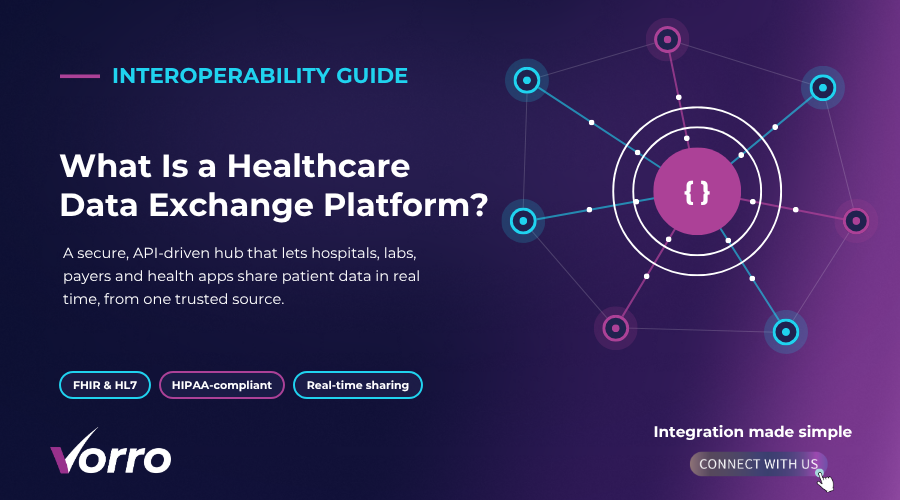
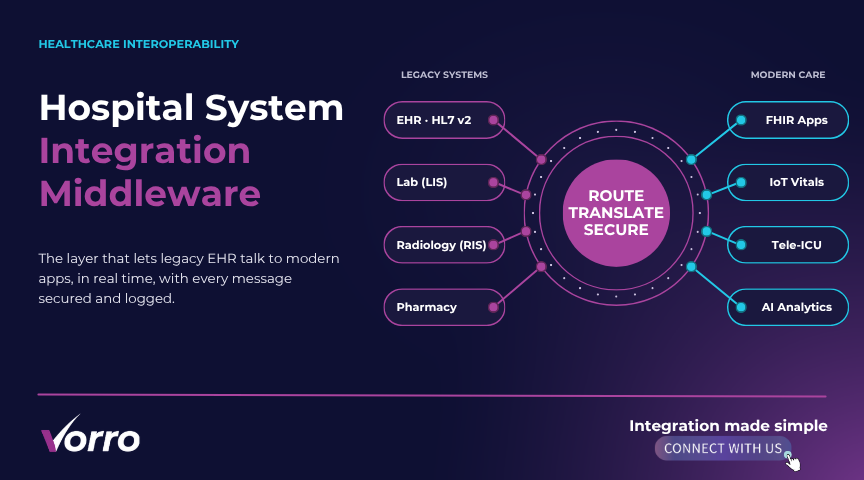
A healthcare data pipeline is basically a bunch of services working together to automatically gather, clean, and organize healthcare data from different systems and then provide it to healthcare professionals and IT stuff that really need it. It connects EHRs, practice management tools, claims systems, care management platforms, CRMs, and more.
Basically, in a healthcare data pipeline, data takes a journey from source systems, to a staging area, then gets transformed and verified for quality, before finally being placed into targets like data warehouses, analytics tools, or real-time applications. You govern how data moves and how it is transformed at every stage.
The objective is very straightforward. One and the same patient, claim, and operational data should look the same and be reliable no matter where it is in your environment.
A healthcare data pipeline for providers and a healthcare data pipeline for payers can have the same backbone, which is adapted to each group with role based access and rules.
What Makes a Healthcare Data Pipeline Modern?
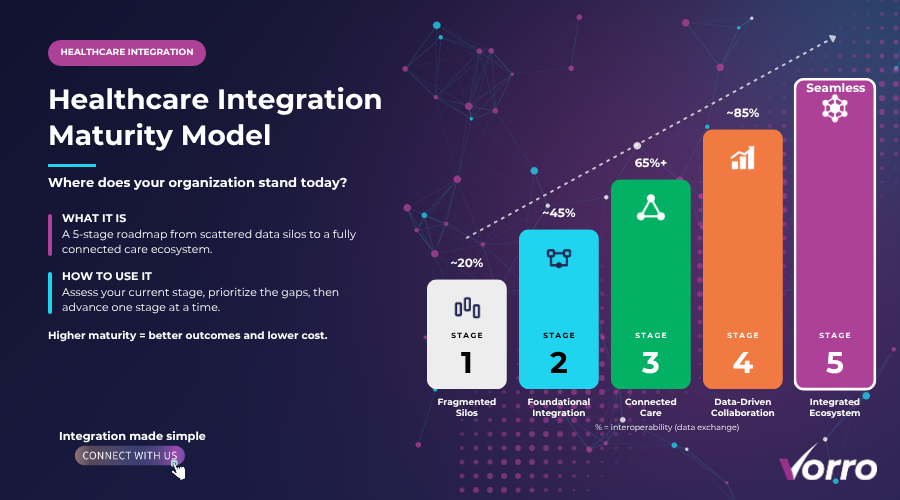
A modern healthcare data pipeline can manage volume, speed, and complexity without causing fresh bottlenecks. It is capable of running hybrid environments, supporting legacy systems, and cloud platforms, and it can scale without the use of fragile custom code.
Main characteristics of a modern healthcare data pipeline are:
- Capability to handle a wide range of standards and formats like HL7, FHIR, X12, and custom APIs
- The same platform is used for both real, time and batch processing
- The ability to reuse mappings and workflows thus preventing point to point sprawl
- Centralized monitoring and alerting mechanism so that you are notified of issues right away
- Security controls are integrated and there is compliance support
Employing a modern healthcare data pipeline can help you minimize manual file manipulations and fragile interfaces. You provide your teams with a consistent mode of transporting and refining data, which results in shortened project timelines and increased reliability.
Benefits of a Healthcare Data Pipeline for Providers
A healthcare data pipeline geared towards providers is a key component in achieving clinical, financial, and operational goals. It enhances the capability of your teams to understand the patients more holistically and gives them better control over the workflows.
Some of the most important benefits of a healthcare data pipeline for providers are:
- Stronger clinical context. Clinicians are able to access data from EHRs, labs, imaging, and external partners that are presented to them in a uniform manner, thus their better decisions at the point of care are supported.
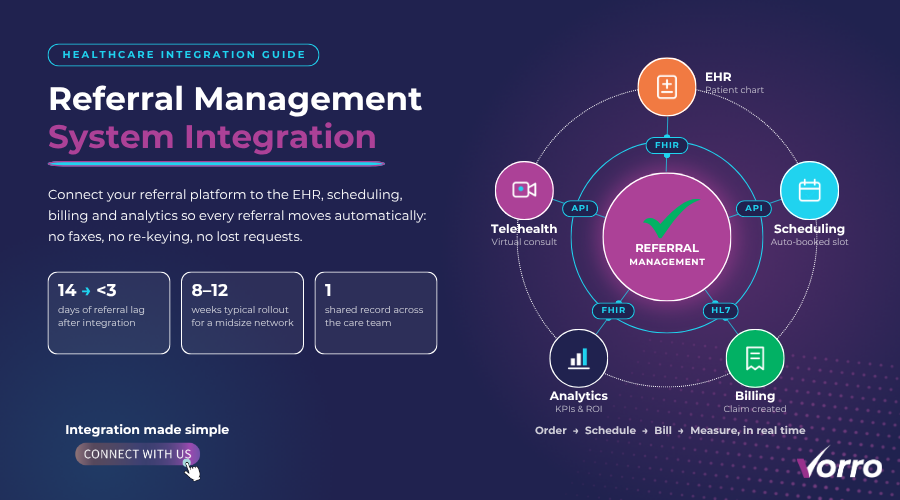
- Referrals and care coordination are more streamlined. A modern healthcare data pipeline can lead to fewer delays, and gaps being closed thus the patient transitions between settings become seamless.
- Revenue cycle data is much cleaner. Registration, coding and billing data with fewer errors will flow and thus, a faster reimbursement and fewer denials are supported.
- Operational insight. Leadership has access to accurate data that is reliable for planning and performance management across different sites and service lines.
Besides, a modern healthcare data pipeline helps cut down repeated data entry, decrease the use of manual extracts and create a culture of trust that teams who rely on sharing data experience.
Benefits of a Healthcare Data Pipeline for Payers
A healthcare data pipeline for payers is a critical component of efficient pricing, risk assessment, and network performance. It essentially links claims, eligibility, clinical data, and partner feeds in a single, consistent model.
Some of the major healthcare data pipeline benefits for payers are:
- Improved understanding of member health condition. Only with a combined view of clinical and claims data can care management and population health programs be well supported.
- More accurate utilization management. Having the most recent data available enables prior authorization and case review to be done in a much more intelligent manner.
- Higher provider network performance. Comprehensive data help identify providers whose performance lines up with quality and cost standards.
- Quicker product and program modifications. Data pipelines facilitate rapid changes in benefit designs and value based arrangements.
By using shared data structures and shared measures, payers benefit from alignment with providers. A modern healthcare data pipeline is the basis for that shared foundation.
Role of Real-Time Healthcare Data Pipelines
A real, time healthcare data pipeline will refresh the information as the event happens rather than days later. For many cases, this brings about the difference between a valuable insight you can still act on and one that is simply too late.
- Alerts of changes in patient health status that result in outreach or care plan updates
- Instant eligibility checks decreasing customer, service friction
- Fraud and abuse detection models that are fed with the most recent transaction data
- Operational dashboards showing the capacity and workflow across locations
- Real, time healthcare data pipeline features are not a substitution for batch workloads.
Rather, they are located next to them in the very same modern healthcare data pipeline, so you have the flexibility to use the pattern that best fits the task.
How Modern Healthcare Data Pipelines Enable Analytics and AI
Analytics and AI rely heavily on consistent, high quality data. A modern healthcare data pipeline lays the groundwork for this. It not only ensures data quality throughout the stages but also maintains a transparent lineage.
With an efficient healthcare data pipeline, you:
- Identify and implement shared data models for patients, encounters, providers, and payers
- Use validation rules and enrichment as the data is received
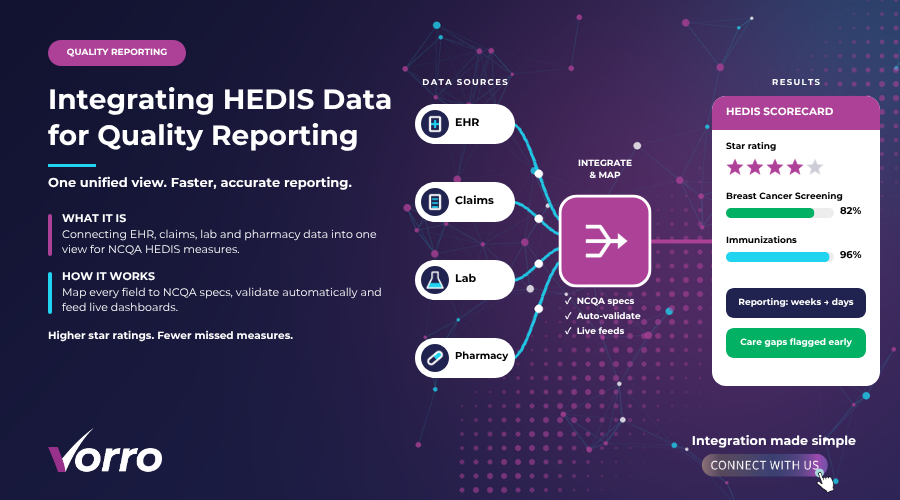
- Supply data warehouses, lakehouses, and analytics platforms with trustworthy sources
- Provide AI models with steady, standardized data streams
You do not only get better dashboards as a result. Also, you enable care pathways, risk models, and automation which depend on timely, accurate data. Both providers and payers will be able to use these models more effectively if they draw from the same modern healthcare data pipeline.
Security, Compliance, and Data Governance in Healthcare Data Pipelines
Any medical information pipeline has to safeguard patients’ sensitive data, be compliant with laws, and adhere to the internal rules of the organization. An advanced platform integrates these requirements into its very structure instead of treating them as an afterthought. The core elements are:
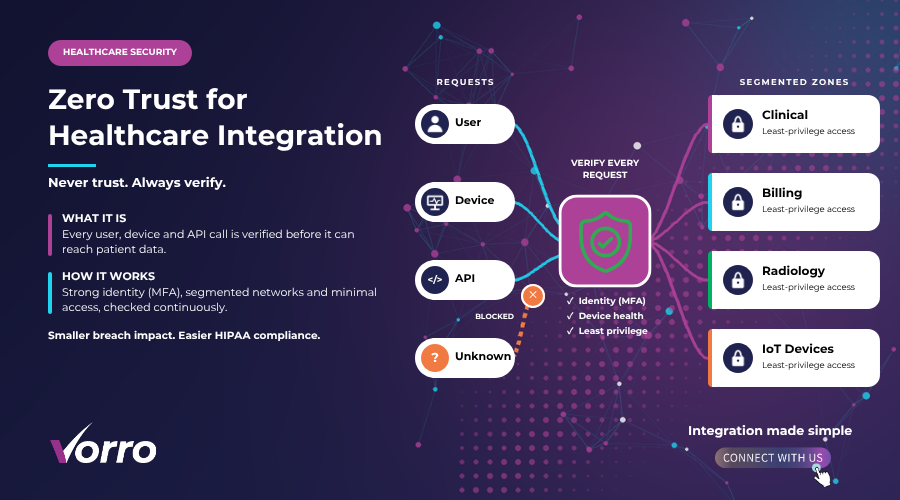
- Ensuring data security through role-based access, encryption, and secure transport at each stage of the pipeline
- Maintaining an audit trail facility to monitor and record accesses to the data, who, what, and when.
- Implementing retention, archiving, and deletion rules based on policy
- Facilitating consent and data sharing agreements between healthcare providers and insurers
- Effective governance establishes a consensus among definitions and regulations across different units.
A common healthcare data pipeline limits discrepancies in data versions and clearly identifies the owners of the data sets and the transformations.
How to Choose the Right Healthcare Data Pipeline Platform
Choosing a healthcare data pipeline platform is effectively deciding on the central support of your data strategy. You want it to be flexible, dependable, and coherent with your integration strategy.
Among the critical questions you should ask are:
- Does the system support your current standards as well as the ones you are planning to adopt?
- Is the system capable of supporting both a healthcare data pipeline for providers and a healthcare data pipeline for payers within one single architecture?
- Does the system support both batch and real-time healthcare data pipeline patterns?
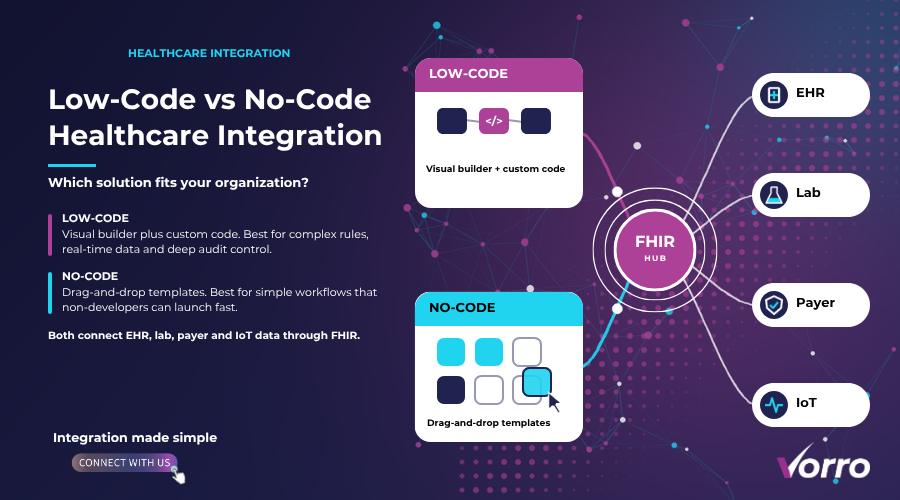
- Is your team able to monitor, manage, and evolve integrations without writing a lot of custom code?
- Does the vendor offer healthcare, specific expertise, and implementation support?
A state, of, the, art healthcare data pipeline platform should, over time, lessen rather than increase the effort needed for integration. It can be of help in reusing the same mappings, speeding up new connections, and keeping the governance stable.
Why Providers and Payers Need Modern Healthcare Data Pipelines
Providers and payers are united by many of the same objectives. Some of these objectives are: improved outcomes, reduced overall cost of care, enhanced patient and member experience, and more efficient operations. However, all of these are dependent on data that is rapidly transacted, consistently maintained, and used for insightful collaboration.
A modern healthcare data pipeline enables you to mutually agree on a shared data foundation. It is equally helpful to a healthcare data pipeline for providers as it is for a healthcare data pipeline for payers. It does so by a model that honors roles, privacy, and governance.
Vorro assist healthcare organizations in the construction and operation of modern data pipelines that become the nerve that connect legacy systems, cloud platforms, providers, and payers in one versatile architecture. If you wish to discover how a modern healthcare data pipeline can be the backbone to your next digital health phase, get in touch with Vorro.
Frequently Asked Questions
What is a healthcare data pipeline?
A healthcare data pipeline automates the ingestion, transformation, validation, and routing of clinical and administrative data between providers, payers, and health systems. It supports standards like HL7 FHIR and EDI X12 to ensure accurate, timely data exchange across the care continuum.
How does a modern healthcare data pipeline benefit payers?
Payers gain faster claims adjudication, reduced data errors, automated prior authorization, and real-time eligibility checks. Unified pipelines also improve risk adjustment accuracy and automate CMS interoperability compliance, cutting administrative overhead and denial rates significantly.
How does a healthcare data pipeline benefit providers?
Providers get a consolidated patient record view across EHRs, labs, and payer systems. This reduces manual data entry, supports clinical decision-making, accelerates referrals, and decreases claim denials—resulting in better patient outcomes and lower operational costs.
What standards does a modern healthcare data pipeline support?
Modern pipelines support HL7 FHIR R4, HL7 v2, EDI X12 (837, 835, 270, 271), DICOM, SNOMED CT, and ICD-10. Multi-standard support is essential for interoperability with EHRs, payer platforms, government health programs, and lab networks.
Is a healthcare data pipeline required for CMS interoperability compliance?
Yes. CMS-9115-F requires payers to expose patient data via FHIR APIs. A data pipeline automates FHIR endpoint management, patient data routing, and audit logging—making ongoing compliance operationally sustainable rather than a costly, manual ongoing effort.
How does Vorro compare to Redox, Rhapsody, or Boomi for healthcare data pipelines?
Vorro offers no-code pipeline orchestration, healthcare-native connectors, built-in data quality scoring, and compliance audit trails—without per-message pricing. Unlike Redox or Rhapsody, Vorro gives mid-market health organizations predictable costs and faster deployment timelines.

Akshita is a Senior Content Writer and Marketer with over a decade of experience crafting narratives that convert, rank, and build lasting brand authority. She has worked across SaaS, FinTech, HealthTech, and Education spaces, delivering everything from HIPAA-compliant medical content to multilingual campaigns for the International Labour Organization, United Nations. Her content has reached audiences across the globe, and she has worked for Fortune 500 brands, global agencies, and startups alike. Fluent in English, Spanish, and German, Akshita brings a rare cross-cultural edge to brand communication. A literature graduate from Delhi University, she balances strategic thinking with a storyteller's instinct, but when she isn’t architecting content roadmaps, she channels her creativity into poetry and painting or dedicates her time to caring for stray animals - pursuits she credits for making her a more empathetic and perceptive communicator.