Introduction
Looking to make sense of the endless chatter around HL7 FHIR integration platform options? You’re not alone. Hospitals, payers, and health tech startups are all racing to replace clunky HL7 v2 pipelines with something more agile. In this guide I’ll walk you through what a modern FHIR platform actually does, the features you can’t live without, real world costs, and the exact questions you should ask vendors before you sign a contract.
By the end of this article you’ll have a clear picture of the ROI you can expect, the timeline you should budget for, and a handy checklist to keep your procurement team on track.
What an HL7 FHIR Integration Platform Does
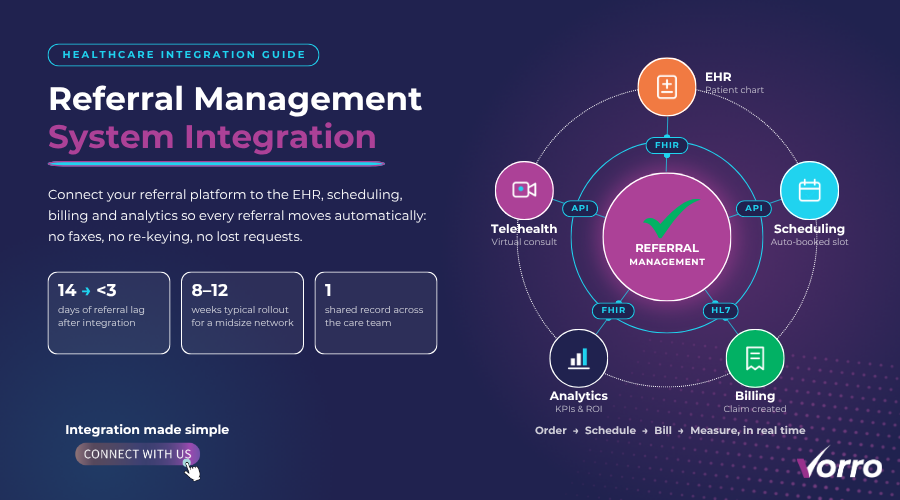
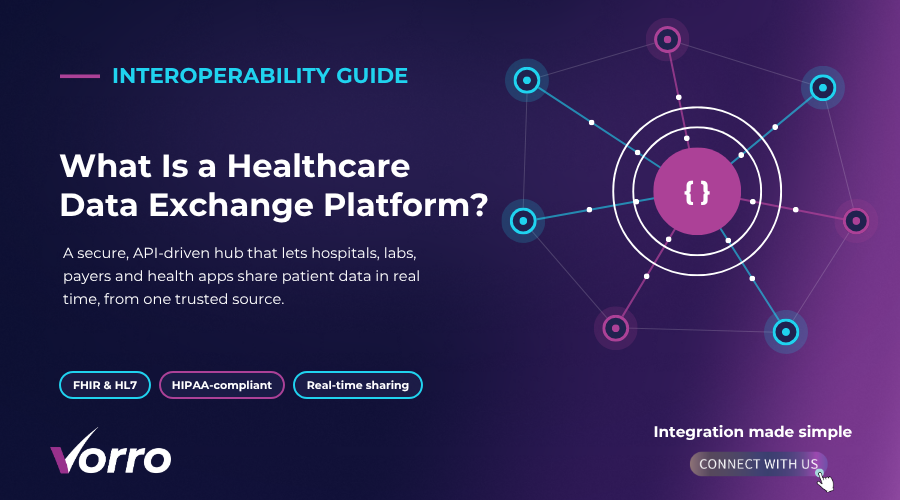
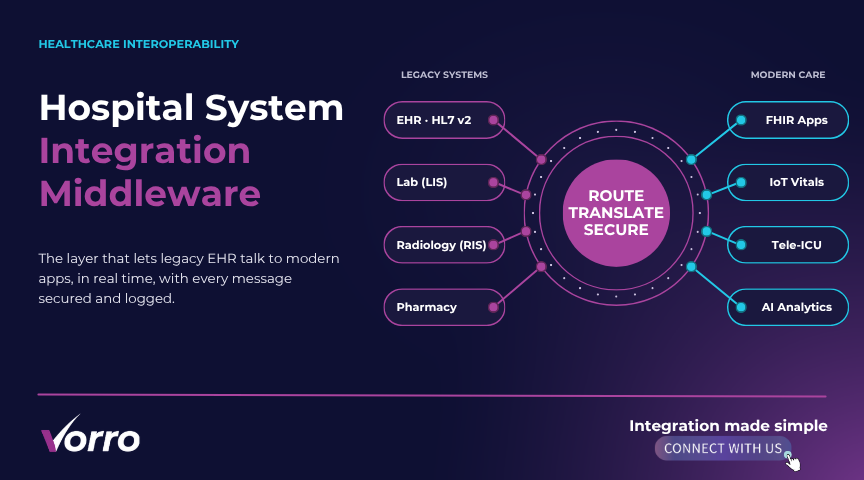
An HL7 FHIR platform sits between disparate health systems-EHRs, billing engines, labs, and even patient facing apps-and translates their data into the FHIR standard. Think of it as a universal translator that can also expose a clean API layer for developers. It handles message transformation, terminology mapping, and session management while keeping audit logs for compliance.
In practice, a hospital might use the platform to sync new lab results from a legacy LIS directly into the Epic chart in under a minute. A payer could pull encounter data from dozens of provider portals without writing a custom adapter for each system. The magic is that everything is packaged as reusable FHIR resources.
Must-Have Capabilities
If you’re evaluating solutions, check off these essentials:
- FHIR R4 support – Most buyers need at least R4 compliance, but keep an eye on R5 roadmaps.
- Native HL7 v2/v3 adapters – You’ll still have legacy feeds to convert.
- Robust API gateway – Look for a FHIR API platform that offers OAuth2, rate limiting, and developer portals.
- Terminology services – SNOMED CT, LOINC, and RxNorm should resolve automatically.
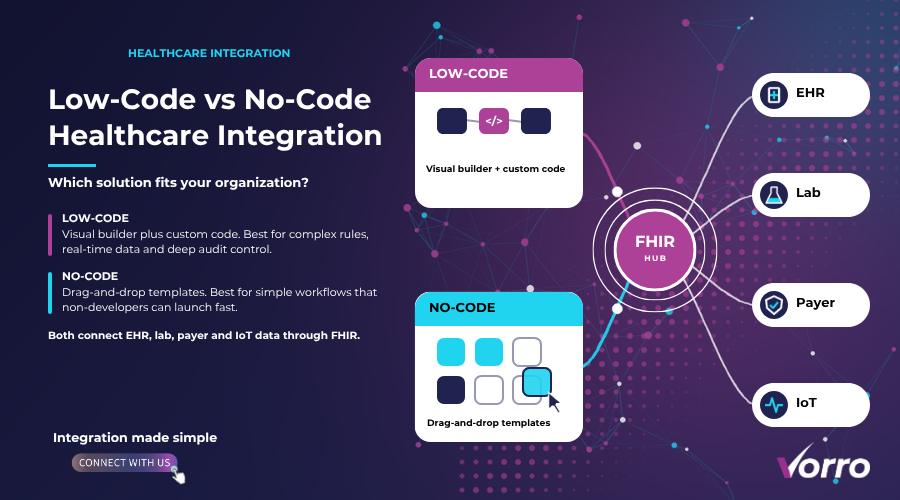
- Data mapping studio – Drag and drop tools cut implementation time dramatically.
- Event driven architecture – Real time triggers (Kafka, RabbitMQ) mean you can push updates instead of polling.
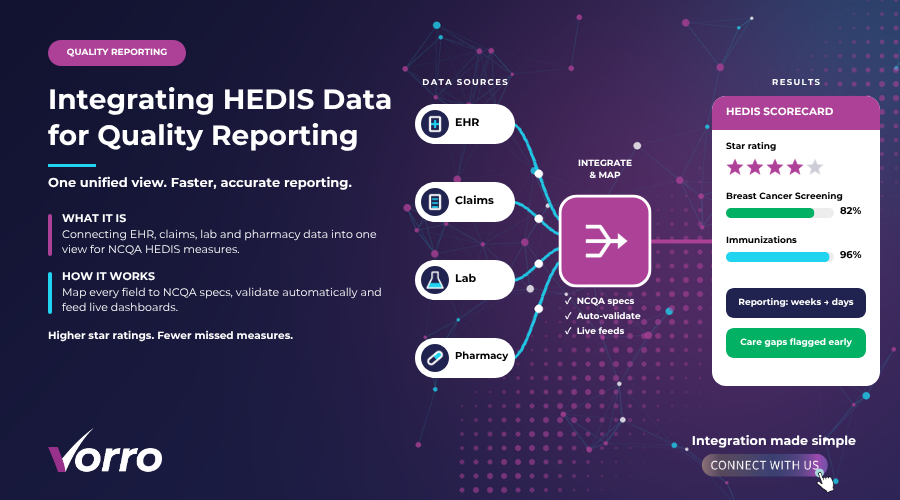
And don’t forget analytics hooks. A platform that can stream FHIR bundles to a data lake gives you AI ready datasets without extra ETL fireworks.
Deployment and Time to Value
Deployment options have exploded in the last three years. You can go on prem for strict data sovereignty, opt for a public cloud SaaS for speed, or blend both in a hybrid model. My rule of thumb: if you need a proof of concept in under six weeks, SaaS wins.
Typical timelines look like this:
- Kickoff & requirements – 1 2 weeks.
- Connector configuration (v2 to FHIR, terminology) – 2 4 weeks.
- API publishing and security hardening – 1 2 weeks.
- User acceptance testing – 1 week.
- Go live and hyper care – 1 2 weeks.
That’s a total of 6 11 weeks for a mid size hospital integration. Large health systems with dozens of source systems may stretch to 4 6 months, but even then the effort is far less than a full custom build.
Security and Compliance Requirements
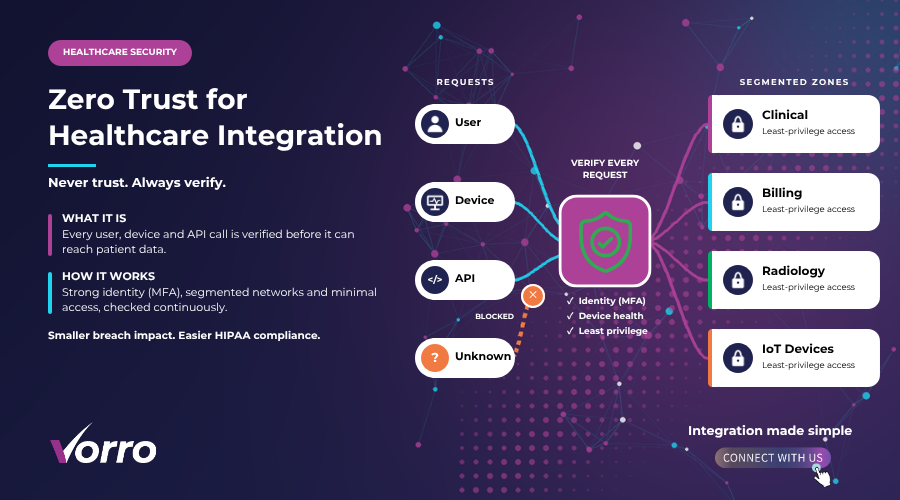
Data privacy isn’t optional. Any healthcare integration software must lock down transport with TLS 1.2 or higher and enforce OAuth2 scopes for each FHIR resource. Role based access control (RBAC) should be granular enough to let a lab tech read results but not edit patient demographics.
Compliance check list:
- HIPAA – Encryption at rest, audit trails, Business Associate Agreements.
- GDPR – Data residency options and the right to be forgotten.
- ONC Certification – Especially if you’re a Medicare eligible provider.
- ISO 27001 – A good sign the vendor takes security seriously.
Ask vendors for sample audit logs and a copy of their penetration test report. A platform that provides built in audit log export to Splunk or Azure Sentinel will save you weeks of custom work.
Pricing Models to Expect
There’s no one size fits all price tag. Most vendors charge a recurring subscription based on one of three levers:
- Per API call – Good for low volume pilots, but costs can balloon with heavy transaction loads.
- Per connector – You pay a flat fee for each source system you hook up (e.g., HL7 v2 to FHIR € counts as one).
- Enterprise tier – Unlimited APIs and connectors, plus premium support.
Don’t be surprised to see implementation services tacked on at $150 $250 per hour. A realistic budget for a 10 connector mid size deployment might be $45,000 upfront plus $12,000 $18,000 annual subscription. Ask about hidden fees for extra terminology licenses or extra data storage – they creep in fast.
ROI and Business Impact
When you put numbers to the picture, the case gets compelling. One regional health system cut integration effort from 12 months to 8 weeks after adopting a FHIR R4 integration solution, saving an estimated $850,000 in labor costs.
Other measurable benefits include:
- 30 40% reduction in data reconciliation errors, translating to fewer claim rejections.
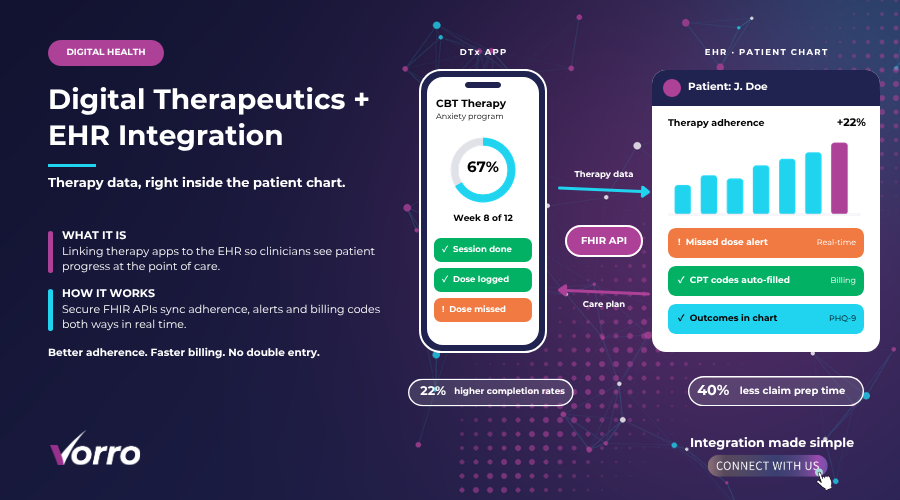
- Faster patient access -mobile apps can pull real time medication lists, improving adherence by up to 15%.
- New revenue streams – developers can monetize SMART on FHIR apps built on the same API layer.
Run a quick ROI calculator: (Total labor saved + revenue uplift – annual subscription) ÷ subscription cost. If the ratio is above 3, you’re in a good spot.
Future Trends and FHIR Evolution
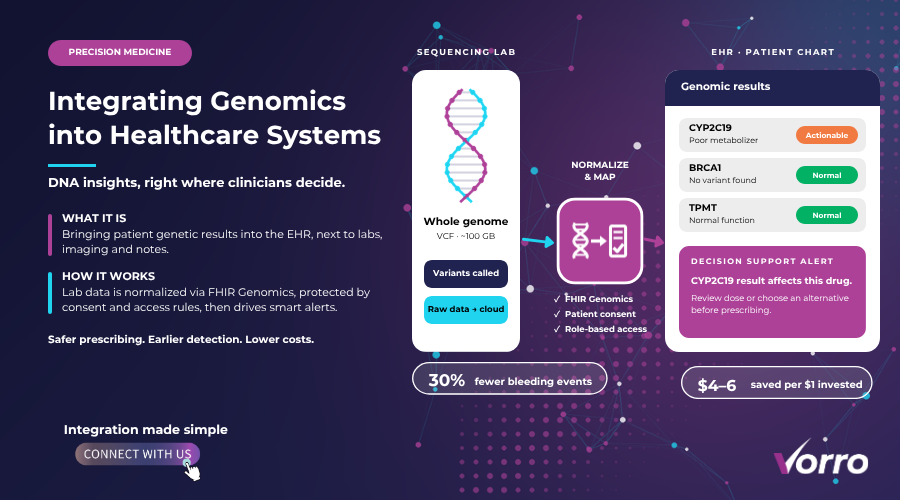
FHIR isn’t standing still. R5 is on the horizon with enhanced genomics resources and more robust evidence based data models. Meanwhile, SMART on FHIR continues to dominate the app ecosystem, letting third party tools plug into the platform with a single consent flow.
AI driven services are also gaining traction. Platforms that expose a FHIR API platform for machine learning pipelines can feed de identified bundles directly into predictive models for readmission risk or population health dashboards.
Keeping an eye on vendor roadmaps will protect you from being left with a platform that can’t handle the next version of the standard.
Vendor Comparison Matrix
Below is a quick scoring sheet you can copy into Excel. Rate each vendor from 1 (poor) to 5 (excellent) on the listed criteria.
| Criteria | Weight | Vendor A | Vendor B | Vendor C |
|---|---|---|---|---|
| FHIR R4 & R5 support | 20% | 5 | 4 | 3 |
| Connector library breadth | 15% | 4 | 5 | 3 |
| Developer experience (sandbox, docs) | 15% | 5 | 3 | 4 |
| Security certifications | 20% | 5 | 4 | 5 |
| Total Cost of Ownership | 15% | 3 | 4 | 5 |
| Support SLA & community | 15% | 4 | 5 | 3 |
Multiply each rating by its weight, sum the columns, and you’ll see which solution aligns best with your priorities.
The Buyer’s Checklist
Before you hand over a purchase order, run through this list:
- Does the platform provide native FHIR R4 support and a clear roadmap to R5?
- Are both HL7 v2 and v3 connectors included out of the box?
- Can you spin up a sandbox in under an hour?
- Is OAuth2 + SMART on FHIR built in, or will you need extra licensing?
- What are the SLA terms for uptime and support response?
- Do they offer a clear breakdown of implementation services and hidden fees?
- Is there a certified security audit you can review?
- How does the vendor score on the comparison matrix you built?
Answer yes € to at least six of these and you’re likely on solid ground.
Key Takeaways
Choosing an HL7 FHIR integration platform isn’t just about ticking technical boxes. It’s about aligning the solution with real business outcomes-speed, cost reduction, and new revenue possibilities. Look for R4 readiness, a rich connector catalog, and a transparent pricing model. Make sure security and compliance are baked in, not bolted on later.
By following the checklist, scoring vendors with the matrix, and focusing on measurable ROI, you’ll avoid the hidden cost traps that many competitors overlook. The right platform will get you from a tangled legacy stack to a modern, API first ecosystem in under three months-if you pick wisely.
FAQs
- Can the platform handle HL7 v2 to FHIR conversion? Absolutely. Most leading solutions ship with pre built v2 to FHIR mappers that you can fine tune in a visual studio.
- What is the typical time to value? For a standard mid size deployment you’re looking at 6 11 weeks from kickoff to production. Large enterprises may need 4 6 months.
- How is data privacy ensured? Transport is encrypted with TLS, data at rest uses AES 256, and access is controlled via OAuth2 scopes and RBAC. Vendors should also provide audit logs for HIPAA compliance.
- Are there hidden costs? Watch out for extra connector licenses, premium terminology services, and usage based API call fees. Always ask for a detailed price breakdown before signing.
- Do I need a dedicated team to manage the platform? Not necessarily. SaaS based FHIR integration platforms often include managed operations and 24/7 support, reducing the need for in house expertise.