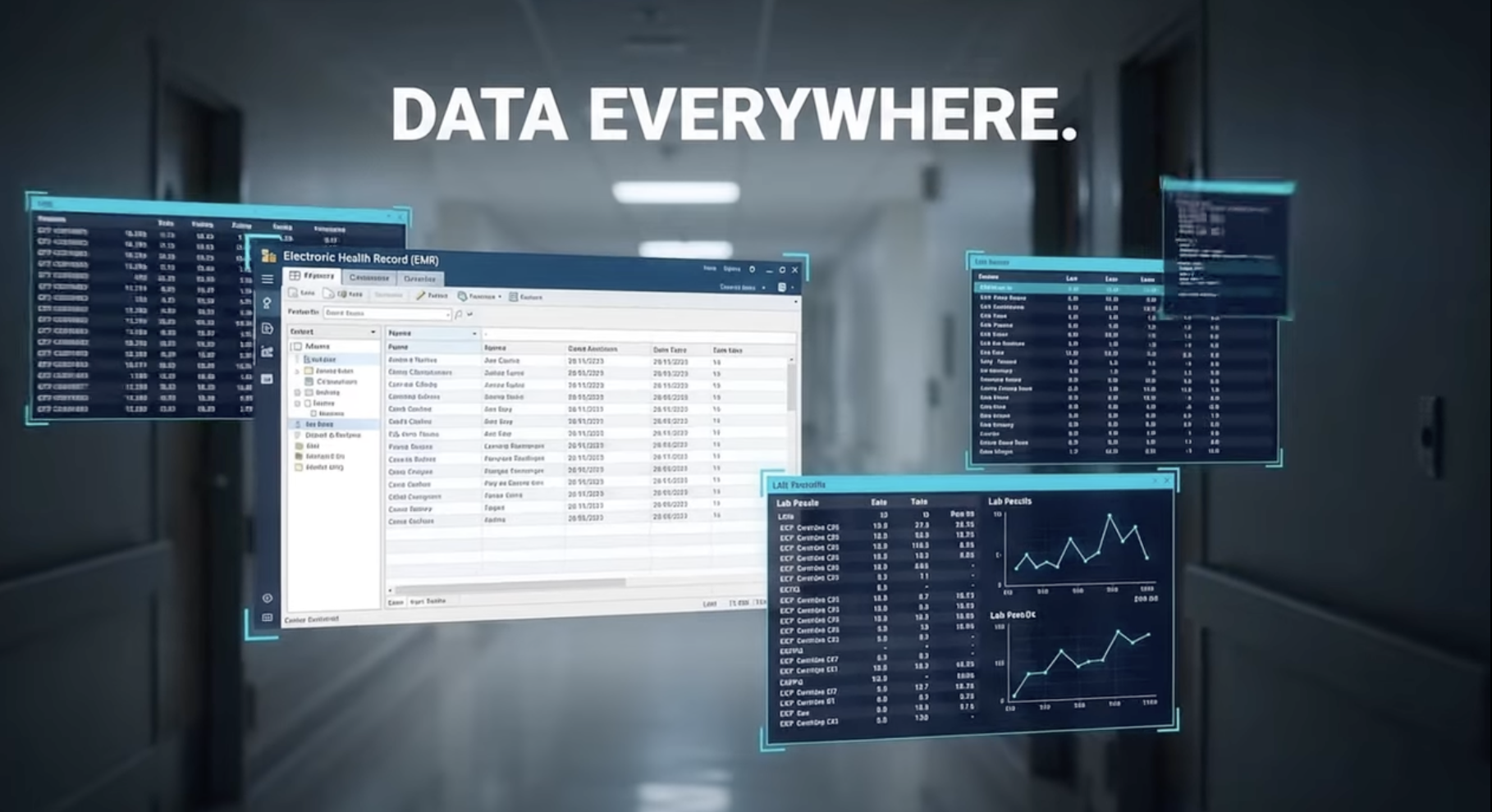
How often do organizations, whether a start-up or a well-established organization, start with integration as a core business function? Not many. Which is odd because without data exchange, most solutions add no value. If data exchange is so critical, why do we see organizations attacking integration as an afterthought? We do not believe it is done intentionally, typically the focus is on improving, implementing, and strategizing around the core competencies of the organization. Then, suddenly, the need for some new or additional data arises. Now what? Because the immediate need is to resolve the issue at hand, a more global perspective is overshadowed, which leads to costly, one-off integrations that serve a very narrow focus.
We see some organizations creating point-to-point integrations, some using multiple solutions, and others using free software to create integrations. The issues with these methods are:
- Point-to-point:
Making changes are hard. If you change something in the main system, all the other endpoints are affected. They can also be costly to maintain. It can make leaving one vendor more difficult because you cannot just turn it on and off. An integration solution should allow you to treat an endpoint as a utility that you can simply plug-and-play. - Using multiple integration solutions:
This can be expensive from a licensing and management perspective. Usually it takes high-level programmers for the upkeep. This can also hinder flexibility and agility. Project lifecycles are long and costly. A strategic integration platform that you can build on is the best architecture that can then easily fill the gap, extend your capabilities, or even replace legacy systems where required. - Free integration software:
The issue with this solution is most organizations outgrow the free version and then they either must pay for an upgraded license, pay for support, or look for another integration solution. Again, this can require expensive FTEs, lost time to re-create the integrations, and focus away from core competencies. You get what you pay for, but it should not break the bank. A platform should address your needs at a value that makes sense and should have the ability to grow and mature as your integration needs do.
If organizations would start looking at integration as a strategy and not an afterthought, there could be time, money and energy saved in the long run. Choose a platform that works for you, not the other way around. Ease of use, flexibility, and a strategic partner should all be key components of the solution.
Other Useful Resources
cloud integration platform
healthcare data interoperability