More than ever, data interoperability has become paramount for healthcare providers who need a quick and accurate way to exchange information. FHIR in Healthcare is essential for achieving seamless data exchange.
This is where the Fast Healthcare Interoperability Resource, or FHIR, comes in. After its introduction, it quickly became one of the most popular methods for connecting multiple systems.
But what is FHIR?
The Health Level Seven International (HL7) healthcare standards organization created this standard to describe data formats and elements (known as resources). It provides an application programming interface (API) for exchanging electronic health records (EHR). At its core, FHIR connects intricate healthcare systems using a contemporary, internet-centered approach.
On their website, HL7 describes FHIR ‘s mission by saying, The philosophy behind FHIR is to build a base set of resources that, either by themselves or when combined, satisfy the majority of common use cases. FHIR resources aim to define the information contents and structure for the core information set that most implementations share.
Each resource identifies a specific set of data points. FHIR enables the use of these resources across health record systems, allowing quick and easy access to the data.
HL7 clarifies this on their website, stating, FHIR resources can be used to build documents that represent a composition: a set of coherent information that is a statement of healthcare information, particularly including clinical observations and services. A document is an immutable set of resources with a fixed presentation that is authored and/or attested by humans, organizations, and devices.
So, what does this mean for the healthcare industry?
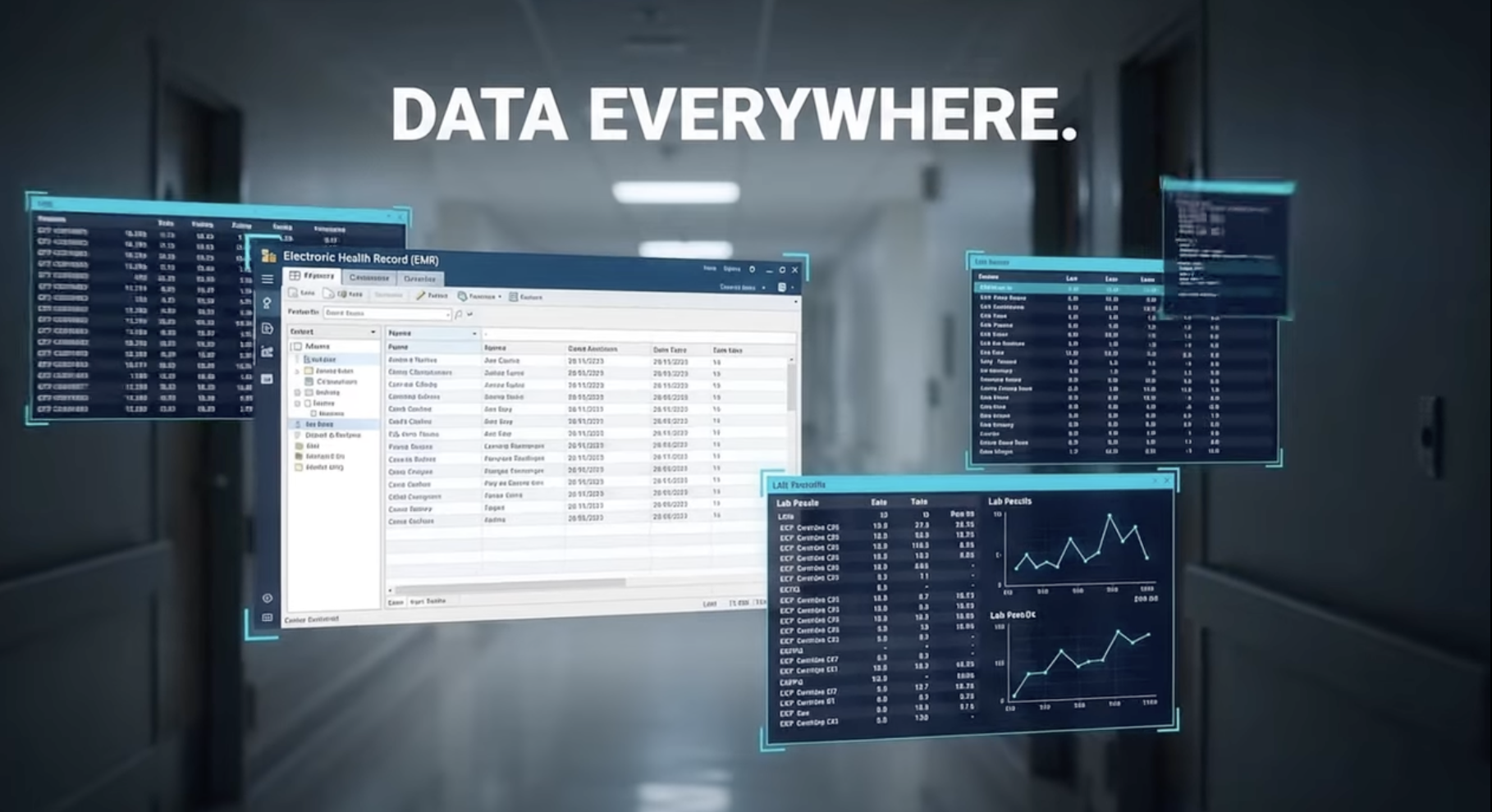
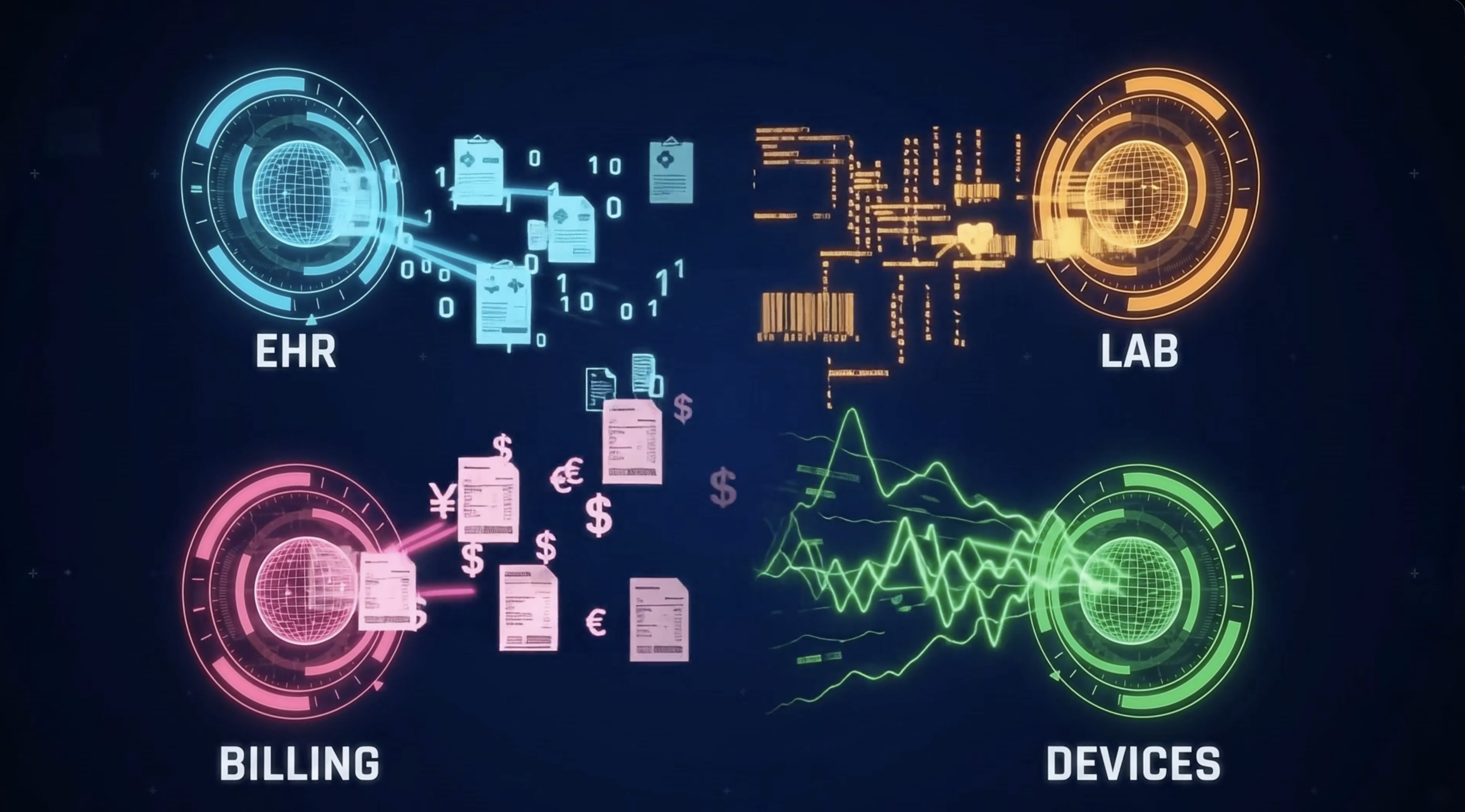
There is no doubt that an infinite amount of health data needs to be transferred from system to system. Currently, this transfer relies on encounter-based documents, which are often emailed or faxed between providers. Although this system works, it is obsolete and ineffective for making decisions and performing data analytics. The point is to create the most positive outcomes for patients, which means the right data at the right time.
FHIR allows developers to get out of this encounter-based rut and show healthcare providers the full story. Using API standards, developers can code these applications into an EHR operating system. This information flows directly into the provider ‘s workload, avoiding the complicated and time-consuming process of extracting data from documents alone. With FHIR, healthcare providers can access a multitude of patient data right at their fingertips, saving precious time that they could utilize caring for their patients.
FHIR can make healthcare more similar to other simple, easy-to-use online interfaces-the ones providers and patients use daily.
Patients who see multiple providers, like those who may have more advanced health issues, through the use of FHIR, could no longer need to hassle with multiple patient portals. Instead, one single application makes it easy for users to access all their information, simplifying their lives and their providers ‘ lives as well.
As developers and providers alike continually attempt to make healthcare more accessible and effective, FHIR may just be the exact tool to do that. At Vorro, we are positioning our clients to leverage the FHIR standards. This is the future of data exchange, and we are ready to meet this need in the market today. To learn more about Vorro and our complete portfolio of solutions, visit us.
Other Useful Resources
Customer data integration
Healthcare data interoperability