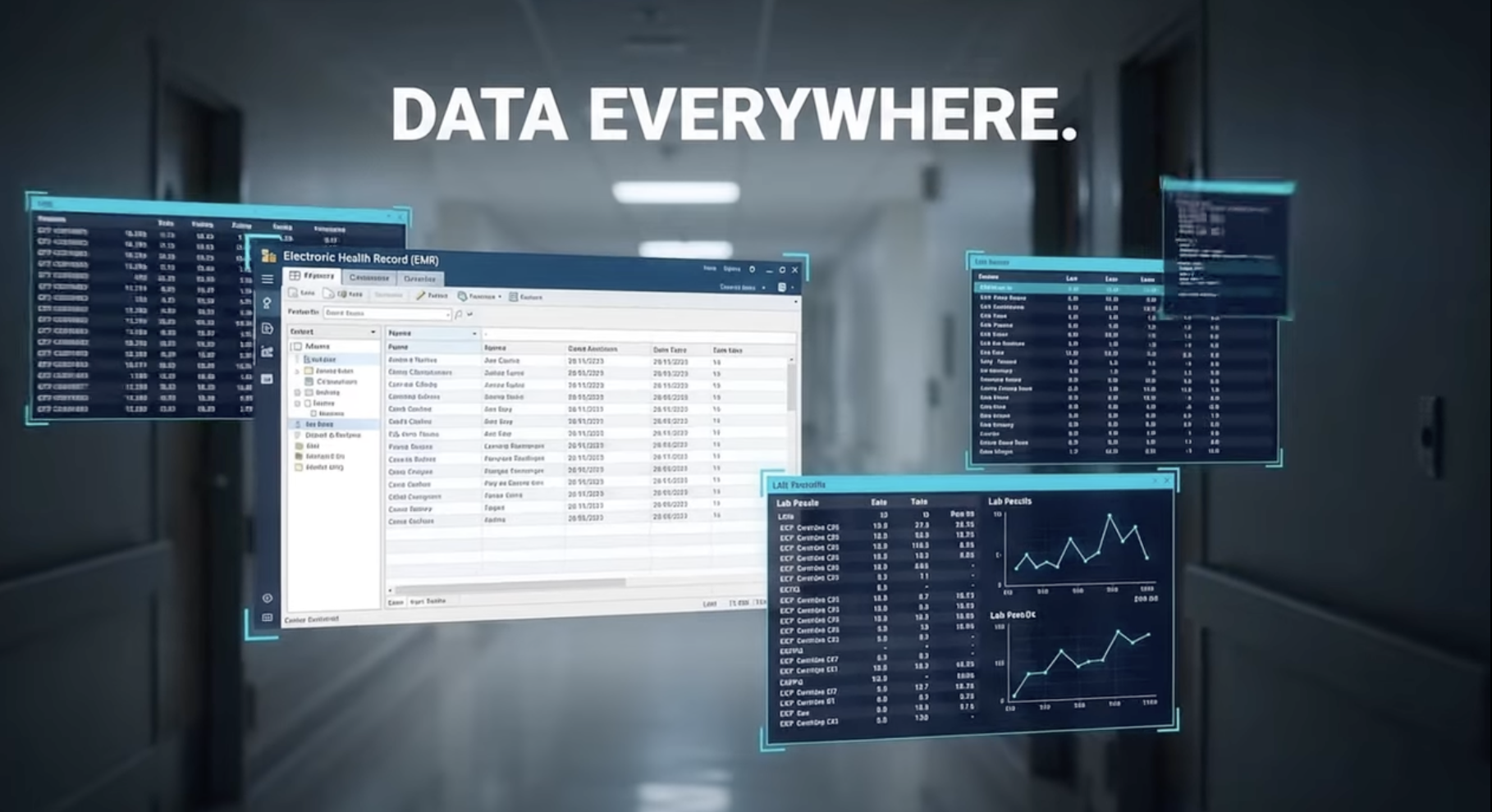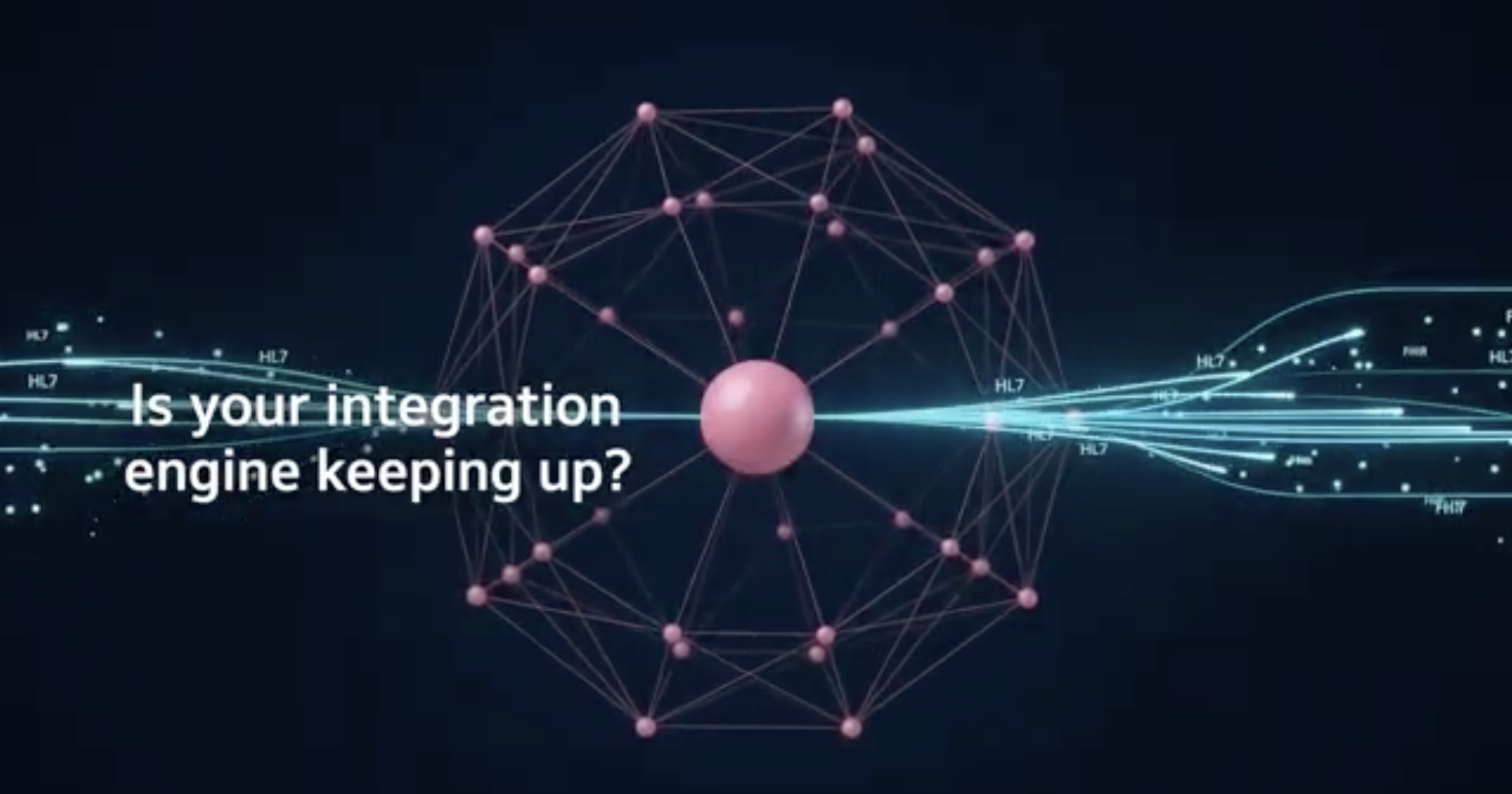
In today’s rapidly evolving healthcare landscape, the integration of legacy systems with modern platforms has become essential. Many healthcare organizations still rely on outdated systems to manage critical data, but these legacy platforms often cannot communicate effectively with newer applications. This leads to fragmented data, poor communication, and inefficient workflows. Middleware solutions for healthcare integration offer a powerful tool to bridge this gap, enabling smooth communication between disparate systems and simplifying the transition from legacy software to more modern infrastructures.
According to a 2020 report by the Office of the National Coordinator for Health Information Technology (ONC), 60% of healthcare providers in the U.S. struggle with fragmented data due to interoperability issues between legacy systems and modern software (ONC Report). This data fragmentation can lead to missed opportunities for patient care improvement, delays in treatment, and increased operational costs. Middleware, a type of software that sits between different systems, helps facilitate enterprise application integration and legacy modernization, improving overall system efficiency and patient care delivery.
The Role of Middleware Solutions in Healthcare Integration
Middleware solutions act as a bridge that enables communication between systems that would otherwise be incompatible. In healthcare, these solutions are particularly vital because many providers use legacy systems that were not designed to handle modern data exchange standards. For example, an older electronic health record (EHR) system may struggle to communicate with cloud-based applications or mobile health platforms. By implementing middleware solutions, healthcare organizations can ensure that data flows seamlessly between legacy systems and newer technologies without having to fully replace existing infrastructure.
Middleware solutions for healthcare integration not only facilitate communication between systems but also automate key processes such as data extraction, transformation, and loading (ETL). This allows for faster data retrieval and analysis, giving healthcare providers real-time access to crucial patient information. By allowing these systems to “speak their own language,” middleware acts as a translator, eliminating bottlenecks and reducing the risk of errors caused by manual data entry.
Benefits of Middleware for Legacy Software Modernization
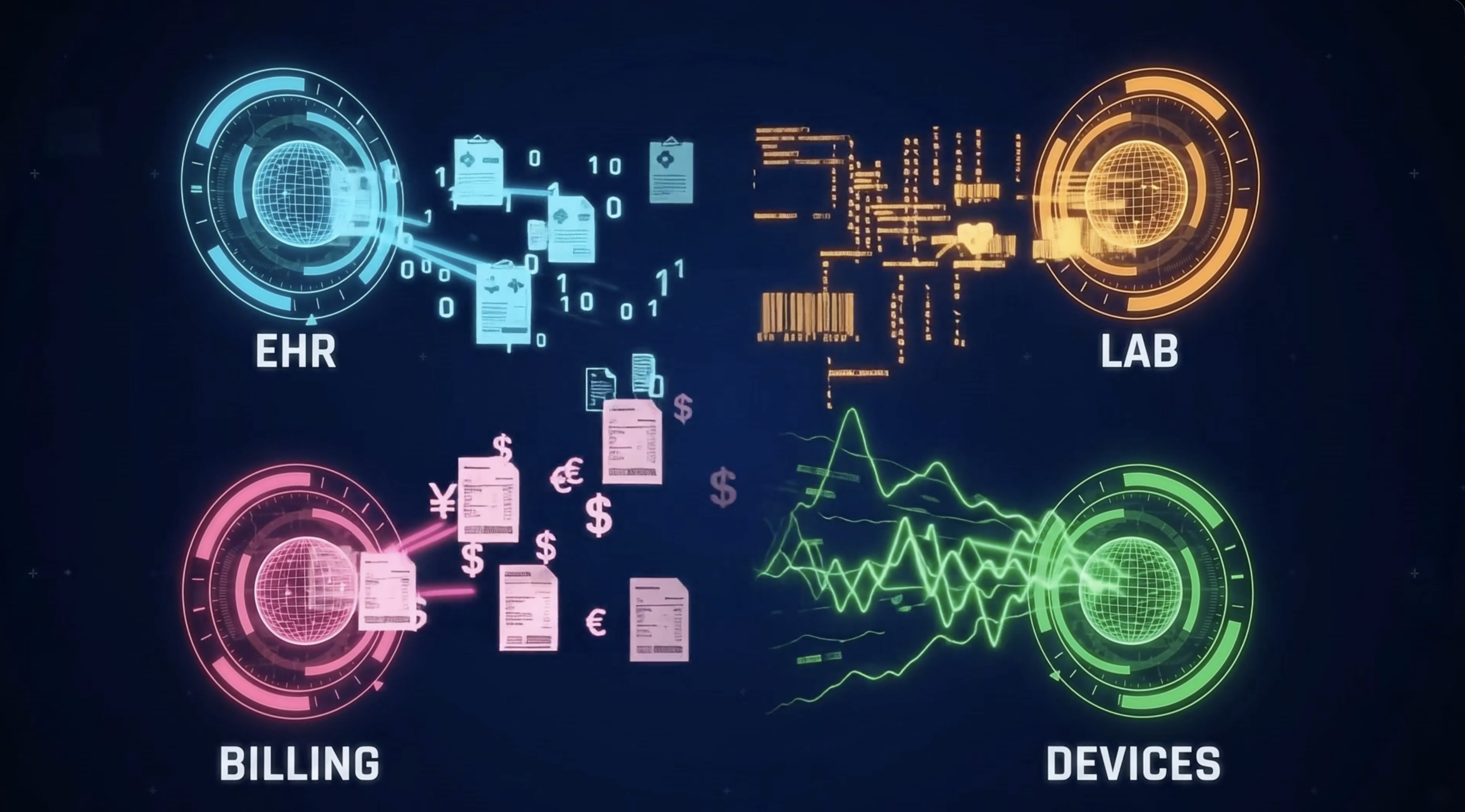
One of the most significant challenges healthcare organizations face is legacy software modernization. Many healthcare providers rely on legacy EHRs, billing systems, and lab management tools that are deeply embedded in their daily operations. However, these systems often lack the flexibility to support modern healthcare technologies like telemedicine, cloud-based data storage, or mobile health applications. Middleware offers a cost-effective solution for integrating these legacy systems with newer platforms without the need for a complete system overhaul.
Middleware can extend the life of legacy software by connecting them to modern applications, reducing the need for costly replacements. For instance, middleware can enable a legacy EHR to connect with a new cloud-based analytics tool, allowing providers to analyze patient data in real time. This enhances the ability to make data-driven decisions, ultimately improving patient outcomes.
Additionally, middleware solutions support compliance with healthcare regulations like HIPAA by ensuring that all data exchanged between systems is encrypted and secure. This is especially important when integrating legacy systems, as older software may not have been designed with modern security standards in mind.
Enterprise Application Integration Through Middleware
Beyond legacy modernization, middleware plays a critical role in enterprise application integration. Large healthcare organizations often use a variety of applications across departments, from EHRs to billing and scheduling systems. Middleware ensures that these applications can communicate with each other, providing a unified platform for data exchange and enabling a seamless flow of information across the enterprise.
The ONC estimates that 70% of healthcare providers experience inefficiencies in care coordination due to fragmented systems that don’t integrate well (ONC Report). By integrating these systems through middleware, healthcare organizations can streamline workflows, improve patient care, and reduce administrative burdens. For example, when a patient is admitted to a hospital, middleware can automatically pull data from multiple systems to create a comprehensive care plan, reducing the need for manual data entry and ensuring that all relevant information is available to clinicians in real time.
Real-World Examples of Middleware Success
Several healthcare organizations have successfully implemented middleware solutions to modernize their legacy systems and improve data integration. For example, a large hospital network in the U.S. used middleware to integrate its legacy EHR with a new cloud-based population health management platform. This integration allowed the hospital to analyze patient data more effectively, leading to improved patient outcomes and reduced readmissions.
Similarly, a healthcare provider specializing in home health services used middleware to connect its scheduling system with its EHR, enabling real-time updates to patient care plans and improving coordination between caregivers. These examples demonstrate the power of middleware in transforming legacy systems and enabling more efficient, patient-centered care.
Conclusion
As healthcare organizations continue to navigate the challenges of legacy software modernization and enterprise application integration, middleware solutions provide a flexible, cost-effective way to bridge the gap between old and new technologies. By enabling seamless communication between disparate systems, middleware helps healthcare providers improve data accessibility, streamline workflows, and ultimately enhance patient care.
Vorro offers advanced middleware solutions designed to connect, transform, and automate healthcare data, ensuring that legacy systems can keep pace with modern healthcare demands. For more information on how middleware can simplify your integration processes, check out our related blog on Overcoming Data Integration Challenges.