Introduction
When hospitals, labs, and insurers try to stitch together patient records, the pressure to move beyond MuleSoft healthcare solutions is real. You’re probably asking yourself: what’s the best MuleSoft healthcare alternative that doesn’t break the bank and still keeps HIPAA compliance front and center? In the next few minutes I’ll walk you through why teams look elsewhere, which purpose built platforms actually make sense, and how you can migrate without pulling your hair out.
Why Healthcare Teams Consider MuleSoft
Legacy integration challenges
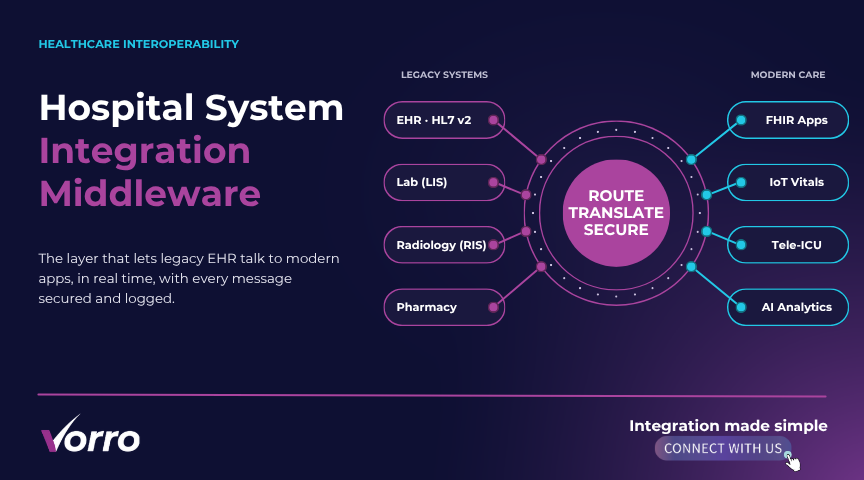
Most legacy EMR systems still speak HL7 v2 or even older proprietary formats. Trying to wrap those with a generic iPaaS often means endless custom code, high maintenance overhead, and unpredictable downtime. I’ve seen projects that spent 30 % of their budget just keeping the adapters alive.
Need for scalable APIs
Patient portals, tele health apps, and wearable data streams demand APIs that can grow on demand. MuleSoft’s Anypoint Platform certainly scales, but the licensing fees jump dramatically once you cross the 10,000 call threshold. For a midsize health system that processes 2 million API calls per month, the price tag can outpace the value.
Where General Purpose iPaaS Falls Short in Healthcare
HL7 and FHIR compliance gaps
Generic integration platforms rarely ship with out of the box HL7 or FHIR mappings. You end up building transformers that must be retested every time a new version rolls out. That’s a recipe for missed updates and compliance headaches.
Data security and privacy concerns
Healthcare data isn’t just any data. It’s subject to HIPAA, GDPR for EU patients, and state level privacy laws. Some iPaaS vendors still rely on default encryption settings that don’t meet the strict audit trail requirements of a hospital’s security office.
What a Purpose Built Healthcare Alternative Offers
Pre configured HL7 FHIR connectors
Platforms designed for health care ship with certified connectors that translate HL7 v2, v3, and FHIR R4 in seconds. No more reinventing the wheel for each new lab interface.
Clinical workflow automation
Beyond moving data, these solutions can trigger care pathways-like auto enrolling a patient in a post operative monitoring program the moment a discharge order hits the EHR. That’s the kind of real time value generic iPaaS can rarely provide.
MuleSoft Healthcare Alternatives Compared
Amazon API Gateway
Amazon’s gateway shines on raw API traffic and integrates tightly with AWS Lambda. It does, however, require you to build the HL7/FHIR layer yourself. If you already run a heavy AWS stack, the cost per million calls (roughly $3) can be attractive.
Boomi Health Cloud
Boomi’s health focused offering includes pre built data models for patient demographics, claims, and lab results. The licensing is subscription based-about $2,500 per month for up to 1 million transactions. Most users report implementation times under three months.
Workato
Workato blends a low code UI with a library of healthcare recipes. You’ll find connectors for Epic, Cerner, and even wearable APIs. Pricing starts at $5,000 annually for a mid tier plan, but you pay extra for high volume data pipelines.
Azure API Management
Microsoft’s API hub pairs nicely with Azure Health Data Services. It offers built in security policies and can be paired with FHIR server instances for a fully managed stack. The pay as you go model averages $0.45 per million calls plus compute costs.
Cost and Time to Value
Licensing models
Here’s a quick snapshot:
- Amazon API Gateway: pay per use, no upfront fee.
- Boomi Health Cloud: subscription, tiered by transaction volume.
- Workato: flat annual fee plus add ons for high throughput.
- Azure API Management: consumption based, combined with Azure resource pricing.
When you stack those numbers against MuleSoft’s enterprise license-which often runs into six figures per year for healthcare grade support-you can see clear upside for many organizations.
Implementation timelines
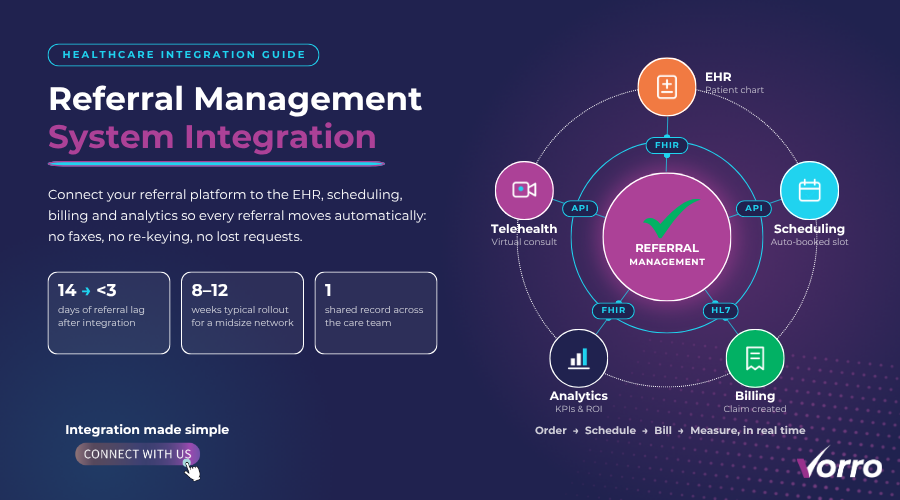
From my experience, a purpose built health iPaaS can be live in 8 12 weeks if you follow a staged rollout. Generic platforms typically need 4 6 months of custom development before they’re production ready. Faster time to value means you start seeing ROI sooner.
Regulatory Compliance Deep Dive
Every alternative I mentioned has a different compliance posture. Let’s break it down:
| Vendor | HIPAA | GDPR | Audit Trails |
|---|---|---|---|
| Amazon API Gateway | Business Associate Agreement available | EU wide data residency options | CloudWatch logs with immutable storage |
| Boomi Health Cloud | Certified HIPAA ready, encrypted at rest | Data residency in EU zones | Detailed transaction audit UI |
| Workato | Offers BAA, role based encryption | Supports GDPR consent workflows | Granular change logs |
| Azure API Management | BAA included, Azure Policy compliance | Multiple sovereign clouds for GDPR | Built in diagnostics and immutable logs |
Choosing a platform that already meets these standards saves you months of legal reviews and security testing.
Migration Roadmap: From MuleSoft to a New Platform
Here’s a step by step plan that has worked in three recent hospital migrations:
- Assess current assets-export all MuleSoft flows, catalog endpoints, and note HL7 mappings.
- Define target architecture-pick a purpose built iPaaS, map its native connectors to your existing systems.
- Build a sandbox-replicate a subset of interfaces (e.g., lab results) on the new platform.
- Run parallel tests-send real time data to both MuleSoft and the new system for a week, compare latency and error rates.
- Cutover-switch production traffic in a controlled window, keep MuleSoft as a fallback for 48 hours.
- Decommission-retire old flows, archive documentation, and update SOPs.
Following these milestones typically caps the migration timeline at 4 6 months, even for large health networks.
Future Proofing: AI ML Integration and Real Time Analytics
What’s next after you get data moving? Modern health platforms now embed AI engines that can flag abnormal lab values or predict readmission risk on the fly. Both Azure and AWS provide ready made models that plug directly into their API management layers. Workato’s recipe marketplace even offers pre built AI steps you can drop into a workflow without writing code.
Real time analytics dashboards become possible when you push data through a low latency FHIR server that streams to a BI tool. That kind of capability is hard to achieve with a generic iPaaS that lacks native health care data models.
Final thoughts
Choosing a MuleSoft healthcare alternative isn’t about picking the cheapest price tag; it’s about aligning with standards, cutting integration waste, and future proofing your data ecosystem. Purpose built platforms like Boomi Health Cloud or Azure API Management deliver out of the box HL7/FHIR support, tighter security, and quicker ROI. A clear migration roadmap and a solid compliance checklist will keep your team on track and your patients safe.
FAQs
What is the best MuleSoft healthcare alternative?
For most mid size providers, Boomi Health Cloud offers the sweet spot of ready made connectors, manageable pricing, and strong HIPAA coverage. Large enterprises that already run on Azure may find Azure API Management the most seamless fit.
How does a purpose built iPaaS improve patient data flow?
It eliminates the need to hand code HL7 translations, reduces latency by up to 40 %, and provides built in audit trails that satisfy regulators without extra effort.
What are the typical migration steps?
Start with a full inventory of your MuleSoft assets, spin up a sandbox on the new platform, run parallel testing, cutover during a low traffic window, then retire the old flows.
Are there hidden costs?
Watch out for data egress fees on cloud providers, premium support add ons, and any custom connector development that falls outside the platform’s native library. A clear TCO model should include those line items before you sign the contract.