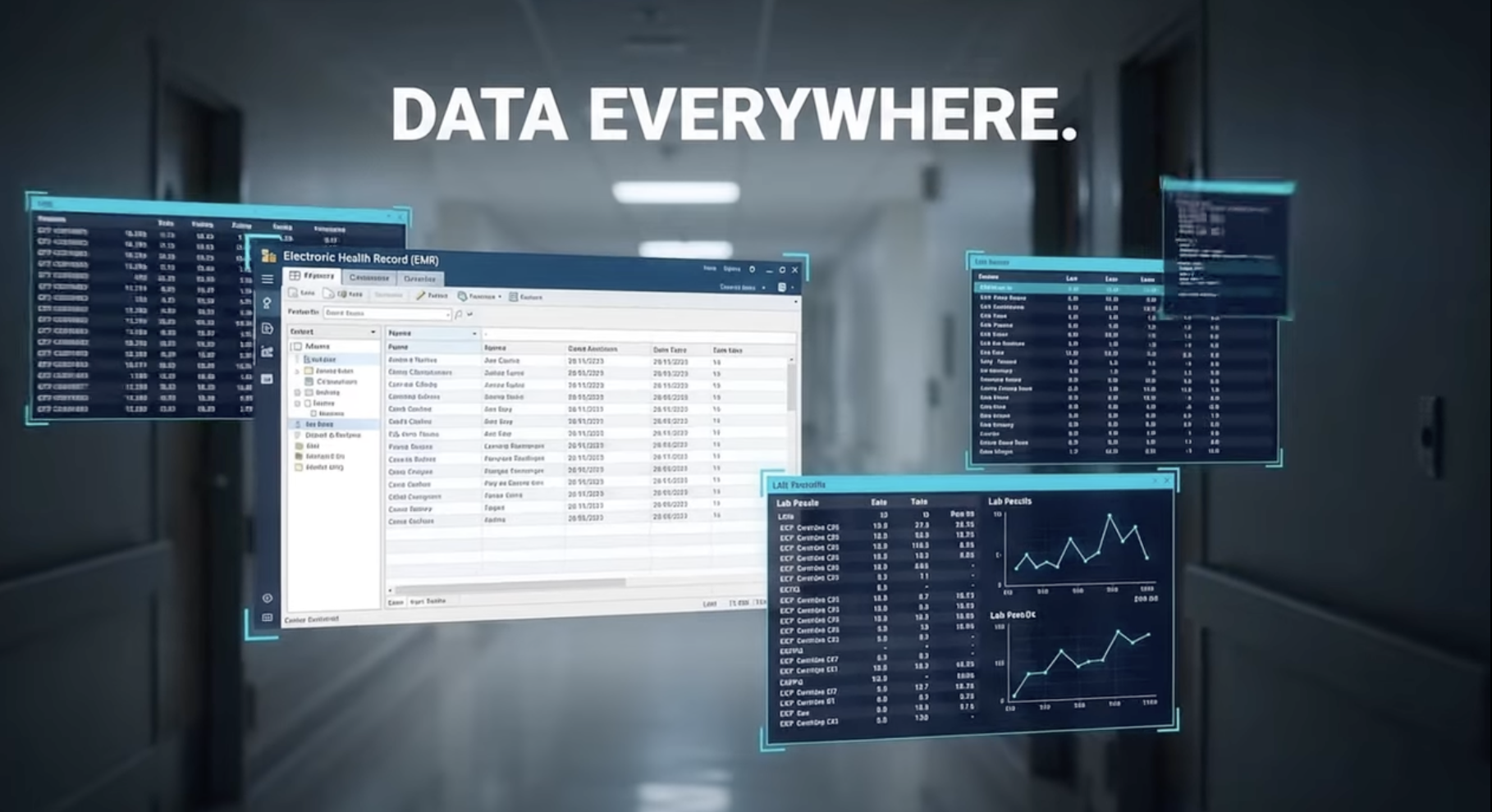
The primary challenge for the healthcare sector is connecting disparate systems and making them work together. It’s like trying to get a group of people who speak different languages to understand each other without a translator. Traditional Integration Platform as a Service (iPaaS) has been the go-to translator. However, as conversations become more complex and the amount of data grows exponentially, its limits start to show. This is where Enterprise Integration Platform as a Service (EiPaaS) comes into play. It offers a more sophisticated solution tailored to mitigate the unique challenges of the healthcare industry. Let’s dive into the challenges with iPaaS and see how EiPaaS, especially Vorro’s EiPaaS, is changing the game.
Understanding the Fundamental Differences Between iPaaS and EiPaaS
The simplest way to understand the difference between iPaaS and EiPaaS is to decipher the E in EiPaas-“Enterprise.” Enterprises scale, which is exactly how EiPaaS differentiates itself from traditional iPaaS. iPaaS streamlines workflows and data sharing across multiple platforms. It is a useful solution for businesses that need to connect disparate systems.
EiPaaS, on the other hand, handles a much larger volume of integrations, more complex data transformations, and stricter compliance requirements. This makes it a better fit for larger organizations with extensive IT ecosystems, such as healthcare. It is cumulatively more robust, secure, and scalable than traditional iPaaS solutions.
Within the cloud or on-premise, EiPaaS facilitates the deployment and integration flows while eliminating the need for hardware or middleware within a business or between the business and third-party deployments.
Now, let’s look at this from the lens of healthcare.
The Hurdles with Traditional iPaaS
Healthcare systems are complicated because they use different ways to organize and share information. Some of the big challenges are:
- Complex Integrations: iPaaS often struggles to seamlessly connect complex systems. It’s like trying to fit square pegs into round holes.
- Data Security and Compliance: Healthcare data is highly sensitive and subject to strict regulations. iPaaS solutions might not always align with the sector’s specific security and compliance requirements.
- Scalability: As healthcare organizations grow, so do their data integration needs. iPaaS solutions can sometimes struggle to keep up, leading to productivity bottlenecks.
- Lack of Healthcare-Specific Features: Many iPaaS solutions are designed for a broad range of industries and may lack features tailored to healthcare needs.
How EiPaaS Offers a Solution
EiPaaS is designed with the healthcare industry in mind, addressing the limitations of traditional iPaaS with several key features:
- Any-to-Any Integration: EiPaaS offers flexibility with its any-to-any integration capabilities, making it easier to connect different healthcare systems regardless of their formats or standards.
- Enhanced Security and Compliance: EiPaaS goes above and beyond in ensuring data security and compliance, providing advanced encryption and robust access control capabilities to protect sensitive healthcare data.
- Improved Scalability: EiPaaS scales with your organization, handling increasing complexity and volume of integrations without performance issues.
- Healthcare-Specific Features: EiPaaS includes features and compliance protocols specifically designed for the healthcare industry, such as handling HL7 and FHIR standards, to leverage the full potential of healthcare data.
Vorro’s EiPaaS: A Closer Look
Vorro’s EiPaaS isn’t just another integration platform; it’s a comprehensive solution tailored to the unique challenges of the healthcare industry. It offers:
- Centralized Control and Proactive Alerting: A centralized platform for managing integrations, along with proactive alerting and auditing features for better oversight.
- Rapid Deployment: Enables quick and efficient deployment of new integrations, reducing the time and effort required.
- Any-to-Any Integration: Its flexibility ensures seamless connections between various healthcare systems.
- Tailored Solutions for Every Need: Whether you need a fully managed solution, a cloud-based enterprise integration platform, or a self-hosted solution, Vorro has you covered.
Embracing the Future with Vorro’s EiPaaS
As the healthcare industry evolves, the need for efficient, secure, and scalable integration solutions becomes ever more critical. With Vorro, healthcare organizations can tackle traditional iPaaS challenges and transform how they manage their integration needs. By choosing EiPaaS, you’re not just selecting an integration platform; you’re embracing the future of healthcare integration, ensuring that your organization can deliver high-quality patient care and operational excellence.